

Mental health evaluation begins on the first day of detox.
Jintara's medical detox program includes a full psychiatric assessment from day one. The evaluation shapes your medication protocol, guides your therapy, and surfaces any mental health conditions that substance use may have been managing. Psychiatric assessment is included in the detox fee, not charged separately.
- Psychiatric assessment fully included, not charged as an add-on.
- Addiction-specialist psychiatrists at Bangkok Hospital Chiang Mai and RAM Hospital.
- Covers mental health history, risk screening, trauma background, and medication review.
- Ongoing psychiatric review throughout your stay, adjusted as often as needed.


Fully Licensed and Hospital Accredited
The psychiatric assessment is the first clinical step in every Jintara detox.
The psychiatric assessment identifies co-occurring mental health conditions and guides the detox protocol from admission. At Jintara, this assessment takes place on the first day of admission through one of two addiction-specialist psychiatric services in Chiang Mai: Bangkok Hospital Chiang Mai or RAM Hospital. Both are confirmed transfer partners. The psychiatrist who conducts the assessment is a specialist in addiction medicine, not a generalist.
Many people entering detox carry unaddressed mental health conditions including depression, anxiety, bipolar disorder, ADHD, or responses to trauma that substance use has been managing for years. The assessment surfaces these conditions early so the treatment team can respond to the whole picture, beyond the withdrawal.
Identifying and responding to dual diagnosis and co-occurring conditions from the first day reduces the risk of misreading psychological distress as purely physical withdrawal, which can lead to under-treatment of the real driver.
The NIAAA Core Resource on Alcohol documents the high prevalence of psychiatric comorbidities in people presenting for alcohol use disorder treatment, reinforcing the clinical case for assessment at admission.

The assessment covers mental health history, substance use, current symptoms, and trauma background.
The initial assessment is a thorough clinical interview covering six areas. Psychiatric history captures previous diagnoses, prior treatment and hospitalisation, medications tried, what helped or caused problems, and family mental health background. Substance use history covers the timeline, daily amounts, polysubstance patterns, previous detox attempts, and what previous withdrawals felt like.
The current mental status examination looks at orientation, memory, concentration, thought process, mood, and affect. The suicidal ideation question is asked directly, as are questions about self-harm history and psychotic symptoms such as hallucinations or paranoia.
Trauma history is noted, but not processed during detox. Deep trauma work is clinically inappropriate during acute withdrawal because the person's coping capacity is limited and the brain is under physiological stress. Processing is deferred to the therapy phase once the person is stable.
A functional assessment also covers work, relationships, housing, and legal situation, which informs discharge planning and shapes what the clinical intake looks like in practice. The clinical evidence base for this co-occurring disorder assessment approach is documented in NIDA's research on comorbidity.

“The therapy starts at the same time the detox starts. They run in parallel. The psychiatric care and the therapy work together from day one.
Suicidal ideation is screened directly and managed without judgment.
Jintara uses the PHQ-9 at intake for depression and suicidal ideation screening, with the additional 8Q test conducted when the PHQ-9 flags any concern. Denise O'Leary, Clinical Director, notes that more than half of incoming clients have had some thoughts about suicide at some point during active addiction, which is one reason depression and addiction treatment addresses mood and substance use together rather than in sequence. This is a recognised presentation for this population and does not prevent admission.
The assessment distinguishes passive ideation, a generalised sense that life is not worth living, from active planning with intent and method. Clients with passive ideation are monitored closely through the nursing and therapy team. A client whose suicidal ideation is active and cannot be safely managed within the facility is referred directly to the psychiatric unit at Bangkok Hospital Chiang Mai or RAM Hospital for assessment and stabilisation.
Darren Lockie notes that by the time someone makes the decision to enter treatment, the direction of that choice is toward life. In most cases, active ideation settles once safety and structure are established.
Screening and safety management protocols of this kind are aligned with SAMHSA's clinical guidance for addiction assessment settings. This screening sits within the broader withdrawal monitoring protocol that nursing staff run around the clock.
The clinical screening and risk management protocols used in Jintara's psychiatric assessment have been independently assessed by three national bodies: the Healthcare Accreditation Institute, the Princess Mother National Institute on Drug Abuse Treatment, and the Department of Medical Services. These are the same bodies that assess Thailand's hospitals. Certificate no. 25/2569. One of only six private rehabs in Thailand to hold this hospital-grade accreditation. A family deciding whether the clinical safety standard here is high enough does not have to assess it themselves. A national authority already has.
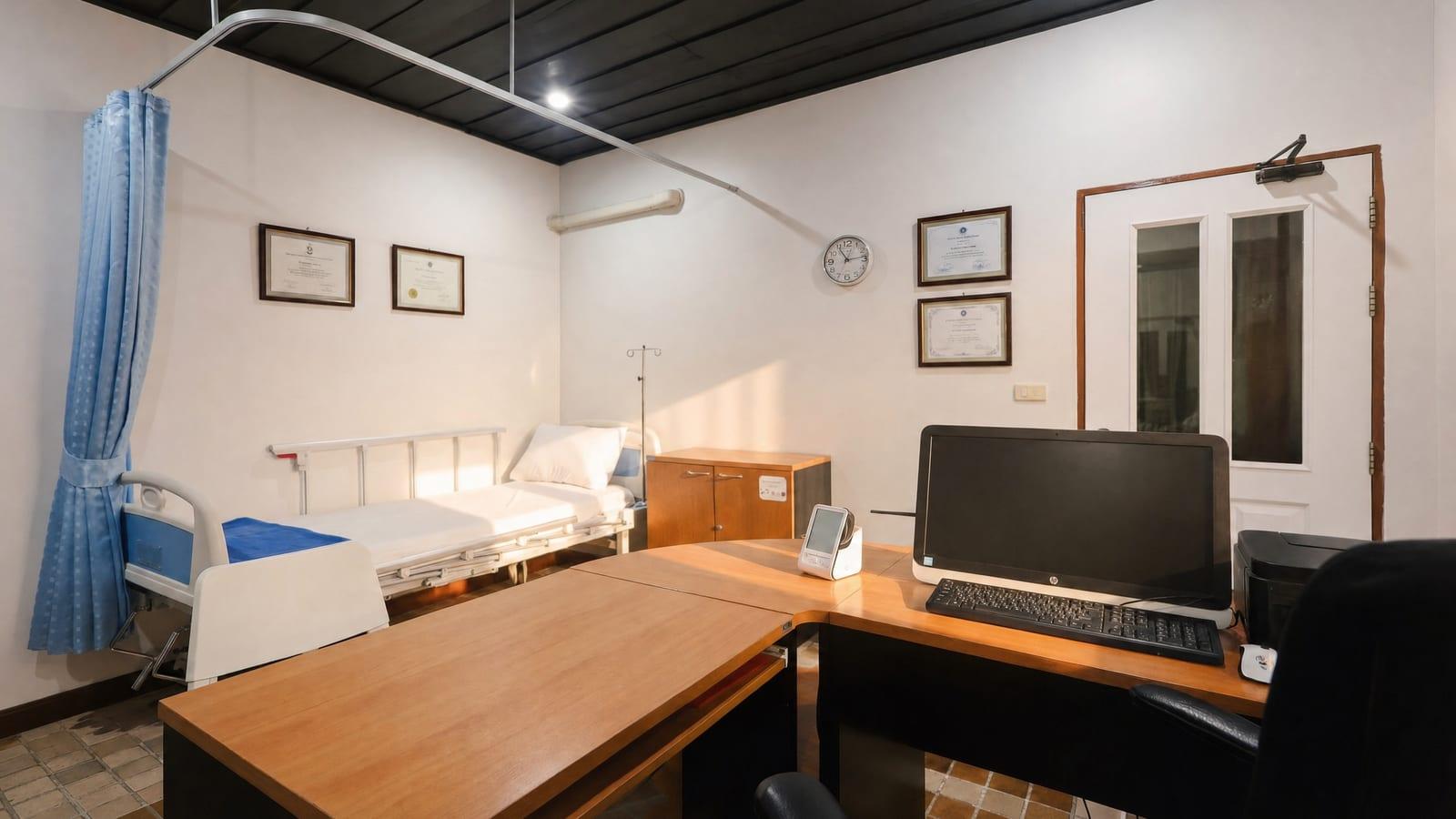
Mental health diagnoses in early recovery are treated as working assessments.
Co-occurring mental health conditions are often impossible to diagnose accurately while a person is still in active substance use. The brain chemistry is disrupted, sleep is compromised, and the emotional volatility of withdrawal makes it difficult to distinguish genuine pathology from withdrawal physiology.
Depression and anxiety during the first week of detox may reflect the withdrawal itself, may reflect a pre-existing condition, or may reflect both. The psychiatric team makes working assessments rather than fixed diagnoses early in the process and continues to refine the clinical picture as the person stabilises.
One common example is ADHD. Adults presenting with difficulty concentrating, impulsivity, and restlessness during early recovery are frequently identified through the ongoing psychiatric assessment. This changes the therapy approach and, where appropriate, the medication plan, and shapes what the treatment program focuses on once detox stabilises.
Research from the National Institute on Drug Abuse confirms that mental illness and substance use disorders co-occur at significantly elevated rates, and that treatment addressing both conditions produces better outcomes.

The assessment determines which medications are safe and appropriate for each person.
The medication plan is psychiatrist-led, informed by the assessment findings and adjusted by nursing observation in real time. The psychiatrist considers substance type, withdrawal severity, psychiatric history, existing medications, and any medical conditions that affect which drugs can be safely used.
A person with a history of depression entering alcohol detox requires balancing seizure prevention medication alongside mood support. A person with generalised anxiety entering benzodiazepine detox requires a slow taper and non-medication anxiety management strategies rather than substitution, and someone with medicated bipolar disorder needs their existing mood stabiliser maintained through the same process. Benzo taper, where required, can extend up to two to three months with a minimum three-week post-zero window.
Jintara does not offer naltrexone, acamprosate, disulfiram, or other oral relapse prevention medications after detox. The clinical position, confirmed by Denise O'Leary, is that the program does not recommend using substances to treat substance use. Methadone is used during opioid withdrawal as a taper medication only, not for long-term maintenance.
Specific medications prescribed are determined by the psychiatrist and are the only out-of-pocket cost added to the detox fee. Medication costs at Thai hospital rates are considerably lower than comparable costs elsewhere. The small residential setting at Jintara means nursing staff observe how the medication plan works in practice and escalate to the psychiatrist promptly when adjustment is needed.
“We provide a full medical service: the psychiatric assessment, the nursing care, the medical checkup, and any follow-up psychiatric review needed. At many rehabs, the psychiatrist is an extra charge. Here it's included.
Psychiatric review continues throughout the stay and responds to how you are doing.
The initial assessment is not the only psychiatric contact during a stay at Jintara. The psychiatrist reviews the case as often as the clinical picture requires. If sleep is not stabilising, medication is not achieving what was expected, or new symptoms emerge as withdrawal resolves, the psychiatrist adjusts the plan.
Some clients see the psychiatrist five, six, or seven times during their stay. This frequency is not unusual. It reflects the unpredictable way mental health presents during withdrawal and the week or two of adjustment that follows.
Nursing staff are awake and monitoring around the clock, with vital signs recorded every four to six hours during active detox. These observations feed directly into the next psychiatric review so the psychiatrist works from real behavioural data: sleep patterns, agitation levels, medication response, and mood notes recorded across each shift.
The addiction-specialist psychiatrists at Bangkok Hospital Chiang Mai and RAM Hospital also provide continuity. Generally the same psychiatrist sees the client across multiple reviews rather than a different clinician at each visit. The Jintara clinical team includes nursing staff, therapists, and the consulting psychiatrists who together manage the full detox and treatment period.

Therapy and psychiatric care run in parallel from the first day.
Jintara's model does not separate detox from therapy. Psychiatric assessment and initial therapy contact happen on the same day where possible, and by day two at the latest. Denise O'Leary describes the approach as running two parallel tracks from admission: psychiatry provides the medication framework and clinical safety monitoring, while therapy provides psychological safety, stabilisation support, and the early relationship that keeps the person engaged when detox becomes difficult.
The therapy during detox is not deep processing work. It is contact, reassurance, and grounding. No heavy trauma processing takes place while the body is in withdrawal stress. The purpose is to keep the person oriented, to reduce the shame and fear that frequently drives people to leave treatment before it works, and to begin the therapeutic relationship that will carry through the 30-day program.
As withdrawal stabilises, therapy increases in depth and frequency. EMDR trauma therapy is introduced for appropriate clients after medical stabilisation, primarily for those in 60-day or longer programs.
The National Institute of Mental Health confirms that integrated treatment addressing both substance use and mental health produces significantly better outcomes than treating either condition in isolation.

After detox, psychiatric care transitions into the broader treatment plan.
Once acute withdrawal resolves, the psychiatric picture often looks very different from week one. Mood tends to stabilise as neurochemistry begins to recover. Anxiety and depression that appeared severe in the first few days may reduce substantially by week two. This shift does not mean treatment is complete. It means the team can now see more clearly which conditions are withdrawal-related and which are pre-existing and require continued attention.
Psychiatric medication started during detox is reviewed in this context. What was appropriate during acute withdrawal may be adjusted or tapered as stability improves.
The same addiction-specialist psychiatric relationship at Bangkok Hospital Chiang Mai or RAM Hospital continues to be available throughout the program. The therapy and psychiatric tracks converge as the person moves from medical stabilisation into the core treatment work.
The range of conditions treated at Jintara covers both addiction and the mental health presentations that commonly accompany it.


Talk with Our Admissions Team
Your enquiry is confidential and goes only to our admissions team.
Common Questions About the Psychiatric Assessment at Jintara
Yes. The first step after nursing assessment on arrival is a psychiatric interview. This covers mental health history, substance use history, medications, and current symptoms. It takes place through Bangkok Hospital Chiang Mai or RAM Hospital, both confirmed addiction-specialist psychiatric services. The psychiatrist uses findings from this assessment to build the medication protocol that will support your detox safely.
A pre-existing mental health diagnosis is factored directly into the detox protocol. The psychiatrist reviews your medication history, what has worked and what has caused problems, and designs the plan around your full picture. Depression and anxiety during detox are not treated as separate from the addiction. They are part of the same clinical picture that the team is managing from day one.
Tell the team on arrival or at any point during your stay. Jintara uses the PHQ-9 screening tool and an additional 8Q assessment when suicidal ideation is flagged. More than half of incoming clients have experienced passive suicidal ideation during active addiction. This does not disqualify someone from admission and does not change the quality of care. Where risk is assessed as active, the team has direct pathways to psychiatric stabilisation at Bangkok Hospital Chiang Mai.
As often as your clinical picture requires. Some clients see the psychiatrist once. Others see them five, six, or seven times if medication adjustment, sleep difficulty, or new symptoms warrant it. Reviews are not on a fixed schedule. They happen when nursing staff report changes or the person requests review. The same addiction-specialist psychiatrist generally sees you across multiple visits rather than a different clinician each time.
Yes. The psychiatrist determines which medications are appropriate and safe given your substance history, medical conditions, and withdrawal severity. The plan is not one-size-fits-all. Medication costs at Thai hospital rates are the only out-of-pocket cost added to the detox fee. Nursing staff manage all dispensing and keep the medication plan on track throughout.
Trauma history is noted during the psychiatric assessment and factored into the treatment plan. Deep trauma processing does not happen during detox because the brain under withdrawal stress cannot metabolise it safely. Processing begins once you have stabilised, through individual therapy and, for appropriate clients in longer programs, EMDR therapy. The team does not push trauma work before you are ready. The psychiatric assessment maps the territory. The therapy that follows decides when and how to work in it.
Once acute withdrawal resolves, the psychiatric review continues as part of the broader program. Medication started during detox is reassessed as your neurochemistry stabilises. The same psychiatric pathway through Bangkok Hospital Chiang Mai and RAM Hospital remains available throughout your stay. Jintara's position is that addiction and mental health are one problem. Both need attention from day one, and that attention continues through the full 30-day program.
Yes. Jintara holds hospital-grade accreditation issued jointly by the Healthcare Accreditation Institute (HAI), the Princess Mother National Institute on Drug Abuse Treatment (PMNIDAT), and the Department of Medical Services, Ministry of Public Health. Certificate no. 25/2569, valid from 20 May 2026 to 19 May 2029. These are the three national bodies that set and assess the clinical standard for Thailand's hospitals. One of only six private rehabs in Thailand to hold this accreditation. The psychiatric assessment protocols, risk screening procedures, and clinical safety systems used in Jintara's medical detox were part of the scope that was reviewed and confirmed.
Jintara is a small adult residential rehab in Chiang Mai with a full-time clinical team, awake overnight nursing, and psychiatric assessment included in every detox stay.
Jintara Rehab is licensed by the Thai Ministry of Public Health as a rehabilitation centre. The clinical information on this page describes Jintara's general approach to supporting clients during the early recovery period. Medical decisions, including medication protocols, are determined by addiction-specialist psychiatrists through our partner hospital pathway. Individual treatment varies based on clinical assessment. This content is for informational purposes and does not constitute medical advice.