

Residential Rehab in Chiang Mai, Thailand
Starting a residential rehab program in Thailand is a big decision. Jintara keeps it simple, small, and medically safe so you can focus on getting well. In plain terms, the program gives you:
- A clear medical start with on site detox when it is safe
- Structured therapy, skills, movement, and rest in a small adult group
- A plan for returning home that includes work, family, and mental health
Licensed by the Ministry of Public Health.
Accredited under Thailand’s national standard for drug treatment and rehabilitation facilities.

Who Is This Program For?
Jintara's residential program is designed for adults aged 18 to 65 seeking structured treatment for addiction, often alongside depression, anxiety, trauma, or burnout. NIDA's treatment overview describes several care settings, from outpatient counselling to residential programs lasting a few weeks to a few months. The program runs in Chiang Mai with a maximum of ten adults at a time. It suits people who:
- Want an adult-only setting.
- Need help with alcohol, drugs, or prescription medications.
- Often live with anxiety, depression, trauma, or burnout at the same time.
- Value privacy, medical cover, and a small, focused group.
- Want a clear plan for going home, not just a few quiet weeks away.
- Are LGBTQ+ and need private rooms and confidential care as standard.
If you are unsure whether Jintara is the right level of care, Admissions can talk through your situation and give clear guidance.

How Will We Work With You?
Evidence-based addiction treatment combines clinical assessment, individual therapy, group work, and structured skills practice within a single residential program. Addressing the full scope of an individual's needs, not substance use alone, is a core condition for effective recovery. The most common failure when this principle isn't followed is documented in what most rehabs get wrong. At Jintara, how we build your program around your specific history is explained at every stage.
You are not a diagnosis on a form. The treatment method at Jintara combines evidence-based approaches, set out in our clinical philosophy, with plain explanation, so you understand why you are doing what you are doing. Core elements of your program will include:
- Structured assessment that looks at substances, mental health, medical history, and current stress, including any co-occurring behavioural addiction patterns such as gambling, compulsive shopping, or sex addiction
- Individual therapy using approaches like cognitive behavioural therapy (CBT, structured work on thoughts and behaviours) and other specialty methods
- Group therapy in a small adult group where you can speak honestly without a crowd
- Trauma work, including EMDR (eye movement desensitization and reprocessing, an evidence-based trauma therapy) and related methods, when it is clinically appropriate and you feel ready
- Ongoing psychiatric and medical input so mood, sleep, and physical health are part of the plan
You have your own primary therapist. Together you set goals and adjust them as you move through detox, early stabilisation, and deeper work.
How Does Jintara Manage Medical Detox and Withdrawal?
Alcohol, benzodiazepine, and opioid withdrawal carry serious medical risk including seizure, cardiovascular complications, and severe psychological distress. SAMHSA's TIP 45 recommends residential detox with around-the-clock nursing, documented protocols, and clear hospital escalation pathways when withdrawal risk is clinically significant. Jintara operates these protocols for every client requiring medically supported withdrawal, and for the most potent synthetic opioids the fentanyl withdrawal taper runs longer still. For clients managing benzodiazepine dependence, benzo detox at Jintara runs alongside the therapeutic program from day one, with the psychiatrist setting the taper pace and therapy starting concurrently.
Many people arrive worried about managing withdrawal symptoms in the first few days. Some have tried to stop alone and scared themselves. Others have had rough experiences in hospital wards or hotels.
At Jintara, detox is planned and monitored, not left to chance. The nursing protocols, medication handling, and hospital escalation pathways in place were independently assessed against Thailand's national standard for drug treatment and rehabilitation facilities by the Healthcare Accreditation Institute, the Princess Mother National Institute on Drug Abuse Treatment, and the Department of Medical Services, Ministry of Public Health. Checked against a national standard, and still small enough to know you by name. Here is what usually happens:
- Before arrival: Admissions and the medical team review your substances, doses, and health history so they know what to expect.
- Day one: You meet the clinical team, including the partner hospital psychiatrist, and complete tests and screening, and start a clear medical detox plan if you need one.
- Day two: A hospital workup including bloods, EKG, chest X-ray, and liver and kidney panels. This is included in the program fee without a separate charge, so the team can fine-tune your care.
- First week: Nurses track vitals, sleep, and symptoms, building a documented record of treatment progress. Medications are adjusted with safety in mind.
Detox for alcohol, drugs, or prescription medication can often be managed in our on-site facilities when it is clinically safe. Cannabis treatment does not require medical detox, but the first week still includes clinical monitoring of sleep and withdrawal. If you ever need a higher level of care, we have clear hospital pathways, and always ensure you are not left alone to ride out symptoms.




What Does a Typical Week Look Like at Jintara?
Jintara's weekly rhythm combines clinical work, therapy, skills practice, movement, and rest, with enough space for family calls and personal time. Most weekdays follow a simple pattern:
- Morning: A quick health check and medications, followed by grounding or mindfulness, then an individual or group therapy session.
- Afternoon: Skills based work such as relapse prevention or psychoeducation, followed by movement or gym, or a one to one check in with your therapist.
- Evening: A brief reflection or light group, then time for calls, reading, and winding down before quiet hours.
Weekends have a softer pace, with a supervised outing on Saturday and a more relaxed but structured Sunday lunch, plus time to rest and call home.
What Therapies Are Included in the Program?
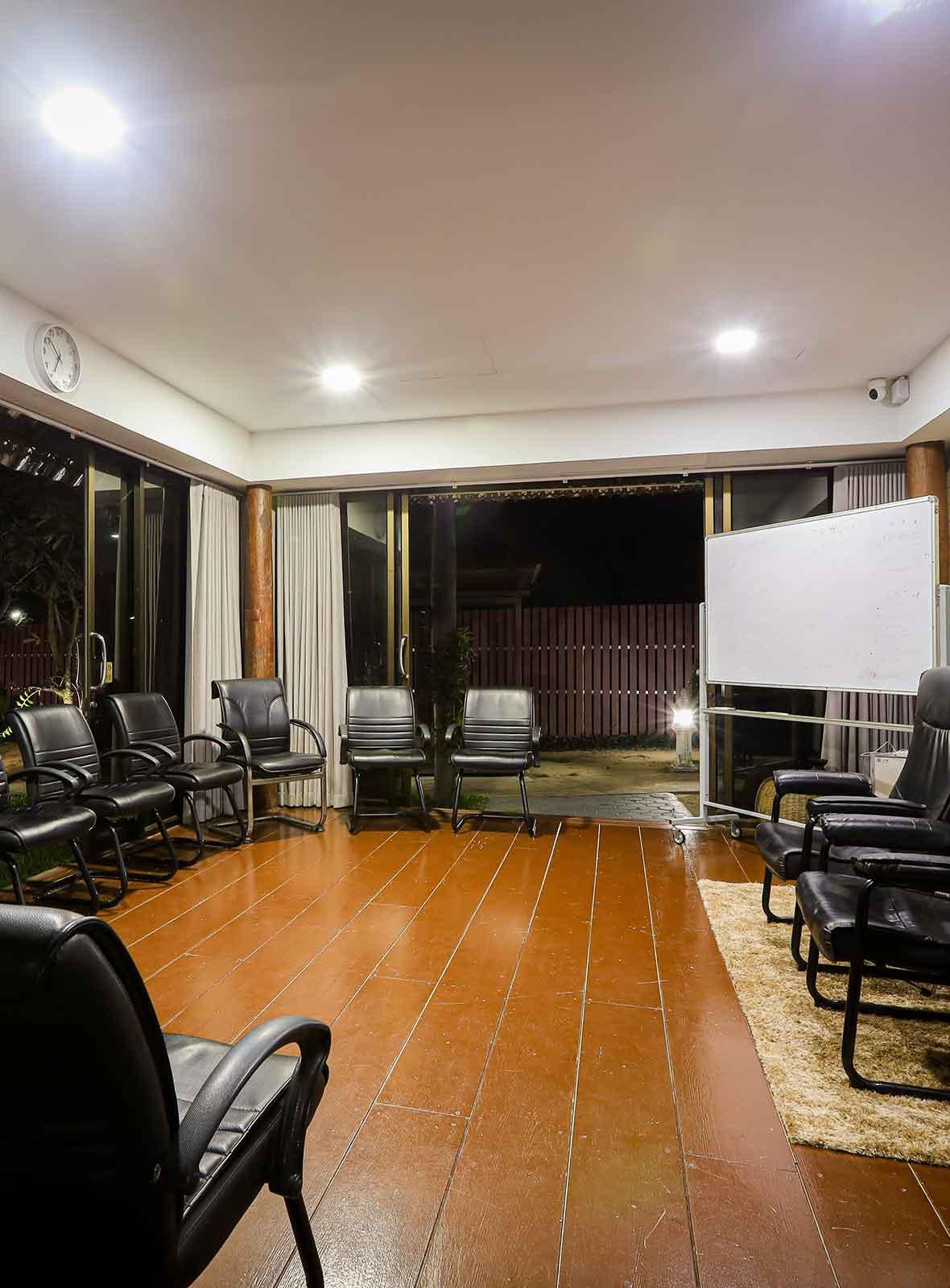
Evidence-based psychotherapy is the clinical core of effective addiction and dual diagnosis treatment. NIMH research on psychotherapies documents that evidence-based therapies have been shown to reduce symptoms of depression and anxiety. Jintara's therapy model combines individual sessions, small-group work, skills practice, and one-to-one trauma therapy where it is needed, in a structured residential program.
Addiction rarely lives in a vacuum. It sits alongside relationships, work, family, and long held patterns. The therapy mix at Jintara is designed to work across those layers. During your stay you can expect:
- Regular one to one therapy sessions for deeper work on history, beliefs, and current pressure
- Group therapy sessions where you explore triggers, shame, boundaries, and support in an adult-only setting
- Skills sessions on cravings, urges, sleep, mood, and communication
- Optional family calls or guided meetings, where the team helps you explain what is happening in plain language
The aim is not to judge you. It is to understand how your addiction developed, what keeps it going, and what needs to shift for things to stay different.
How Does Holistic Therapy Support Clinical Treatment?
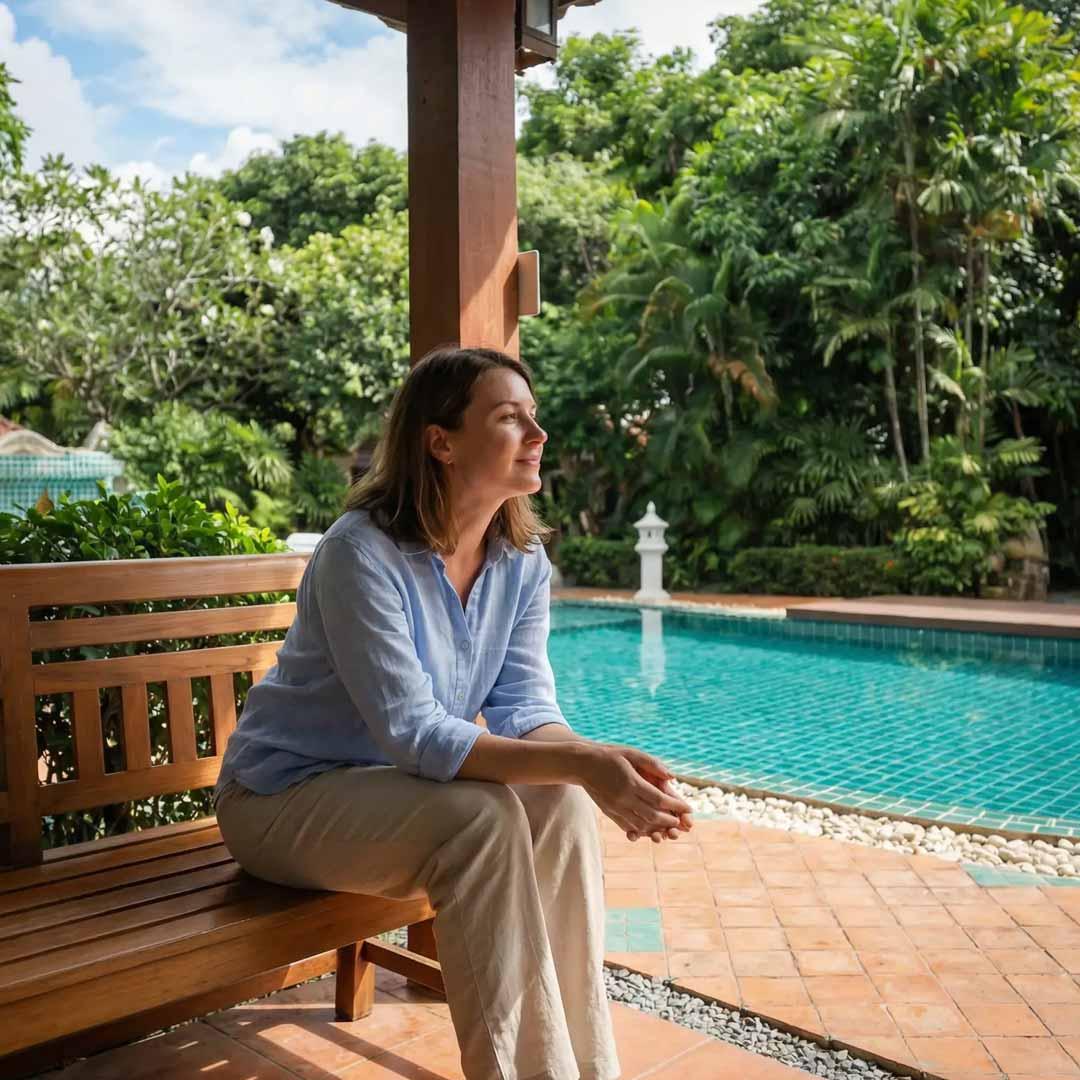
Complementary approaches, including mindfulness, yoga, and therapeutic massage, sit alongside clinical addiction treatment. NCCIH research on mind and body practices notes that meditation and mindfulness may help reduce symptoms of anxiety, depression, and post-traumatic stress disorder. At Jintara, holistic therapy runs alongside individual therapy, medical monitoring, and group work, not instead of them.
Addiction disconnects you from your body. You lose your sense of peace. Jintara believes recovery requires more than talk therapy. You must calm the nervous system. You must heal the spirit. The holistic side of our rehab program supports your clinical work. You recover physically, mentally, and emotionally.
- Therapeutic Massage: Thai and oil massage sessions lower cortisol. They improve sleep and release physical tension from withdrawal.
- Yoga & Movement: Gentle yoga sessions help you regain flexibility. You improve balance and connect to your body.
- Meditation & Mindfulness: Guided techniques quiet a racing mind. You manage anxiety without medication.
- Reiki, by request: Optional bodywork sessions some clients find calming. Available on request, never required.
These are essential tools. They make therapy easier to handle.

What Happens on Weekends and Excursions?
Weekend activities and supervised excursions are part of the residential program at Jintara, not extras added to fill time. They give clients a structured way to practise being in everyday environments, manage social situations, and rebuild confidence before returning home. The same calm, boundaried pace continues through the weekend. Typical weekend elements include:
- Supervised Saturday outings such as a calm elephant experience, a temple visit, or lunch by the lake
- Structured Sunday social lunch that feels human and relaxed, not forced or chaotic
- Time for rest, family calls, and quiet reflection
- Gentle review of how the week went and what you want to focus on next
These excursions are chosen for safety and emotional impact, not thrill seeking. You are not expected to walk through nightlife or triggering environments as a test.
How Does Fitness and Nutrition Support Recovery?
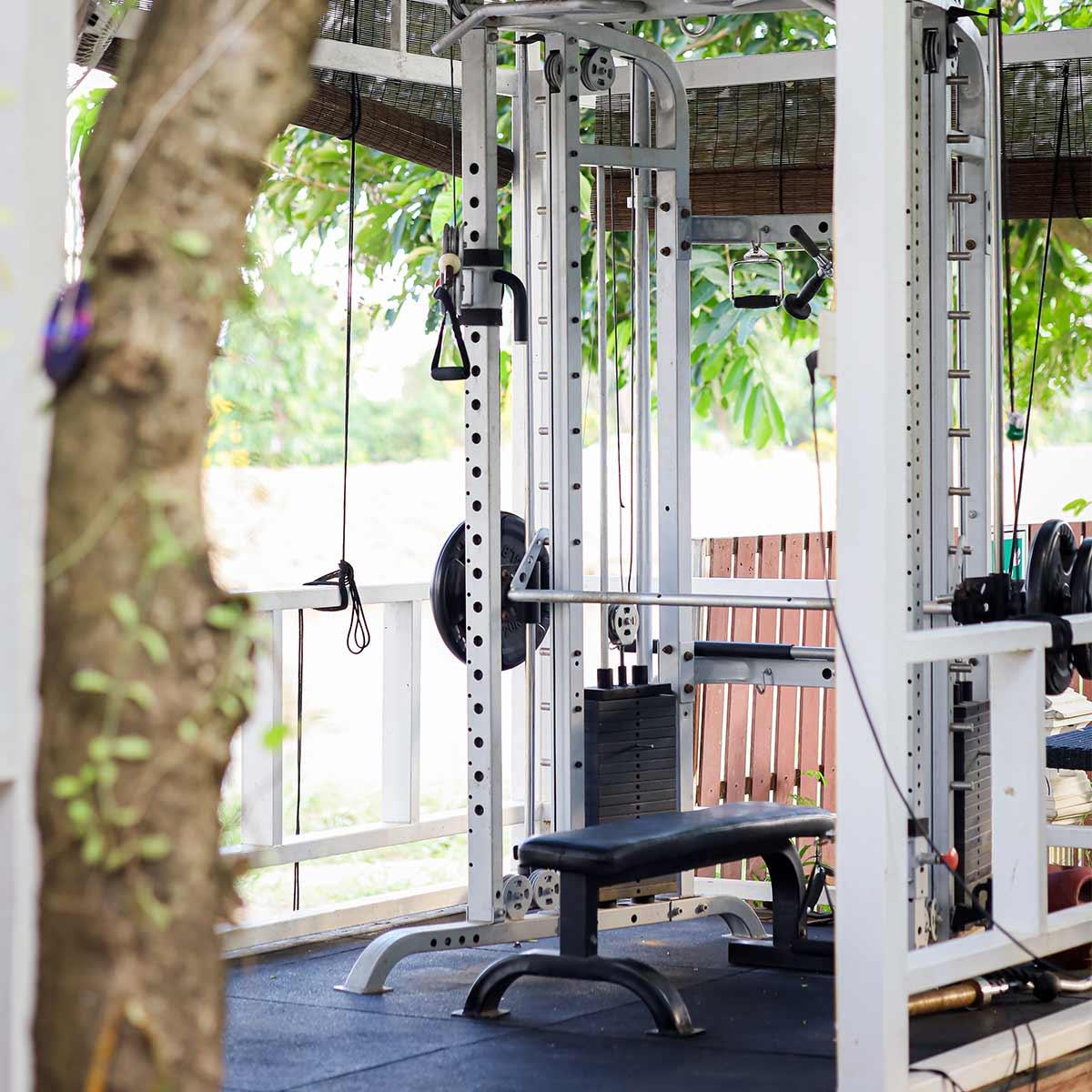
Physical health and structured movement are evidence-based components of addiction recovery. Addressing medical and physical health needs alongside substance use is a core condition for effective outcomes. Jintara's fitness and nutrition program supports physical recovery without turning the stay into a boot camp. You can expect:
- Gym or movement sessions two or three times a week in small groups, tailored to your energy and limits
- Other on site options such as walking, stretching, Thai boxing basics, and pool time
- Meals planned with balance in mind, with room for dietary needs such as halal, vegetarian, vegan, and allergies
- Clear guidance on caffeine, sugar, and device use in the evenings so sleep has a chance to reset
If you have specific health issues or fitness goals, the medical and nutrition teams weave them into your plan.



How Does Jintara Treat Trauma During Residential Care?
Trauma is clinically present in the majority of people seeking addiction treatment, and addressing it within the same residential program produces better outcomes than sequential or separate treatment. EMDRIA describes EMDR as an effective treatment endorsed by the WHO and APA. At Jintara, trauma work is integrated when clients are stabilised and ready.
Many people arrive with more than alcohol or drug use. There is often trauma, burnout, or memories that still feel very close. At Jintara, where unresolved trauma so often underlies the addiction, trauma work sits inside the main residential program, not off to the side, and eye movement therapy is one of the tools we use when it is safe and you are ready. What this looks like in practice:
- EMDR is led by Denise, an EMDRIA Certified Therapist and Approved Consultant-in-Training with the EMDR International Association, who leads three EMDR therapists for no more than ten clients.
- It never begins in early detox. You stabilise first. For longer stays, deeper trauma work usually sits later so there is enough runway to settle again before you go home.
- EMDR sits on top of a CBT program that treats trauma one-to-one, once you are stable. You still have regular one to ones, groups, and skills sessions. EMDR is one piece of a wider plan, not a stand alone fix.
- EMDR treatment will add an additional 4-6 hours of individual therapy to your program per week.
The goal of this trauma work is that memories feel less raw and you have practical ways to steady yourself when they get stirred up.

What Aftercare Support Does Jintara Provide?
Aftercare planning is a clinical requirement for sustained recovery, not an optional add-on. Ongoing case management and relapse prevention planning are essential components of a complete residential addiction treatment program.
At Jintara, aftercare planning begins in the first week, including how we prepare families for your return, and produces a written discharge plan before you leave that can include:
- Scheduled online sessions with your therapist or another clinician
- Introductions to trusted local providers or peer groups where possible
- A written plan that covers warning signs, support people, and practical steps if you struggle
- Clear guidance on medication, sleep, work boundaries, and travel
- Simple written notes you can share with doctors or therapists at home
- Check ins at agreed points after discharge
You leave knowing who you can contact, what support looks like, and what to do if you slip, rather than feeling like you are walking out into thin air.
Why Is Jintara Owner-Led and Small-Scale?
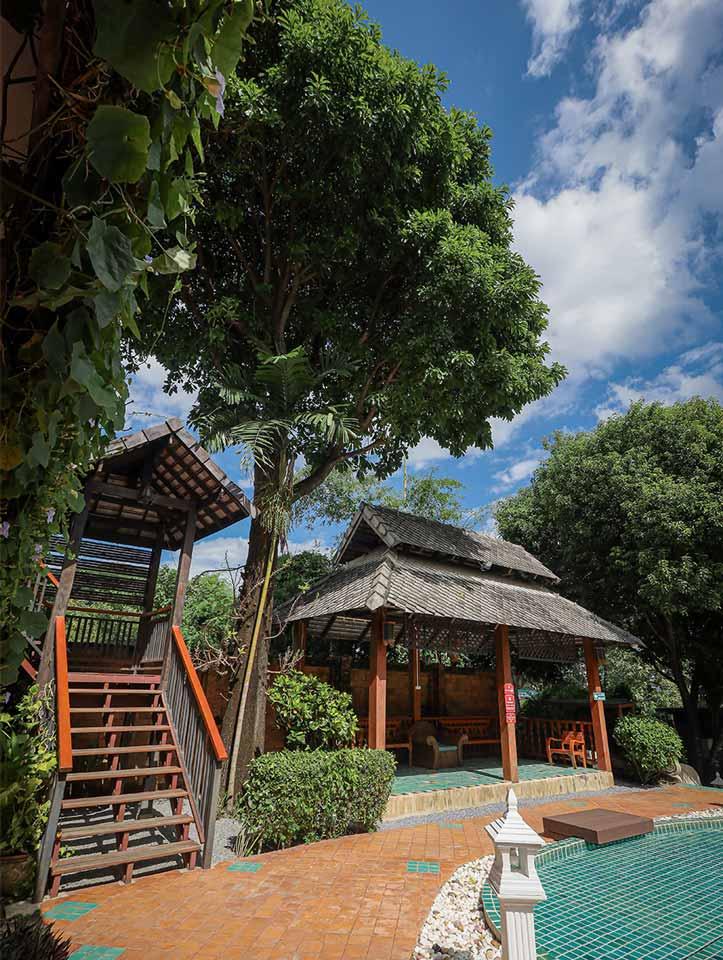
Small residential programs built around a small group of clients allow personalised care, consistent therapeutic relationships, and rapid clinical response when needs change. The owner of Jintara is directly involved in admissions to ensure clinical fit before any client books. Here is what makes the program different:
- A maximum of ten clients at a time, with about thirty two staff, so you are not overlooked or overwhelmed.
- Master's level therapists recruited internationally and based on site, not remote, with ongoing training in approaches like Smart Recovery and trauma care.
- Thai support workers and nurses with university degrees and major hospital backgrounds, trained to spot risk and keep the environment safe and steady.
- Owner-led intake that focuses on fit and honesty. If Jintara is not the right place, you are told that rather than pushed to book.
All of this means you are treated as a person the team knows well, not just a bed in a busy facility.
How Long Is the Program and How Do You Start?
Effective residential treatment duration varies by substance, use history, and co-occurring conditions, and should be determined by clinical assessment rather than calendar availability. Longer time in structured treatment is associated with better outcomes for most people, and why treatment duration matters is something the clinical team discusses directly with each client before setting a stay length. At Jintara, the most common stays run 30 to 90 days. When you speak with Admissions, they look at:
- Substances, doses, and length of use
- Previous treatment and hospital stays
- Mental health history and current symptoms
- Home environment, work pressure, and support systems
- Visa and travel factors
From there, they can suggest a safe length of stay and give honest advice about what Jintara can realistically do for you.

Talk with Our Admissions Team
Your enquiry is confidential and goes only to our admissions team.
Program FAQ
Common Questions About Jintara's Rehab Program
Below you'll find the main questions our Admissions team are asked about how the Jintara program runs and the support you can expect before, during, and after your stay with us in Thailand.
How structured is the day to day program?
The program is very structured without feeling rigid. Each day has a clear outline including medical checks, therapy, skills work, movement, and rest. You know in advance when groups happen, when you see your therapist, and when you are free. This predictability helps lower anxiety and stops overthinking about what comes next.
At the same time, the team adjusts the pace if detox is harder than expected or more one-to-one support is needed. You are not marched through a schedule that ignores what your body and mind are doing.
Do you treat anxiety, depression, or trauma as well as addiction?
Yes. Many clients arrive with anxiety, depression, trauma, or burnout intertwined with substance use. The program is set up as dual diagnosis, meaning co-occurring mental health work is part of the plan from the start rather than a side issue.
Clients have access to clinicians experienced in addiction and mental health, and to trauma-focused methods such as EMDR when safe and appropriate. Medication reviews, sleep support, and practical skills for mood and stress are woven into the week, not bolted on at the end.
What if I am scared of detox or have tried to stop before?
That is very common. Many people come after a tough attempt to stop on their own or a frightening hospital stay. At our rehab, detox is supervised by nurses and doctors, with clear protocols for alcohol, opioids, and benzodiazepines.
Tests and checks happen early so the team understands your health picture before changing medications. Nurses are awake on site all night and watch symptoms closely. If at any point you need more intensive care, there are defined hospital pathways. You are not asked to just tough it out.
Will I have time for work or business while I am in the program?
Some clients need to keep a light touch on their work or business. In general, the first phase of your stay is focused on medical safety and stabilisation, so work is kept to a minimum.
As you settle, it may be possible to schedule short, planned check-ins that do not interfere with core groups or sleep, especially for people in senior roles. The team will be honest about what is realistic. The priority is your health, since trying to run a full workload from rehab often backfires for everyone.
Can family be involved in my treatment?
While you are with us, the focus is on you and your recovery. The team understands that family will want to understand how you are doing and how they can be supportive.
With your approval, they can be updated periodically and given guidance on how to support you and prepare for your return home. For transparency, they do not offer any couples or family counselling or resolve any family conflicts or internal issues.
How long should I stay and what happens if I need more time?
The standard program is 30 days, but most people benefit from 30 to 60 days depending on the substance, how long they have been using, and whether there are mental health issues alongside the addiction. Detox alone can take one to two weeks before meaningful therapy begins.
If more time is needed, the clinical team will discuss this with you openly. Fees are always in 30-day blocks so you are never paying far in advance. There is no pressure to extend, and no penalty for leaving on schedule. The goal is an honest recommendation based on where you are clinically.
What aftercare support do I get when I leave?
Before discharge, the clinical team prepares a written aftercare plan covering ongoing therapy recommendations, medication guidance, relapse prevention strategies, and lifestyle adjustments. This document is designed to be handed to your local therapist, psychiatrist, or GP so they can continue your care without starting from scratch.
The team also helps identify suitable professionals in your home country where possible. Aftercare is not an add-on charged separately, and for most people it means stepping down to outpatient support after residential treatment rather than stopping care altogether. It is part of the program from the first week, because planning for life after rehab is as important as what happens inside it.
Is the program based on the 12 steps?
No. The program uses evidence-based clinical methods including mental health treatment using cognitive behavioural therapy (CBT), SMART Recovery (a self-management skills program delivered in group format as an evidence-based alternative to 12-step meetings), dialectical behaviour therapy (DBT, a skills-based therapy that builds emotional regulation and distress tolerance), EMDR, and motivational interviewing. These are supported by international research and recommended by bodies such as NICE and the APA.
Clients are not required to follow any step-based framework, attend external meetings, or adopt a particular belief system. The focus is on building practical skills, understanding triggers, and developing a personal recovery plan that works for your life after rehab.
What if I cannot take eight to twelve weeks off?
The standard program is 30 days, and most clients book 30 to 60 days based on what is clinically appropriate. Eight to twelve weeks sits at the upper end, recommended for severe addiction, complex trauma, or repeated relapse. It is not the entry point. Many high-functioning adults complete the 30-day program and continue therapy from home using the written aftercare plan.
If even 30 days feels impossible, talk to Admissions. The team will be honest about what is realistic. Sometimes a short residential stay paired with structured outpatient at home is the right call. The team has helped many executives and business owners shape a plan that works around the realities of their job and family.
Why residential rehab in Thailand instead of closer to home?
Thailand allows a level of care that is hard to find at the same cost in many home countries. A small adult-only program, on-site medical detox, master's-level therapists from the UK and Australia, awake nurses every night, and structured aftercare planning, all within a single residential fee. The same combination in Australia, the UK, or North America usually costs significantly more.
Distance also helps clinically. Coming to Chiang Mai removes you from the people, places, and routines tied to use. It gives you the space to focus, and creates a clear before-and-after marker for recovery. Travel is straightforward via Bangkok, and Admissions handles airport pickup and visa guidance before you arrive.
Is Jintara's program held to an independent clinical standard?
Yes. Jintara is jointly accredited by three national bodies that certify Thailand's standard for drug treatment and rehabilitation facilities: the Healthcare Accreditation Institute (which accredits Thailand's hospitals), the Princess Mother National Institute on Drug Abuse Treatment, and the Department of Medical Services, Ministry of Public Health. Certificate number 25/2569, valid 20 May 2026 to 19 May 2029.
The accreditors assessed the clinical protocols, staffing, medication handling, nursing documentation, and hospital escalation pathways that operate inside the program, not just a facility overview. That means an independent national authority has already verified that what the program says it does is in place.
What does accreditation mean for someone going through the program?
For a client going through detox and therapy, accreditation means the nursing protocols, monitoring processes, and medication handling were assessed against Thailand's national standard for drug treatment and rehabilitation facilities, not taken at face value. If the team says withdrawals are monitored through the night with documented observations, that was independently verified.
For a family choosing from overseas, it transfers the burden of due diligence. Rather than relying on a rehab's own description of itself, a national authority that judges hospitals has already carried out the independent inspection and confirmed the clinical standard is met.
Accreditation certificate
Jintara is accredited against Thailand’s national quality standard for drug treatment and rehabilitation facilities, jointly certified by the Healthcare Accreditation Institute, the body that accredits Thailand’s hospitals, with the Princess Mother National Institute on Drug Abuse Treatment and the Department of Medical Services, Ministry of Public Health. Certificate no. 25/2569, valid 20 May 2026 to 19 May 2029. To check it, ask us for a copy of the certificate, or confirm it by facility name with the Princess Mother National Institute on Drug Abuse Treatment or the Department of Medical Services.