
What Does Admission at Jintara Look Like?
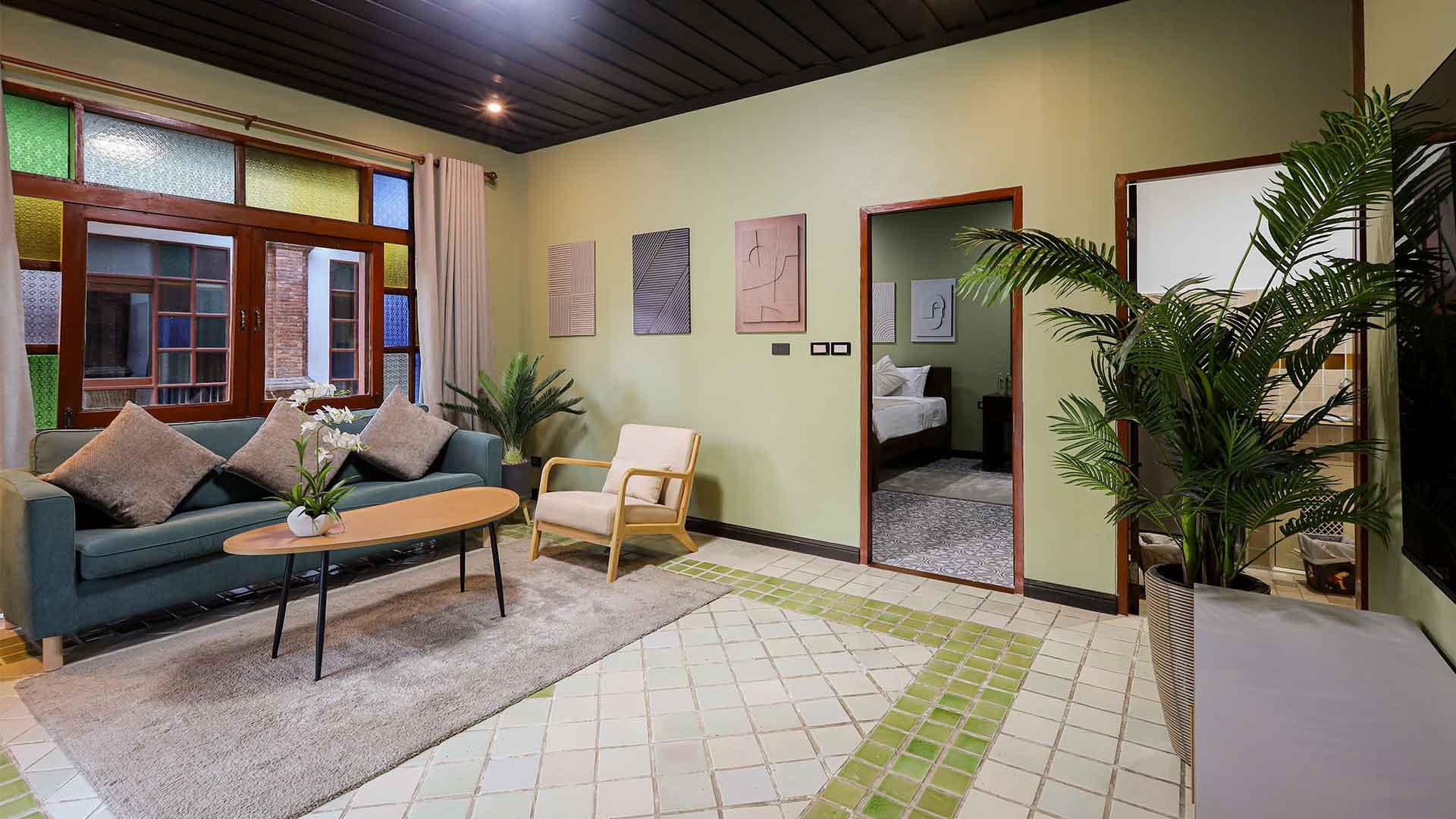
Admission at Jintara Rehab is designed to feel calm, private, and medically safe from the first contact. We care for about 10 adults at a time, each in a private suite on a quiet riverside property in Chiang Mai, and every enquiry is kept private and confidential from that first call onward. If detox is needed, it happens on site with psychiatrist oversight, 24/7 awake nursing, and a medical team whose protocols are independently assessed against Thailand's hospital-grade national standard.
- Your first call is with our owner, not a call centre
- Every conversation is confidential with no pressure
- A clear path from your worry today to your first night of safe care
Fully Licensed and Hospital Accredited
How Does the Jintara Admissions Process Work From First Contact to Arrival.
Residential treatment placement requires a structured pre-admission assessment to confirm clinical safety and program fit. SAMHSA's National Helpline connects people to treatment services and recommends that clinical readiness, including substance use history and medical background, is reviewed before any admission is confirmed.
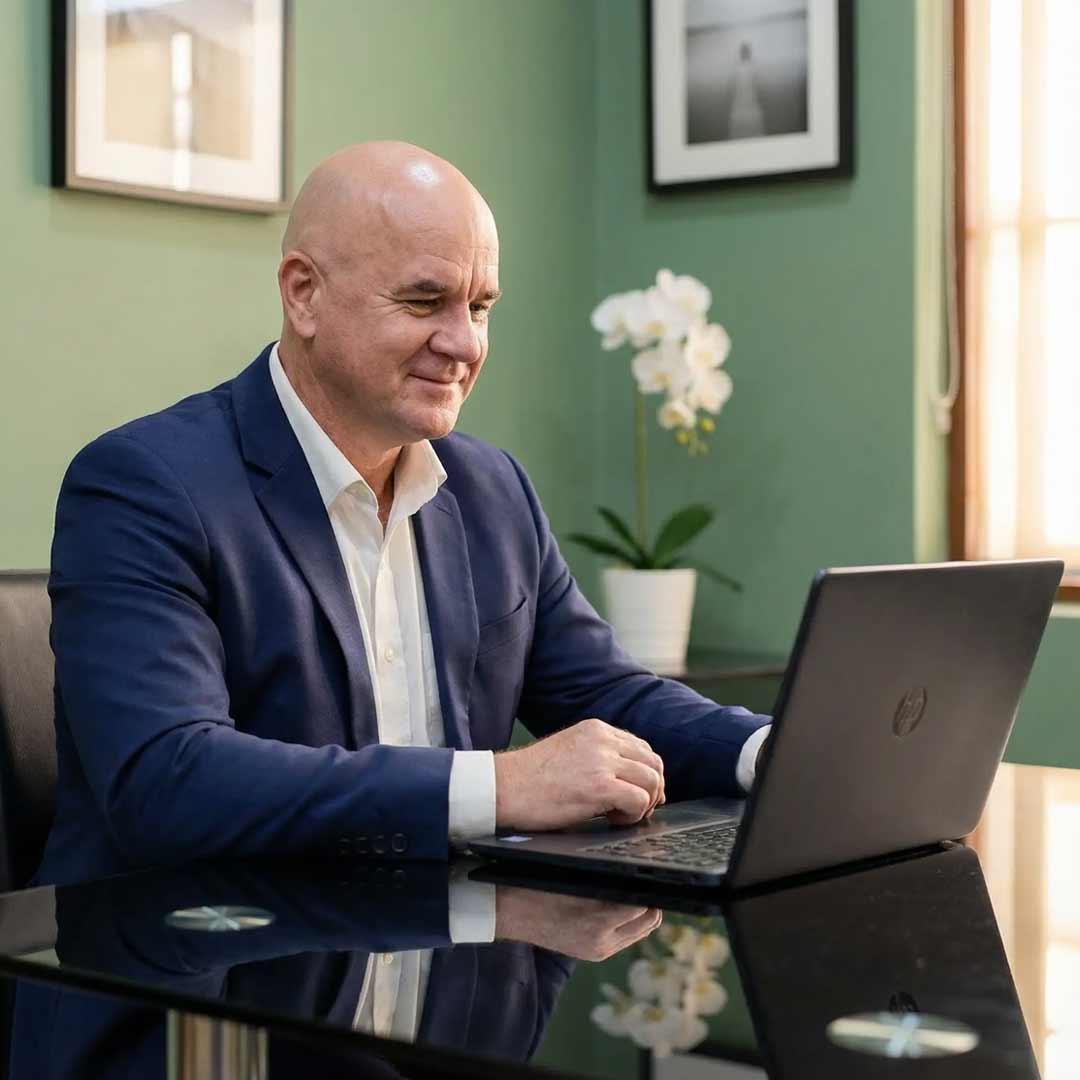
Jintara completes this assessment during a confidential call with the owner and confirms admission within 24 to 48 hours for most clients. Jintara treats many senior professionals and executives, and a private conversation is the best way to understand how stress and substance use develop in professional settings before any commitment is made. The red flags when choosing a rehab set out what an unaccountable facility looks like, for anyone comparing options first. Here is what to expect at each stage.
- Step 1. Confidential Enquiry (Day 0): Send a message via WhatsApp, email, or call us. Our owner, not a salesperson, will reply, usually straightaway. We start with a calm, confidential conversation about your needs, including practical questions like job security during treatment that many working professionals raise first. Clients arriving with cocaine dependence behind professional success usually open with the same question.
- Step 2. Clinical Safety Check (Day 0-1): We review your substance use and medical history to ensure we are the safe choice for you. Relatives arranging an admission on someone else's behalf have their own step-by-step guide. You are welcome to include a partner, family member, or your doctor in this discussion.
- Step 3. Plan and Deposit (Day 1-2): We confirm your admission date and program length (typically a 30-day foundation, though 28 days is often not enough for most presentations). We explain exactly what is included in the fee. You pay a deposit to secure your private room, and when a family member is covering the cost the payer and the client stay separate records.
- Step 4. Travel Support (Day 1-5+): We help you select the best flights to Chiang Mai and answer any visa questions, and there is a fuller account of what American clients need before they fly plus the same walk-through for clients flying from Canada. We send you a clear list of what to pack so you feel prepared.
- Step 5. Arrival and Care (Day 1 on site): A nurse and a support worker meet you inside the arrivals hall, not a driver. The nurse is reading how you are from the moment you meet, and anyone who presents at real risk goes straight to hospital rather than to the centre. At the centre, we check your vitals and screen for substances. If you need detox, the medical protocol starts immediately with our 24/7 nursing team.
There is no hard sell at any stage. Clients with complex presentations including xylazine-fentanyl cases are reviewed individually at the admissions stage to confirm whether the wound status and clinical profile are appropriate for residential admission before a date is set, and pregnancy addiction treatment is reviewed the same way rather than ruled out by policy. If Jintara is not the right fit, we will tell you honestly and help you find a better option.

What Should You Pack for a 30-Day Residential Program in Thailand.
Packing for residential rehabilitation is straightforward with the right guidance. Bring current medications in original labelled containers, medical records, and personal identification as a minimum for safe clinical intake. That intake sits inside the biomedical and psychosocial evaluation SAMHSA's TIP 45 chapter on psychosocial and biomedical issues during detoxification sets out. Jintara sends a personalised packing list once your admission date is confirmed, covering exactly what to bring and what to leave at home.
You do not need special clothes or equipment. Focus on comfort, safety, and the few key items that help the team look after you properly. Below we break packing into four simple categories so nothing gets missed.
- Essential documents: Passport, travel insurance, flight details, emergency contacts, and any medical records. Keep these in your carry-on bag.
- Medications and health items: All current prescriptions in original packaging, a written medication list, glasses or contact lenses, and any dental retainers.
- Clothing and personal items: Light, modest clothes for warm weather, exercise gear, a thin jacket for air-conditioned areas, basic toiletries, and a few comfort items.
- Things you can buy here: Chiang Mai has modern malls, pharmacies, and supermarkets. Anything you forget can be picked up within a short drive of the centre.
We provide bedding, towels, and regular laundry. If you are unsure about anything, get in touch with the Admissions team before you fly.
What Documents Do You Need to Bring for Admission at Jintara.
Clinical intake at a residential rehab requires complete documentation to assess withdrawal risk and co-occurring conditions from the first hour. SAMHSA's treatment guidance states that discharge letters, recent laboratory results, and a complete medication list allow nursing staff to begin clinical planning immediately on arrival. At Jintara, the admissions team can guide you on what to prioritise if any records are unavailable.
We will keep your passport and any valuables secure in a safe during your stay. US clients who intend to claim after treatment should also read what insurance documentation US clients need before they travel, because the ICD-10 coded package is requested at discharge rather than assembled afterwards. You only need a small amount of cash for the journey itself.
- Passport: Valid for at least six months from your travel date. We keep it secure during your stay and return it when you leave.
- Travel insurance: A printed or digital copy along with your flight itinerary. Make sure your policy covers medical treatment abroad.
- Emergency contacts: Written contact details for family members, your home doctor, and anyone you want us to be able to reach if needed.
- Medical records: Digital or printed copies of recent lab results, hospital discharge letters, or psychiatric notes. These help our medical team plan your care from day one.
- Payment method: A bank card or credit card for incidentals. Do not bring large amounts of cash. We have a safe for valuables and you only need a small amount for arrival.
- Invitation letter: If your visa application needs supporting paperwork from the treatment provider, ask Admissions before you fly. We issue an invitation letter and the accompanying documentation for Thai embassies and consulates.
If you are missing any documents, let the Admissions team know before you fly. We can often work around what you have and collect the rest later.




What Medication and Health Information Does Jintara Need Before You Arrive.
Accurate medication disclosure before admission is essential for psychiatrist-supervised detox planning. SAMHSA's residential detox guidelines recommend that all current prescriptions are disclosed in full before arrival, as undisclosed medications can interact with withdrawal management protocols. Anticonvulsants such as gabapentin carry their own withdrawal profile and change the taper sequence if not disclosed before arrival. At Jintara, the psychiatrist at Bangkok Hospital Chiang Mai reviews your complete medication history on arrival and adjusts your regime only with your knowledge and consent.
If you are unsure whether to bring something, ask the Admissions team. It is better to over-pack medication than to arrive without something you need.
- Prescriptions: All current medications in their original labelled containers. Do not repackage pills into daily organisers for travel.
- Medication list: A written list with drug names, doses, frequency, and your prescribing doctor's name. This saves time during your medical intake.
- Vision and dental: Glasses, spare contact lenses, lens solution, and any dental retainers or night guards you use regularly.
- Prohibited items: No loose pills, non-prescribed medication, or vapes. Vaping is illegal in Thailand and devices will be confiscated at customs.
- Supplements: Only new, unopened containers. Thai customs may question open supplement bottles, and our medical team needs to verify contents.
The psychiatrist at our partner hospital reviews your full medication history on arrival and adjusts your regime if needed. Nothing changes without your knowledge and consent.
What Clothing and Personal Items Should You Bring to Rehab in Thailand.
Appropriate clothing for residential treatment supports physical comfort and helps clients transition into a structured therapeutic environment. NIDA's treatment overview describes residential programs as extended care lasting a few weeks to a few months, with counselling, medications, and referrals to continuing care. At Jintara in Chiang Mai, the tropical climate means light breathable clothing is the practical choice year-round, with one thin layer for air-conditioned therapy rooms.
We provide bedding, towels, and laundry service, so you do not need to overpack. Most clients find that a week's worth of clothes is plenty.
- Daily clothes: Light t-shirts and shorts or long pants. Shirts are required outside pool areas out of respect for other clients and staff.
- Exercise gear: Sneakers or trainers and gym clothes. The program includes daily movement sessions, gym time, and optional yoga.
- Swimwear: Modest swimwear for the pool. The pool area is shared and we ask clients to be respectful of others.
- Light layer: A thin jacket, hoodie, or jumper for cool mornings, evening breezes, and air-conditioned therapy rooms.
- Toiletries: Toothbrush, toothpaste, deodorant, sunscreen, and any personal care items you prefer. Basic supplies are available locally if you forget anything.
- Comfort items: Books, journals, photos, a computer or tablet. These can help during downtime. Your therapist may suggest limiting screen time during certain hours.
Do not worry about packing perfectly. If you arrive and realise you need something, Chiang Mai has everything from international pharmacies to modern shopping malls within a short drive.

How Easy Is It to Find Everyday Essentials Near Jintara in Chiang Mai.
Chiang Mai is one of Thailand's most internationally connected cities, with modern retail infrastructure meeting most Western consumer needs within a short drive. NIAAA's treatment navigator emphasises that reducing pre-admission logistical concerns supports better engagement with residential treatment from the first day. International pharmacies, major supermarkets, and shopping centres are all within 20 minutes of Jintara, so nothing forgotten at home becomes a barrier to care.
During weekend outings, clients often visit local malls or markets. Staff can also help you order items online for next-day delivery if you prefer not to leave the centre.
- Major malls: Central Festival, Central Airport Plaza, and MAYA Lifestyle Shopping Center are all within 20 minutes of Jintara. They carry international clothing, electronics, and personal care brands.
- Supermarkets: Rimping (quality imports), Tops, Lotus, Makro, and Big C stock everything from Western food brands to toiletries and household items.
- Pharmacies: Boots and Watsons carry familiar products at reasonable prices. Local pharmacies often stock prescription items that require a prescription at home.
- Convenience stores: 7-Eleven and Family Mart are on almost every street. They stock snacks, drinks, basic toiletries, phone chargers, and SIM cards.
Thailand is an affordable country and most everyday items cost less than in Western countries. If you need something specific, the Admissions team can check availability before you fly.


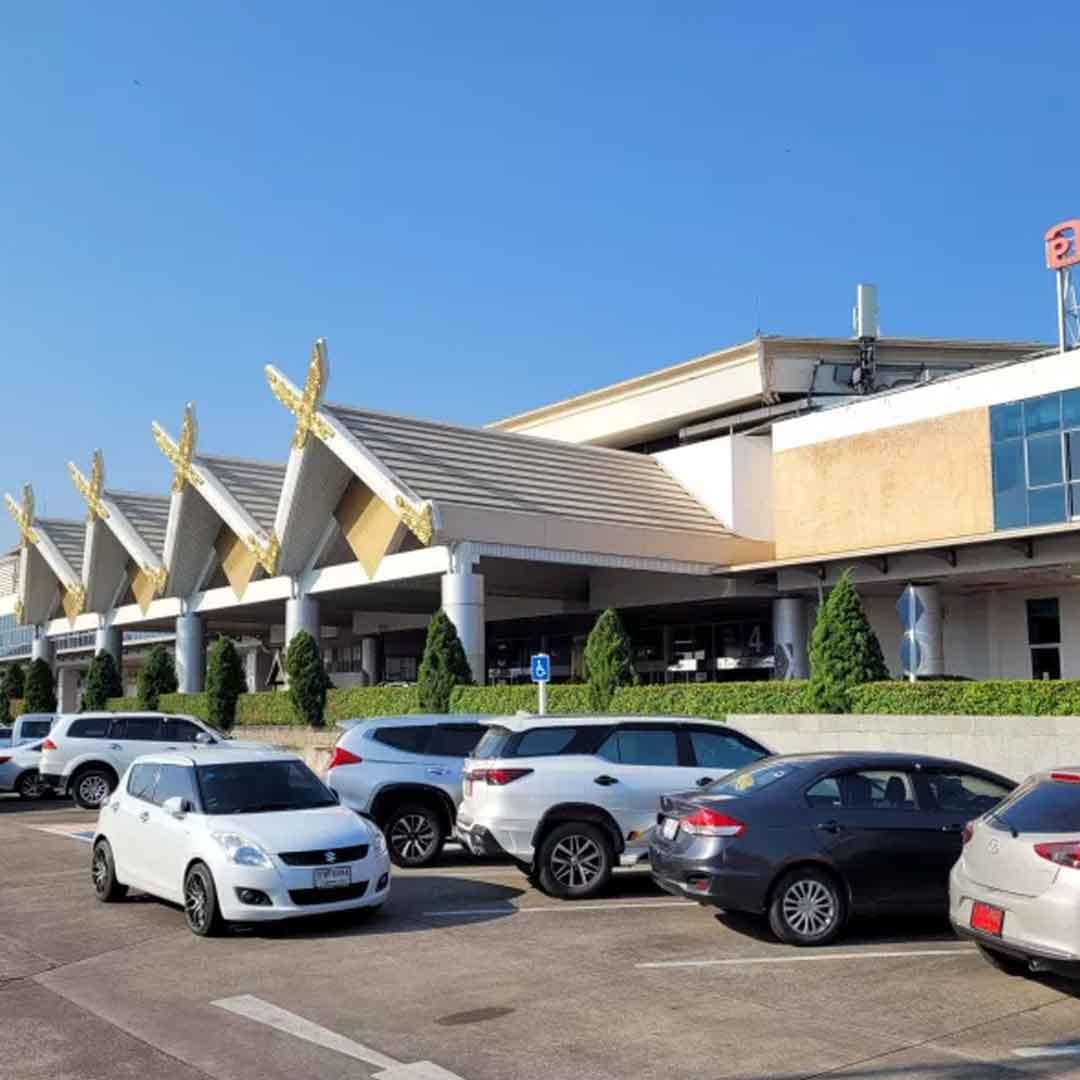
How Does Jintara Arrange Travel and Private Airport Pickup.
Private airport transfer is a standard element of residential addiction treatment intake, designed to reduce travel-related stress during the final stage before care begins. Clear pickup arrangements are one of the most practical barriers to address. Jintara arranges private, unbranded transfers from Chiang Mai Airport for every client.
We work with Australians travelling to Thailand for treatment throughout the intake and travel process, from first call to airport pickup. Australia is our largest source of clients and the admissions team is familiar with Australian flight routes, visa requirements, the ATO compassionate-grounds release many Australians use to fund treatment, and the specific questions Australian families ask. Flights from New Zealand connect through Bangkok, so New Zealanders travelling for treatment plan for one stopover and around 16 to 18 hours in transit. Whichever country you fly from, the same admissions team handles the flight questions and the arrival arrangements.
Clients from Asia and Southeast Asia follow the same arrival process, with flight connections from Singapore, Hong Kong, and Kuala Lumpur typically landing within three to four hours.
Our admissions team will talk you through the best flight options, answer visa questions, and make sure someone is waiting for you the moment you land. Australians can work through the flights, the entry stamp and the airport pickup in order before that call.
- Private, discreet pickup: A Jintara staff member meets you at Chiang Mai Airport (CNX) at the arrival gate. The car is unbranded, and no one at the airport will know you are going to rehab.
- Short transfer time: The drive to Jintara usually takes 20 to 30 minutes. You do not share the car with anyone outside your own party, so you can decompress after the flight.
- Help with flights: Admissions can talk through flight options, layover connections, and arrival times so your travel day feels manageable. Most clients fly via Bangkok (BKK or DMK) with a short domestic connection.
- Visa guidance: Many visitors can enter Thailand without a visa for a set period. Others need to apply before flying. We explain common options based on your passport and you confirm with your local Thai embassy or consulate.
If you are nervous about travelling alone, that is normal. Many of our clients felt the same way. The team will stay in touch by WhatsApp throughout your journey so you never feel stranded.
What Happens on Your First Day at Jintara.
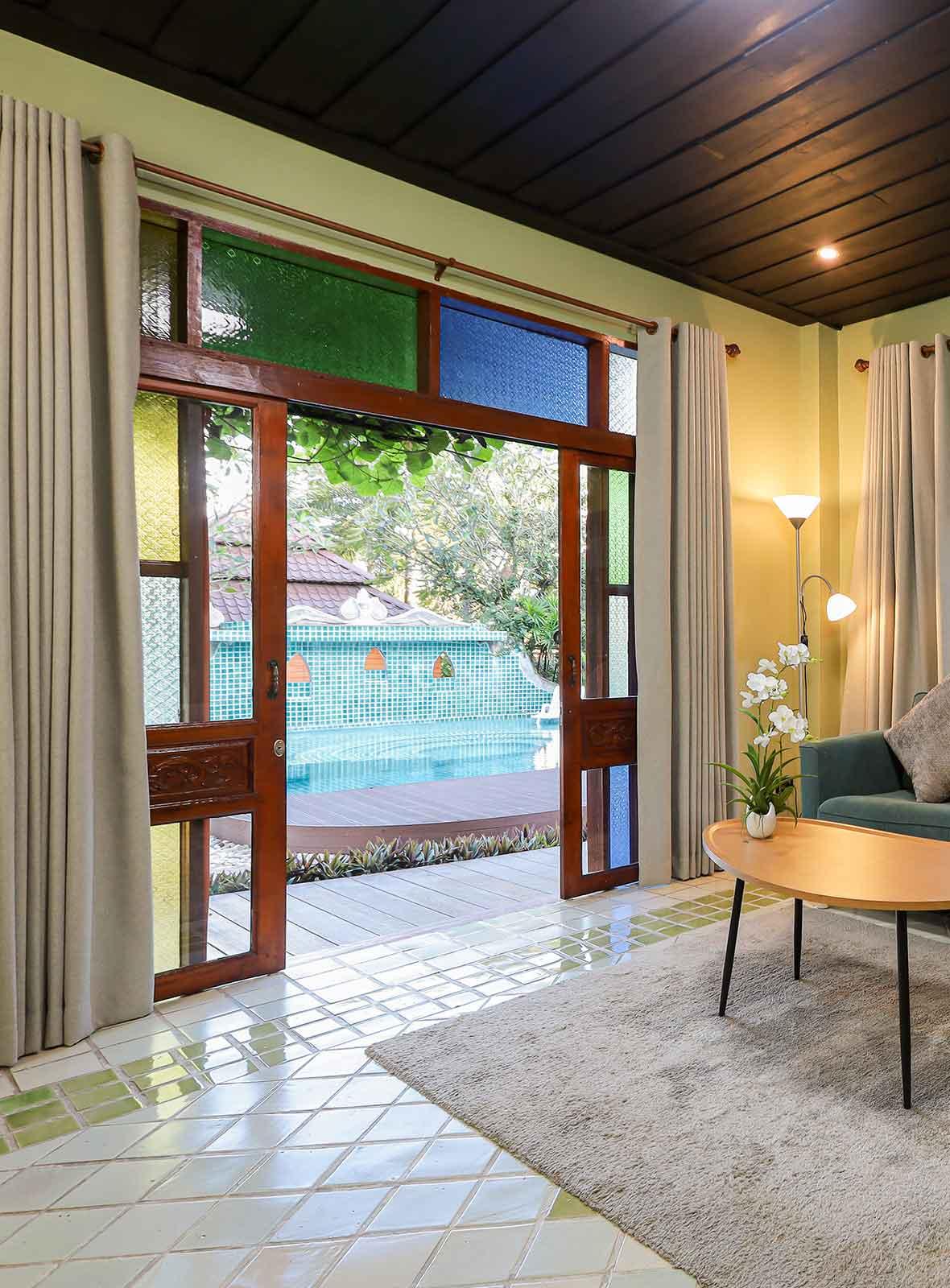
On the first day of residential treatment, clinical teams prioritise medical screening and orientation before any therapy begins. SAMHSA's TIP 45 identifies physical safety assessment, vital signs, and urine drug screening as the required first steps in residential admission. Day one is also where the record starts, because what outcomes Jintara tracks is set against goals agreed with you in that first week of the stay. At Jintara, arrival includes bag checks, vital signs, consent forms reviewed in plain English, and a full centre tour before you settle into your private room.
There is no pressure to start therapy on day one. We want you to feel safe, rested, and oriented before any clinical work begins, which is also why arrival logistics for New Zealand clients are planned around a daytime landing.
- Arrival and welcome: You are greeted by our nursing team with water or tea. We help with your bags and show you to your private room so you can settle in.
- Bag and safety checks: We check your bags so no drugs or alcohol enter the centre. This is for your protection and the safety of other clients. We explain the process before we begin.
- Vital signs and screening: We take your blood pressure, pulse, temperature, and weight. A urine drug screen tells us what is in your system so we know any potential risks.
- Consent and privacy: We review the consent forms with you in plain English. You choose exactly who we can talk to, whether that is a partner, parent, doctor, or no one at all.
- House rules and tour: We walk you through the main rules, including smoking areas, meal times, and internet access. Then we show you the dining area, pool, gym, therapy rooms, and the nurse station.
By the end of your first day, you will know your way around the centre, have met the nursing team, and have a quiet room to rest in. Most clients say the hardest part was getting on the plane.
What Should You Expect in Your First 48 Hours at Jintara.
The first 48 hours of residential admission are the highest-risk window for withdrawal complications and the most important period for clinical baseline assessment. SAMHSA's TIP 45 recommends continuous nursing monitoring and a full medical workup within the first 72 hours of residential detox. At Jintara, nursing checks run hourly during the first 72 hours, and the hospital health check at Bangkok Hospital Chiang Mai generally happens on day two, a cost the program fee covers without a separate bill. The exception is a client whose withdrawal is too severe to leave the facility safely, and that check happens as soon as they are well enough.
Detox is also when the family member carrying doubt about the choice they made needs the most certainty. Jintara's protocols, medication handling, and around-the-clock nursing have been independently assessed against Thailand's hospital-grade national standard and met it, confirmed by the same institute that accredits Thailand's hospitals. Certificate no. 25/2569. The proof is checkable, not just claimable.
Most people notice that shakes or anxiety begin to ease within the first few days. The combination of medical support, routine, and a calm environment helps your body start to settle.
- First night and detox (Day 0 to 1): The nurse records your medications and the partner hospital conducts a psychiatric assessment of your mental health and medication history. If you need detox for alcohol, stimulants, or other drugs, including clients with ice and methamphetamine addiction or opioid dependence, the plan starts immediately. For clients managing opioid dependence, the opioid withdrawal phases page explains what COWS-guided nursing monitors from the first hours through the peak phase. A nurse is awake all night.
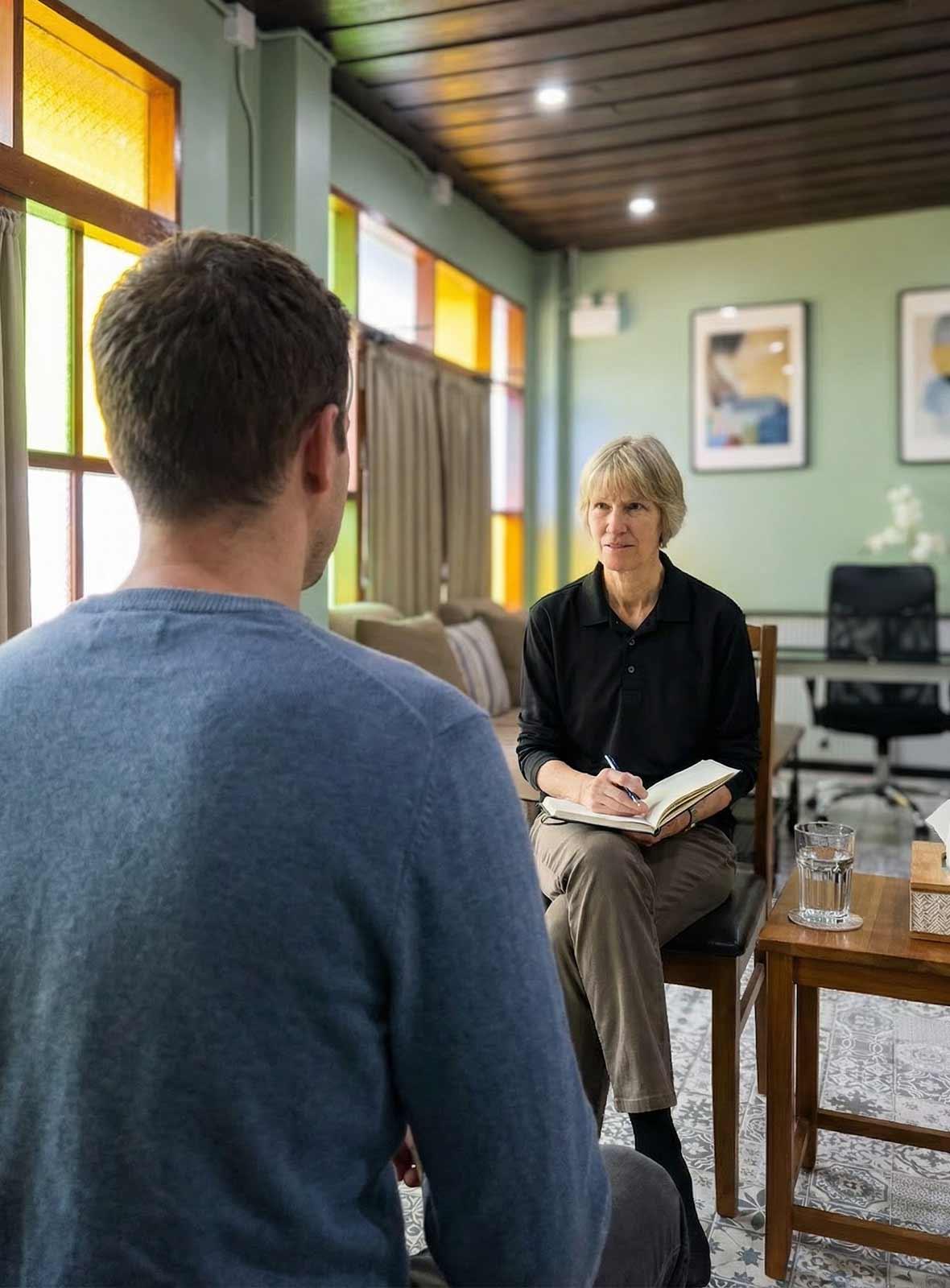
- Day 1, settling in: Morning health check with the nursing team. You meet your focal therapist to talk about your goals and what brought you here. If you feel well enough, you can join a gentle group session.
- Day 2, medical tests: The hospital health check generally happens on day two at the nearby Bangkok Hospital, paid for by Jintara. Tests usually include blood work, comprehensive labs, liver and kidney function, and an EKG for your heart if needed.
- Results and treatment plan: Your medical results come back quickly and are reviewed by the psychiatrist and your therapist. This gives the team a complete picture to guide your treatment plan going forward.
By the end of day two, you will have a clear medical picture, a therapist who knows your story, and the beginnings of a daily routine that balances treatment, rest, and recovery.
How Do You Begin Your Recovery Journey at Jintara.
Beginning residential treatment starts with a structured pre-admission conversation to confirm clinical fit, substance use history, and readiness for change. NIAAA's treatment navigator recommends that all residential admissions begin with a direct conversation covering addiction history and medical conditions before placement is confirmed. At Jintara, your first call is with the owner, who reviews your history, answers questions about the drug rehab program, and confirms whether residential care is the right next step.
To make the most of the conversation, it helps to have a few things ready. But if you do not have everything, that is fine. We can work with what you know.
- Medications: A list of current medications, doses, and any known allergies. If you are on psychiatric medication, include the prescribing doctor's name.
- Medical records: Notes on recent hospital stays, diagnoses, blood work, or test results. Even informal notes help us prepare for your arrival.
- Travel documents: Your passport details and an idea of when you could travel. We can help with flight options once we know your preferred dates.
- Treatment history: Past treatment services, outpatient programs, or previous rehab stays, including any experience with leaving rehab early. This helps us understand what has worked before and what has not.
- Questions for us: Write down anything you want to ask. There is no such thing as a silly question when it comes to your care or your family's concerns.
There is no obligation to commit. The goal is to give you clear information so you can decide what feels right for you and your family. We respect your privacy and keep your information confidential.
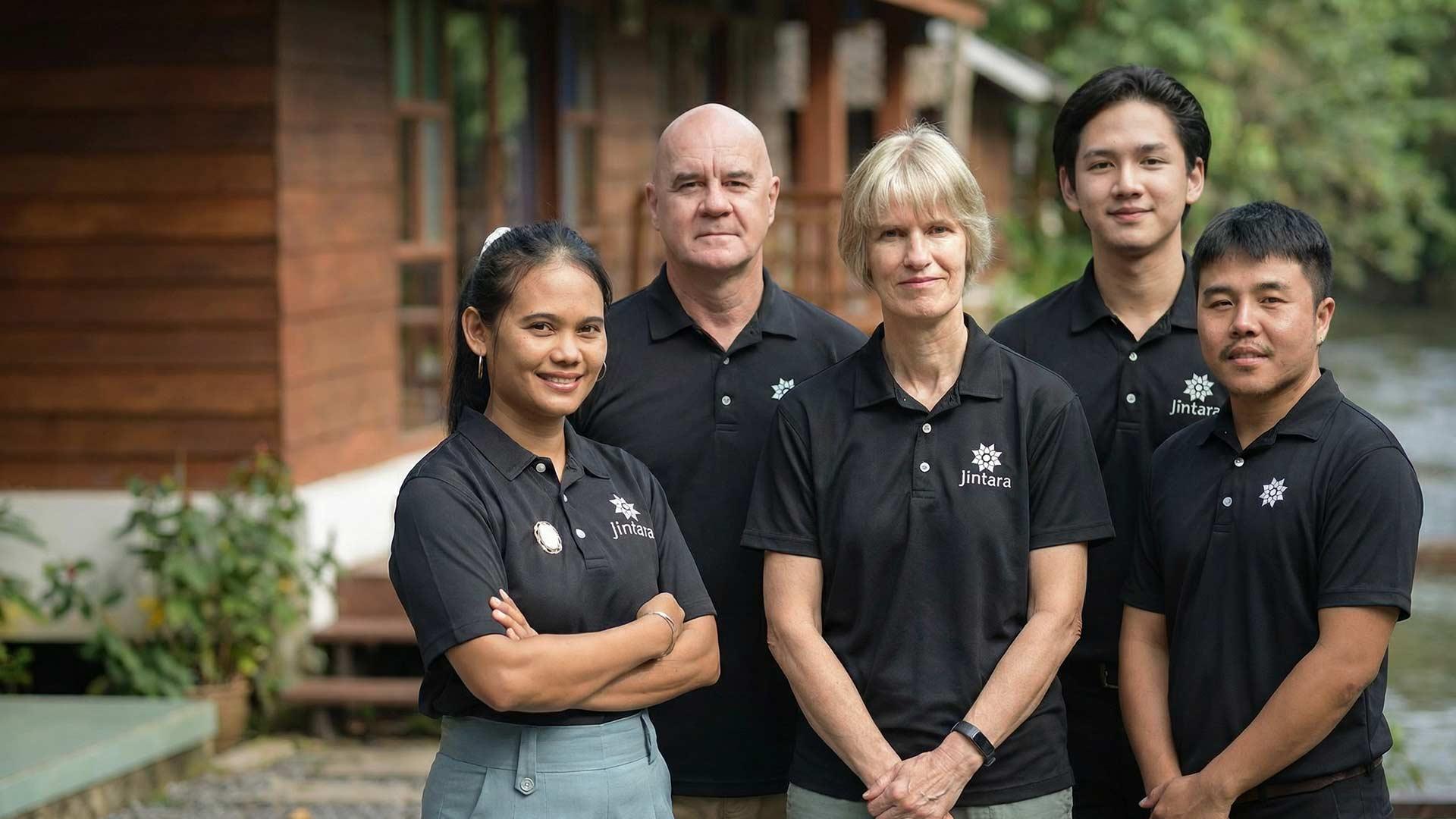

Talk with Our Admissions Team
Your enquiry is confidential and goes only to our admissions team.
Admissions FAQ
Common Questions About Admissions to Rehab in Thailand
Below you will find the main questions our Admissions team are asked about the intake process, travel, and what to expect when you arrive at Jintara.
Most people move from their first call to arrival within a few days. It depends on room availability (we care for about 10 clients at a time), your travel logistics, and whether any pre-arrival medical steps are needed. The personalised program design process begins the moment your admission is confirmed.
If the situation is urgent, we do our best to fast-track the process. In some cases, clients have arrived within 48 hours of their first call. The admissions team stays in contact throughout so you know exactly where things stand.
Yes, you can bring your phone and laptop. Your therapist may recommend limiting screen time to certain hours so that it does not interfere with the therapeutic process, but we do not confiscate devices.
Most clients find that reducing screen time actually helps them focus on recovery. You will have Wi-Fi access in your room and common areas, and there are scheduled windows for work calls if you need them.
Yes. All detox happens on site under psychiatrist oversight with 24/7 awake nursing. We have a full medical setup and Bangkok Hospital is nearby for anything that requires specialist care.
Your safety is the first priority before any therapy begins. In the majority of cases you have a full hospital workup on day two, including blood work, liver and kidney function, and an EKG if needed, so the medical team has a complete picture before treatment planning starts. If your withdrawal symptoms are too severe for you to leave the facility safely, the workup happens as soon as you are well enough. Details on licensing, screening tools, and escalation are in our clinical governance document.
Yes. Many of our clients arrive with co-occurring conditions such as anxiety, depression, or PTSD, including people managing antidepressants alongside alcohol use that the psychiatrist reviews before the detox protocol is set. Our therapists use evidence-based approaches including CBT and EMDR, and the partner hospital psychiatrist manages medication when needed.
This is called dual diagnosis care, and it is central to how Jintara works. Treating the substance use without addressing the underlying mental health issues is one of the main reasons people relapse after leaving other programs. Jintara's mental health program sits at the centre of the treatment plan. Clients who present with gambling, sex addiction, or compulsive shopping alongside substance use are assessed for these as a secondary behavioural condition during the clinical intake review.
Only with your written consent. During intake you decide who we can communicate with. With your approval, family can receive updates and join a structured call or meeting guided by your therapist, so they understand how to support your recovery.
Some families want daily updates, others prefer to step back and let the process work. Family members who want to understand the process before their loved one arrives can find more detail on our family support page. Your therapist will guide you on what level of contact tends to support recovery best, based on your specific situation.
We will tell you honestly. If your needs fall outside what we can safely provide, which is set out in what we do and do not treat, or if the difference between inpatient and outpatient care points to a different setting than ours, we will help you find a more suitable facility. Our priority is your safety, not filling a bed.
The about page explains what types of clients do well here and what conditions we are not set up to treat. Being upfront about fit means the people who do come through the door are more likely to succeed.
Chiang Mai, Thailand offers a calm, affordable environment far from the triggers of home. Jintara sits on a quiet riverside property surrounded by nature, which helps clients focus entirely on getting well without the distractions of daily life.
The city has excellent hospitals, modern shopping, and a welcoming culture that makes the transition easier than many people expect. Most clients say they felt safe and comfortable within the first day or two of arriving.
A partner hospital psychiatrist oversees every detox from day one, and we have 24/7 awake nursing rather than on-call staff. On day two, in the majority of cases, you have a full health check at Bangkok Hospital including blood work, liver and kidney function, and an EKG if needed. The exception is withdrawal too severe to leave the facility safely, and the check follows as soon as you are well enough.
This level of medical care is uncommon in smaller rehab facilities. Many centres rely on on-call doctors or external clinics for emergencies. At Jintara, your medical picture is built from the first few hours so the clinical team can plan treatment with real data, not assumptions.
Each client has a large private suite with a lounge area, TV, personal fridge, and tea and coffee facilities. The rooms are designed to feel like a comfortable retreat, not a clinical ward.
You have your own ensuite bathroom and enough space to work, read, or just decompress between sessions. The property itself is set on a quiet riverside block with a pool, gardens, and covered outdoor areas.
Keeping numbers small means more one-on-one time with therapists, a calmer environment, and a clinical team that knows your name and story. Our guide to choosing between boutique and large rehab facilities explains the clinical reasoning in detail.
With around 10 clients and roughly 32 staff, the ratio allows for genuinely personalised care. Groups feel more like honest conversations than lectures, and the therapists have time to think about your case between sessions rather than managing a full caseload.
Yes. Massage is included twice a week, along with Reiki, yoga, mindfulness, and meditation. These therapies complement the clinical program and help with physical tension, sleep, and emotional regulation.
The holistic program is built into your weekly schedule rather than being an optional extra. Activities that support your body and nervous system sit alongside the clinical work so that recovery covers the whole person, not just the substance use.
You can explore the full range of what Jintara offers before you arrive, so there are no surprises on day one.
Jintara is both. A licence is the legal permission to operate as a rehabilitation facility. Every rehab in Thailand holds one. Hospital-grade accreditation is different: an independent national survey team inspects the facility's clinical processes, nursing protocols, medication management, and standards of care, and certifies that they meet Thailand's national quality standard for drug treatment and rehabilitation facilities. Jintara was jointly accredited by the Healthcare Accreditation Institute (the body that accredits Thailand's hospitals), the Princess Mother National Institute on Drug Abuse Treatment, and the Department of Medical Services, Ministry of Public Health. Certificate no. 25/2569, valid 20 May 2026 to 19 May 2029.
The practical difference for a family: with a licence, you are taking the centre's word on how safely it operates. With hospital-grade accreditation, a national authority has independently inspected the clinical standards and confirmed them. Jintara is one of only six private rehabs in Thailand that hold this accreditation.
It means the clinical protocols that govern your admission, your detox, and your first days of care have been independently verified to meet hospital-grade standards. In practical terms, that covers how withdrawal risk is assessed before you arrive, how detox medications are managed and recorded, how nursing handovers work, and what triggers a hospital transfer if one is needed.
The accreditation does not change how Jintara operates. It is an independent confirmation that the clinical processes in place meet the standard. For families making a decision from a distance, that confirmation removes the need to simply trust what a centre says about itself.
Independently Verified
Jintara is accredited against Thailand’s national quality standard for drug treatment and rehabilitation facilities, jointly certified by the Healthcare Accreditation Institute, the body that accredits Thailand’s hospitals, with the Princess Mother National Institute on Drug Abuse Treatment and the Department of Medical Services, Ministry of Public Health. Certificate no. 25/2569, valid 20 May 2026 to 19 May 2029.