

Ice addiction damages the brain's reward system. Recovery rebuilds it.
Ice withdrawal does not feel the way most people expect it to. The withdrawal is not medically dangerous, but the depression, anhedonia, and craving intensity in the weeks that follow are severe. At Jintara, ice addiction treatment begins with an honest account of what recovery involves, and a clinical team that stays with you through the hardest part. Treatment runs for 30 days, with a 60-day option available for clients with co-occurring trauma.

Licensed by the Ministry of Public Health.
Accredited under Thailand’s national standard for drug treatment and rehabilitation facilities.
Ice Addiction Is a Severe Stimulant Use Disorder That Rewires the Brain.
Ice addiction is a severe stimulant use disorder caused by prolonged methamphetamine use. The drug is known by multiple names: ice, crystal meth, crystal, glass, tina, shabu. All refer to the same compound. Ice is the crystalline, smokeable form most common in the Asia-Pacific region.
- Dopamine system hijacked: Methamphetamine forces the release of dopamine, serotonin, and norepinephrine simultaneously, then blocks reuptake. The resulting euphoria is immediate and intense. As the drug clears, dopamine levels crash well below the normal baseline, producing a dysphoric state that drives the person back to using.
- Progressive depletion: This cycle, repeated over weeks and months, progressively depletes the dopamine system's ability to generate pleasure through ordinary means. Recovery requires rebuilding what the drug wore away over time.
- Clinically complex: Ice is among the more complex presentations treated at Jintara, not because withdrawal carries physical danger, but because the psychological impact of dopamine depletion is prolonged and often underestimated before treatment begins.
Drug addiction treatment covers the full range of substance use disorders treated at Jintara. Ice clients receive the same individualised clinical program as any other presentation, structured for the specific neurological and psychological features of stimulant use disorder.
NIDA Methamphetamine DrugFacts
Research confirms that methamphetamine increases dopamine in reward areas of the brain, which strongly reinforces drug-taking behaviour. Subsequent uses often feel progressively less satisfying as tolerance builds, but the compulsion to use intensifies rather than diminishes.
Source: NIDA. Methamphetamine DrugFacts
Ice Creates Rapid and Compulsive Use Patterns Faster Than Most Substances.
Methamphetamine addiction develops faster than alcohol or opioid dependence in many people because the reinforcement signal is so extreme. A person using ice for the first time may experience a level of euphoria that normal life cannot replicate.
- Not a failure of willpower: The addiction is a pharmacological process. Ice hijacks the dopamine reward pathway, the same system that reinforces eating, exercise, and social connection. Once that system is compromised, ordinary activities produce very little response by comparison.
- What happens in the first week of treatment: At Jintara, this neurological reality is covered within the first week. Understanding what has happened does not eliminate cravings, but it changes the person's relationship with their own experience. Someone who understands why ordinary life feels flat is better positioned to wait out the worst of it.
Jintara treats methamphetamine alongside alcohol, opioids, benzodiazepines, and prescription drugs. Stimulant addiction treatment at Jintara covers all stimulant presentations, from cocaine and prescription amphetamines to ice. For people using ice alongside alcohol, the combined cardiovascular and hepatic load of meth and alcohol co-use requires dual withdrawal protocols and cardiac monitoring from admission. For ice used alongside opioids or benzodiazepines, concurrent stimulant-depressant withdrawal details the separate clinical protocols. For clients who have also used fentanyl alongside ice, the clinical team assesses for xylazine in the drug supply as a standard part of the polysubstance intake review.
NIDA Methamphetamine DrugFacts
Research shows that continued methamphetamine use causes changes in the brain's dopamine system, including areas involved with emotion and memory. Some of these changes may reverse after a year or more without the drug; others may not recover even after a long period of time.
Source: NIDA. Methamphetamine DrugFacts

Dopamine Depletion After Ice Is Real, Measurable, and Takes Months to Reverse.
When a person stops using methamphetamine, the brain's dopamine system does not immediately return to normal. Prolonged ice use changes the dopamine system, including areas involved with emotion and memory. Some recovery takes a year or more.
- The grey period: Clients often describe a sustained low mood, inability to feel pleasure from normal activities, reduced motivation, and difficulty concentrating. These are not signs of a permanent problem. They are signs that the dopamine system is in the process of rebuilding.
- Building structure during the low-dopamine window: Asking someone in week two of ice recovery to simply feel better ignores the neurological reality. The Jintara approach is to build structure, routine, and therapy skill during this window, so that when dopamine function begins to recover, the person has a framework already in place.
Fitness and physical activity play a specific role in stimulant recovery. The treatment program at Jintara integrates daily exercise because physical activity is one of the few effective natural dopamine stimulants available during early recovery.
MedlinePlus, Methamphetamine
Methamphetamine withdrawal symptoms include intense dysphoria, fatigue, hypersomnia, dramatically increased appetite, cognitive slowing, and depression that in some people reaches clinical severity. Symptoms peak in the first seven to ten days and gradually ease, but residual low mood can persist for six to twelve weeks in clients with longer use histories.
Source: MedlinePlus. Methamphetamine
Ice Withdrawal Is Not Medically Dangerous, but Its Severity Is Routinely Underestimated.
Ice withdrawal does not carry the risk of seizures or cardiovascular collapse that make alcohol and benzodiazepine withdrawal medically life-threatening. There is no standard tapering protocol required. This is sometimes misread as evidence that the ice withdrawal symptoms that follow are medically simple. It is not.
- Primary symptoms: Intense dysphoria, fatigue, hypersomnia, dramatically increased appetite, cognitive slowing, and a depression that in some people reaches clinical severity. The craving to use in order to escape the dysphoria is the primary relapse risk in this period.
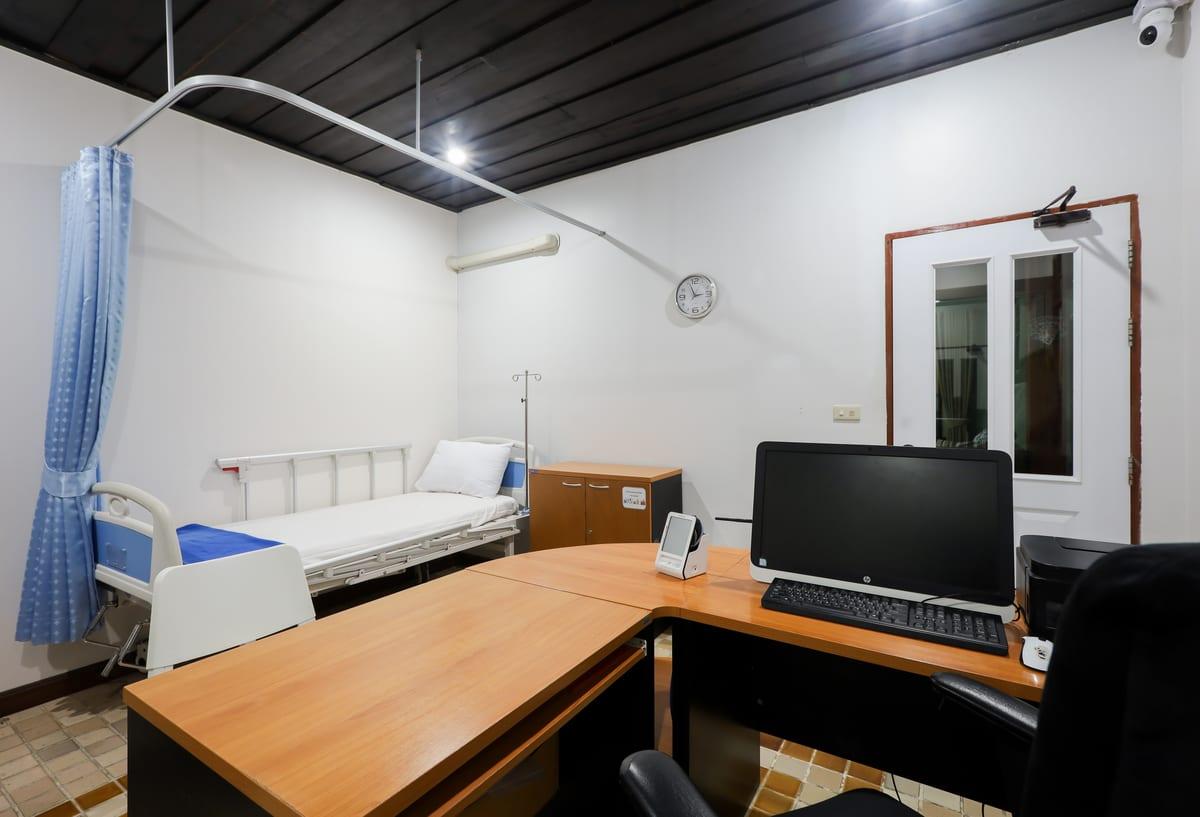
- Clinical support structure: At Jintara, the absence of detox medication does not mean absence of clinical support. Clients are assessed by a psychiatrist, nursing staff conduct daily rounds, and therapy begins from day one. The focus in the first week is stabilisation, safety, and an honest account of the first month.
Medically supervised detox at Jintara covers the full range of withdrawal management for alcohol, opioids, and benzodiazepines. For ice clients, the clinical support structure is the same, even though the pharmacological intervention is minimal.

Methamphetamine-Induced Psychosis Resolves With Abstinence in Most Cases.
Methamphetamine-induced psychosis is a recognised clinical syndrome characterised by paranoia, hallucinations, and disorganised thinking that emerges during heavy use or withdrawal. It is directly caused by methamphetamine's effect on dopamine and serotonin signalling, and typically resolves within days to weeks of stopping use for most people.
- Distinguishing from primary psychosis: Individuals presenting with psychotic symptoms during or after ice use are frequently misdiagnosed with a primary psychotic disorder. The key clinical distinction is whether the psychosis preceded drug use, or whether it emerged in the context of heavy stimulant use. Where the latter is the case, stopping the drug is the primary treatment.
- Admissions position: Jintara does not admit clients with active psychosis. A person in an active psychotic episode requires psychiatric hospitalisation. Once symptoms have resolved, a person with a history of methamphetamine-induced psychosis can be admitted for addiction treatment.
- Co-occurring psychotic disorder: Where there is a question about an underlying psychotic disorder, the clinical team works with the admitting psychiatrist to clarify the diagnostic picture before treatment begins. A history of meth psychosis does not exclude admission on that basis alone.
The dual diagnosis treatment approach at Jintara addresses the full range of co-occurring mental health presentations alongside addiction, including psychosis history, depression, and anxiety.





Trauma and Depression Co-Occur With Ice Addiction at High Rates.
The relationship between methamphetamine use and trauma is well-established clinically. Ice is frequently used as a form of self-medication for untreated trauma, depression, and anxiety, and people with undiagnosed ADHD often reach for stimulants to steady their focus and impulse control. In Jintara's clinical experience, people presenting for ice addiction treatment very commonly have a history of complex developmental trauma.
- Concurrent mental health: Denise O'Leary, Jintara's Clinical Director, describes the pattern directly: 'Pretty much everybody, without exception, comes in with some form of anxiety or depression. It just seems to go with addiction.' For ice clients, this is compounded by the neurochemical depression of stimulant withdrawal.
- First month: addiction track: The treatment structure at Jintara addresses both the addiction and the co-occurring mental health condition. The first month is dedicated to stabilisation, therapy skill-building, and understanding the mechanisms of the addiction.
- 60-day option for trauma: For clients with significant trauma, a 60-day stay allows the clinical team to begin trauma processing once the addiction track is completed, using EMDR for clients where it is clinically indicated.
The trauma therapy program at Jintara describes how Complex PTSD and developmental trauma are treated in the context of a residential addiction program.
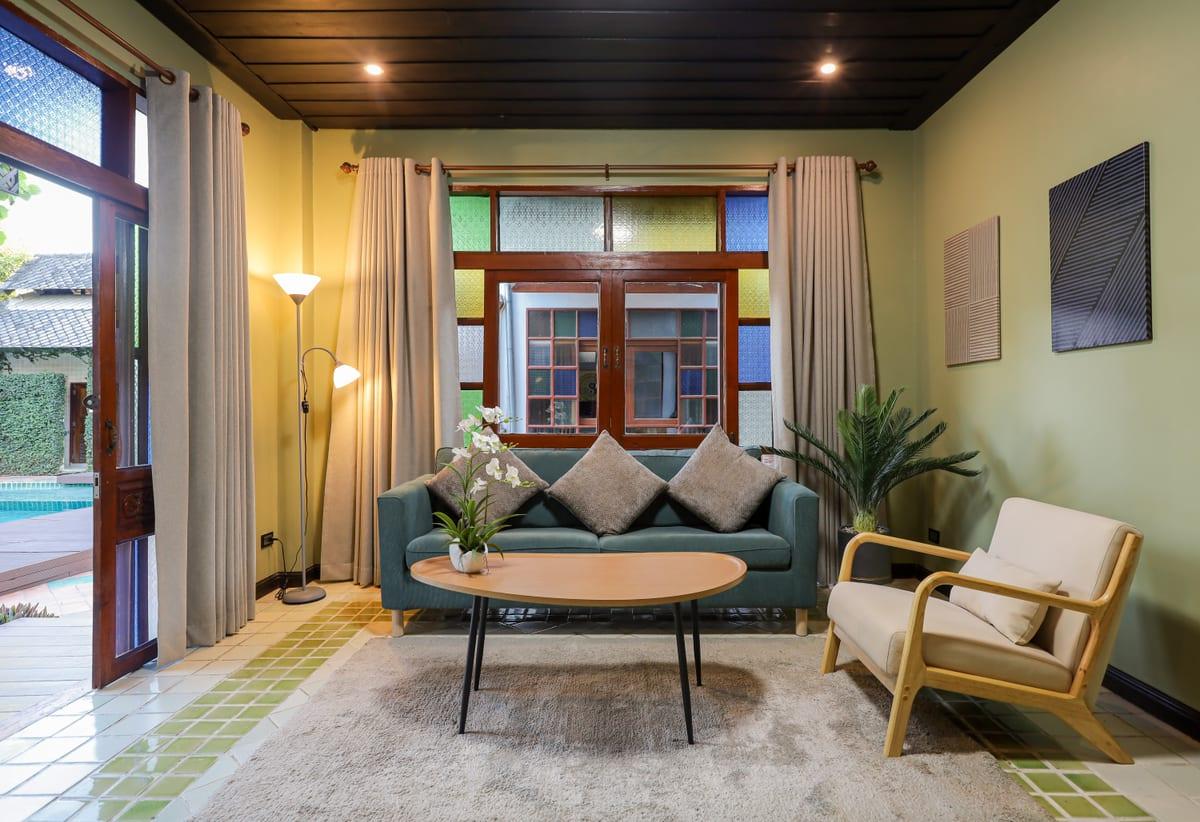
“We don't get a lot of the street drugs that are more involved in youth culture. Our clients are typically over 30, dealing with substances tied to stress, pain, or unresolved history. Ice clients often come in carrying a lot more than just a meth problem.
NCBI Bookshelf, SAMHSA TIP 33
Unlike opioid addiction, which can be treated with medications such as methadone or buprenorphine, there is no approved medication that reduces stimulant cravings or blocks the rewarding effect of methamphetamine. This makes the therapy program the primary treatment. Every session matters.
Source: NCBI Bookshelf. SAMHSA TIP 33

Methamphetamine Addiction Has No Approved Medication Treatment.
Unlike opioid addiction, which can be treated with medications such as methadone or buprenorphine, there is no equivalent pharmacological treatment for methamphetamine addiction. There are no approved medications that reduce stimulant cravings or block the rewarding effect of ice. This is not a reason for pessimism.
- Therapy-primary by necessity: It means the treatment for ice addiction is fundamentally about building capacity, not substituting one chemical for another. Clients who complete a well-structured course of therapy, build genuine coping skills, and leave with a realistic plan do achieve sustained abstinence.
- Every session carries weight: The clinical implication is that there is no medication holding the floor. The therapy work has to be sufficient on its own to carry the client through the hardest period. At Jintara, this shapes how the program is structured: high intensity in the first weeks, daily group work, and multiple individual sessions per week.
The admissions process at Jintara includes a clinical assessment that reviews substance history, current health, and any co-occurring conditions before a treatment start date is confirmed.

CBT and DBT Address the Thought Patterns That Sustain Stimulant Use.
The two primary therapeutic approaches for ice addiction at Jintara are cognitive behavioural therapy (CBT) and an abbreviated form of dialectical behaviour therapy (DBT). Both are evidence-based modalities with documented effectiveness in stimulant use disorders.
- CBT for ice addiction: CBT addresses the thought patterns that sustain use. Methamphetamine clients commonly hold beliefs such as 'I cannot function without it' or 'I have already done too much damage to recover'. CBT works through structured identification, testing, and replacement of these patterns, practised repeatedly until they become the default cognitive response.
- DBT skills: The DBT component covers all four modules in an abbreviated format: mindfulness, distress tolerance, emotional regulation, and interpersonal effectiveness. Distress tolerance and emotional regulation receive the most clinical focus, because these are the skills most directly relevant to getting through the low-dopamine period without returning to use.
- Practical competence, not just theory: Both modalities are introduced within the first two weeks and practised throughout the 30-day program. Clients leave with a working understanding of the tools, not just a description of them.
The holistic treatment program at Jintara describes how therapy and wellbeing activities are integrated across the week.

EMDR Therapy Is Available for Clients Whose Ice Use Is Rooted in Trauma.
EMDR (Eye Movement Desensitisation and Reprocessing) is available at Jintara for clients whose ice use developed in the context of significant trauma. It is not assigned to all clients. EMDR is only introduced after the addiction program is well established, typically in a 60-day stay, and only following thorough history-taking and preparation.
- Who it is for: For clients who carry significant trauma, whether from childhood adversity, relationship violence, or chronic stress, EMDR can address the unprocessed memories that otherwise remain as ongoing relapse drivers. Denise O'Leary leads EMDR therapy at Jintara and is an EMDRIA Certified Therapist, one of three EMDR therapists for a house of ten.
- When trauma is identified but not yet processed: For clients completing a 30-day program where trauma has been identified but not yet processed, Jintara provides a written clinical report and referral to an EMDR-trained therapist in the client's home country. The work that begins here can continue there.
EMDR therapy at Jintara provides full detail on the EMDR process, eligibility, and what to expect if trauma work is part of the treatment plan.
“Most addictions are rooted in trauma. EMDR and addiction therapy together produce dramatically better outcomes than addiction treatment alone.
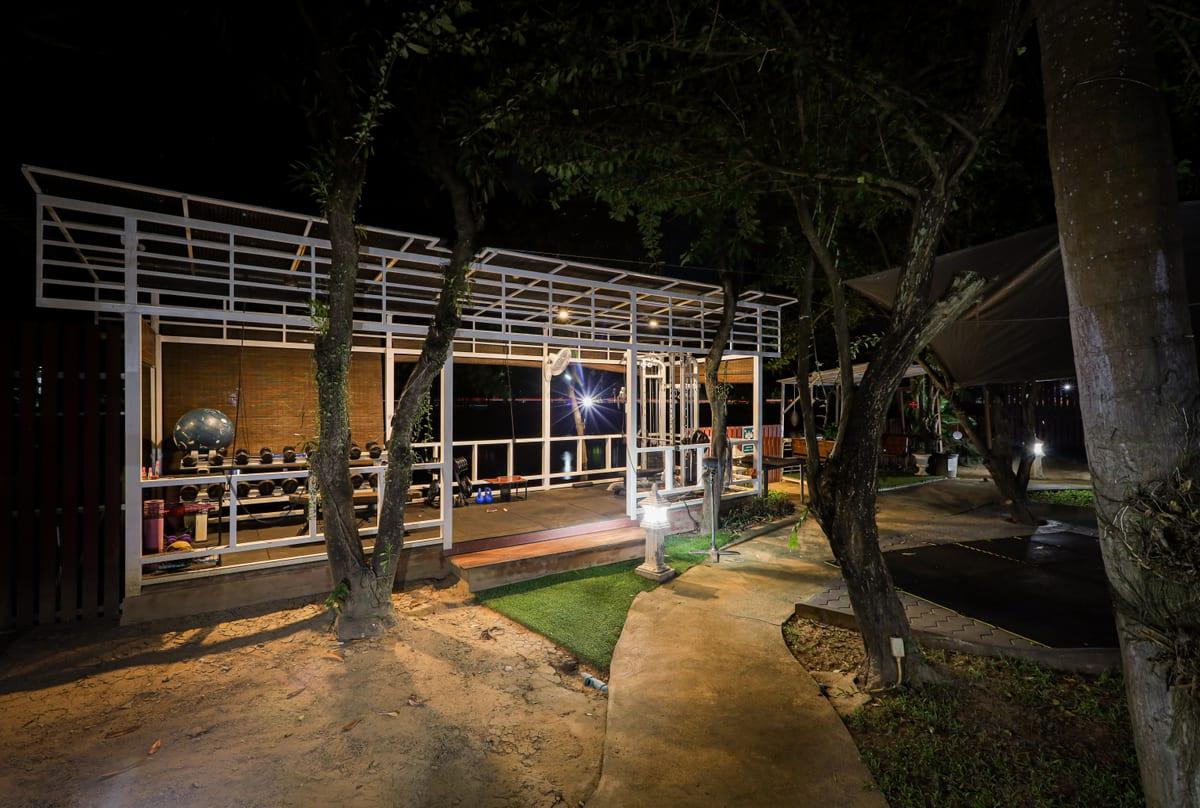
Fitness and Physical Activity Support Dopamine Recovery During Stimulant Withdrawal.
Physical activity is one of the few effective natural dopamine stimulants available during early methamphetamine recovery, which is why fitness is integrated into the treatment program at Jintara rather than offered as an optional add-on. With dopamine function reduced in the weeks after stopping ice, structured exercise provides a reliable signal through the same reward pathway that methamphetamine hijacked.
- Adapted to current capacity: The fitness program at Jintara is adjusted to each client's current physical state. For ice clients in the first two weeks, the goal is not athletic performance. It is daily movement: morning walks, pool sessions, gym sessions, and whatever the client can sustain without further depleting already-limited energy reserves.
- Faster recovery through movement: Darren Lockie, Jintara's founder, describes the practical outcome: 'I see people that get involved in fitness and fitness activities recover so much quicker.' A client who has learned to associate morning exercise with improved mood has a daily recovery tool they can take home with them.
The fitness and nutrition program at Jintara is designed for clients at all fitness levels, including those with no prior exercise history.
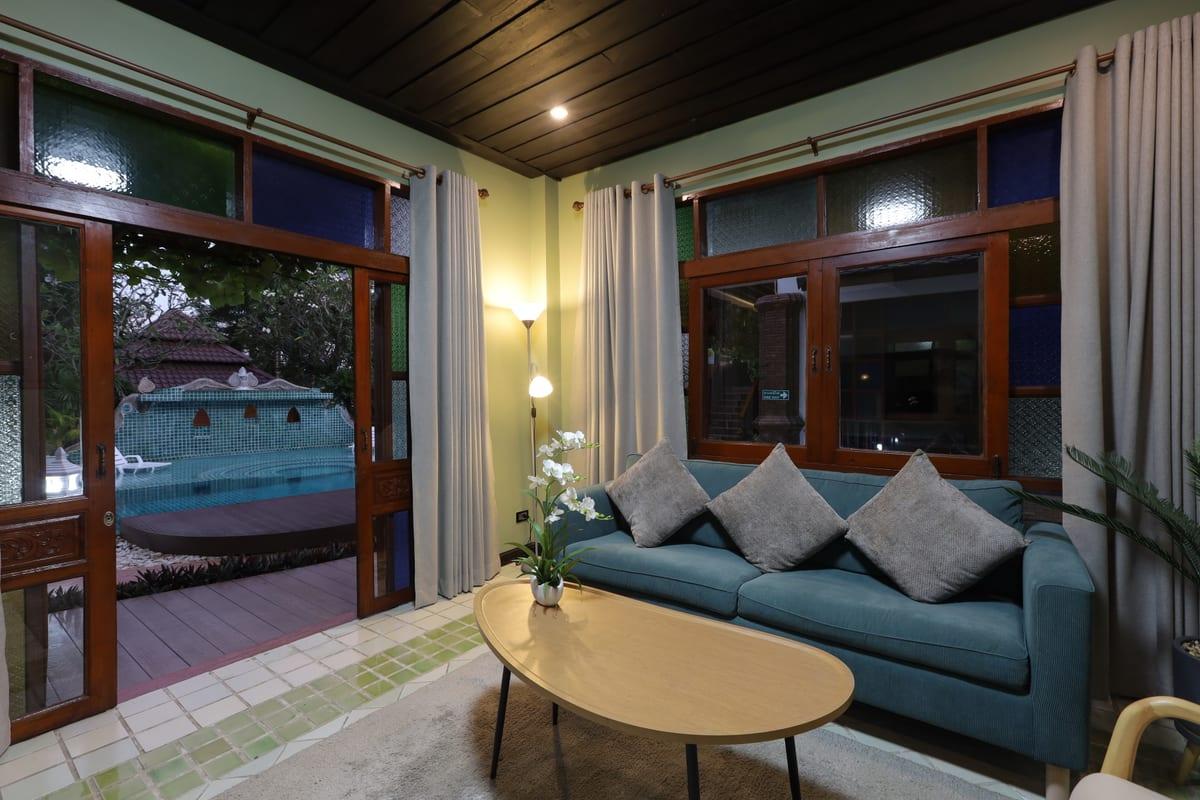
The 30-Day Ice Addiction Treatment Program Follows a Structured Weekly Sequence.
The standard treatment stay at Jintara is 30 days. For ice addiction clients, this timeframe covers medical assessment and stabilisation, intensive individual and group therapy, and the development of a specific discharge plan that accounts for the extended low-dopamine recovery period ahead.
- Week one: clinical stabilisation: A full medical assessment takes place on day two at Jintara's expense, including blood work, liver and kidney function, chest X-ray, and an EKG. The psychiatrist reviews substance history and current mental state. Nursing staff conduct regular rounds. Therapy begins alongside physical stabilisation.
- Weeks two and three: therapy intensifies: Individual sessions run alongside group work, written exercises, holistic sessions, and fitness. By week three, most clients are functionally stable and the focus shifts to relapse prevention planning, identifying personal triggers, and building a clear plan for the first weeks at home.
- Week four: transition preparation: Clients leave with a written recovery plan, referral letters where appropriate, and access to the clinical team for the first 30 days post-discharge.
Understanding what happens in the first week of treatment helps set realistic expectations before arrival.



Jintara Admits Ice Addiction Clients From Australia, the UK, and Across Southeast Asia.
Jintara is located in Chiang Mai, Thailand, and treats ice addiction clients from Australia, the United Kingdom, New Zealand, the United States, and Southeast Asian countries. International clients make up the majority of admissions, and the arrival route for ice addiction clients from New Zealand mirrors the Australian one. The facility maintains a maximum of ten clients at any time, which means no waiting in a large group program.
For a family choosing treatment from the other side of the world, the fear of getting this wrong is one of the hardest parts of the process. You cannot inspect the facility before committing. Three national bodies, including the one that accredits Thailand's hospitals, reviewed Jintara's clinical protocols and confirmed they meet the national quality standard for drug treatment and rehabilitation facilities, certificate 25/2569. Proven to that bar, and small enough to know your son or daughter by name.
- What is included: Each client has a large private room, full access to the clinical and support team, and a daily schedule built around their specific treatment needs. Three meals per day are prepared on site. Fitness, group therapy, and individual sessions are included in the program fee.
- Australian clients: For Australian clients, Jintara is accessible through early superannuation release in some circumstances. The admissions team provides guidance on the application process alongside treatment logistics.
- Clients with psychosis history: Ice clients with a history of meth psychosis are not excluded from admission. The admissions process confirms that active psychosis has resolved and the client is stable enough to participate before a start date is set.
Full information on program costs and what the stay includes is on the pricing page.

Talk with Our Admissions Team
Your enquiry is confidential and goes only to our admissions team.
Common Questions About Ice and Methamphetamine Addiction Treatment
What is the difference between ice and methamphetamine?
Ice is the crystalline, smokeable form of methamphetamine hydrochloride. It is the same compound as crystal meth, shabu, and glass. The term ice is most common in Australia and Southeast Asia. The crystalline form is smoked or injected, produces a faster and more intense effect than powdered methamphetamine, and leads to more rapid development of dependence.
Does ice withdrawal require medical detox?
No. Methamphetamine withdrawal does not carry the same risk as alcohol or benzodiazepine withdrawal. There is no risk of seizures or cardiovascular collapse. However, the psychological symptoms, including severe depression, exhaustion, and intense cravings, are significant and benefit from clinical support, daily nursing assessment, and structured therapy from the first day of treatment.
How long does ice withdrawal last?
Acute withdrawal symptoms typically peak in the first seven to ten days and begin to ease by the end of week two. Residual depression, anhedonia, and reduced energy can persist for six to twelve weeks in clients with longer use histories. This extended low-mood phase is a normal part of stimulant recovery, not a sign that something has gone wrong.
How long does dopamine recovery take after methamphetamine use?
Research confirms that dopamine system recovery takes months of sustained abstinence. Studies document significant improvement within six months, with continued recovery over twelve to eighteen months. The practical experience is that most clients notice a meaningful shift in mood and motivation around weeks six to twelve after stopping. Early exercise, structured routine, and consistent sleep all support faster recovery.
What therapies are most effective for ice addiction?
Cognitive behavioural therapy and abbreviated dialectical behaviour therapy are the primary evidence-based approaches. Both address the thought patterns and emotional regulation deficits that sustain stimulant use. EMDR is available for clients with underlying trauma. There is no approved medication treatment for methamphetamine addiction. Recovery relies on building genuine coping capacity through structured therapy.
Can someone with a history of meth psychosis be treated at Jintara?
Yes, provided active psychosis has resolved before admission. Jintara does not admit clients in an active psychotic episode, but a history of methamphetamine-induced psychosis does not exclude treatment. The admissions assessment reviews the clinical picture and confirms that the client is stable enough to participate in the program.
How do I start the admissions process for ice addiction treatment?
Contact the admissions team at Jintara Rehab. The initial conversation covers substance history, current health, treatment timeline, and any questions about the program. A clinical assessment follows before a start date is confirmed. Full information about the program, including costs, is available on the pricing page.
Is Jintara accredited for ice and methamphetamine addiction treatment?
Yes. Jintara holds certificate no. 25/2569, issued jointly by the Healthcare Accreditation Institute (HAI), the Princess Mother National Institute on Drug Abuse Treatment (PMNIDAT), and the Department of Medical Services, Ministry of Public Health. These are the three national bodies that certify Thailand's standard for drug treatment and rehabilitation facilities. The accreditation covers both facility categories and is valid from 20 May 2026 to 19 May 2029.
Accreditation certificate
Jintara is accredited against Thailand’s national quality standard for drug treatment and rehabilitation facilities, jointly certified by the Healthcare Accreditation Institute, the body that accredits Thailand’s hospitals, with the Princess Mother National Institute on Drug Abuse Treatment and the Department of Medical Services, Ministry of Public Health. Certificate no. 25/2569, valid 20 May 2026 to 19 May 2029. To check it, ask us for a copy of the certificate, or confirm it by facility name with the Princess Mother National Institute on Drug Abuse Treatment or the Department of Medical Services.