

Mixing stimulants and depressants creates competing demands your body cannot resolve on its own.
When an upper and a downer are active in the body at the same time, they do not cancel each other out. They pull your heart, nervous system, and brain chemistry in opposite directions simultaneously. If this describes how you or someone you love is using drugs, understanding the physiology of this combination is the starting point. Drug addiction treatment at Jintara is designed for people whose substance use has become medically complex.
- Cardiac stress builds silently because depressants mask stimulant warning signs
- Street drug composition adds a layer of risk that cannot be predicted
- Withdrawal from two opposing substances requires separate clinical protocols
- Medical monitoring during detox is not optional when both drug classes are present


Fully Licensed and Hospital Accredited
Mixing stimulants and depressants is a pattern that develops gradually.
Mixing stimulants and depressants is the use of two drug classes with opposing physiological actions, taken together or in close sequence. The most common combinations are cocaine, methamphetamine, or amphetamines used alongside alcohol, opioids, or benzodiazepines.
The pattern rarely starts as intentional polysubstance use. It begins with a stimulant, or with a depressant, and the second substance enters because of what the first one leaves behind. A person using cocaine heavily starts drinking to take the edge off the high. Someone on opioids adds amphetamine to stay functional. Both ends of the cycle become chemically reinforced. The stimulant phase and the depressant phase each carry their own withdrawal signal, and the person learns to suppress one with the other. By the time the pattern is fully established, the substances are not recreational choices. They are managing a physiological rhythm the body has built. The broader context of addiction involving more than one substance and why it requires a sequenced detox approach is covered separately.
This is why the come-down pattern is so clinically important. The body is not resting between cycles; it is oscillating between two chemically opposed states. Each oscillation deepens the neurological dependency on both ends. An understanding of cocaine addiction is a useful starting point for people who recognise the stimulant end of this cycle.

The cardiac risk is the reason medical supervision is not optional.
Cardiac stress in stimulant-depressant combination use happens because the two drug classes send opposing signals to the cardiovascular system at the same time. Stimulants, including cocaine, methamphetamine, and amphetamines, raise heart rate, constrict blood vessels, and increase blood pressure. A depressant such as alcohol or an opioid simultaneously suppresses the cardiovascular stress response that would normally signal danger.
The result is that the heart is under significant strain while the body's own warning system has been chemically quieted. A person using both substances may feel less distressed than the situation warrants, precisely because the depressant is blunting the alarm response. This is the mechanism behind many stimulant-combination overdoses: the person is not feeling the distress signals that would ordinarily prompt them to stop or seek help.
Cocaine in particular has a direct toxic effect on cardiac tissue. Methamphetamine is associated with cardiomyopathy with sustained use. When either of these is used alongside alcohol or opioids, the physiological context for cardiac events is significantly elevated. Recovery from this combination pattern requires a cardiac evaluation. At Jintara, the Day 2 hospital workup includes an electrocardiogram, full blood panel, chest X-ray, and liver and kidney function tests, paid for by the facility.
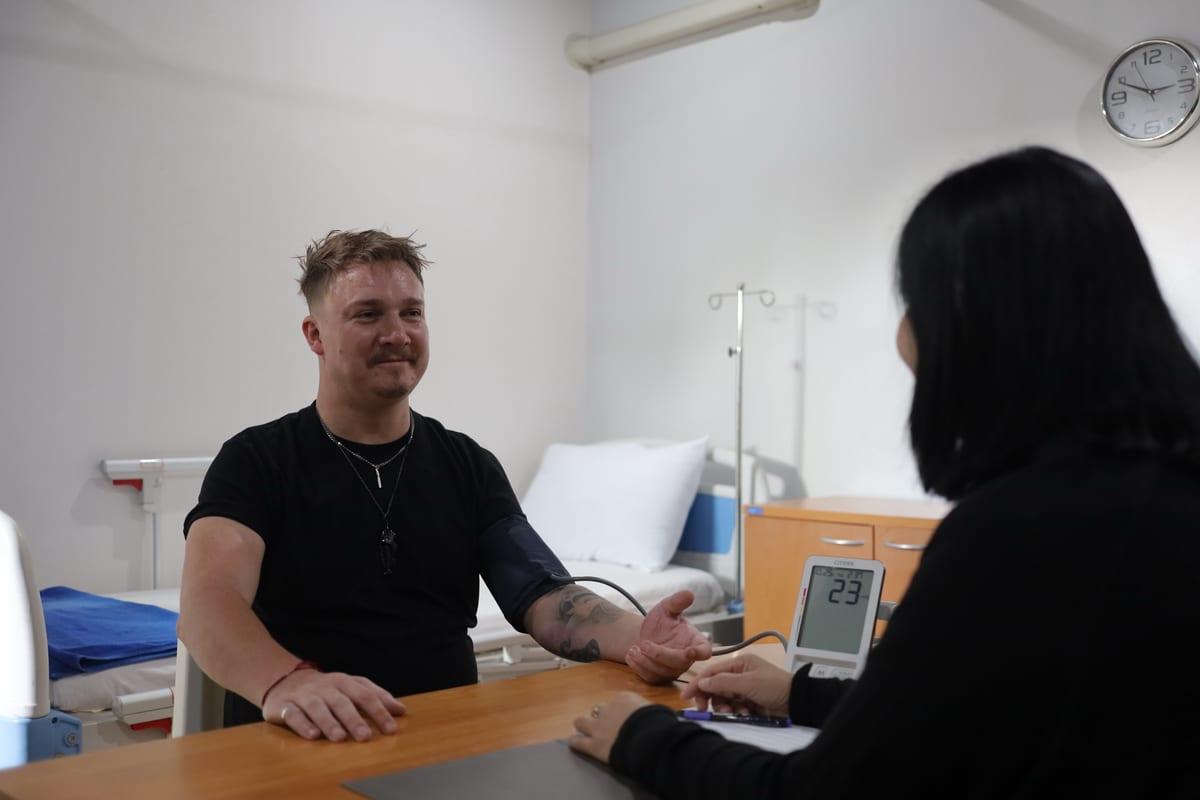
“The stimulant raises the heart rate and the depressant masks the symptoms. That is when overdose happens. Cardiac monitoring during detox is not something we do as an extra: it is the baseline.
People mix these substances because each one addresses what the other one creates.
The come-down pattern, using a depressant to manage the aftermath of a stimulant or a stimulant to counteract the sedation of a depressant, is the most common reason people arrive at Jintara using both drug classes.
Stimulants produce an acute high followed by a crash: agitation, depression, difficulty sleeping, inability to feel pleasure. A depressant such as alcohol or a benzodiazepine reduces that discomfort quickly and reliably. Conversely, people using opioids or heavy alcohol develop sedation and cognitive slowing, and a stimulant restores the functional state they need to work or remain socially present. Each substance is solving a problem that the other substance created.
This cycle does not feel like addiction in the early stages because the person is regulating their functional state, not simply chasing a high. They may describe themselves as self-medicating, and pharmacologically they are. The clinical challenge is that tolerance to both substances builds in parallel, which means each cycle requires more of both drugs to achieve the same regulatory effect. By the time the person is ready to seek treatment for ice or methamphetamine addiction, the doses involved can be medically dangerous on both ends of the cycle.

The physiological effects of this combination are unpredictable in a clinical sense.
Opposing drug classes do not produce predictable effects when combined, because the interaction varies by dose, timing, route of administration, individual metabolism, and the presence of other substances.
A person using cocaine and alcohol together produces a third compound in the liver: cocaethylene, a mechanism documented on NIDA's cocaine page. Cocaethylene may increase the toxic effects of cocaine and alcohol on the heart. The person may not associate the cardiac symptoms they feel the following day with the cocaine use the night before, because the cocaine itself is gone.
With methamphetamine and opioids, the stimulant effect can mask the respiratory depression caused by the opioid. A person may appear more alert than an opioid dose alone would produce, which makes clinical assessment of opioid toxicity more difficult. If the methamphetamine metabolises faster, the full respiratory depressant effect of the opioid can arrive suddenly.
These interactions are not predictable from a standard pharmaceutical reference because street drug doses and compositions are not standardised. The actual compound ingested may be cut with fentanyl, levamisole, phenacetin, or any number of adulterants, each of which adds a separate interaction risk. This is the domain where an opioid addiction specialist's assessment becomes a medical necessity, not a clinical preference.

Street drug composition makes every combination an unknown quantity.
The specific risk of mixing stimulants and depressants using street drugs is that neither substance is what it appears to be. Cocaine is routinely cut with levamisole, a veterinary anthelmintic associated with agranulocytosis in cocaine users. Methamphetamine purity varies widely. Heroin and street opioids increasingly contain fentanyl or fentanyl analogues, many of which are active at doses measured in micrograms, as NIH MedlinePlus notes on opioids including fentanyl.
When a person adds alcohol, a benzodiazepine, or another depressant to this, they are not combining two known compounds. They are combining one known compound with an unknown stimulant formulation that may have three or four additional pharmacologically active ingredients. The cardiac and respiratory risks scale with each additional active agent, and the clinical picture at presentation can be difficult to interpret without thorough toxicology.
This is one reason that the initial assessment at Jintara asks about all substances used, not only the primary presenting substance. Denise O'Leary, Clinical Director, notes that clients who have been using polysubstance combinations frequently report only the substance they identify with most strongly and have to be carefully interviewed about the full picture.

“People often arrive describing themselves as primarily a cocaine user or primarily a drinker. The full picture almost always involves both ends of the stimulant-depressant cycle. Getting the complete history is not optional. It changes the entire detox protocol.
Dual withdrawal requires two different medical protocols running concurrently.
Stimulant withdrawal and depressant withdrawal are medically different conditions that require different approaches, and managing both simultaneously is one of the more demanding clinical problems in addiction medicine.
Stimulant withdrawal, from cocaine or methamphetamine, is primarily psychological. The person experiences severe depression, anhedonia, profound fatigue, disrupted sleep, and strong cravings. It is not medically dangerous in the way depressant withdrawal is, though the psychological crash can be severe, and for clients with underlying cardiac conditions, medical oversight remains important throughout. The clinical priority is supporting the person through that crash without introducing new substances.
Depressant withdrawal from alcohol, benzodiazepines, or opioids is medically dangerous. Alcohol and benzodiazepine withdrawal carry a risk of generalized seizures, and in severe cases, delirium tremens, which carries a significant mortality rate without medical management. Opioid withdrawal, while rarely fatal, produces a severe physical illness. The Clinical Institute Withdrawal Assessment for Alcohol, Revised (CIWA-Ar) and the Clinical Opiate Withdrawal Scale (COWS) are the standardised tools used to score withdrawal severity and calibrate medication protocols at Jintara.
When both drug classes are present, the depressant withdrawal takes clinical priority because the medical risk is higher. However, the stimulant crash is occurring at the same time, and ignoring it increases the risk that the person will seek stimulant use to relieve the psychological distress, restarting the cycle while the depressant detox is still medically active. Treatment for co-occurring substance use patterns requires these two processes to be managed as parallel tracks with separate medication protocols.
When withdrawal carries that level of medical risk, the decision of where to seek treatment should not rest on the facility's own claims about its clinical capability. Jintara's detox protocols, nursing standards, and medication handling were independently assessed in 2026 by the Healthcare Accreditation Institute, the Princess Mother National Institute on Drug Abuse Treatment, and Thailand's Department of Medical Services. Those three authorities confirmed the protocols meet the national hospital-grade clinical standard (certificate 25/2569, valid May 2026 to May 2029). That inspection was carried out by the same bodies that assess Thailand's hospitals. Proven to that standard, and still small enough to know the person by name.

Cardiac monitoring during detox is standard protocol for stimulant-depressant combination cases.
At Jintara, every person arriving for treatment has a full set of vitals recorded on arrival and repeated every one to two hours during the acute detox phase. Heart rate, blood pressure, oxygen saturation, and temperature are the baseline parameters. For clients presenting with stimulant-depressant use history, the Day 2 hospital workup adds an electrocardiogram, a comprehensive blood panel, and a chest X-ray.
The electrocardiogram is clinically significant for this population for two reasons. First, stimulant use, particularly cocaine and methamphetamine, is associated with QTc prolongation, cardiac arrhythmias, and in cases of sustained heavy use, structural cardiomyopathy. These conditions may be asymptomatic before detox and become clinically apparent as the body's stress response normalises. Second, some medications used to manage withdrawal can themselves affect cardiac conduction, and a baseline EKG is required before initiating those protocols.
Darren Lockie has noted that a substantial number of clients have cardiac findings on Day 2 that they were unaware of before arriving. These are picked up routinely, not only in cases that present with obvious cardiac symptoms. Clients with cardiac findings are referred to a cardiologist through Jintara's hospital partnerships. The detox continues in parallel unless the cardiologist indicates otherwise. For a detailed account of what to expect during the first week of treatment, the admissions page covers the full arrival sequence.
Breaking the stimulant-depressant pattern requires addressing both ends of the cycle in treatment.
Breaking the stimulant-depressant pattern is harder than stopping a single substance because the relapse trigger for one end of the cycle is withdrawal from the other end. A person who has stopped using a stimulant will experience the stimulant crash, and that crash has historically been the cue to use a depressant. The depressant is the coping mechanism for the stimulant withdrawal. The reverse is equally true.
Treatment for this pattern therefore has to build coping capacity for both ends of the cycle. The stimulant crash, which brings depression, anhedonia, and an inability to feel reward, needs clinical support that is not pharmacological. Bilateral stimulation therapy addresses the emotional dysregulation and trauma responses that often underlie the desire to escape into a stimulant state. Cognitive work maps the specific cues that precede each end of the cycle and builds responses to them that do not involve either substance class.
When the only known responses to distress are stimulation and sedation, Denise O'Leary describes the treatment goal as building a third option: a regulated baseline state that does not feel intolerable without chemical assistance. That regulated state is what the 30-day program at Jintara is designed to help people find and practice before returning home.
The 30-day program includes individual therapy, group work, and aftercare planning specific to the pattern. Aftercare for stimulant-depressant users includes a written plan for managing the crash phase and the sedation phase without returning to either substance, and the relapse prevention planning begins in the first week of treatment rather than at discharge.


Talk with Our Admissions Team
Your enquiry is confidential and goes only to our admissions team.
Common Questions About Mixing Stimulants and Depressants
The two drug classes pull the cardiovascular and central nervous system in opposite directions at the same time. Stimulants raise heart rate and blood pressure. Depressants suppress those signals. The result is cardiac stress that proceeds without the warning signals that would normally alert you to it. Overdose can occur because the depressant masks the stimulant's danger signs until the situation is past the point of easy reversal.
A speedball is typically cocaine combined with heroin, though the term is sometimes used for any stimulant-opioid combination. The two drugs create a brief balanced high, but their metabolic timelines are different. When the cocaine metabolises faster than the heroin, the full respiratory-depressant effect of the opioid arrives without the counteracting stimulant effect. This is the mechanism behind several well-documented overdose deaths. There is no safe dose for this combination because the balance point cannot be predicted.
Cocaine and alcohol together produce a compound in the liver called cocaethylene. Cocaethylene may increase the toxic effects of cocaine and alcohol on the heart. It is one of the more pharmacologically well-documented hazardous combinations, and it is also one of the most common, because alcohol is the most accessible depressant available.
Yes, but the clinical approach addresses both simultaneously using different protocols. Depressant withdrawal takes medical priority because alcohol, benzodiazepine, and opioid withdrawal carry a risk of seizures and, in severe cases, are life-threatening without medical management. Stimulant withdrawal runs concurrently and is managed with psychological support and medication where indicated. The detox phase is the beginning of treatment, not a separate step before it.
The acute medical phase of depressant withdrawal resolves over five to ten days, depending on the substances and duration of use. Stimulant withdrawal, including depression, fatigue, and anhedonia, can persist for several weeks, particularly with methamphetamine. The extended phase of recovery, where sleep, mood, and cognitive function gradually normalise, continues for several months. This is why a 30-day program is the minimum clinically appropriate length for this combination, and why many people benefit from staying longer.
The first 24 hours begin with a psychiatric assessment and the start of a tailored detox protocol. Vital signs are monitored every one to two hours during the acute phase. Day 2 includes a hospital workup with an electrocardiogram, blood panel, and chest X-ray. Concurrent therapy begins when the person is medically stable enough to engage. The nursing team observes for signs of withdrawal from both substance classes simultaneously, because the presentations can overlap and mask each other.
It is more medically complex, which is not the same as harder. The complexity lies in the dual withdrawal management and in the psychological pattern that links both substances together. Treatment that addresses only one end of the cycle will leave the person with an intact trigger for the other end. When both are addressed in treatment, the crash phase and the sedation phase, the person leaves with a more complete set of coping tools. The clinical work is more involved, but the outcomes for people who complete treatment are comparable.
The withdrawal protocol is based on what is reported and what is found in the initial toxicology screen. If a substance is not mentioned and not detected, and withdrawal symptoms from that substance appear during the detox phase, the clinical team will identify the pattern and adjust. However, incomplete information at admission means the initial protocol may not fully cover all withdrawal pathways. Telling the team everything, including substances that feel incidental or embarrassing, produces a safer detox. Nothing you report changes how you are treated as a person.
No. Cardiac monitoring during detox from stimulant-depressant combinations is standard protocol at Jintara for all clients in this category, regardless of whether they have a known cardiac history. Many cardiac findings are identified during the Day 2 workup in people who had no prior cardiac diagnosis. The EKG and blood panel are part of the standard arrival process. The clinical team adjusts the detox protocol based on what the full assessment reveals.
Yes. Jintara holds joint accreditation from three Thai national authorities: the Healthcare Accreditation Institute (HAI), the Princess Mother National Institute on Drug Abuse Treatment (PMNIDAT), and the Department of Medical Services, Ministry of Public Health (DMS). Certificate number 25/2569 was issued 20 May 2026 and is valid until 19 May 2029. That accreditation covers both facility categories and was verified against the same national clinical standard applied to Thailand's hospitals. Jintara is one of only six private rehabs in Thailand to hold this accreditation.
The joint inspection by HAI, PMNIDAT, and DMS assessed Jintara's clinical protocols, medication handling, nursing standards, and safety procedures against Thailand's hospital-grade national benchmark. For a stimulant-depressant combination admission, that means the detox protocol design, the cardiac monitoring procedures, and the dual-withdrawal management approach were all part of what the independent survey team reviewed. The accreditation is not self-reported. It is issued by the same authorities that assess and certify Thailand's general hospitals.
Jintara is a small adult residential rehab in Chiang Mai with a 3.2:1 staff-to-client ratio. On-site medical detox, 24-hour nursing, and a Day 2 hospital workup are standard for all admissions.
Jintara Rehab is licensed by the Thai Ministry of Public Health as a rehabilitation centre. The clinical information on this page describes Jintara's general approach to supporting clients during the early recovery period. Medical decisions, including medication protocols, are determined by addiction-specialist psychiatrists through our partner hospital pathway. Individual treatment varies based on clinical assessment. This content is for informational purposes and does not constitute medical advice.