
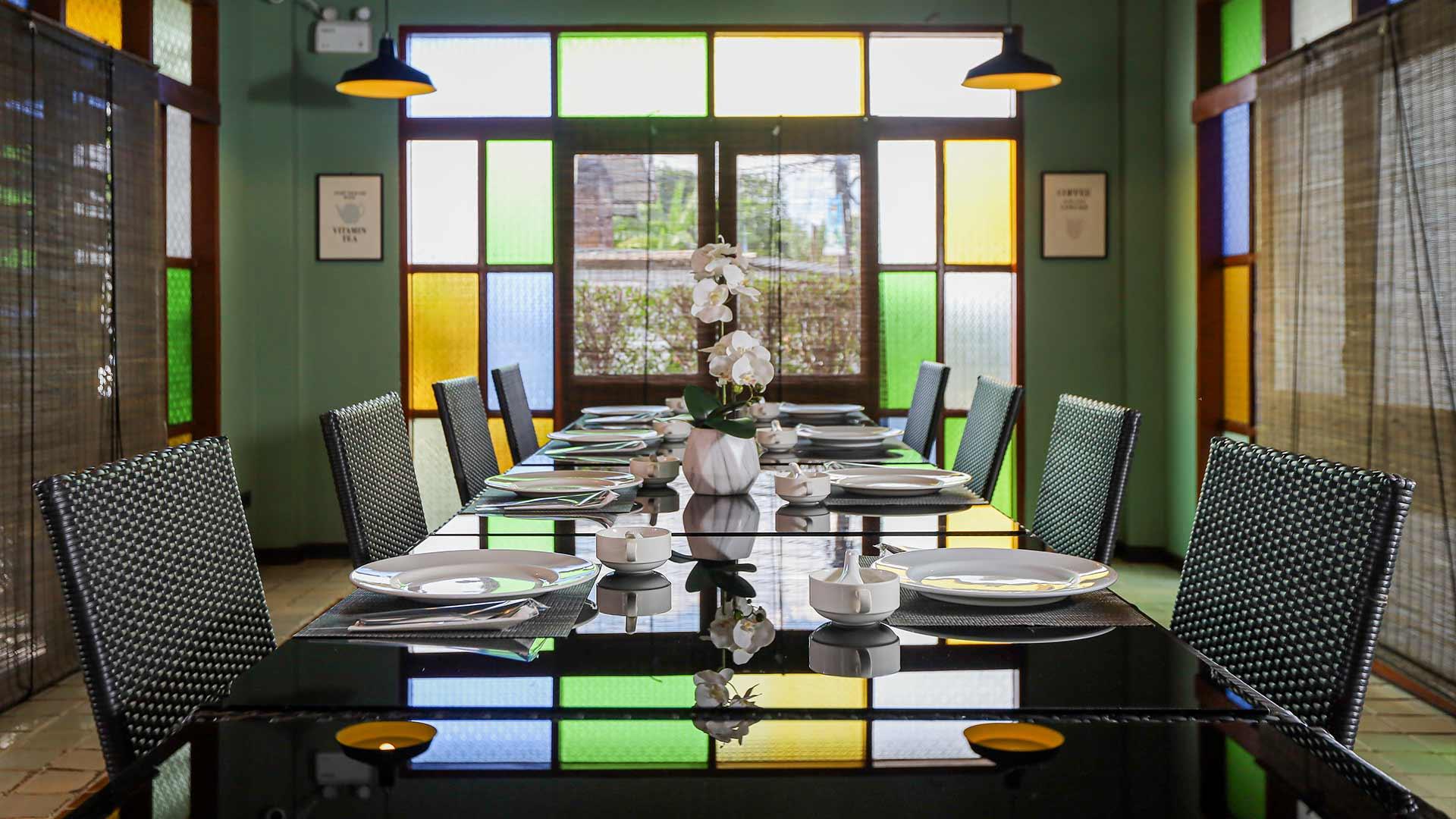
Fitness & Nutrition Support Inside Your Thailand Rehab Program
This page explains how fitness and nutrition at Jintara work inside the residential program, once detox and early stabilisation are underway. It is calm, practical, and paced to your energy.

Fully Licensed and Hospital Accredited
What Do Fitness and Nutrition Feel Like Once You Are Stable in Rehab.
At Jintara, fitness and nutrition begin after medical clearance, paced to your current energy level. With around ten clients on site at a time, sessions are individualised rather than class-driven.
Nutrition is simple and regular. Balanced meals, hydration, and timing that supports nutrition for sleep and mood. We also pay attention to caffeine and sugar patterns, because those can spike anxiety, cravings, and sleep problems.
The goal is not intensity. It is a calm routine that helps you feel more stable in your body, so therapy and sleep start to land alongside the wider rehab program at Jintara.
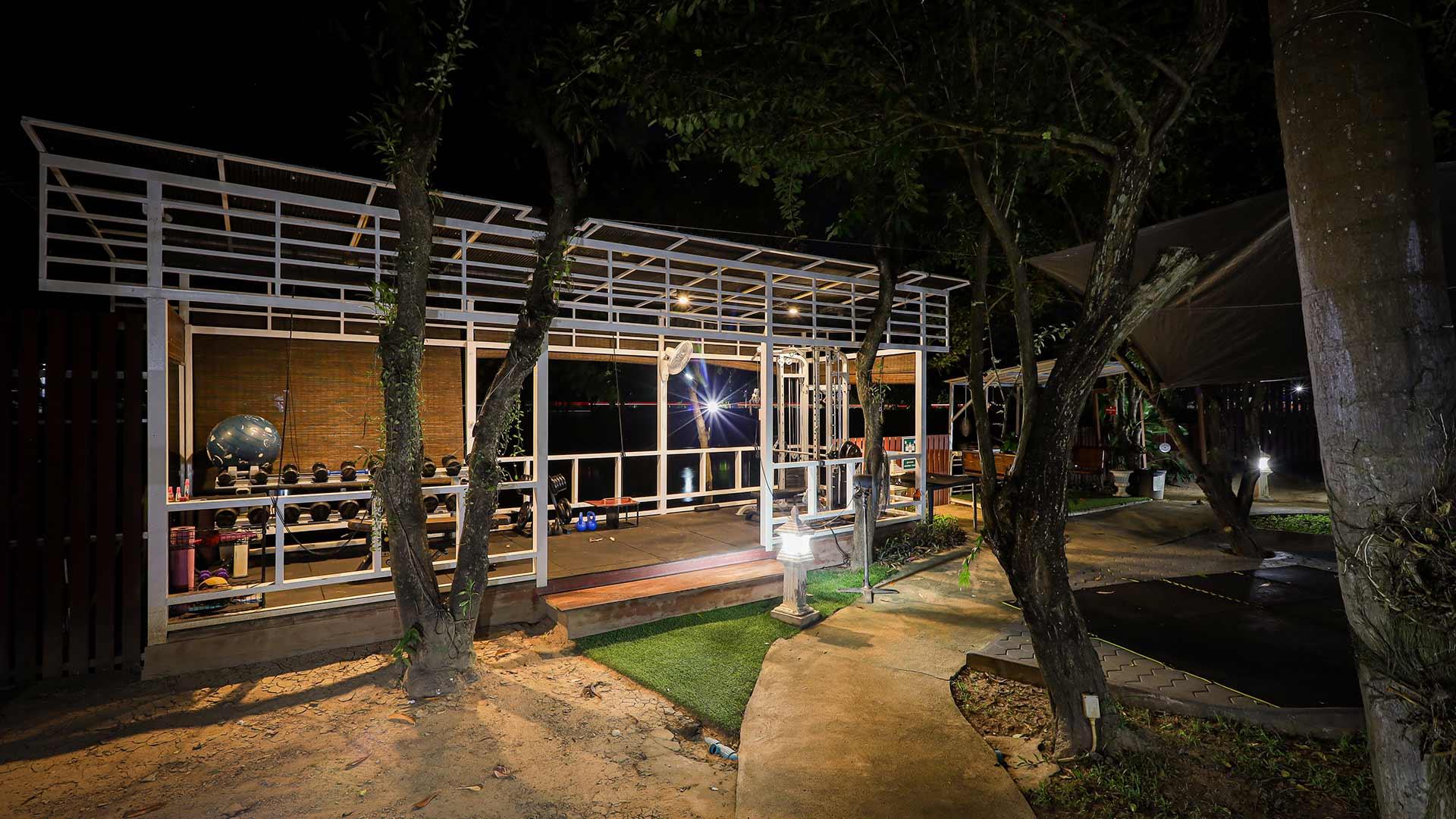
What Happens in Weeks One and Two with Fitness and Nutrition.
Physical exercise helps regulate mood, reduce withdrawal discomfort, and rebuild routines during early recovery. Structured daily activity, including movement, supports sustained engagement in treatment. At Jintara, sessions in weeks one and two stay short and predictable, building up gradually as sleep and energy improve. A simple structure that keeps it safe:
- Mobility and breath work: to reduce tension
- Light cardio: to support mood and sleep without overload
- Beginner strength: to rebuild confidence in your body
- Optional outdoor walks: for low stimulus regulation
You do not need to be fit to start. The first win is showing up and leaving with your system calmer than when you arrived.
What Does a Typical Weekly Movement Schedule Look Like in Rehab.
A structured weekly exercise schedule in residential rehab supports sleep normalisation, physical confidence, and emotional regulation. At Jintara, the schedule adapts to your medical clearance, sleep quality, and weekly progress. A common pattern looks like this:
- Three days per week in the gym: guided, technique first
- Two days per week for one-to-one sessions: goal based and paced
- Daily light options: like a walk or mobility, if you feel up to it
- Built in recovery time: because rest is part of progress
If you have been a heavy exerciser in the past, we can still work with that. We just keep it grounded, so training supports recovery rather than running it.
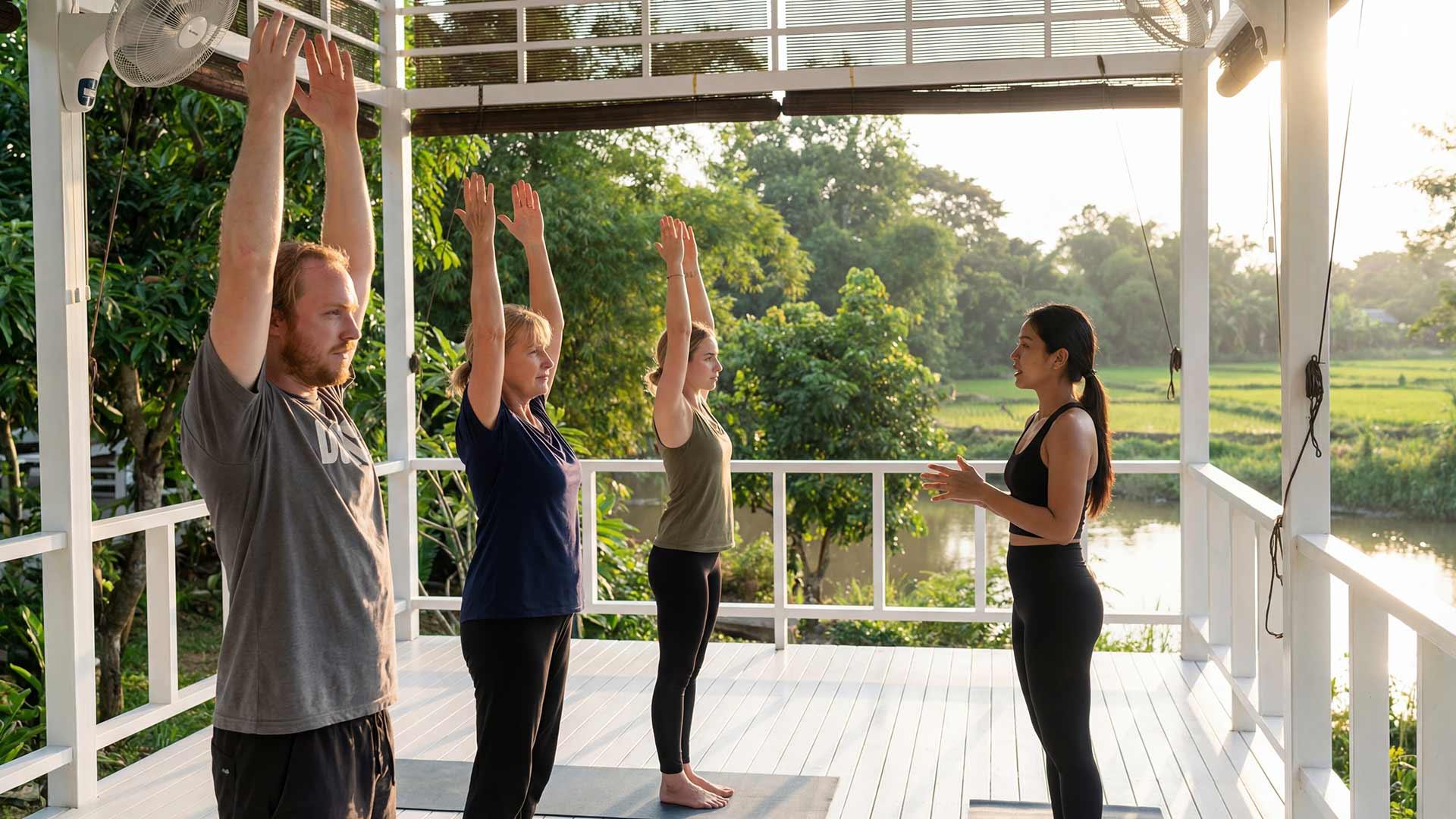
Is the Gym Supervised and What Keeps Exercise Sessions Safe.
Supervised exercise in residential rehab requires medical oversight to account for withdrawal-phase cardiovascular and physiological changes. SAMHSA's Treatment Improvement Protocol 45 specifies that all residential detox and stabilisation settings must have twenty-four-hour clinical support and rapid escalation protocols. At Jintara, sessions are guided, technique-focused, and adjusted if symptoms appear. Day 2 hospital-grade tests, including bloods, EKG, chest X-ray, and liver and kidney panels, give us a baseline before higher-effort sessions begin. Safety basics we use every day:
- Medical clearance: before higher effort sessions
- Nurse support: available at all times, including nights
- Injury history respected: with simple modifications
- Fast escalation: if something feels off
Minor injuries like scratches still get checked. If something bigger shows up, you see the nurse and we adjust the plan. If escalation is needed, our protocol routes to Chiang Mai Ram or Bangkok Hospital. If a client's mood or cravings change sharply, the clinical team communicates so you are not left to manage it alone. For families who cannot be on site, the question is whether these protocols hold under independent scrutiny. The Healthcare Accreditation Institute, the Princess Mother National Institute on Drug Abuse Treatment, and the Department of Medical Services, Ministry of Public Health conducted a joint assessment and confirmed Jintara's clinical care meets Thailand's hospital-grade national standard, certificate 25/2569. The body that reviews Thailand's hospitals reviewed the protocols here. Held to that standard, and small enough that the clinical team knows your loved one by name.
Will I Get to Try Muay Thai Training While I Am in Rehab.
Structured martial arts and physical skills training, when adapted for clinical populations, supports body awareness, discipline, and emotional regulation during addiction recovery. NCCIH's evidence on mind and body practices confirms that structured physical practices reduce anxiety and support stress management in treatment settings.
At Jintara, Muay Thai is always optional. Our Muay Thai sessions are technique-focused and introduced only after medical clearance. What it looks like in practice:
- No sparring and no contact: unless you want to
- Pads and technique drills only:
- Effort capped: with breaks when needed
- Skipped if it increases anxiety: or disrupts sleep
Some people regulate best through simple movement, not long talking. If that sounds like you, tell us early. We can talk through what is safe as part of our holistic approach for your first two weeks.

Is There a Pickleball Court at Jintara Rehab in Chiang Mai.
Social, low-impact sport is recognised as a complement to addiction recovery therapy because it combines physical activity with peer interaction and mild cognitive engagement. NCCIH's evidence on mind and body practices supports structured physical activity as a means of reducing anxiety and improving mood in clinical recovery settings. Jintara has a full-size pickleball court set beside the river, within the facility grounds, with paddles and balls provided. It is easy to pick up even if you have never played, raises your heart rate gently, and adds variety for people who find the gym repetitive.
- Open daily once cleared: low impact, joint friendly, suitable for most fitness levels
- Social without pressure: play with other clients or staff, equipment provided
What Nutrition Basics Support Mood and Sleep in Addiction Recovery.
Nutritional imbalances in early addiction recovery amplify anxiety, cravings, and sleep disruption. NIAAA's Core Resource on Alcohol notes that nutritional deficiencies are common in alcohol and substance use disorders, and that regular balanced nutrition supports brain function and mood stability during treatment. At Jintara, nutrition is simple, regular, and timed to reduce the spikes that destabilise mood and sleep. Here are the core basics we focus on:
- Balanced plates: with protein, carbs, fats, and vegetables
- Regular meal timing: so you do not crash and crave
- Hydration and electrolytes: when appropriate
- Caffeine limits: including no coffee after about 1:30pm for many clients
If you arrive with strong cravings for sugar, we notice the pattern and help you swap in better options without judgement. If you have preferences, allergies, or food limits, we talk it through and keep it workable.
What If Eating and Body Image Are Part of Your Struggle with Addiction.
Disordered eating and addiction frequently co-occur, sharing common neurological pathways involving dopamine, impulse control, and emotional regulation. SAMHSA's Treatment Improvement Protocol 45 recommends screening for co-occurring disordered eating during residential admission, including eating risk. At Jintara, eating behaviour is assessed at intake by master's-level therapists with at least ten years of experience, and clients with primary eating disorders are referred to specialist pathways with clear guidance on the safest next step.
If eating problems sit alongside substance use, anxiety, or depression, we can look at how nutrition support fits with mental health treatment and discuss whether Jintara is the right fit for you.
How Do You Coach Sleep Hygiene Basics So Nights Start Improving.
Sleep disruption is one of the most common and prolonged symptoms in early addiction recovery, affecting mood, cognitive function, and relapse risk. NHLBI's insomnia treatment guidelines identify cognitive behavioural therapy for insomnia as the first treatment option for long-term insomnia, and describe healthy sleep habits that can make it easier to fall asleep and stay asleep. At Jintara, sleep coaching begins in week one alongside trauma therapy, using consistent daily cues that make sleep more predictable. Here are a few sleep basics we coach:
- Consistent wake time: even after a rough night
- Morning light and earlier movement:
- A simple wind down routine: with lower light and calmer inputs
- Caffeine timing and evening food timing: that supports sleep
- Sleep hygiene techniques:
If sleep stays rocky, we review what is happening and adjust. That might include changing the timing of activity, checking cravings, or adding short skills from therapy that reduce rumination. Sleep is part of your recovery plan from detox onward, not a side issue.
What Should I Pack for Workouts and Comfort in Rehab.
Arriving prepared for physical activity in residential addiction treatment allows clients to begin movement sessions without delay, supporting early routine-building. SAMHSA's Treatment Improvement Protocol 45 emphasises structured daily schedules, including physical activity, as a key component of effective residential stabilisation. At Jintara in Chiang Mai, comfortable workout clothing and basic gear are all that is needed. Here is a sample packing list:
- Breathable tops and shorts or leggings: 3 to 5 sets
- Supportive sneakers and flip flops:
- Light long sleeve layer: for sun or AC
- Reusable water bottle: labelled
- Swimwear: modest, non transparent
- Sunscreen, hat, insect repellent:
- Earplugs and an eye mask: for sleep
- Any approved braces or insoles: if you use them
Do not bring pre workout stimulants, fat burners, or unlabelled supplements.
How Do You Speak with the Owner About Fitness, Nutrition, and Program Fit.
A pre-admission conversation with the program owner confirms whether the physical activity demands, nutrition structure, and daily schedule are a realistic fit for your current health. Jintara's owner takes that first call directly.
If you are considering Jintara for your addiction treatment and you feel unsure, a short call can bring relief. You do not need the perfect words. You can share what is happening now, what your energy and sleep are like, and what you are worried about.
Darren will talk you through suitability and timing, including medical clearance, how we handle low energy, and how the fitness and nutrition plan fits therapy and routine. This is not a sales call. It is a calm conversation about fit.

Talk with Our Admissions Team
Your enquiry is confidential and goes only to our admissions team.
Common Questions About Fitness and Physical Health in a Thailand Rehab
Most people start lighter than they expect. Early recovery can bring poor sleep, anxiety, and low motivation. So the aim is consistency, not intensity. We use simple sessions that help your body settle.
Mobility, light cardio, and beginner strength work are common starting points.
If you are anxious or your heart races easily, we often avoid fast cardio at the start. Instead we use easier strength work and mobility so your system stays calmer.
You can also pass on sessions if you feel unwell. The first win is leaving a session feeling steadier, not smashed.
You can still take part. We ask about injuries and limits in your first assessment and keep sessions realistic. If you have knee, back, or shoulder issues, we modify movements and focus on technique and control.
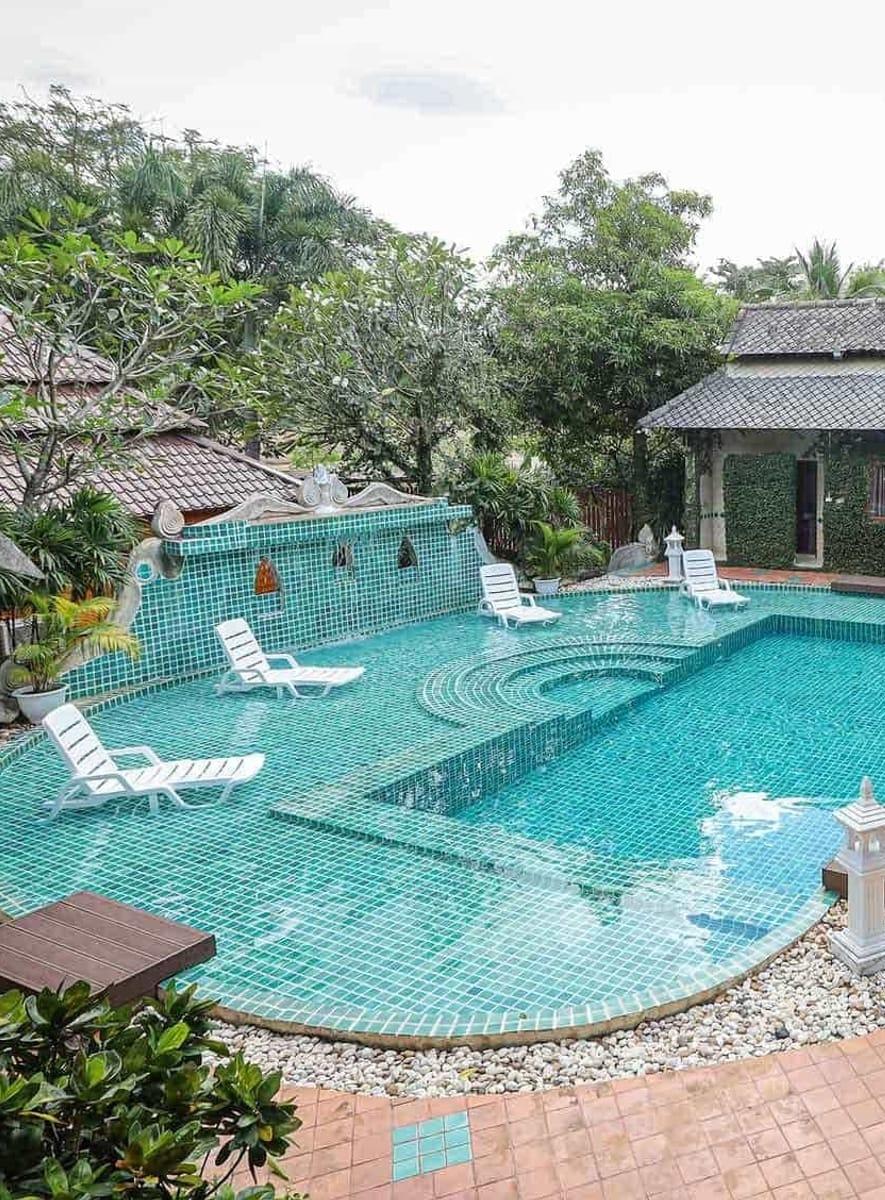
We also respect low energy. Some days your best effort is a short walk, pool aerobics and some mobility. That still counts. If pain shows up, we adjust. Pain is information, not a test of will.
If you are worried about a specific condition, let our owner know before you arrive. We can discuss what is safe and what needs a different pathway.
Sometimes, yes, once you are stable and cleared. It is always optional and it stays safe. The focus is technique and pads, not fighting.
There is no sparring and no contact. Effort stays controlled and breaks are normal.
If Muay Thai makes anxiety worse or disrupts sleep, we pause it. For some people, walking and mobility work better early on. For others, a skill based session helps them feel present in their body again.
If Muay Thai matters to you, mention it early. We can talk through timing, safety, and what safe looks like for you.
We can work with many needs and preferences, including allergies and food limits. We keep meals regular and balanced because early recovery needs steady energy. If you arrive with strong sugar cravings or irregular eating, we focus on simple steps you can repeat.
We also talk about caffeine. Many clients do better with a cut off in the early afternoon so sleep has a chance. We can discuss what is realistic for you and build from there.
If eating risk is a major part of your story, tell us early. Some eating disorders need specialist services. We will be clear about fit.
Nutrition supports sleep and mood in simple ways. Regular meals help keep energy more even. Harvard Health notes that diets high in refined sugars are linked with impaired brain function and worsening symptoms of mood disorders, such as depression.
Hydration also matters. Dehydration can feel like anxiety in the body.
Balanced meals that include protein, carbs, fats, and vegetables help keep energy more even across the day. That makes it easier to engage in therapy and keep your routines.
We keep it practical. No extreme rules. The goal is to lower the spikes and crashes that make recovery harder.
It depends. We avoid unlabeled supplements and stimulant products because they can affect sleep, anxiety, and blood pressure.
If you use a basic supplement for a clear reason, tell us what it is and bring it in original packaging.
Protein can be useful for some people, but food comes first. If a protein powder is needed, we talk through what is safe and how it fits your health needs and any medications.
If you are not sure, contact our owner before you pack. It is easier to clarify early than to argue about it later.
We stop and step down. We do not push through symptoms that feel unsafe. Early recovery can include swings in energy, blood pressure changes, and anxiety spikes. That does not mean you are failing. It means your system is still settling.
We may switch to slower movement, breathing, or a short walk. We may check in with the nurse if needed. We also review what led up to it, such as poor sleep, low food intake, dehydration, or caffeine.
These moments can still be useful. They help you learn what your body needs and how to respond earlier next time.
In many cases, yes, and we discuss it before you arrive. If you use insulin, we start with an assessment so we understand your needs and the safest way to support you day to day.
In one recent case, our team confirmed that insulin could be kept in the client's room, with a daily needle exchange so we can account for sharps safely. We treat this as a safety process, not a control issue. It keeps the environment safe for you and others.
If you are injecting multiple times per day, let our owner know before you arrive. Share how you store insulin, what supplies you use, and any recent changes. We will talk through practical steps and what to bring.
We keep it simple and respectful. Some clients like a clear baseline, others find weighing or measuring triggering. We can discuss what is helpful for you, and what is not. If we track anything, we focus on function and stability first.
Examples of progress that matters in early recovery include sleeping more consistently, having steadier energy, feeling less tense in the body, or being able to finish a short session without a spike in anxiety.
Those wins often come before physical changes.
If weight or food has been loaded in your past, tell us early. We can keep tracking minimal and focus on what supports recovery, not appearance.
That is a real concern for some people. We do not swap one compulsion for another. If you have a history of exercise dependence, using exercise to numb feelings, or feeling panicky when you miss a session, we name that pattern gently and plan around it.
Early on, we keep movement structured, time limited, and linked to sleep and mood. We build rest days on purpose. We also watch for signs that training is becoming rigid or punishing. The aim is a calmer relationship with your body, not a new rulebook.
If this is you, mention it to the owner before you arrive. It helps us set the right tone from day one.
You are not alone. In early recovery, caffeine and sugar can feel like the only thing that works. The problem is they can also spike anxiety, cravings, and sleep problems, especially when your system is still settling.
We do not shame it. We notice patterns with you and make practical swaps. That might mean a caffeine cut off time, smaller steps down, or changing timing so it does not hit your nervous system late in the day. For sugar, we look at what you are missing in meals, and what can keep energy steadier.
The goal is a steadier mood and better sleep, not perfection.
Yes. Fitness at Jintara is not about performance. It is about function, confidence, and safety. If you are older, stiff, or cautious, we can build movement around mobility, balance, joint friendly strength, and gentle cardio.
Many people at Jintara Rehab do best with shorter sessions, lower impact options, and more recovery time. We can use walking, simple strength work, and mobility flows that reduce pain and tension without pushing your heart rate too high.
If you have a specific limitation, reach out before you arrive. Our owner can talk through what will feel doable and what support you may need.
Yes. Jintara holds joint accreditation from three national bodies: the Healthcare Accreditation Institute (HAI), the Princess Mother National Institute on Drug Abuse Treatment (PMNIDAT), and the Department of Medical Services, Ministry of Public Health (DMS). Certificate number 25/2569, valid 20 May 2026 to 19 May 2029.
The accreditation assessed the clinical environment across the residential program, which includes the medical clearance procedures, nursing oversight, and escalation protocols that apply to supervised exercise sessions during early recovery. Jintara is one of only six private rehabs in Thailand to hold this accreditation.
The accreditation was issued jointly by the Healthcare Accreditation Institute (the body that reviews Thailand's hospitals), the Princess Mother National Institute on Drug Abuse Treatment, and the Department of Medical Services under the Ministry of Public Health. Certificate 25/2569 is the reference number, valid from 20 May 2026 to 19 May 2029 and covering both residential facility categories.
You can request a copy of the certificate by contacting Jintara directly. It is the same document that a hospital would carry, issued by the same national authority.
Jintara Rehab is licensed by the Thai Ministry of Public Health as a rehabilitation centre. The clinical information on this page describes Jintara's general approach to supporting clients during the early recovery period. Medical decisions, including medication protocols, are determined by addiction-specialist psychiatrists through our partner hospital pathway. Individual treatment varies based on clinical assessment. This content is for informational purposes and does not constitute medical advice.