

Excursions In Your Chiang Mai Rehab Program
This page explains how excursions work inside the residential rehab program at Jintara, once detox and your early stabilisation is underway. We keep it calm, practical, and paced to your energy. Excursions are designed to be "sober fun" in real settings, with staff close by and clear boundaries.


Fully Licensed and Hospital Accredited
What Do Excursions Feel Like Once You Are Stable?
Supervised off-site activities help rebuild the practical skills of sober daily life in real-world environments. At Jintara, Saturday excursions run in small groups with nursing and support staff present, paced to match your stage of stabilisation. With around 10 clients and 32 staff at the centre, supervision on outings is close, not loose.
At Jintara, excursions are usually on Saturdays and are typically full day outings. Each excursion generally includes a proper restaurant meal, and sometimes a simple coffee stop. Staff choose low to medium stimulus options so the day feels steady, not overwhelming. This is not about big thrills. It is about practising everyday life with support so the ongoing therapy you continue back at the centre has more to work with.
If you do not feel ready, you are not shamed for it. Readiness is checked on the day. If you skip, you stay at the centre with staff care and routine. The aim is safety first, then small wins.
This page is the operational one, covering how a day out is planned, cleared and supervised. The reasoning underneath it, including why relearning enjoyment without a substance is a clinical objective rather than a perk and what the unscheduled hours carry, is set out in time outside the clinic during rehab in Chiang Mai.

Where Do Clients Go on Excursions?
Excursion destinations are selected to support calm re-entry into everyday social settings without triggering anxiety or overloading clients in early stabilisation. SAMHSA's TIP 45 chapter on settings and levels of care describes clinically managed residential detoxification as 24-hour support. Venues change seasonally and are matched to group readiness, with manageable walking distances and low crowd exposure built into each plan.
If a location feels too busy, too physical, or too stimulating, tell staff. The plan can often be shaped to the group's needs.
| Location | Type |
|---|---|
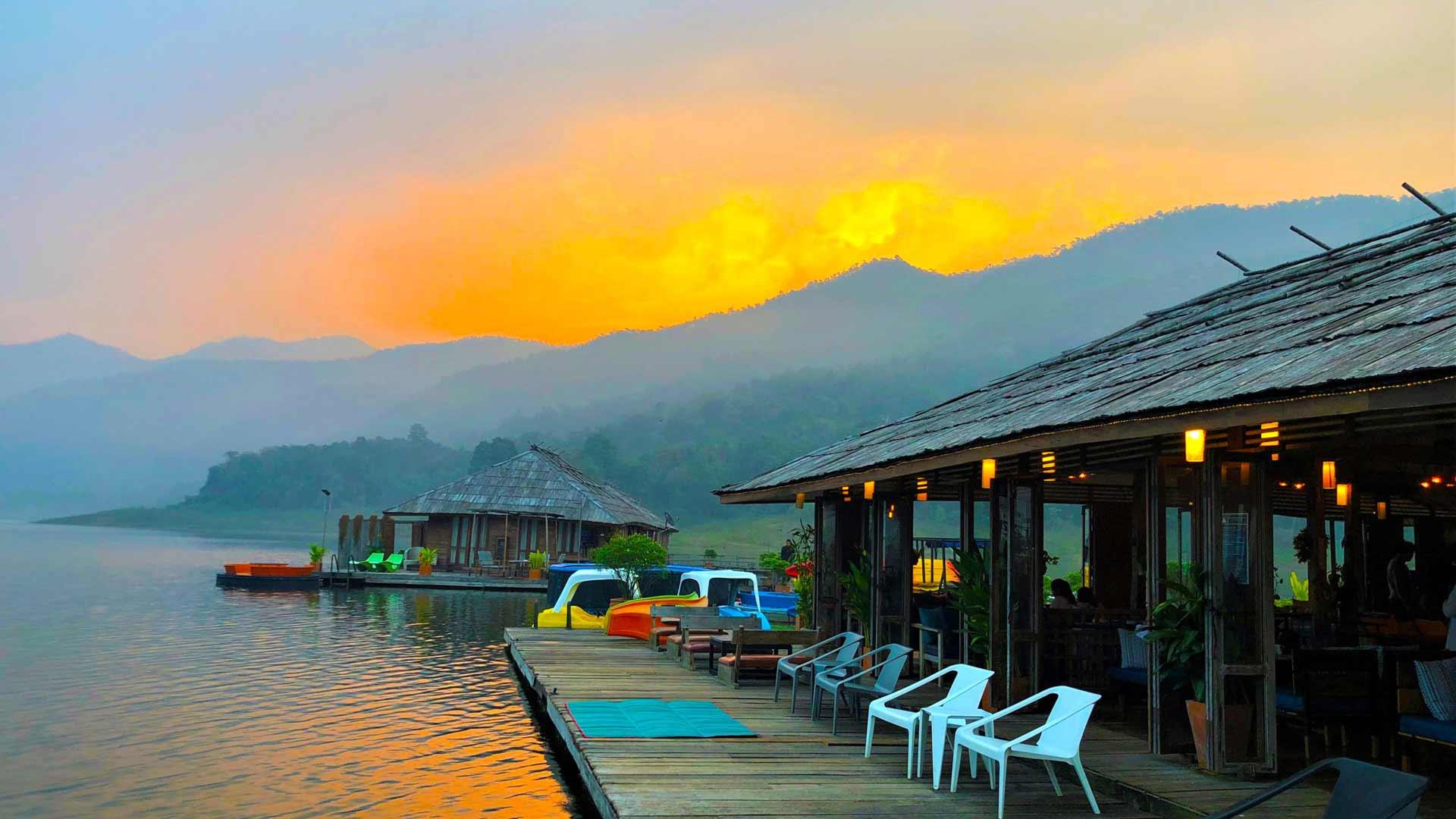
| Mountain Float (Mae Ngat Dam, Mae Taeng) | Reservoir day, boat access, floating and sitting |
| Asia Scenic Thai Cooking School | Market visit and guided cooking class |
| Happy Elephant Home (Mae Taeng) | Elephant sanctuary visit, no riding |
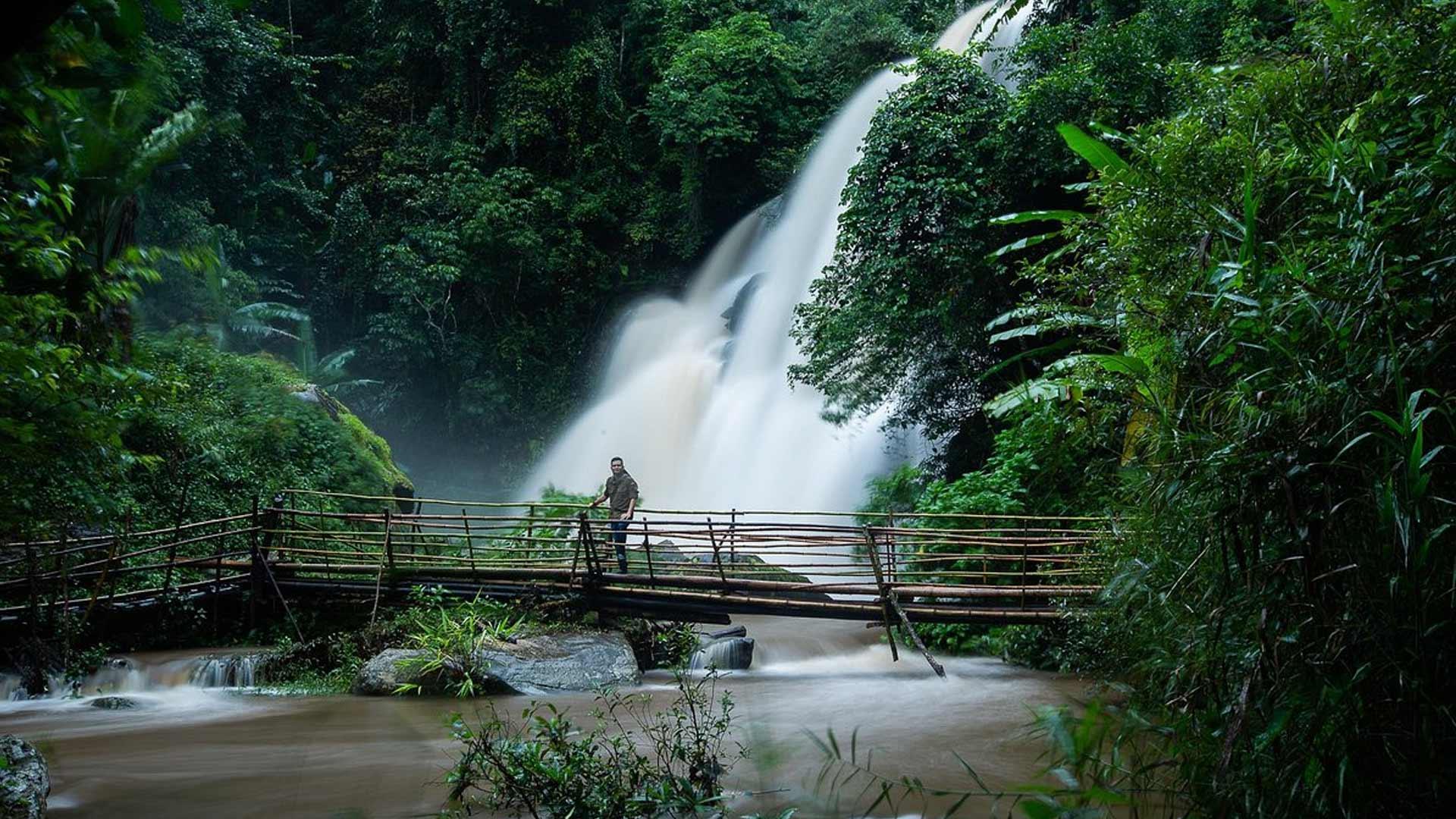
| Pha Dok Sieo Nature Trail (Doi Inthanon) | Guided forest walk with waterfalls |
| Mae Sap Cave (Samoeng area) | Cave walk, slow pace, turn-back points |
| Mae Kampong Village (Mae On) | Village visit, gentle exploring |
| Bamboo Rafting (Mae Wang) | River rafting activity |
| Doi Suthep (Wat Phra That Doi Suthep) | Temple visit, cultural outing |
| Queen Sirikit Botanic Garden | Gardens, easy walking loops |
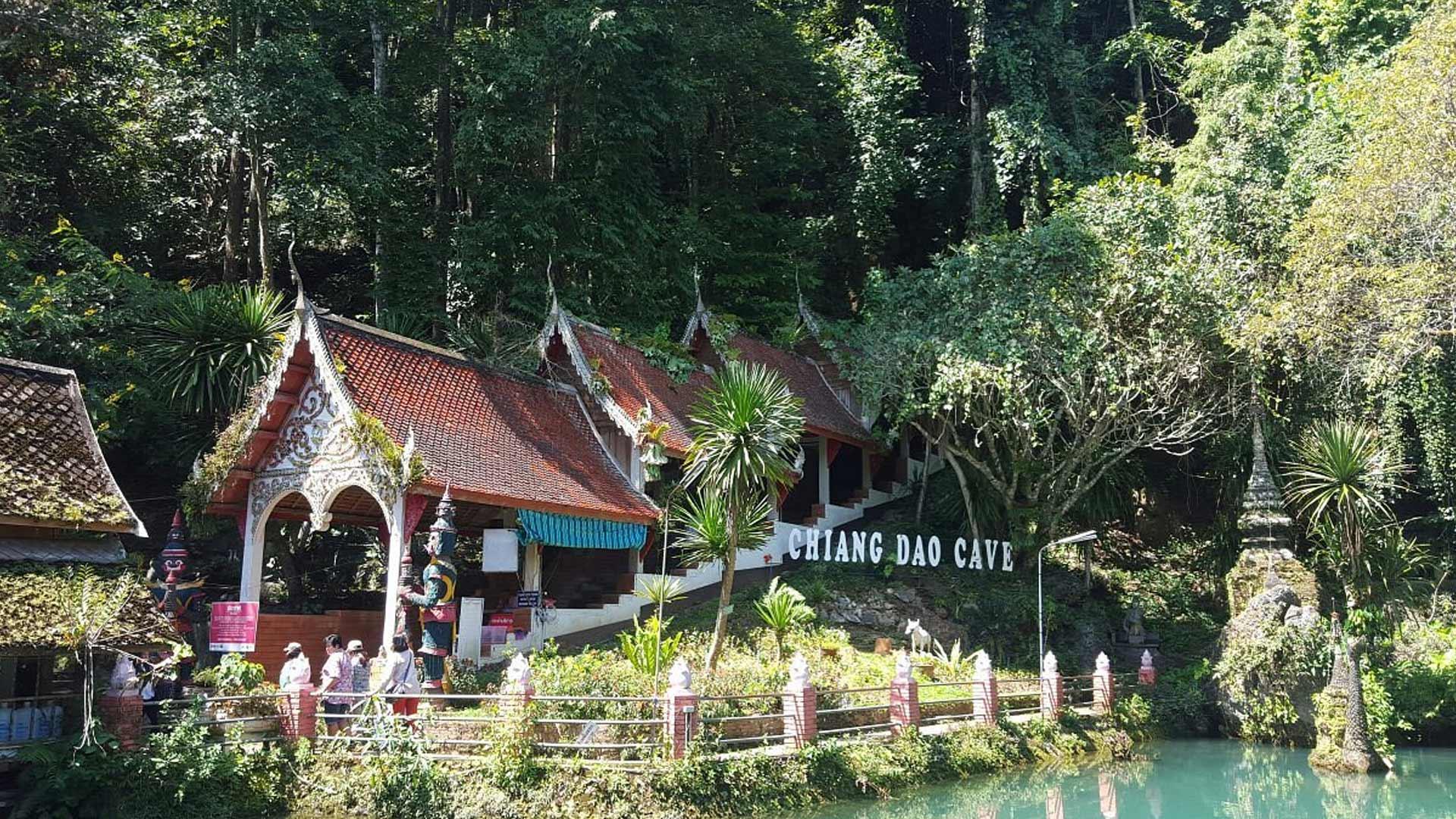
| Chiang Dao Cave | Cave visit, paced sections |
| Major Cineplex (Theatre) | Movie outing |
| Royal Flora | Large gardens, gentle walking |
What Does a Typical Saturday Excursion Look Like?
A predictable excursion structure reduces anticipatory anxiety and builds sober-life confidence through graduated real-world exposure. SAMHSA's residential treatment guidance identifies structured daily programming, including supervised off-campus activities, as a core component of comprehensive residential care. Most Saturdays at Jintara follow a briefing, travel together, one main destination, a restaurant meal, and a calm return to the centre. What you can usually expect on the day:
- A clear plan before you leave, including timing range and walking expectations
- One main destination, chosen for calm pacing
- A proper restaurant meal as part of the outing
- Water, rest points, and a steady return to the centre
Destinations change based on season, weather, and the group's energy. Examples can include a calm reservoir day, botanic garden walks, quiet temples, caves, a cooking school experience, or an elephant sanctuary visit without riding. Some weeks may include a practical stop like a supermarket for personal items. Staff aim for places that feel normal and grounding, not crowded or high stimulation venues. The core rule is simple. Stay with staff and with the group. That single rule removes a lot of uncertainty and lowers risk for you and other clients in public settings.
Who Decides if You Are Ready to Go Off-Site?
Readiness for off-site activities is assessed by nursing staff on the day, not by motivation alone. SAMHSA's residential care guidance identifies clinical stability, including sleep quality, physical vitals, and resolution of acute withdrawal symptoms, as the criteria for expanding a client's program activities. At Jintara, nurses assess early stabilisation progress, mobility, and anxiety level before clearing any off-site outing. Readiness is usually based on practical signals like:
- Sleep and daytime steadiness (not perfect sleep, just stable enough)
- Vitals and physical stability on the day
- Mobility and stamina for the planned walking
- Your current anxiety level and ability to stay connected to staff
- Whether leaving the centre is likely to help, or overload you
If you arrive early in the week and settle well, many people can attend the first Saturday. If you arrive late in the week and you are still adjusting to sleep, appetite, or withdrawal symptoms, you may skip that weekend. That is not a failure. It is sensible pacing. If you do not go, the day is still structured. You stay on-site, you eat, you rest, and you continue the program. When you are steadier, you can try again. Most people find the first outing easier than they expect because the rules and staff presence reduce the pressure to perform.
How Do You Keep Every Outing Safe, Supervised, and Respectful?
Safe off-site activities in addiction recovery require consistent supervision, clear behavioural boundaries, and a predictable structure that clients can rely on. NIDA's treatment overview describes relapse as often part of recovery, and describes residential programs that provide counselling, medications, and referrals to continuing care. At Jintara, every excursion runs with nursing and support staff present throughout, keeping the group together and reducing the chance of isolation or rule-breaking.
Boundaries are practical and consistent. They exist to reduce stress, protect privacy, and keep the day calm for everyone:
- Stay with staff and stay with the group
- Keep behaviour respectful in public
- No loud music, shouting, or creating scenes
- No delaying the group with last-minute detours or demands
Staff choose venues that reduce risk and stimulation, and they build in water, rest stops, and a proper meal so people do not crash. That helps avoid the low blood sugar, dehydration, or fatigue that can make anxiety spike. Privacy is treated seriously. Phone and camera use is monitored, and you cannot take photos of other clients. Scenery photos are usually fine. Staff also discourage chatting with strangers because it increases privacy risk and can pull you into awkward conversations when you are already vulnerable. If something feels off, staff step in early. The aim is quiet prevention, not drama.
What Happens if the Weather Shifts or the Plan Changes?
Plan changes due to weather are the main source of uncertainty on excursion days and can spike anxiety for clients managing co-occurring anxiety disorders. SAMHSA's trauma-informed principles include trustworthiness and transparency. At Jintara, weather-driven changes in Chiang Mai follow a clear protocol so the day's structure stays intact. If the plan changes, what stays the same is the structure:
- Staff explain what is changing and why
- You get a new timing range in plain language
- The group stays together and the pace stays steady
- The day still includes food, breaks, and a calm return
If the weather turns, staff may switch to a different destination that fits the conditions. That can mean options with more cover, shorter walking, or a simpler day structure. In heavy weather, the plan may shift to a calm lunch and an indoor activity like a movie, so the day still has routine and shared normal life experience. Staff communicate changes clearly. You are not expected to cope with uncertainty alone. That predictability helps anxious clients feel safer, and it helps caregivers trust that the team has a real process.
What if You Feel Anxious or Overwhelmed on an Excursion?
Anxiety in public settings is common during early addiction recovery, particularly for clients managing withdrawal, trauma history, or co-occurring anxiety disorders. SAMHSA's trauma-informed care guidance recommends a consent-based, safety-first approach that gives clients clear exit options when distress rises in real-world settings. At Jintara, staff are trained to spot early escalation signs and step aside with you before anxiety peaks, while keeping the group's outing on track.
If you feel overwhelmed, a staff member can step aside with you nearby, often to a calm corner or a nearby coffee spot. The goal is stabilisation first. You can sit, breathe, and let your body settle using the grounding techniques you practice on-site. That pause is not "wasting the day." It is part of learning how to self-regulate without substances. If it helps to know there is a plan, this is what it usually looks like:
- Tell staff early, before it builds
- Step aside to a quieter spot with a staff member
- Decide what is realistic next: rejoin, take longer, or return
- If needed, staff arrange collection and bring you back to the centre
If you cannot continue, staff can arrange collection and bring you back to the centre. For medical concerns beyond the centre's care, our hospital escalation pathway with Bangkok Hospital and Chiang Mai Ram is in place. Families watching from overseas sometimes ask who independently verified the clinical oversight behind that. The same three national bodies that set Thailand's hospital-grade clinical standard, the Healthcare Accreditation Institute, PMNIDAT, and the Department of Medical Services, assessed and confirmed Jintara's protocols under certificate 25/2569. This is handled quietly and respectfully. You are not punished for being honest about your limits. Over time, this creates trust in yourself. You learn you can enter a real setting, feel something hard, and still stay safe. That gradual practice of coping skills in high-risk real-world situations is a recognised part of relapse-prevention work.
How Far Do Clients Travel and How Long Are Excursions?
Recovery-paced excursions are designed to build real-world confidence without imposing the physical or cognitive demands of a full day's travel. Reducing unnecessary stressors during early recovery helps keep people in treatment. At Jintara, most destinations are within 90 minutes of the centre, and each outing is structured around one main destination, a restaurant meal, and a steady return.
Excursions are generally day outings, and the group returns the same day. Exact times depend on the destination, traffic, and weather, but staff brief the group on the plan before leaving. If you like predictability, ask two questions before you go:
- How much walking is likely?
- What is the return window?
If you have limited mobility or low energy, tell staff early. Many destinations include seating, short loops, and easy turn-back points. The day can be shaped around steadiness, not performance. Your fitness and energy levels will improve as the weeks progress.
How Do You Speak with Admissions About Excursions Before You Arrive?
A pre-admission call with Admissions at Jintara is the most direct way to understand what excursions involve before committing to the program. SAMHSA's treatment locator encourages prospective clients to ask residential programs specific questions about daily structure and what to expect during the first week of treatment. Questions about readiness criteria, supervision boundaries, and contingency plans for difficult days are all appropriate and welcome. People usually feel calmer after they get clear answers on:
- How readiness is checked on the day
- How the group is supervised off-site
- What happens if you feel overwhelmed in public
- How plan changes are handled in bad weather
- What the day typically costs you personally, if anything
Ask about this Saturday's excursion. Your enquiry stays confidential, and there is no pressure to commit.
Talk with Our Admissions Team
Your enquiry is confidential and goes only to our admissions team.
Common questions people ask about rehab excursions in Chiang Mai
Privacy is taken seriously on outings. You cannot take photos of other clients. Phone and camera use is monitored by staff, and staff will step in if a situation creates privacy risk. Scenery photos are usually fine, but anything that could identify another client is not allowed.
We also choose venues that reduce unwanted attention. Many outings are low to medium stimulus, like nature settings, calm cultural sites, or relaxed daytime venues. Staff discourage chatting with strangers because it increases the chance of uncomfortable questions and reduces your sense of safety.
If privacy is a top concern for you, tell Admissions early. We can guide you on what the day typically looks like, how the group moves through venues, and how we reduce exposure. You never have to explain your story to anyone outside the program.
Phones are handled with clear boundaries. You may be allowed to carry your phone, but staff monitor use during outings. The key rule is that you cannot take photos of other clients. You can take scenery photos or a photo of yourself, as long as it does not include others.
We also encourage you to stay present with the group. Early recovery can make it tempting to escape into scrolling when you feel uncomfortable. If you feel anxious, it is usually more helpful to tell staff so they can help you settle in a way that builds real confidence.
If there is a real need, like an urgent call, speak with staff before the outing, rather than call in the vehicle, which may trigger other clients. We will help you handle it in a way that protects privacy and keeps the group safe.
Excursions are designed to be predictable. Most Saturdays follow a simple structure: briefing, travel together, one main destination, a meal, then return to the centre. Staff outline the plan before leaving so you are not left guessing.
You will also get clear boundaries, like staying with staff and respecting privacy. That structure reduces anxiety for many people. If the plan needs to change due to weather or group readiness, staff explain the change and give an updated plan. The default is not chaos. It is calm adjustment.
If you like tight timing, ask staff what the walking will likely be and what the return window is. We can give a realistic range based on the destination, traffic, and the day's conditions.
Outings run with staff presence that matches the size and needs of the group. Staff typically include nurses and support staff, and sometimes a therapist. The goal is close supervision, not loose independence. If something goes wrong, we act early and keep it quiet:
Step aside with a staff member nearby. Stabilise first, then decide what is realistic next. Arrange transport back to the centre if needed.
The overall risk is also reduced by choice of activities. We avoid high-adrenaline, high-risk options and focus on steady, manageable plans. The simplest safety rule is that clients stay with staff. That keeps the outing contained and lowers the chance of risky situations in public settings.
Weather is the main reason plans change. Chiang Mai can shift quickly, and indoor options can be limited. The excursion day usually still goes ahead, but the destination or activity may change.
If rain is light, staff may switch to options that still feel open and calm but offer more cover. If the weather is heavy, the plan may shift to a simpler structure like lunch and an indoor activity, so the day still has routine and shared normal life experience.
Traffic can also affect timing. Most destinations are chosen within a manageable driving range so the day does not become exhausting. If delays happen, staff keep the group steady with breaks and a sensible pace rather than rushing to "complete" everything.
Many excursions are chosen with low energy and older adults in mind. The pace is usually calm, and staff avoid long, intense hikes or high-risk activity days. Many venues offer seating, short walking loops, and easy turn-back options.
Readiness is practical. If you are unsteady, weak, or still in early stabilisation, you may skip a day with lots of walking or stairs. Nurses make the call on the day based on safety. Skipping is not a failure. It is sensible pacing.
If you have a specific mobility concern, tell staff early. We can describe the likely terrain, walking time, and rest options, and we can guide you toward the most doable outings as you build strength.
This is common in early recovery. Sleep can be choppy, anxiety can spike, and your body can feel raw. Research shows that even short periods in natural settings can reduce cortisol and lower stress responses. That is why readiness is checked on the day. If you are not steady enough, you may skip and stay on-site with staff care and routine. If you are physically stable but anxious, a graded approach can help:
Stay close to staff. Take breaks early, not late. Aim for one or two small wins, not a perfect day.
If anxiety spikes while out, staff can step aside with you nearby and help you settle. If you become unwell, we can arrange for you to return to the centre. The goal is safety first, then gentle exposure, not forcing a tough day.
Yes. If you arrive and realise it is harder than expected, tell staff. A staff member can stay with you and step aside nearby, like a calm corner or a nearby coffee spot, while the group continues.
You can pause, breathe, and let your nervous system settle. If you recover and want to rejoin, staff guide you back in. If you cannot continue, staff can arrange collection and return you to the centre.
There is no punishment for opting out. The focus is honesty and safety. Many people build confidence through small, respectful exits and returns. That skill matters in real life too, because it helps you leave stressful situations without using substances.
Sometimes, but they are not the default. Many clients are older, tired, or still rebuilding strength, so most outings stay in the low to medium stimulus range. We avoid high-adrenaline options like go-karting, zip lining, quad bikes, and motorbikes.
Some weeks may include more active options, depending on season, weather, and group readiness. If you want a higher-energy day, staff will talk it through with you and consider your sleep, stability, and physical readiness. Consent matters. You should feel calm about the plan, not pressured.
If something feels like it will spike anxiety or disrupt sleep, we defer it. In early recovery, the safest "adventure" is often a steady day that leaves you more regulated.
Excursions are part of the residential program. Many outings include a planned meal. That helps keep the day simple and reduces decision stress. Some outings may include a practical stop like a supermarket for personal items.
You may still want a small amount of money for personal purchases, depending on the plan. Staff keep boundaries clear to avoid unplanned detours that can create conflict or confusion. The group's safety and structure come first.
If you are unsure what to bring, ask staff during the briefing. We will tell you what is likely to be needed for the day, and what is not. The goal is a calm outing, not a shopping day.
Bring what keeps you comfortable and steady. Wear comfortable clothes and shoes that match the day's walking. Bring sun protection for outdoor days, and a light layer for air-conditioned venues. Chiang Mai heat can drain energy quickly, even on calm days.
Hydration is built into the plan, and staff schedule breaks. If you like having a small snack, ask staff what is appropriate for that day and venue. The aim is stable energy, not sugar spikes and crashes.
If you take medication, speak with the nursing team before the outing. Nurses guide what is needed and how it is carried and taken during the day. The goal is safety and routine, with privacy respected.
Many clients at Jintara can attend their first Saturday if they arrive early in the week and stabilise well. If you arrive late in the week and you are still settling sleep, appetite, or withdrawal symptoms, you may skip that weekend.
The decision is made on the day. Nurses consider sleep, steadiness, mobility, and how you are coping. Skipping early is common at Jintara, and it is often the right choice. You are not behind. You are pacing it safely.
If attending a Saturday outing matters to you, mention it when you get in touch. We can explain what first-week readiness usually looks like, and how we plan a first outing so it feels safe and doable.
Jintara holds accreditation certificate 25/2569, jointly assessed by the Healthcare Accreditation Institute (HAI), the Princess Mother National Institute on Drug Abuse Treatment (PMNIDAT), and the Department of Medical Services, Ministry of Public Health. These three national bodies set and apply the clinical standard used for Thailand's hospitals. Jintara Rehab is one of only six private rehabs in Thailand to hold this accreditation.
The accreditation runs from 20 May 2026 to 19 May 2029 and covers both facility categories. Families can verify it directly through the HAI public register.
The accreditation covers the clinical protocols governing nursing conduct, medication handling, clinical decision-making, and escalation procedures, including the response when a client becomes unwell during a supervised off-site activity.
Those protocols were assessed by the Healthcare Accreditation Institute, PMNIDAT, and the Department of Medical Services, and confirmed to meet Thailand's national hospital-grade clinical standard. That gives families an independent reference point for the care structure they hear described, not just what the centre says about itself.