

Conditions We Treat at Our Chiang Mai Rehab
Most people who reach this page already know something is wrong. The real question is whether anyone understands the kind of problem you are living with and can handle it safely. At Jintara we keep our focus clear so you know where you fit. We mainly help adults who:
- Have alcohol, drug, or prescription use that has started to run their life
- Also live with anxiety, depression, low mood, trauma, or burnout
- Want a calm adult setting with real medical cover, not a "one size fits all" program
If you are not sure whether your mix of substances and mental health fits here, Admissions can talk it through with you in plain language.

Fully Licensed and Hospital Accredited
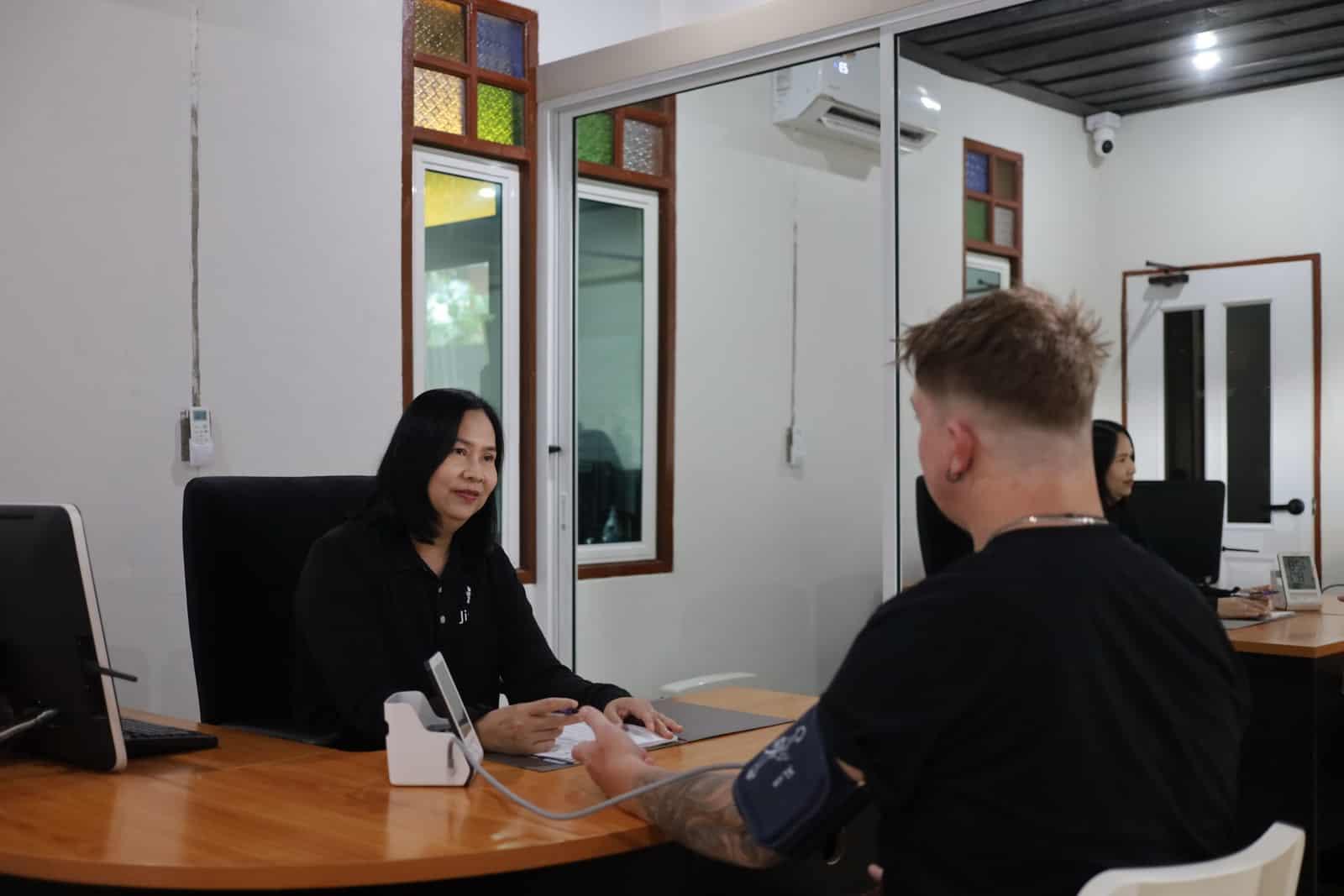
Why Jintara Can Treat These Conditions Safely.
Before you read what we treat, it helps to know who is handling it. The conditions on this page need real medical cover, real assessment, and a setting small enough that no one slips through. Jintara is built for that, not for volume.
- Around 10 clients with about 32 staff so therapy, medical, and support cover are personal, not industrial. You are known by name from day one
- Day 2 hospital-grade workup at our cost bloods, EKG, chest X-ray, liver and kidney panel, so detox and any medication choices are based on real data
- Owner-led admissions founder Darren Lockie personally reviews every clinical fit before a place is offered, including yours
- Master's-level therapists with 10+ years' experience including Denise O'Leary, the only EMDRIA-certified clinician in Thailand, delivering CBT-led evidence-based treatment and EMDR for trauma when you are clinically stable
- Awake nursing 24/7 and a hospital escalation pathway with Bangkok Hospital and Chiang Mai Ram on call, so detox or medical risk is never managed alone
Choosing a rehab from a distance carries a specific fear: is this place as safe as it says, or are you taking that on faith? Independent accreditation answers that directly. Jintara's clinical protocols, medication handling, and 24/7 nursing have been assessed against the hospital-grade national standard applied to Thailand's hospitals and confirmed to meet it. Certificate no. 25/2569, issued by three national bodies. Proven to that level of scrutiny, and still small enough that you are known by name from day one. 12-step peer support is available if you want it, but the core is one-to-one therapy, group work, and medical safety. You can read more about how the program is structured day by day.

What Conditions Does Jintara Safely Treat.
Substance use disorders and co-occurring mental health conditions are usually better treated at the same time rather than separately, according to NIDA's treatment overview. Jintara concentrates on a focused set of presentations rather than attempting a general-purpose program for every type of addiction or mental health concern. We focus on
- Alcohol addiction and long-term heavy drinking
- Drug and prescription medication dependence
- Addiction that sits alongside anxiety, depression, trauma, or burnout
- Behaviour patterns that feed substance use, where addiction is still the primary problem
Jintara treats international and expat clients from across Southeast Asia and beyond, with all clinical work conducted in English. You can explore each area below and then decide whether it matches what is happening in your own life.

How Does Jintara Treat Alcohol Use Disorder.
For many adults who come to Jintara, alcohol has shifted quietly from "a way to unwind" to something that shapes every day. They may still be working and paying bills, yet are scared by how hard it is to cut back or stop.
Alcohol use disorder is a medical condition defined by impaired control, increased tolerance, and withdrawal when drinking stops, according to NIAAA's diagnostic criteria. Adults with physical alcohol dependence need medically supervised detox before residential therapy can begin safely. Jintara's 30-day program addresses alcohol use disorder with on-site detox, daily individual therapy, and psychiatric input. At Jintara we work with:
- Daily drinking that has crept up over the years, including morning or "top up" use
- Binge patterns where alcohol leads to blackouts, risk taking, or shame after weekends or trips
- People who have tried home detox, hospital stays, or short breaks that did not hold
- The way alcohol connects with work stress, relationships, sleep, and mood rather than looking at it in isolation
- Ongoing psychiatric and medical input so mood, sleep, and physical health are part of the plan
Addiction affects the whole household, not only the person in treatment. Family support is part of how we address this.

How Does Jintara Treat Drug and Prescription Medication Dependency.
Most people who reach the drug page already know they are using more than they want to. Some started with a prescription, some with weekend use that turned into most weeks, and some have been managing several substances for years.
Drug and prescription medication dependence spans a wide range of substances, all of which can cause physical dependency that requires clinical management to stop safely. Jintara's residential program addresses stimulants, opioids, painkillers, benzodiazepines, and complex mixed-use patterns through medically supervised detox and structured daily therapy. Our program covers
- Stimulants such as cocaine and ice and methamphetamine addiction used for performance, confidence, or staying awake, alongside club drug dependence on MDMA, GHB and ketamine that begins in social and nightlife settings
- Opioids and painkillers supported by our opioid addiction treatment, often after surgery or injuries, including prescription drug dependency on tramadol, codeine, and gabapentin. Clients presenting with kratom addiction are managed through the same opioid withdrawal protocols used for heroin addiction and prescription opioids. Clients whose fentanyl supply contains xylazine receive specific wound care coordination alongside their opioid detox.
- Benzodiazepines and sleeping tablets that started for anxiety or insomnia, where sleeping pill dependence sits alongside the benzodiazepine taper protocol we use to bring each dependency down safely
- Cannabis where regular use has moved into dependency, managed through cannabis addiction treatment with behavioural therapy and withdrawal support
- Mixed patterns where drugs and alcohol are used together to push through work, social life, or travel
Detox for these substances is planned, medically overseen, and supported by awake nurses and partner hospitals, not left to chance in a guest room.





How Does Jintara Treat Addiction Alongside Mental Health Conditions.
Very few people who contact Jintara are "just" addicted. Most have been living for years with anxiety, depression, low mood, trauma memories, or burnout that never really settles, and substances have become their main way of coping.
Addiction and co-occurring mental health conditions often present together. NIMH's overview of co-occurring substance use and mental disorders describes that overlap. Treating the mental health picture separately from the addiction typically leaves the underlying drivers of substance use unresolved. Jintara's program addresses both dimensions together throughout the same 30-day residential stay. We regularly treat:
- Alcohol or drug dependence that sits on top of long-term anxiety or depression
- Trauma and PTSD from childhood, accidents, work exposure, or relationships, supported by EMDR and other trauma-focused methods when it is safe
- Burnout and chronic stress in people who have carried high responsibility at work or at home
- Bipolar or other diagnoses that are already under psychiatric care and can be kept stable during treatment
This kind of dual diagnosis treatment means the addiction and the mental health picture are handled together so you are not sent home with a clean liver and the same unhandled pain.


What Behavioural Patterns Does Jintara Address Alongside Substance Addiction.
For some adults, drinking or using is one piece of a wider loop that also includes gambling, screens, sex, or compulsive spending. The behaviours feed each other, and stopping one without addressing the others rarely holds.
Behavioural patterns such as compulsive gambling, pornography use, and compulsive spending frequently co-occur with substance addiction and are reinforced by overlapping reward-circuit disruption, according to NIDA's comorbidity research. Jintara's process and behavioural addiction framework addresses these patterns when they form part of a wider substance addiction picture, not as a stand-alone presenting problem. We can help when:
- Gambling, porn, or sex use has escalated alongside alcohol or drugs and feeds shame or secrecy
- Screen, gaming, or social media habits are tightly linked to drinking or using
- Money, time, and attention are being pulled into behaviours that keep relapse going
- You are willing to work with firm boundaries on devices, online accounts, and spending while in treatment
If behavioural issues are the primary problem and substances are minor or not involved, we will usually suggest alternative services that specialise in that work.

When Is Jintara Not the Right Clinical Fit.
Saying no to the wrong fit is part of how we keep the right fits safe. There are situations where another setting will give you better care, and we would rather tell you that than stretch the program past what we can run well.
Effective addiction treatment depends on matching a client's clinical presentation to a facility's specific treatment competencies, according to NIAAA's alcohol treatment guidance. Accepting clients whose care needs exceed a facility's clinical scope creates risk for them and for everyone else in the program. Jintara is transparent about its boundaries to protect every person in care. We are usually not the right place for
- Primary eating disorders that need close supervision around meals, bathrooms, and weight restoration
- Unmedicated psychosis, untreated schizophrenia, or very unstable bipolar disorder
- Mental health only cases where alcohol or drugs are minor or absent
- Primary process addictions such as gambling, sex, or internet use without significant substance misuse
If any of this sounds close to your situation, we will still talk to you openly and try to point you toward safer options rather than simply turning you away.
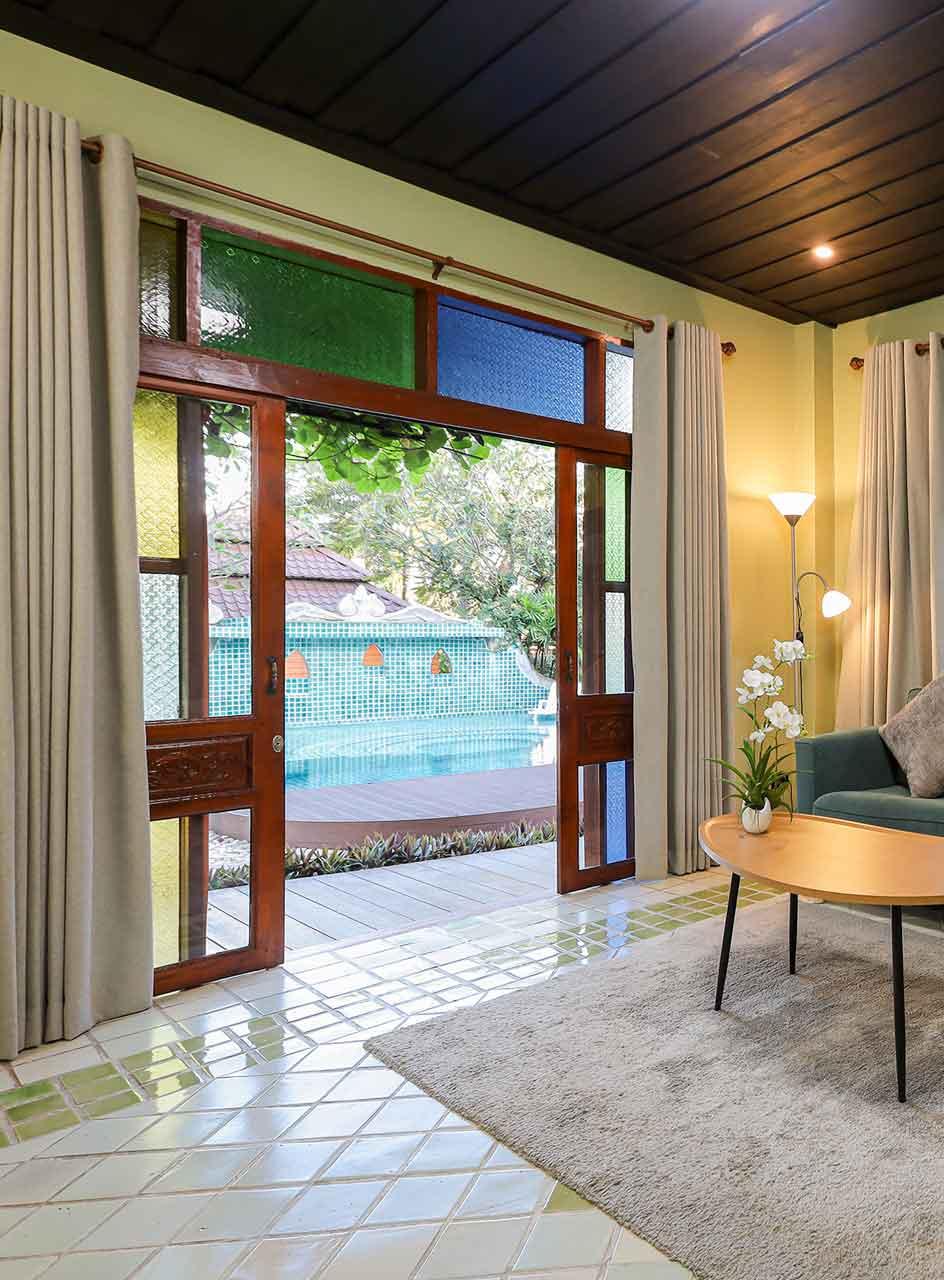
How Does Jintara Assess Whether It Can Help You.
You should not have to guess whether a centre can handle your mix of substances, health issues, and history. Jintara uses a direct assessment process so the answer is as clear as possible before you book flights.
A structured pre-admission clinical assessment is essential to confirm that a residential facility's staff competencies, detox protocols, and therapy model match a client's specific needs, according to SAMHSA's treatment locator. Mismatched placements increase dropout risk and reduce treatment effectiveness. Jintara's admissions team works through a detailed clinical review before confirming any placement. We look at:
- Your substances, doses, length of use, and any previous detox or rehab attempts
- Mental and physical health history, including medications, hospital stays, and risk events
- Your level of motivation, support at home, and what you want to be different after treatment
From there you will get a clear yes, no, or "not yet" for Jintara, with reasons, instead of vague reassurance designed just to fill a bed. If you do come, your first week at Jintara is mapped out so the unknowns shrink fast.

Start Your Recovery In Chiang Mai
If you recognise yourself anywhere on this page, you are already carrying more than most people can see. Jintara Rehab in Chiang Mai gives you a small, adult-focused space to deal with addiction and the mental health load that sits underneath it, without crowds or chaos.
You do not have to have everything worked out before you reach out. One honest conversation can show you what recovery in Chiang Mai, Thailand could look like for you.

Talk with Our Admissions Team
Your enquiry is confidential and goes only to our admissions team.
What We Treat FAQ
Frequently Asked Questions
Common questions about what Jintara treats and who we can safely help
Most people who contact Jintara are not textbook cases. They might drink heavily, use something else to sleep or focus, and carry years of anxiety or low mood alongside what looks like a mental health condition. What matters most is that substances are now a central problem, not just an occasional coping tool, and that you are at least curious about change. During the assessment we look at what you use, how much, for how long, and how it links to your mental health and life situation. If addiction is clearly in the picture and you are an adult, there is a good chance you fit our core profile.
Yes. Many clients arrive using several substances in different ways, for example alcohol at night, stimulants for work, and medication for sleep or anxiety. The medical team looks at the full pattern and builds a detox and treatment plan that steps through the risks in a safe order rather than trying to stop everything overnight without support. You will work in therapy on why each substance is in your life and what it gives you, as well as what it costs. Mixed substance use is the rule rather than the exception here, so you are not treated as the odd one out.
We work best with people whose primary problem is alcohol, drugs, or prescription misuse, with anxiety or depression wrapped around that. If you drink or use most days to manage nerves, sleep, or low mood, that is exactly the kind of picture our alcohol addiction treatment is set up for. Over the program we address both parts together so you are not left sober but still overwhelmed by the same feelings. If substances are minor or absent and the issue is mainly mood or anxiety, we will usually recommend a different kind of service that can focus fully on mental health.
For many adults at Jintara, substances have been the main way to quiet memories, images, or body responses that never really switched off after trauma. The team treats trauma as a central part of the story, not a side note. You will have access to trauma-informed therapy and, where it is safe and you are ready, methods such as EMDR to work directly with traumatic material. We never rush trauma work in early detox, and we always balance intensity with stabilisation so you are not sent home raw and overwhelmed.
We can work with gambling, porn, sex, and similar behaviours when they sit alongside a clear substance addiction and are part of the same pattern of escape and shame. In that case we set firm boundaries around devices, money, and access during your stay and address the behaviour directly in therapy. If your main difficulty is a process addiction and substances are minimal or not present, Jintara is usually not the right primary service. In those situations we will suggest other options rather than forcing a fit that does not feel honest.
Yes, many clients arrive on antidepressants, mood stabilisers, or other psychiatric medications. We collect details of your prescriptions before arrival and involve local psychiatrists so that any changes are planned and monitored rather than made on impulse. The goal is to keep you safe and as steady as possible while you move through detox and therapy, not to strip away medication that is helping you function. Any adjustments are discussed with you and, where appropriate, with your existing doctor so the plan makes sense both here and at home.
Sometimes the most responsible thing we can do is say no. If your risks, medical needs, or primary problems fall outside what we can safely handle, we will tell you that clearly rather than bending the truth to fill a bed. Where possible we will point you toward other centres or services that are better suited, or suggest a staged plan that might make Jintara appropriate later. You still get honest feedback and a clearer sense of what kind of help you need, even if you do not end up coming here.
Both, and the difference matters. A Ministry of Public Health operating licence means Jintara is legally permitted to treat clients. Accreditation is a separate, higher bar: an independent survey team assesses clinical protocols, medication handling, staff competencies, and safety systems against a national quality standard. Jintara holds certificate no. 25/2569, issued jointly by the Healthcare Accreditation Institute (the body that certifies Thailand's hospitals), the Princess Mother National Institute on Drug Abuse Treatment, and the Department of Medical Services, Ministry of Public Health. Valid 20 May 2026 to 19 May 2029. Jintara is one of only six private rehabs in Thailand to hold this accreditation. Licensed means permitted to operate. Accredited means independently verified to meet the standard Thailand applies to its hospitals.
Independently Verified
Jintara is accredited against Thailand’s national quality standard for drug treatment and rehabilitation facilities, jointly certified by the Healthcare Accreditation Institute, the body that accredits Thailand’s hospitals, with the Princess Mother National Institute on Drug Abuse Treatment and the Department of Medical Services, Ministry of Public Health. Certificate no. 25/2569, valid 20 May 2026 to 19 May 2029.