

Private Drug Rehab in Thailand
You may be holding your life together on the outside. You likely have a job, a family, and responsibilities. Yet, drug use has quietly moved from a habit to a necessity. You might feel exhausted from hiding your use or managing withdrawal symptoms in secret. Jintara treats adults who need a calm, private environment. We do not treat teenagers. Our drug rehab in Thailand combines medical detox with evidence-based therapy to help you build a life you do not need to escape from.

Fully Licensed Facility
DSM-5 · NIDA
Substance use disorder is defined in the DSM-5 by impaired control, social impairment, risky use, and pharmacological criteria including tolerance and withdrawal. NIDA identifies addiction as a chronic brain disease that changes brain structure and function in ways that make stopping without professional support extremely difficult.
Source: NIDA. Addiction Science

What Are the Signs That Drug Use Has Become an Addiction.
Addiction often grows slowly until it controls your daily schedule. You might recognise these signs in your own life:
- You need drugs to face work, social events, or sleep.
- You hide how much you use from people you trust.
- You experience memory gaps or blackouts.
- Friends or family have asked you to stop or slow down.
- You feel anxious or sick when you try to stop on your own.
- Your physical health is declining.
If this matches your experience, we can help. Many of our clients are high-functioning professionals who reached a breaking point. You do not need to hit "rock bottom" to ask for medical support.
Why Choose Jintara for Drug Recovery.
NIDA's principles of effective treatment identify that treatment programs combining medical oversight, individualised care planning, and adequate duration of stay produce substantially better recovery outcomes than generic short-stay approaches. Jintara applies those principles across a ten-client residential program in Chiang Mai where therapy, medical detox, and aftercare planning work in an integrated sequence. Here is how we differ:
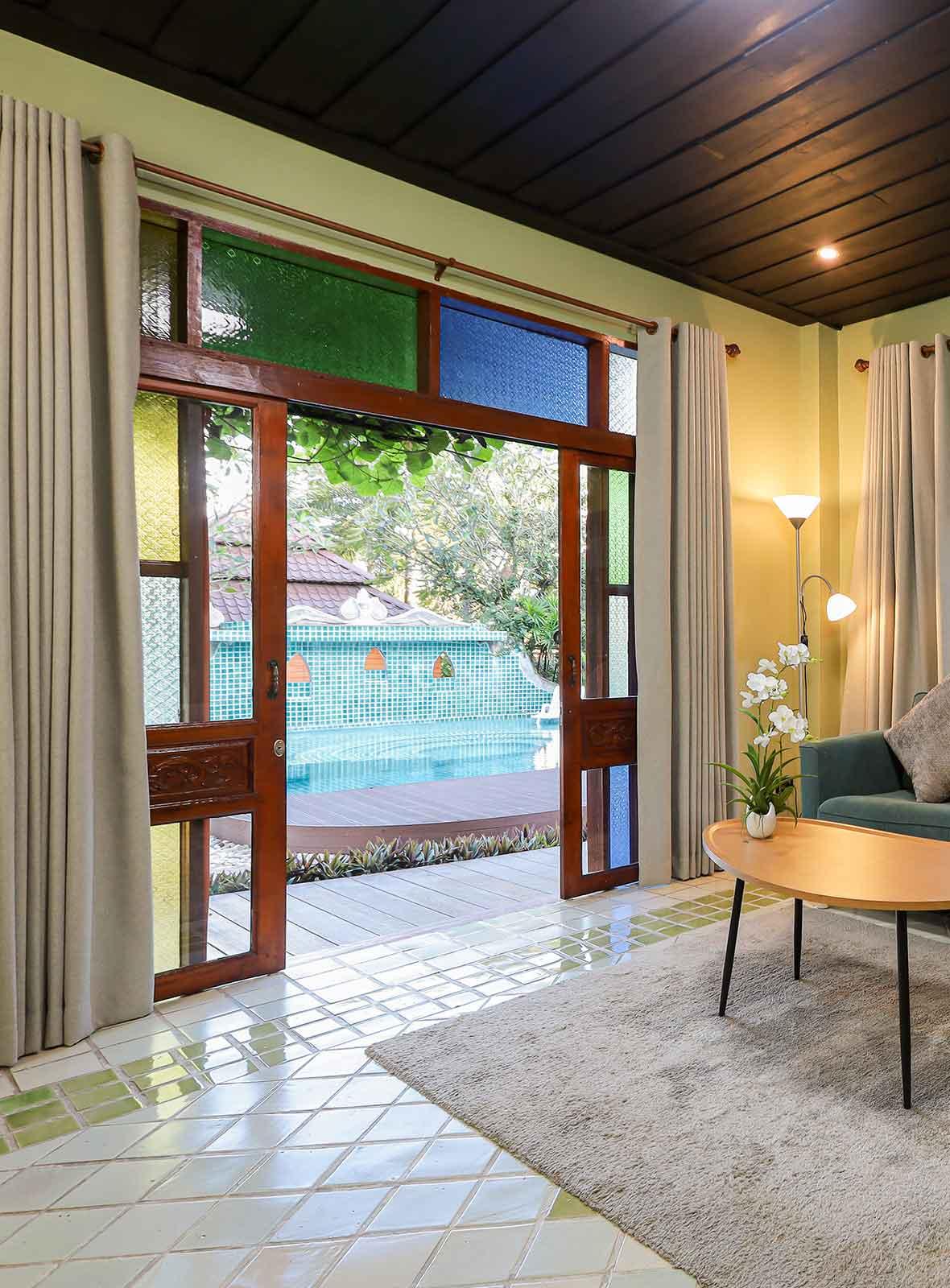
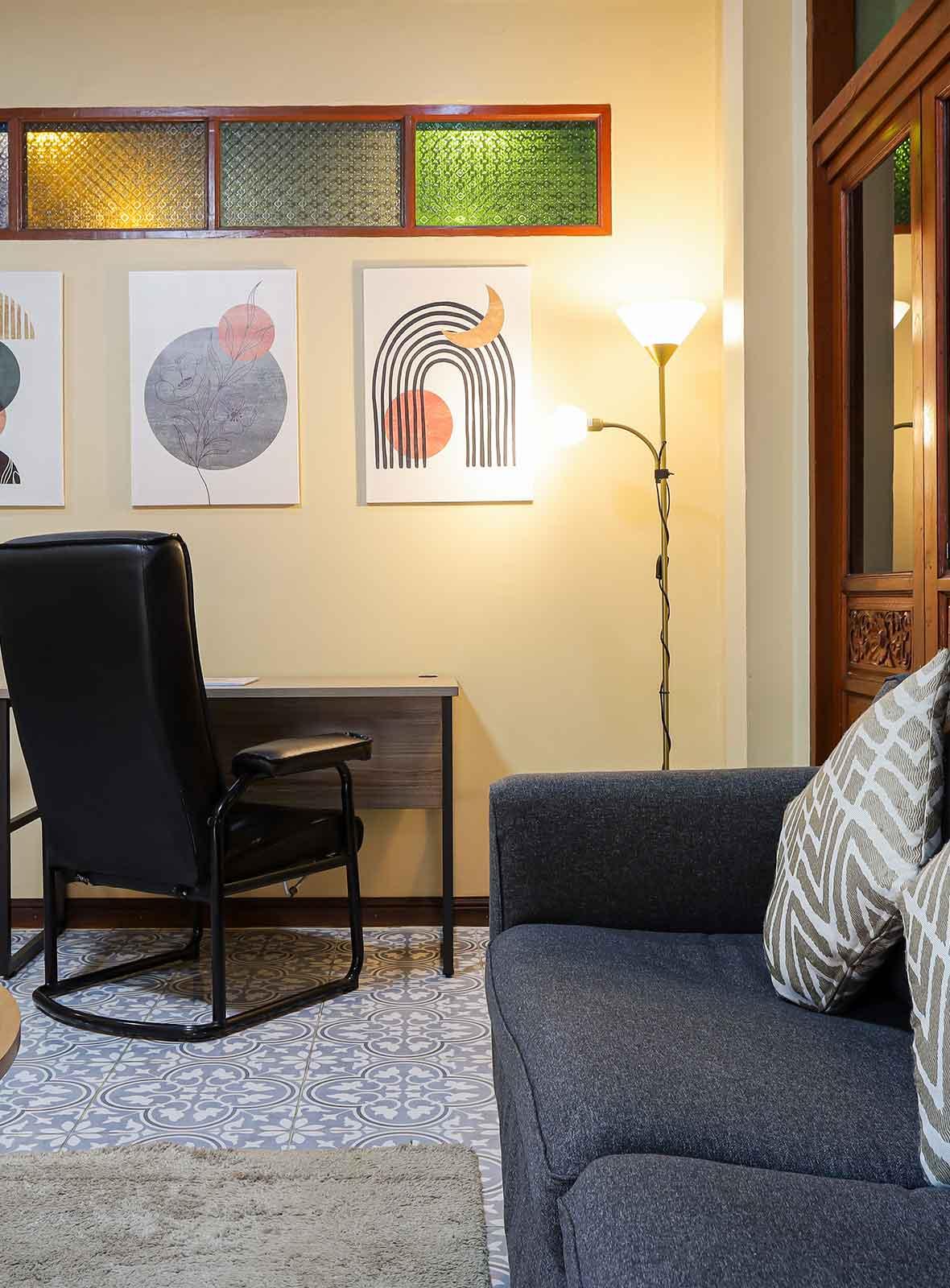
- Small and Private: We accept a maximum of 10 clients. You get a private room with an en-suite bathroom. You will never share a room.
- Adult Only Environment: You will be with mature peers who face similar life challenges.
- On-Site Medical Detox: We have nurses on duty 24 hours a day. They stay awake all night to monitor your vitals and comfort. A psychiatrist oversees your medical detox plan.
- Day Two Health Check: We take you to a partner hospital for a full check-up on your second day. This includes blood work, liver function tests, and an EKG. We pay for this because we need accurate data to keep you safe.
- Master's Level Therapy: You work with qualified therapists daily. Our core method is Cognitive Behavioural Therapy (CBT). We also offer EMDR for trauma if you need it.
- Non-12 Step Approach: We use science-based methods. We do not force you to follow a 12-step program. We focus on psychology, health, and practical skills.
What Happens in Your First 72 Hours at Jintara.
The first 72 hours of residential drug treatment is a stabilisation phase: withdrawal monitoring, clinical assessment, and the diagnostic groundwork that shapes the entire program. NIDA's principles of effective treatment identify thorough assessment of a client's medical, psychological, and social needs as the foundation for matching treatment intensity to clinical risk. At Jintara, this window includes a nursing intake, on-site monitoring, a Day-2 hospital workup, and a first therapy meeting.
- Arrival and Assessment: You meet the admissions staff for breath and urine testing, a full nursing intake, and a review of any prescription drugs or prior addiction treatment. We ask about alcohol addiction, drug history, and mental health issues so we can plan safe medical detox and integrated treatment from day one.
- Detox Monitoring: Our clinical team manages medications to reduce withdrawal symptoms under close medical supervision, with nurses on site day and night. If your risk level changes, we can arrange higher-level care through partner hospitals.
- Day-2 Hospital Checkup: We complete labs, an EKG, and a chest X-ray to check heart, liver, and other physical health markers. These results guide your detox plan, trauma work timing, and any changes to medication.
- First Therapy Sessions: You meet your primary therapist, start to map triggers and high-risk situations, and talk through goals for your care plan.
- Your First Night: Staff focus on a safe and comfortable environment with quiet, hydration, and reassurance so your body can settle.




What Does a Typical Day at Drug Rehab Look Like.
A structured daily routine is a core component of effective drug treatment. NIDA's principles of effective treatment identify that a structured environment and regular schedule during residential care improve engagement, reduce the likelihood of relapse, and support the neurological recovery process. At Jintara, each day moves from nursing checks and group therapy through physical activity and evening quiet time.
- Morning: Nurses check your vitals. You eat a healthy breakfast. You attend a psychoeducation group to learn about addiction and the brain.
- Mid-Day: You have individual therapy or small group sessions. You might work on relapse prevention skills or cognitive behavioural tools.
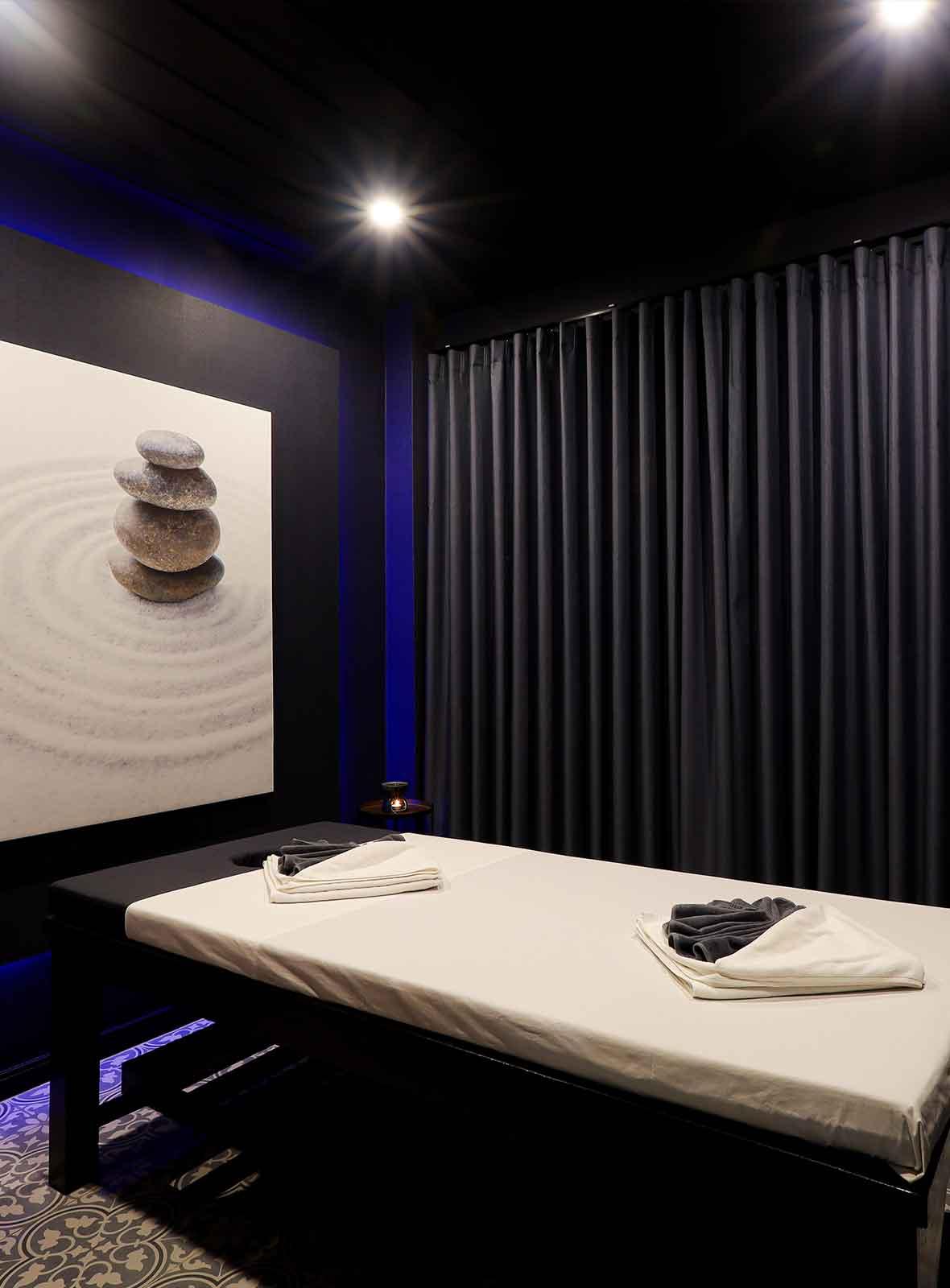
- Afternoon: We focus on the body. You might do personal training in the gym, light Muay Thai, or yoga. We also offer massage and relaxation time.
- Evening: We have dinner as a group. You have free time to call family or relax in your room. We encourage early sleep to help your brain heal.
- Weekends: We take you on supervised excursions on Saturdays. We visit ethical elephant sanctuaries or nature spots. Sundays include a structured lunch out at a local restaurant.

How Does Medical Detox Lead Into Dual Diagnosis Treatment.
Most people seeking residential drug treatment arrive with more than one clinical issue: substance dependence alongside depression, anxiety, trauma, or a co-occurring mental health diagnosis. NIDA's research on comorbidity shows that drug use and mental health conditions share overlapping risk factors and brain pathways, making integrated treatment that addresses both simultaneously more effective than treating each in sequence. At Jintara, medical detox and dual diagnosis therapy run in parallel from the first day.
- Clinically Managed Detox and Stabilisation: Nurses and doctors manage symptoms and risk while you clear substances from your system so therapy has a safer base.
- Structured Talking Therapies: Cognitive behavioural therapy, motivational work, and related evidence-based therapies help you spot triggers, thoughts, and actions that keep addiction going, then test new responses.
- Trauma Work and Focused Sessions: When you are ready, your therapist may use EMDR or other trauma therapy in focused one-on-one therapy so past events lose some of their grip on current choices.
- Holistic Recovery Work: Art therapy, mindfulness, gentle yoga, and creative projects support nervous system regulation and addiction recovery without shame.
- Relapse Planning and Integrated Treatment: We create clear relapse prevention plans and link them to mental health care, relationships, and daily structure so your integrated treatment does not stop at the gate.
Peer meetings are optional, not forced. Some clients prefer familiar support groups, others prefer skills-based workshops. Your team will talk through the addiction treatment program and adjust as you stabilize. Our role is to help you build a recovery journey that you can continue in everyday life, not just in the safety of the centre.
How Does Jintara Ensure Clinical Safety and Regulatory Compliance.
Drug treatment facilities with clinical oversight significantly reduce the risk of drug-related deaths. CDC data shows that nearly three in five overdose deaths in 2023 had at least one prior opportunity to link the person to care before the fatal event. Jintara holds Thai Ministry of Public Health license SFD 50:13-106 and operates under the clinical safety standards that license requires: 24/7 awake nursing, documented escalation pathways to partner hospitals, and on-site diagnostic capability.
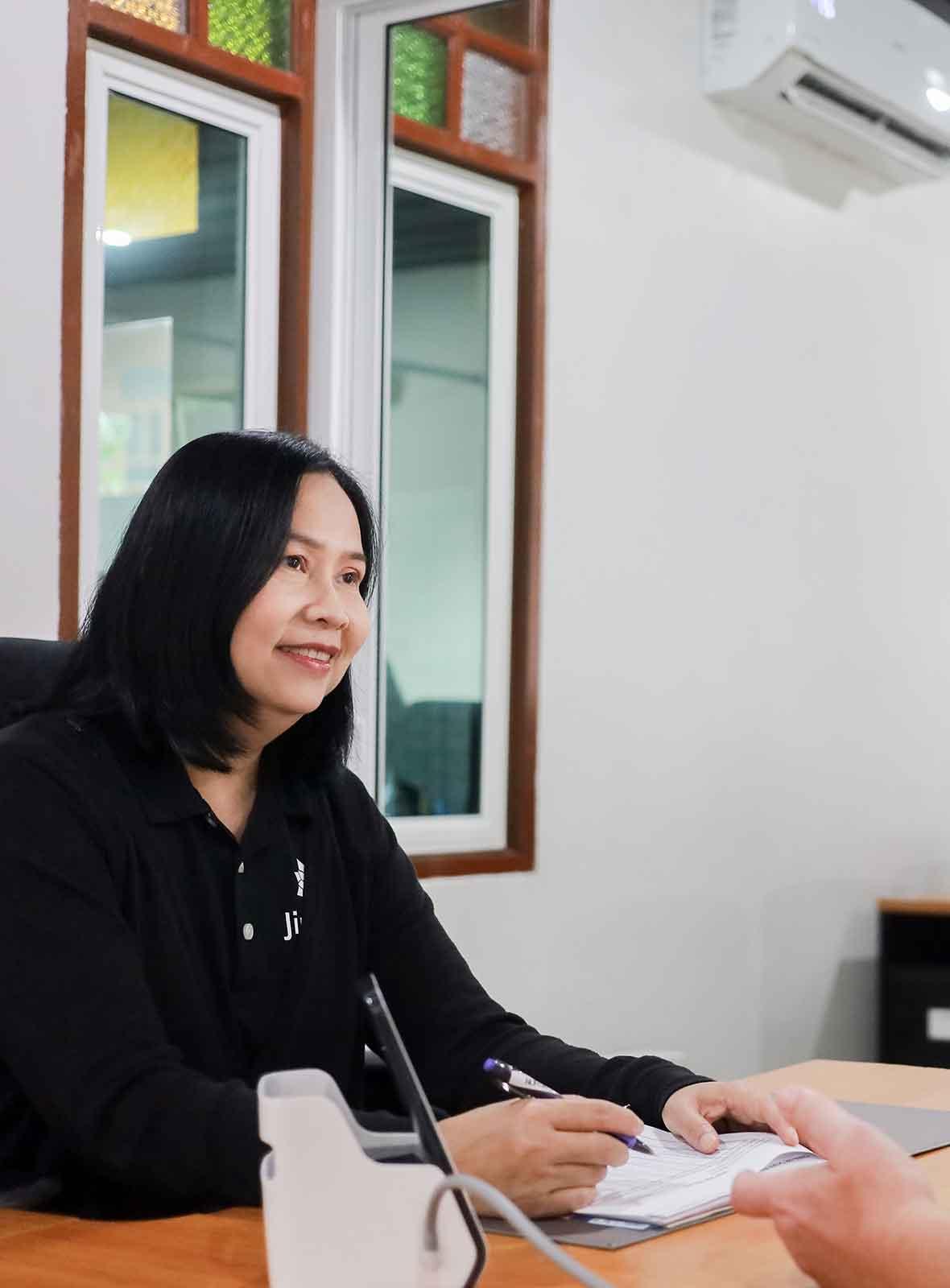
- 24/7 Awake Nursing: There is always a nurse on duty near the client rooms, monitoring mood, sleep, and vital signs.
- Physician and Psychiatric Input: Doctors and psychiatrists supervise medical detox, medications, and overall medical treatment across the stay.
- Diagnostics and Escalation Plans: On site tests and clear links to partner hospitals mean serious issues can be managed quickly rather than left to chance.
- Team Based Safety Culture: Staff from therapy, operations, and nursing meet regularly to review risk so decisions do not fall to one person alone.
Our license covers both alcoholism and a structured program for other types of drugs. Some people hear about us through treatment abroad networks, others through clinicians in western countries or friends who completed a Hope Rehab stay. Many have also heard of the Hope Program or well-known names such as Dawn Wellness Centre or other rehab centres that market themselves as peaceful riverside drug addiction rehab centres. We focus less on labels like best rehab or luxury drug retreat and more on quiet, consistent care at Jintara that carries over when you return home.
Who Is Jintara's Drug Rehab Program Designed to Help.
Treatment outcomes improve significantly when a program's clinical model matches a client's specific pattern of substance use, medical history, and co-occurring needs. NIDA's treatment guidance identifies client-treatment matching as a critical factor in reducing dropout and relapse, especially in residential settings serving adults with complex presentations. Jintara's ten-client program is structured to serve this profile. Our addiction treatment centre is appropriate for:
- Adults who want drug and alcohol rehab in a quiet, private setting.
- Individuals struggling with anxiety, depression, or other mental health issues alongside their use.
- Clients with co-occurring disorders such as trauma, chronic pain, or diagnosed personality disorders.
- Professionals who need privacy and stable internet to maintain limited work contact.
- Families who want regular, sensible updates with consent, without being overwhelmed.
We welcome clients from western countries and across Asia who may have tried other rehab centres or outpatient services before. The mix of medical treatment, structured therapy, and clear planning is designed to support dual diagnosis needs rather than treating drug addiction and mental health in separate boxes.
What Does Progress Look Like at Jintara.
Progress in drug treatment is measured in concrete behavioural and physiological changes: improved sleep, stable appetite, clearer thinking, and stronger coping responses under stress. NIDA's principles of effective treatment identify reduction in drug use and improvement in social, occupational, and psychological functioning as the primary outcome goals. At Jintara, the clinical team monitors these markers continuously across the 30-day program and adjusts the care plan accordingly.
- Safe completion of your detox with better sleep, improved appetite, and clearer thinking.
- Noticeable shifts in mood and functioning, even if mental health disorders or long-term diagnoses remain.
- Stronger coping skills for travel, work, and everyday life, including early warning signs and response plans.
- Practical routines for sober living, fitness, and reflection that fit your culture and values.
- A written relapse prevention and aftercare program that links you with community resources and clinicians at home.
- A plan for ongoing support through local providers or telehealth as needed.
Our aim is not perfection. Sustainable recovery grows day by day from skills, relationships, and honest monitoring. For some people, lasting recovery means complete abstinence from all substances. For others, it means stable use of essential medication with no unsafe drug and alcohol patterns. The focus is what works medically and personally for you.


What Is Included in the Cost of Drug Rehab at Jintara.
Effective residential treatment combines medical management, structured therapy, and supportive aftercare planning as an integrated package rather than separate billable services. NIDA's treatment guidance identifies that comprehensive programs delivering all three components in an integrated residential setting produce better long-term outcomes than piecemeal outpatient approaches. At Jintara, every element of clinical care is included in a single program fee. As part of the cost of rehab at Jintara, all clients receive:
- Private rooms in a calm setting with WiFi and space to decompress.
- On-site clinically managed detox supervised by nurses, doctors, and other medical staff.
- Day-2 full health check at a nearby international hospital with labs, EKG, chest X-ray and more.
- Daily individual and group therapy with graduate-level therapists.
- Holistic activities such as art therapy, mindfulness, yoga, and other creative options.
- Fitness sessions, pool time, and other movement opportunities.
- Supervised Saturday excursions and a structured Sunday lunch.
- Clear house rules and drug testing to keep daily life safe.
All of this sits within a supportive environment run by an experienced clinical team and operations staff. We combine practical structure with respect so you still feel like an adult, not a patient number.

How Your Treatment Journey With Jintara Begins.
A confidential pre-admission consultation is the clinical standard for responsible residential placement. SAMHSA's National Helpline was established to connect people with treatment specialists who can match substance type, severity, and co-occurring conditions to the right program and level of care before any commitment is made. At Jintara, the first call is a no-obligation conversation with the admissions team and often with Darren, the Owner. Please prepare:
- A list of medications and allergies.
- Any recent medical records or mental illness diagnoses.
- Travel documents like passports and visas.
- Notes on past inpatient stays or outpatient work.
We respect your privacy and keep information confidential. If you are comparing different rehab in Thailand or overseas options, including centres you may have seen while researching medical tourism, we can help you understand what is realistic and what is marketing. The call is free and without obligation; it is a chance to see whether this addiction rehab environment fits your needs and your longer term addiction recovery goals.

How Does a Confidential Admissions Call Begin Your Recovery.
Speaking with a treatment professional before entering residential care is consistently recommended as the first practical step toward recovery. SAMHSA's National Helpline provides free, confidential consultation and serves as a model for the kind of pre-admission conversation that helps people identify whether a residential program is the right clinical fit. Jintara's admissions calls follow the same principle: honest, clinical, and without sales pressure.
You do not have to figure this out on your own. A short, confidential call with our admissions team can help you see whether Jintara is the right fit and what a safe plan might look like for you. During the call, we can:
- Talk through your current use, health history, and any past treatment
- Explain how medical care, nursing, and therapy work together at Jintara
- Outline likely timelines for admission and what the first days would involve
- Answer questions about privacy, travel, and what to tell family or work
To make the most of the conversation, it helps to have a list of current medications and any allergies, notes on recent hospital stays, diagnoses, or test results, and an idea of when you could travel and how flexible your timing is. There is no obligation to commit. The goal is to give you clear information so you can decide what feels right for you and your family.

Talk with Our Admissions Team
Common Questions About Drug Rehab At Jintara
Detox is managed by nurses and doctors who monitor symptoms closely, adjust medications, and coordinate with hospitals if needed. Each person's risks are reviewed individually, and this answer is general information only, not medical advice.
Stimulant addiction work focuses first on sleep, food, and crash recovery. Opioid and prescription drug work runs under close monitoring due to overdose risk and strong withdrawal symptoms. Sedative detox usually involves a slower, medically supervised taper to reduce seizure risk.
Your first week centres on stabilisation: on-site detox, sleep, nutrition, and diagnostics. Once you are settled into the residential treatment program, you join therapy groups, meet your primary therapist, and set simple goals for safety, contact, and early treatment options.
Yes. We assess for mental health disorders then use a holistic approach to coordinate care between psychiatry, nursing, and therapy teams. The goal is for addiction treatment and mental health care to support each other rather than compete.
Yes. We see many people whose drug use has shifted over time between alcohol, stimulants, opioids, and other substances. Our programs cover both alcohol rehab and drug-focused work, with plans adjusted to your specific mix of substances.
Before you join groups, you go through a structured intake that includes a medical review, psychiatric assessment, and a full biopsychosocial interview that looks at history, risks, and support systems. This lets the clinical team check safety, rule out issues that need hospital care first, and build a plan that matches your health, legal, and family context, which is standard in serious programs with clear policies on assessment, admission criteria, and risk management.
Clinical information sits in a protected file that is only accessed by staff directly involved in your care or in supervision. Nothing is shared with employers, courts, or family without a signed consent, apart from rare situations where the law requires reporting a serious safety risk.
If your condition suddenly changes, nurses and doctors review you, stabilize where possible, and arrange urgent transfer to hospital if needed. There are clear escalation steps for issues like chest pain, seizures, or acute mental health crises, so you are not left waiting while people decide what to do.
With your consent, family can be brought into calls, education sessions, or joint meetings to understand what is happening and how to support you. You also have the right to set limits on contact, especially early in detox when too many conversations can be overwhelming.
Jintara has private rooms, a small group of around 10 people, and comfortable surroundings, so it may look like a luxury rehab from the outside. The engine is a medically led service with on site detox, diagnostics, and structured therapy. The focus is clinical quality and safety first, with comfort used to support engagement rather than replace real work.
Yes, many clients come with a mix of drinking and other substances, so the team plans for both rather than separating them into different tracks. Medical staff manage any alcohol related risks in detox while therapists work on the wider pattern, including how drinking interacts with stimulants, opioids, or sedatives.
Before discharge you agree on a continuing care plan that covers local clinicians, peer support, practical routines, and a clear relapse response map. Staff may check in after you leave, and you can access alumni style contact so you are not trying to build a new lifestyle on your own.
During your first calls and early sessions, the team walks you through length of stay, intensity of work, and what is realistic for your health, legal, and family situation. At Jintara, we're all about giving straight answers about what each treatment program involves, including what happens if you need to step up or step down care later, so they feel like informed choices rather than sales pressure.