
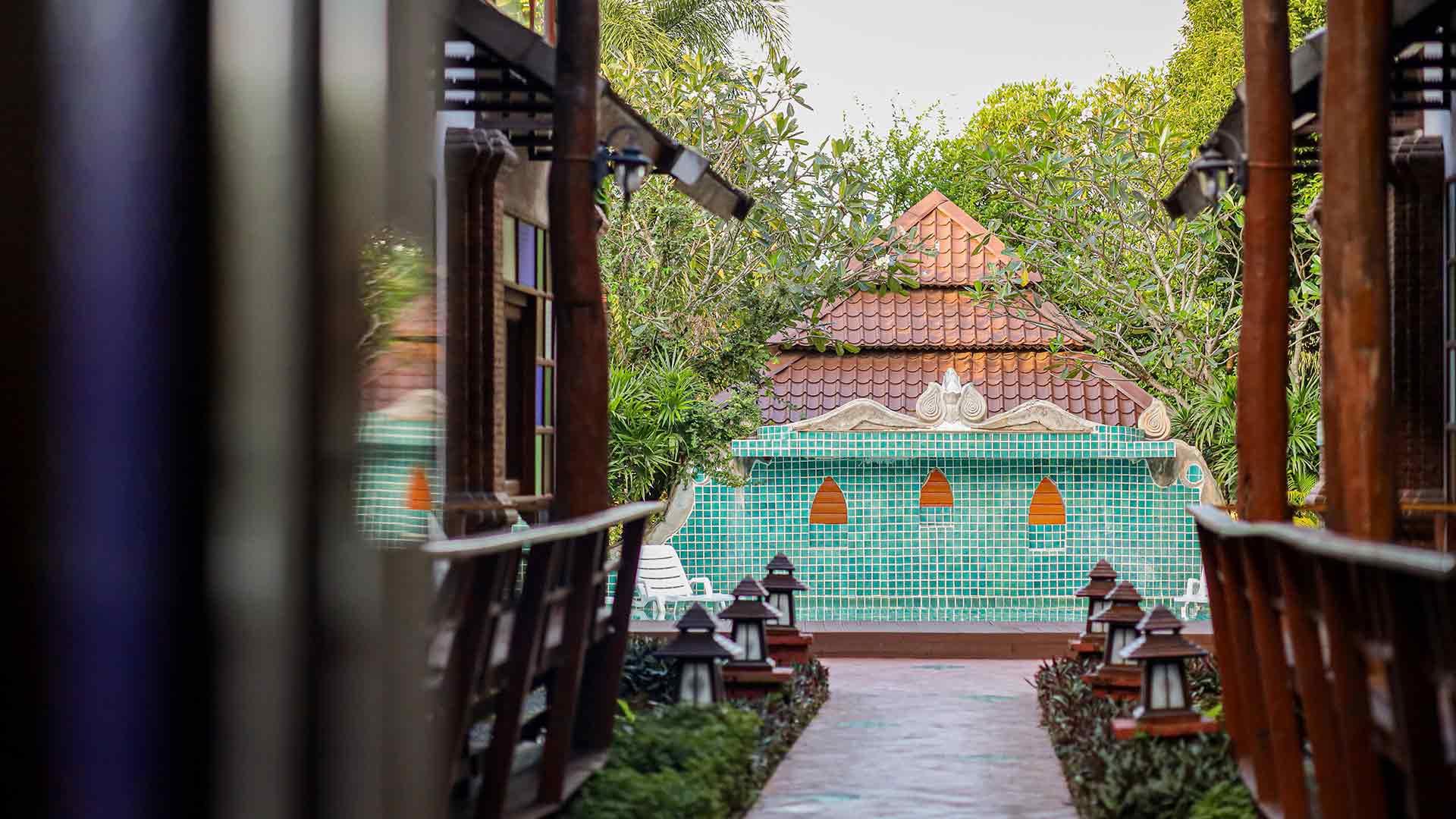
Why People Choose Chiang Mai for Rehab in Thailand
Most people who land on this page have already looked at more than one rehab in Thailand. The real question is whether addiction treatment in Chiang Mai will help you slow down, feel safe, and do real work on addiction and mental health. Jintara is a small addiction treatment centre on the edge of the city, capped at ten clients, with on-site medical detox, awake nursing all night, and Bangkok Hospital Chiang Mai as our hospital backup.
Fully Licensed and Hospital Accredited
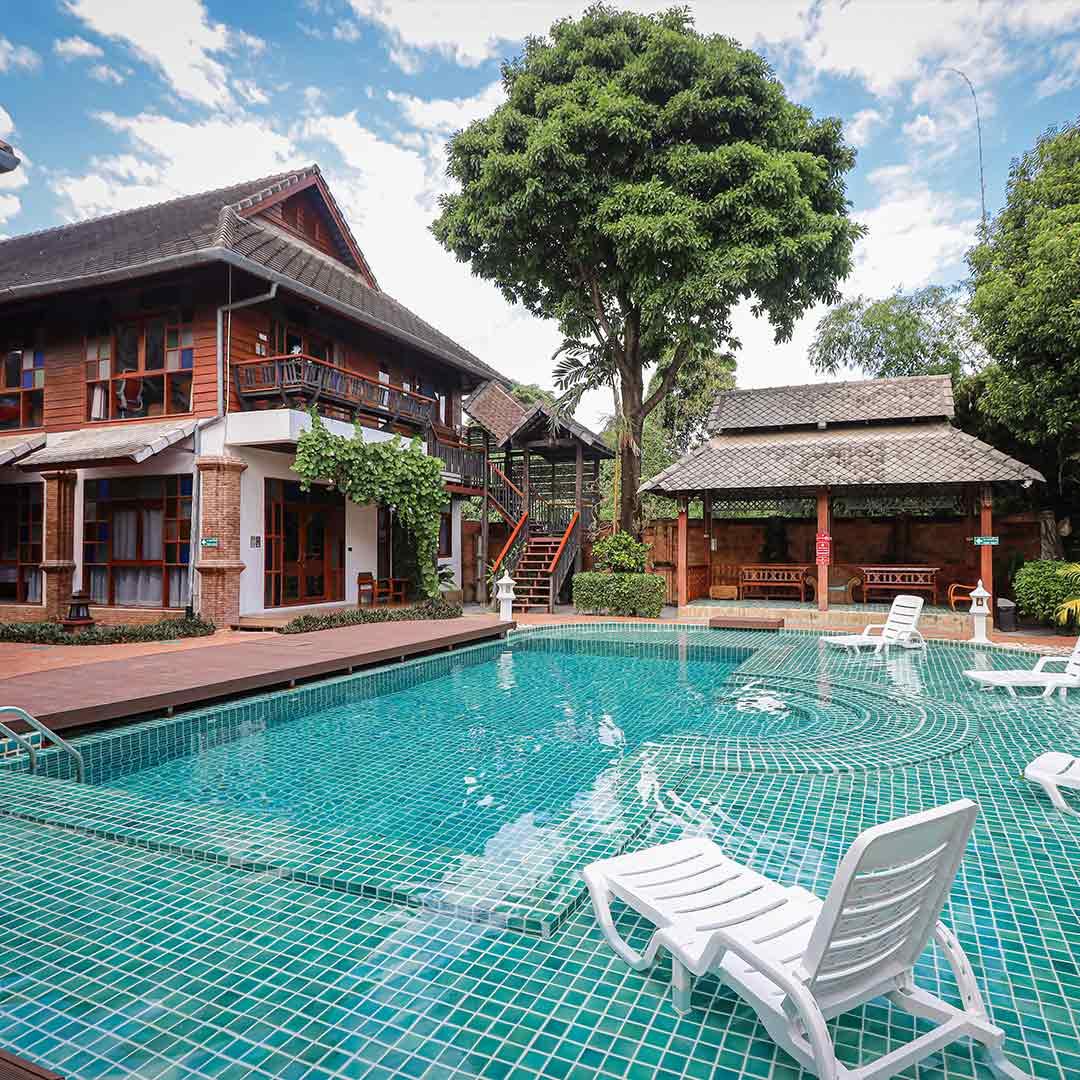
Why Do People Choose Chiang Mai for Rehab in Thailand.
Chiang Mai, Thailand's second-largest city and a recognised international medical tourism destination, gives people in recovery the geographic distance from home that reduces exposure to the triggers, routines, and social environments tied to substance use. NIDA's treatment overview describes residential care as extended inpatient treatment, usually for a few weeks to a few months, with counselling, medications, and continuing-care referrals. Chiang Mai provides that separation while keeping serious clinical care accessible.
In this part of northern Thailand, there are fewer distractions from everyday life. Phones are put away during most groups. The focus is on reconnecting with yourself, not entertainment. That does not mean life here is bleak. It means the centre is set up as a Thailand rehab centre, not a hotel, and the week has a rhythm that supports both mental and physical health.
Most people weighing up Thailand are choosing between the north and the southern islands, and the two are less alike than the photographs suggest. Climate, distance from the nightlife economy, hospital transfer and travel all differ, and how Chiang Mai compares with Phuket sets out where each one wins and where the north carries a genuine drawback.
Jintara runs with a maximum of ten clients at a time, around 32 staff, on-site detox, awake nursing all night, and partner hospitals on call. The clinical team is led by Master's-level therapists with at least ten years of experience, internationally certified, and used to working with co-occurring disorders and dual diagnosis, such as alcohol addiction with depression, drug addiction with trauma, or bipolar with substance use. Founder Darren Lockie personally screens every admission. Expats and professionals from across Asia make up a significant part of the client base, drawn to Chiang Mai for the clinical quality, English-language care, and confidentiality that treatment in a neutral country provides. A steady share of them already live in the region rather than flying in from Australia or the UK, and what changes when Thailand is already home covers the questions specific to residents: language in the therapy room, visa status during a stay, work, and family who are three hours away.
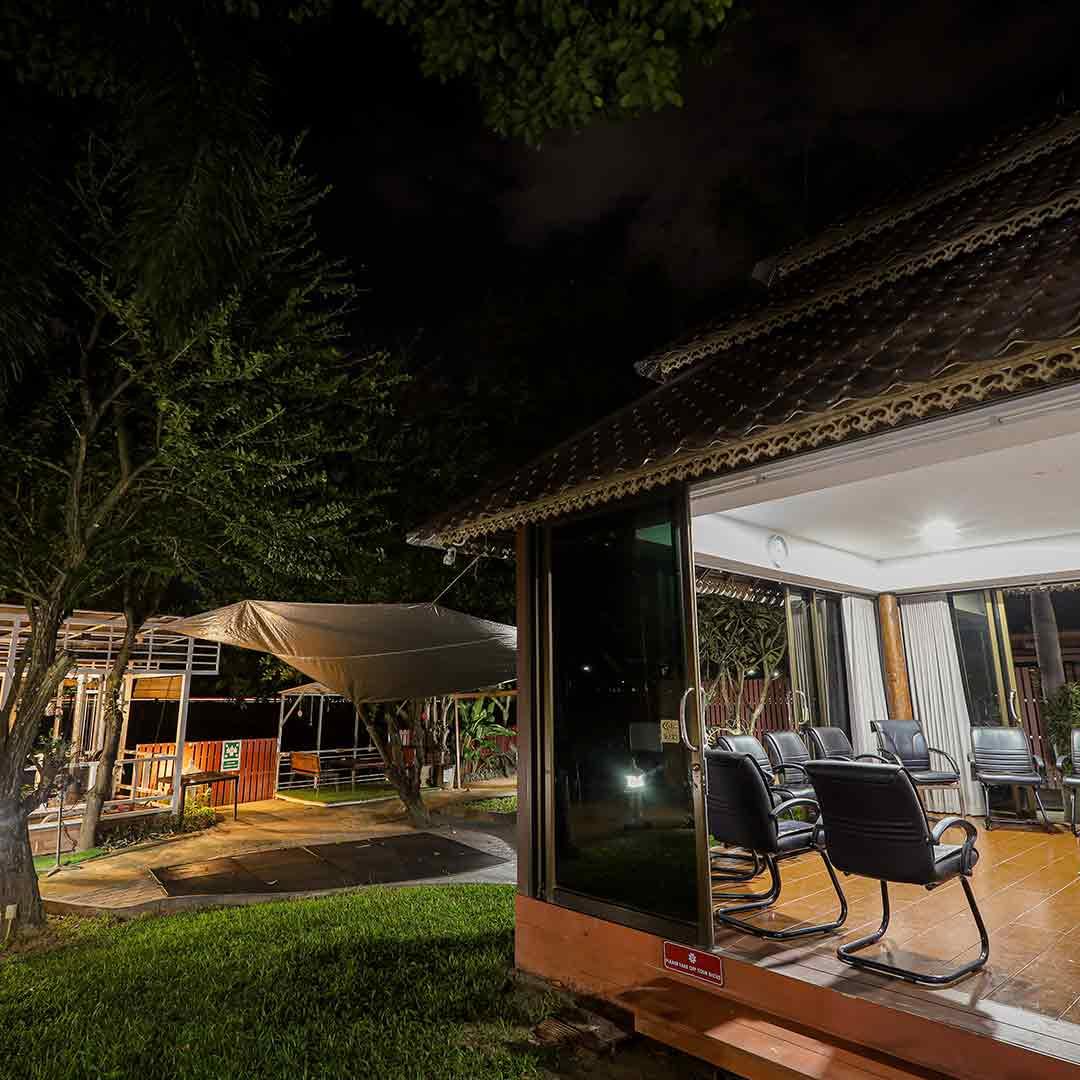
What Is Daily Life Like at Jintara's Rehab in Chiang Mai.
Residential addiction treatment works best when the day has a clear structure from morning to evening. A settled routine gives the body room to reset its sleep, appetite, and stress responses while withdrawal is medically supervised. At Jintara, a typical day runs medical checks, therapy groups, and quiet recovery time without gaps that leave people unsupported.
Mornings usually begin with check-ins with our team, quiet time, and a simple movement or mindfulness meditation practice. There is healthy food with a focus on a healthy diet rather than restriction. Coffee is managed, cigarettes are contained, and there is clear support if withdrawal or other symptoms show up.
During the day, the program includes group sessions, individual counselling, and time set aside for trauma therapy or other therapies where needed. Local groups and small peer circles give space to talk about everyday life, work stress, family, and how to handle cravings without falling back into old patterns. The aim is to build coping skills that you can keep using after you leave.
On some days, there may be yoga, stretching, or time in a massage studio. These are not there to pretend that addiction is solved with pampering. They are there because your body and your mind need to remember how it feels to settle. This is part of holistic treatment, not a spa holiday.
The time spent outside the clinic works on the same logic. A brain in early recovery has had its reward system turned down, so an ordinary enjoyable day is not a break from the work, it is evidence the work is producing something. What time outside the clinic is actually for covers why it is scheduled the way it is, what the city offers someone who cannot drink, and what a visiting family member does with their week.
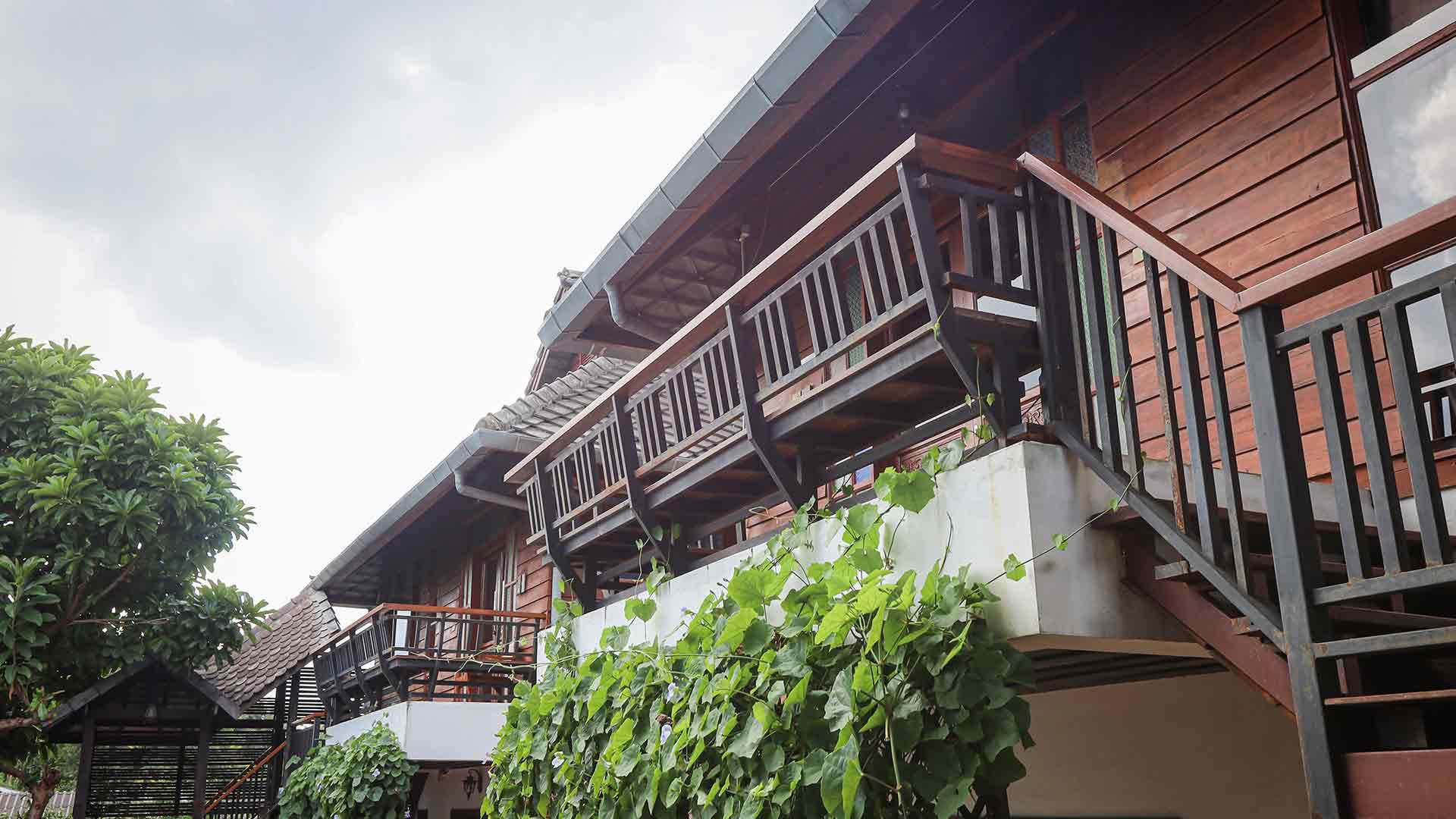
What Does Jintara Treat and How Does Treatment Support Your Recovery.
Jintara focuses on adults with substance use disorders and related mental health conditions, rather than every possible diagnosis. NIDA's research on co-occurring disorders states that treating these conditions at the same time rather than separately makes the treatments more effective and improves health outcomes. Jintara's scope covers alcohol use disorder, drug dependency, opioid misuse, and complex patterns where addiction and mental health sit alongside each other.
People come here to our rehab in Chiang Mai for help with alcohol addiction, drug addiction, cocaine addiction, opioid abuse, and complex patterns where several substances are part of the same story. Detox and drug addiction treatment are planned, medically overseen, and supported by awake nurses, not left to chance. The drug rehab program and wider treatment program wrap around both the body and the mind so that treating addiction is more than just stopping use for a few weeks.
Alongside substance use, many clients also live with anxiety, depression, trauma memories, or burnout. These co-occurring disorders sit at the centre of many relapses. The team uses EMDR and one-to-one work to bring both addiction and mental conditions into the same plan. In some cases, this is called dual diagnosis care, where both parts must be in view at all times.
Behavioural patterns like gambling, sex, and compulsive online use often sit alongside substance use, and the team can help with those in that context. If a behavioural addiction is the main issue with little or no substance use, Jintara will refer to a centre that specialises in that work. The program is CBT-core and non-12-step, with optional 12-step peer support for clients who want it.




How Does Jintara Keep Clients Safe During Detox in Chiang Mai.
Residential detox and treatment in another country is safe when clinical protocols are in place. Around-the-clock nursing observation, documented withdrawal protocols, and clear escalation pathways to hospital care are the safety floor. Jintara meets these on-site, with awake nursing cover and formal agreements with partner hospitals in Chiang Mai. Every client also gets a Day 2 medical workup with bloods, EKG, chest X-ray, and a liver and kidney panel, included in the program at the founder's expense.
Starting drug and alcohol rehab in another country can feel risky. You may worry about language or what happens if something goes wrong. The aim here is not to promise a perfect, risk-free stay. It is to be clear about how safety actually works.
From your first day in Chiang Mai, you'll have support from nurses on-site, backed by a team of medical and clinical professionals who understand withdrawal symptoms, existing health problems, and the way stress lands in the body. They watch for changes in blood pressure, heart rate, sleep, and other physical markers, not just visible behaviour. When needed, they work with partner hospitals like Bangkok Hospital Chiang Mai to run scans and tests so your well-being is part of the picture, not an afterthought.
The staff are used to seeing serious drinking and drug use, including cocaine, prescription misuse, and mixed substance patterns. They are also used to the symptoms that come with long-term use, such as pain, gut problems, and sleep disruption. You are not treated as fragile or broken. You are treated as someone whose body and mind have been under pressure for a long time and now need steady care rather than short bursts of crisis support.
When families abroad are choosing for someone they love, the sharpest fear is whether the clinical care is genuinely held to a standard. At Jintara that question has a checkable answer. The centre is one of only six private rehabs in Thailand certified by the three national authorities that set Thailand's hospital-grade clinical standard: the Healthcare Accreditation Institute, the Princess Mother National Institute on Drug Abuse Treatment, and the Department of Medical Services, Ministry of Public Health. Certificate 25/2569 is valid from May 2026 to May 2029. That proof exists alongside something just as real: the centre is capped at ten clients, the staff know everyone by name, and there is none of the institutional distance the word hospital implies.


How Does Jintara Treat Alcohol Addiction in Chiang Mai.
Alcohol use disorder develops as the brain's reward and stress systems adapt to regular drinking, making it harder to stop without medical support. The NIAAA's guidance on evidence-based treatment options sets out behavioural counselling, medication, and mutual support groups as the building blocks of alcohol rehab in Thailand, the options each patient works through with their care team. At Jintara, this alcohol rehab track is designed for adults who:
- drink most days and have watched their intake creep up over time
- swing between periods of control and sudden blowouts that damage work or family life
- have tried other alcohol rehab or counselling and felt talked at, not listened to
- use drinking to manage stress, sleep, and mental health challenges like anxiety or low mood
Your alcohol rehab and addiction treatment plan in Chiang Mai is built around medical safety at the start, then group sessions and one-to-one work that explore why alcohol has such a strong pull. You stay with one Master's-level therapist throughout, with the wider clinical team and awake nurses around them, so the changes you make here have a better chance of lasting when you go home.
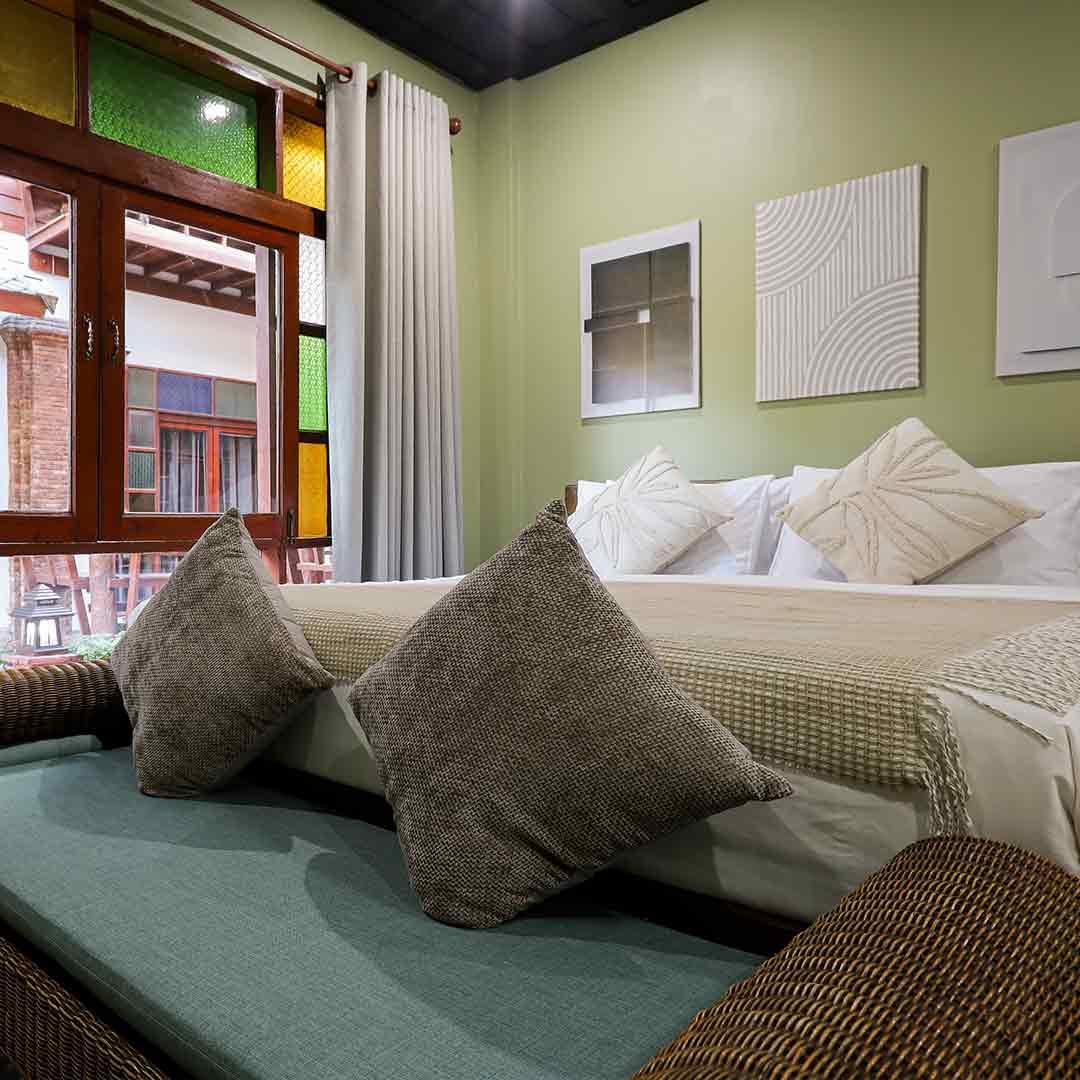
How Does Jintara Deliver Drug Rehab in Chiang Mai.
Drug addiction involves physical dependence, altered brain chemistry, and behavioural patterns that rarely resolve without structured professional care. Treatment has to combine drug rehab program in Thailand with work on the underlying behavioural, social, and mental health factors if recovery is going to last. At Jintara, drug rehab is paced and planned, with medical oversight and daily structure. In this track we often see:
- stimulants used to push through long work days, social events, or travel
- painkillers and opioids continued long after an injury or surgery should have healed
- sleeping pills and anxiety medication taken in higher doses or for longer than prescribed
- patterns where drugs and alcohol are mixed, making it hard to see what is driving what
Choosing a rehab in Thailand for drug use gives you distance from dealers, routines, and stress points at home. In Chiang Mai, the week has a steady rhythm of medical reviews, focused groups, and quiet time so your brain can begin to reset. Many people who once felt stuck in cycle after cycle of detox find that being in a small drug and alcohol rehab far from home finally gives them enough space to look honestly at why they use, not just how to stop for a few weeks.
How Does Jintara Plan for Your Lasting Recovery After Treatment.
Residential treatment is one phase in a longer recovery process. NIDA's overview of treatment and recovery treats stopping drug use as one part of a long recovery process, and treats a return to use as a sign to resume or change care rather than as proof that treatment failed. At Jintara, the clinical team begins planning the next stage of your recovery before you leave Chiang Mai.
While you are staying with us in Chiang Mai, the team will talk through your recovery journey beyond the gates. This includes a written alcohol relapse prevention plan, ideas for local groups or outpatient treatment near home, and simple tools you can use on hard days. The aim is to support a lasting recovery, not just a clean month.
You will also talk about aftercare options. This might mean an aftercare program with online sessions, check-ins with your original therapist, or links to sober living houses at home. The goal is a long-term recovery that feels real in your everyday life, not something that only works inside one centre in Chiang Mai.

Who Is Jintara's Chiang Mai Rehab Best Suited For.
Jintara is designed for adults aged 18 to 65 with substance use disorders, often alongside mental health conditions such as anxiety, depression, or trauma. NIDA's comorbidity research shows that co-occurring mental health and substance use conditions share underlying brain mechanisms, making integrated assessment and treatment more effective than treating each problem in sequence.
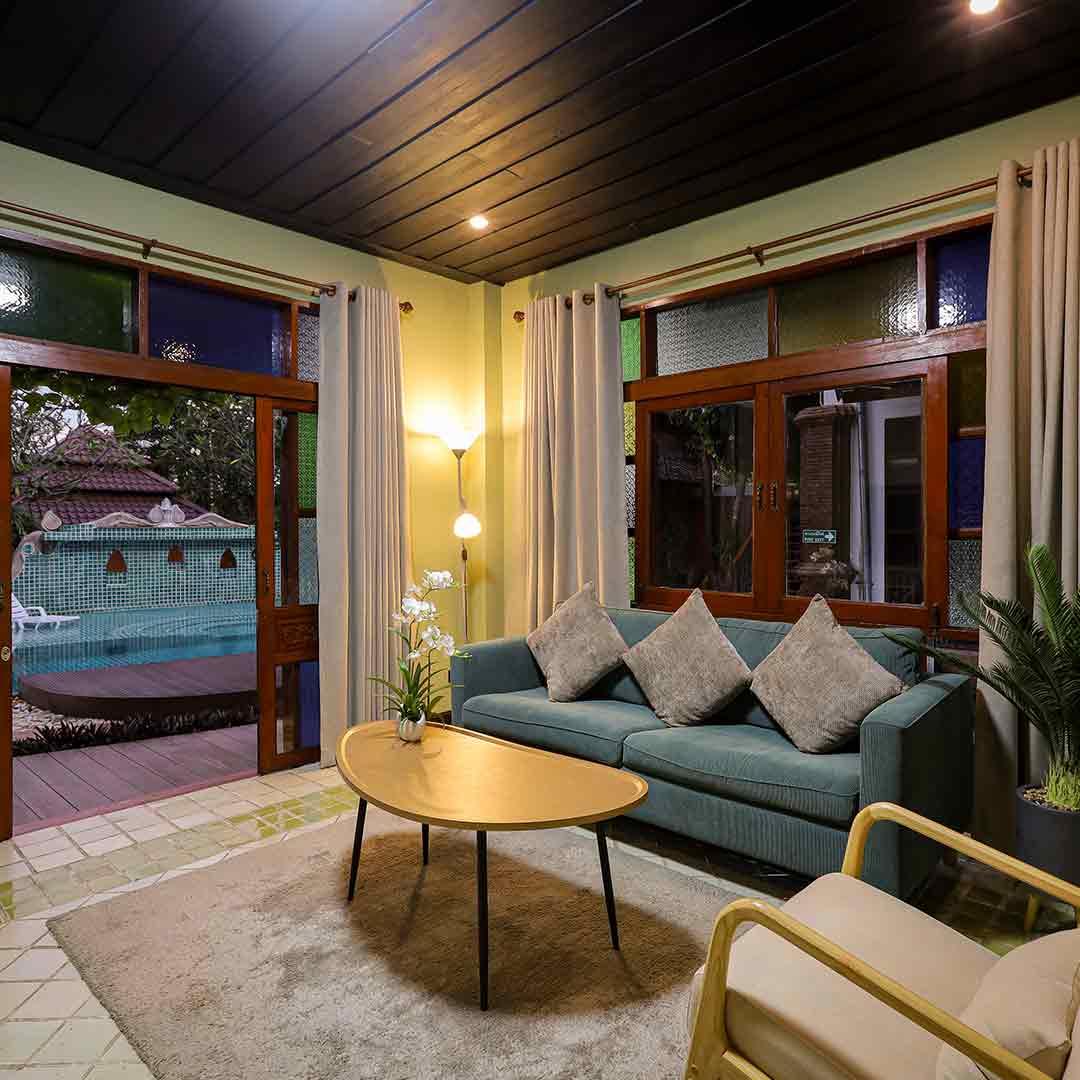
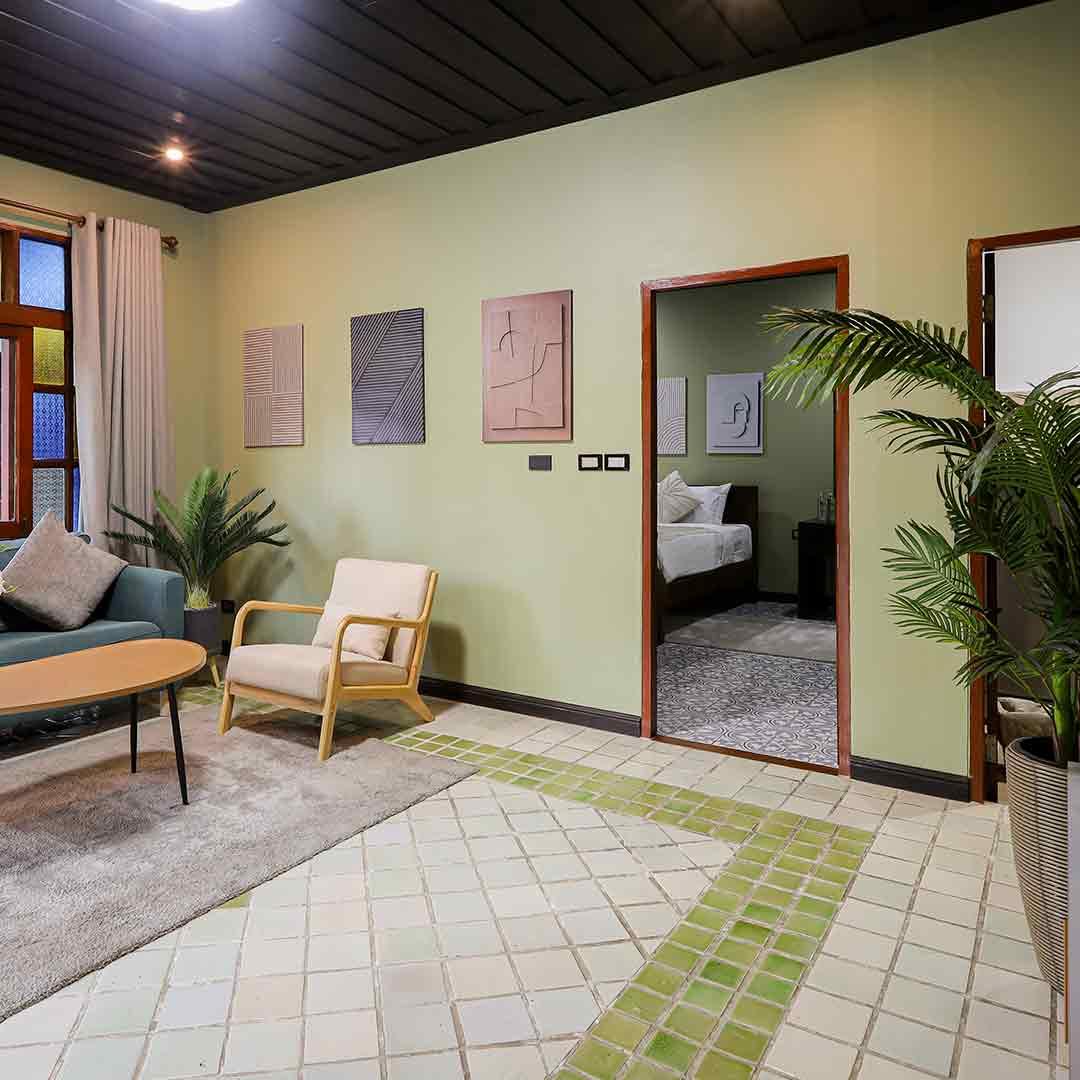
It is not the right place for everyone. If you are mainly looking for a luxury drug rehab holiday, or want a resort-style accommodation, this is not the right fit. People comparing the private options in the city usually want a single room, a small group and discretion rather than marble, and luxury rehab in Thailand sets out what each one is worth clinically. If you only have mental conditions without clear substance use, or if you need very specialised care for eating disorders, we'll usually suggest other rehab centres that focus on those needs.
The team will also say no if they believe your current risk is too high for this type of centre, for example, if you need very close observation for medical reasons that belong in hospital. Saying no in these cases is part of protecting both your safety and the wider community inside our Chiang Mai addiction treatment centre.
How Do You Start Your Recovery Journey at Jintara in Chiang Mai.
Getting started in addiction treatment does not require a perfect history or a fixed plan. In the United States, SAMHSA's findtreatment.gov offers free, confidential referrals to treatment programs matched to clinical need. Jintara's admissions team offers the same kind of pre-admission conversation for international clients, with no obligation and no pressure to commit.
You do not have to have a perfect story or a fixed plan before you call. Many people who learn about Jintara are scared, tired, and unsure whether treatment will work this time. That is normal.
If you feel stuck in alcohol addiction, drug addiction, cocaine addiction, or mixed patterns, and want to start overcoming addiction in a new way, talking with Darren or one of the admissions therapists is the next simple step. They will explain how this treatment centre works, what a typical day looks like, and how the medical team handles any withdrawal risks.
The focus is not on promises of a quick fix. When you call, Darren or an admissions therapist will walk through your history, your medications, and what the first 48 hours at Jintara would look like, then help you decide whether this centre is the right fit.

Talk with Our Admissions Team
Your enquiry is confidential and goes only to our admissions team.
People also ask - Frequently asked questions about rehab in Chiang Mai
Yes. Jintara holds a current operating licence from the Thai Ministry of Public Health and has received joint accreditation from three national health bodies: the Healthcare Accreditation Institute, the Princess Mother National Institute on Drug Abuse Treatment, and the Department of Medical Services. Jintara is one of only six private rehabs in Thailand to hold this standard. It is the same quality standard used to accredit Thai hospitals. Certificate number 25/2569 is valid from May 2026 to May 2029.
Jintara's accreditation is issued by three national bodies and is a matter of public record. The certificate number is 25/2569. The admissions team can share a copy during a pre-admission call, and you can look up the Healthcare Accreditation Institute, the Princess Mother National Institute on Drug Abuse Treatment, and the Department of Medical Services directly online to confirm the issuing authorities.
Jintara is a residential centre in Chiang Mai, not an online clinic. You stay onsite for the time you are in the program. There are online options for follow up and aftercare, but the core work happens in person, with you in the same space as the clinical team and peers.
Jintara does not try to squeeze everyone into the same treatment program. The clinical team takes time to understand your history, current risks, and goals. They use personalised treatment plans rather than a one size fits all schedule. Group sizes cap at ten clients, with around 32 staff supporting the program, so there is far more contact with the team than at most rehab centres.
Yes. Many clients arrive while still employed or running a business. The goal is not to cut you off from everyday life forever, but to create a structured environment where you can step away, reset, and return to work and family with better coping skills. The team can help you think through how to explain your stay to employers or loved ones.
The team works with a wide range of issues and challenges, including anxiety, depression, trauma, and stress related problems. There is time in one to one sessions and groups to talk about how you feel, not just what you drink or use. Dual diagnosis cases, where addiction and mental health happen together, are common at Jintara.
Yes. Cocaine addiction and other stimulant use are all treated here. The medical team watches your heart, sleep, and mood closely in the early days. Group sessions and trauma therapy then explore what cocaine has been doing for you, and what it has been taking away.
Jintara treats opioid addiction, painkiller misuse, and other prescription based addiction issues. Detox is planned with the team so that symptoms are managed and your health is protected. The aim is to ease the physical symptoms while you begin the deeper healing process.
Jintara is a drug and alcohol rehab centre that can offer support for these in the shadow of clear substance use. In these cases the team will help you build safer habits around food, screens, money, and relationships. If a behavioural issue is the main problem, the team will usually refer you to a treatment centre that specialises in that work.
The core of the drug and alcohol rehab program uses personalised care, talk therapy, and other therapies like eye movement therapy. On top of that there are supportive practices like mindfulness meditation, yoga, light exercise, and time in nature. These support your physical well-being and emotional balance so your recovery journey is not just about talking, but about your whole body.
Some people return home and link in with local rehab centres or outpatient treatment. Others continue care with Jintara through an aftercare program of online sessions and check-ins. You will leave with clear next steps so you are not dropped back into life without ongoing support.
Most days include morning checks with experienced professionals, healthy food, group therapy, and some form of light movement or rest practice. There is time for reflection, writing, or reading between sessions. The focus is on your physical and mental health together, not just one piece.
During your stay you will take part in group therapy and support groups on site. For after you leave, the team can suggest local groups, online communities, or links back to the centre. This kind of ongoing support is one of the keys to long-term recovery and successful recovery.
Yes. This is not a locked ward. There are supervised outings that let you see some of the natural beauty around the city, such as temples, gardens, or local cafes, while still keeping safety in mind. These simple trips remind many people why they chose a rehab in Thailand rather than a city centre clinic.
Clients come from many countries and walks of life. Some run companies, others work regular jobs, and some are between roles. What they share is a wish for a quieter environment, a strong clinical team, and a real shift in how they relate to substances and stress, instead of staying stuck in the cycle.
From the day you arrive at Jintara Rehab, the team keeps a close eye on how your body is coping, not just your mood or cravings. There are regular checks on sleep, appetite, weight, and basic medical signs. Chronic issues like pain, blood pressure, or diabetes are folded into your plan instead of ignored. You get simple movement options, balanced meals, and clear routines around rest so your body has a chance to repair. If anything changes or worries you, nurses and a doctor are available to review it, adjust medication if needed, and coordinate tests or hospital care where appropriate.
Independently Verified
Jintara is accredited against Thailand’s national quality standard for drug treatment and rehabilitation facilities, jointly certified by the Healthcare Accreditation Institute, the body that accredits Thailand’s hospitals, with the Princess Mother National Institute on Drug Abuse Treatment and the Department of Medical Services, Ministry of Public Health. Certificate no. 25/2569, valid 20 May 2026 to 19 May 2029.