

Private residential treatment in Chiang Mai, three hours from Singapore.
Many expats living and working across Southeast Asia face substance use problems that local treatment options cannot address well. Language barriers, limited trauma-informed care, and real confidentiality concerns keep people from getting care closer to where they live. This page covers how residential addiction treatment at Jintara works for clients arriving from Singapore, Hong Kong, Malaysia, the Philippines, and elsewhere in the region.
- Licensed by Thailand's Ministry of Public Health with hospital transfer agreements in Chiang Mai
- Maximum 10 clients in residence at any time with a 3.2:1 staff-to-client ratio
- Medical detox under 24/7 awake nursing with psychiatrist oversight from day one
- All treatment conducted in English with no local employer or health system record created


Fully Licensed and Hospital Accredited

Rehab in Asia for expats is residential addiction treatment in a country that sits outside your home healthcare system.
The challenge for expats across Southeast Asia is not that addiction treatment is unavailable in the region. It is that the available options are rarely designed around the population that makes up a significant part of the region's professional and residential communities. Most treatment centres operating in major Asian cities do not offer English-language clinical services, and the southeast asia rehab comparison between Thailand, Bali and Cambodia turns on that kind of practical difference rather than on setting. Those that do frequently operate at a scale, cost, or clinical standard that does not match what clients from Australia, the United Kingdom, the United States, Canada, or Europe expect from residential care. The result is that many people in Singapore, Hong Kong, Kuala Lumpur, Manila, or Bangkok who need residential treatment end up choosing between options that do not fit or deferring until the problem becomes impossible to ignore.
Jintara in Chiang Mai, Thailand, was built to serve this population. Darren Lockie, who built Microsoft Asia subsidiary by subsidiary before leaving the corporate world to establish addiction treatment centres in Thailand, founded Jintara with a specific focus on the high-functioning international professional. The facility operates at a maximum of 10 clients at any one time, with three therapists holding post-graduate qualifications, 24/7 awake nursing, and a psychiatrist oversight model that begins on day one of admission. Australia is Jintara's largest single source market. Singapore, Hong Kong, the United Kingdom, and Canada make up the bulk of the remaining client base.
Treatment at Jintara covers the full range of substance use presentations that appear in professional and expat populations: alcohol use disorder, opioid and prescription drug dependence, stimulant use including cocaine and methamphetamine, benzodiazepine dependence, and polysubstance presentations. The program also treats co-occurring mental health conditions including anxiety, depression, and trauma. Alcohol use disorder is the most common presenting condition among expat clients from across the region.
Expats in Southeast Asia face a specific set of circumstances that raise the risk of problematic substance use.
The professional environments that bring expats to Singapore, Hong Kong, and Bangkok are structurally demanding. Finance, trading, legal, and technology roles in these cities carry workloads that are hard to sustain over years without a coping strategy. Darren Lockie has described the pattern directly: people arrive presenting as high-functioning, still meeting their professional obligations, but using alcohol, cocaine, or sleeping medications to manage a pace of work and life that the body and mind cannot maintain without chemical support. The presentation is consistent enough across nationalities and industries that it has become one of Jintara's defining client archetypes.
Cultural displacement compounds this. An expat working in Singapore or Hong Kong on a two- or three-year contract is away from their usual social environment, often without the friendships, family proximity, or community structures that buffer stress at home. The social culture in expat hubs frequently involves alcohol as a default social currency. Substances that are difficult or expensive to obtain in home countries are often accessible in Southeast Asian cities in ways that reduce the friction involved in regular use.
Harmful alcohol use is a leading modifiable risk factor for disease burden in working-age populations. The clinical picture at Jintara confirms this: most expat clients arrive not in acute physical crisis but in a state of prolonged high-functioning dependence that has gone unaddressed because professional performance has remained visible while the clinical problem has grown.
Most expat clients who present at Jintara carry both a substance use condition and a co-occurring mental health issue, most commonly anxiety or depression managed through substance use, which requires treatment as a single integrated problem rather than two separate diagnoses.

Treatment in a neutral country removes the environmental triggers that home-based care cannot reach.
Residential treatment in Thailand works differently from outpatient or day-treatment care in the city where a client lives and works, because it removes the person from the environmental context that has sustained the problem.
The clinical case for geographical distance in addiction treatment is grounded in how learning and behaviour work during early recovery. A client who receives therapy sessions during the day and returns to their own flat, their own social calendar, and their familiar environments in the evening is managing recovery while still embedded in the system that produced the problem. The triggers present in that environment do not pause during treatment. Residential treatment interrupts this at a structural level, not just a motivational one.
Travelling to Chiang Mai for residential care puts the client in an environment that has no prior association with substance use, and for those travelling from New Zealand to Thailand that journey runs 16 to 18 hours through a single connection. The daily structure is new. The social group is composed of peers in recovery rather than colleagues and social networks that normalise drinking or drug use. The therapeutic work occurs in a setting with no history attached to it. This is not a passive benefit. It is one of the functional mechanisms through which residential treatment produces different outcomes from care delivered in the client's home environment.
For clients from Singapore, Hong Kong, and other Asian hub cities, private residential treatment in those cities is either not available or carries a price point that far exceeds what a comparable level of clinical care costs in Thailand. More detail on the Australia comparison is on the rehab for Australians page, which covers cost, logistics, and the superannuation funding pathway. The same distance argument applies further south, where New Zealanders weighing residential options face some of the longest rehab waitlists in the developed world. In every case the decision reduces to the same three variables: what the care actually costs, how soon a bed is available, and how far the client needs to be from home.

Jintara holds a Ministry of Public Health licence and operates under formal hospital transfer agreements in Chiang Mai.
Jintara holds a formal licence from Thailand's Ministry of Public Health. Darren Lockie spent nine months obtaining this licence when the facility opened, and it requires ongoing compliance, documentation, and clinical governance. Many private rehabilitation facilities operating in major Western cities are not subject to an equivalent statutory licensing requirement.
Hospital transfer agreements are confirmed with Bangkok Hospital Chiang Mai and RAM Hospital. Both are Jintara's hospital partners for emergency escalation, specialist referral, and the full Day 2 medical workup. On the second day of every admission, Jintara arranges a full medical assessment at Jintara's cost: blood tests, liver and kidney function panels, chest X-ray, and an electrocardiogram. Findings are returned within hours and reviewed by the consulting psychiatrist.
The nursing model is not on-call. Jintara maintains 24/7 awake nursing staff on site. Vital signs are monitored every four to six hours during active detox, with more frequent checks for clients who require closer observation during the acute withdrawal phase. The escalation pathway to Bangkok Hospital Chiang Mai or RAM Hospital is available at any hour. This level of nursing coverage is consistent with what SAMHSA's Treatment Improvement Protocol 45 describes as medically monitored inpatient detoxification.
The psychiatrist at Jintara is relationship-based rather than rotating. The same psychiatrist who conducts the admission assessment remains involved throughout the client's stay. As Darren has noted, the partnership means the psychiatrist knows how Jintara approaches medication: the objective is not to discharge a client on more medications than they arrived with. Medication decisions are made on clinical grounds for the individual client and reviewed at each clinical meeting.
For families making this choice from Singapore, Hong Kong, or anywhere across the region, the question beneath every clinical description is whether anyone other than the facility has independently verified it. In May 2026, following an independent inspection, Jintara received hospital-grade accreditation from three national bodies: the Healthcare Accreditation Institute, which accredits Thailand's hospitals, the Princess Mother National Institute on Drug Abuse Treatment, and the Department of Medical Services, Ministry of Public Health. The same authority that accredits Thai hospitals inspected Jintara's clinical care and confirmed it meets the national standard. Jintara is one of only six private rehabs in Thailand to hold this. That verification transfers the question of clinical adequacy from the family choosing from a distance to the national inspection body that confirmed it.
All inpatient detox at Jintara is conducted within this clinical framework, with medication protocols determined by the psychiatrist in consultation with the nursing and therapy team.





The residential program runs for 30 days as the foundation stay, with extended options for clients who need more time.
The foundation residential program at Jintara covers medical detox, individual therapy, group therapy, psychoeducation, fitness programming, holistic activities, and discharge planning. Medical detox follows evidence-based protocols: alcohol withdrawal is managed with scored symptom monitoring and benzodiazepine-assisted protocols, opioid detox uses a methadone taper during the acute phase. Extended stays of 8 to 12 weeks are available for clients with complex dual diagnosis presentations or longer-term substance use histories.
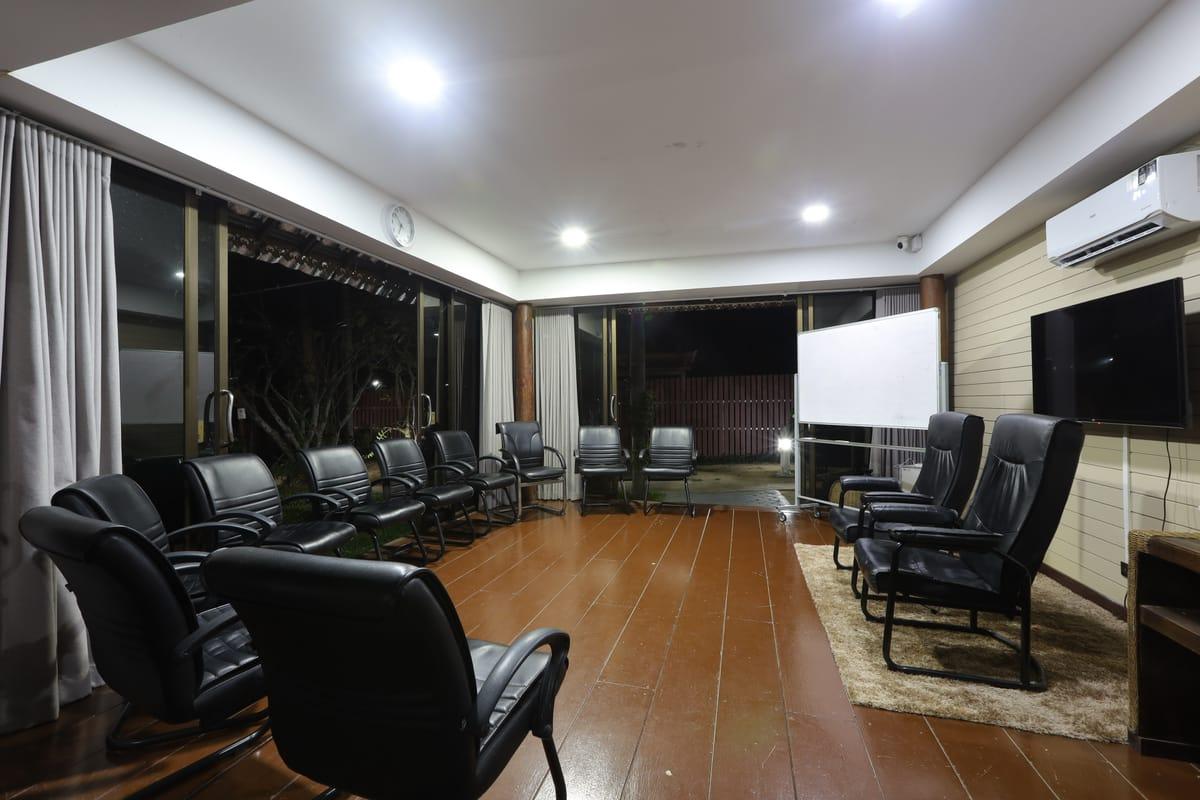
Therapy at Jintara is not group-dominant. Individual sessions with a post-graduate therapist happen multiple times per week, alongside group sessions for peer support and psychoeducation. CBT and DBT are the core modalities. For clients staying 60 days or more after medical stabilisation, EMDR therapy is available with Denise O'Leary, Jintara's clinical director, who is an EMDRIA-certified EMDR therapist.
- Morning: Vitals checks, medication review where required, breakfast, and individual or group therapy. The clinical model integrates addiction treatment and co-occurring mental health assessment from day one.
- Afternoon: Fitness at a commercial gym Monday, Wednesday, and Friday. Muay Thai, pickleball, badminton, and a golf driving range available by physical assessment. Yoga, Thai massage, and meditation fully included.
- Evening: Lighter group work, recovery reflection, and check-ins. Every client has a large private room with en-suite bathroom. Holistic wellness continues into the evening as part of the standard program.
- Weekends: Structured Saturday excursions in and around Chiang Mai, including Doi Chiang Dao and local cultural sites. Sunday community lunch. Clients integrate into real-world activity under clinical oversight throughout the stay.
With a maximum of 10 clients and a 3.2:1 staff-to-client ratio, the clinical team maintains consistent individual access to each person throughout the full treatment program.

Trauma, anxiety, and depression often sit alongside substance use for expat clients and are treated from the first week.
Denise O'Leary, Jintara's clinical director, has described this consistently: almost everyone who arrives at Jintara comes in with anxiety or depression. The question is not whether these conditions are present. The question is whether they preceded the substance use, emerged as a result of it, or co-evolved in a feedback loop where the substance became the management strategy for the mental health condition. For expat professionals, the most common pattern is the third: high-functioning anxiety or depression managed for years through alcohol, stimulants, or prescription medications, presenting at the point where the management strategy has become a problem of its own.
Jintara's approach treats the substance use and the mental health condition together from the first week. The psychiatrist assessment on admission is not limited to withdrawal risk. It covers the full mental health picture. For clients whose anxiety or depression has a trauma basis, the therapy team identifies this during the assessment process and builds a treatment plan that addresses the underlying condition rather than only the presenting behaviour.
For clients whose trauma history is significant and who are staying for 60 days or more, EMDR therapy is available once the clinical team assesses readiness after medical stabilisation. For expat clients specifically, the isolation and displacement that characterise life in an international posting frequently interact with developmental trauma in ways that were masked by the professional structure. The therapy team at Jintara is experienced with this presentation, and the clinical work proceeds alongside medical stabilisation rather than waiting for a distinct phase to complete.
Clients who want to understand what trauma reprocessing involves and how it fits into the Jintara program will find a full explanation on the therapy page.
Privacy in treatment is not an optional preference for expat professionals. It is a clinical and practical requirement.
For most expat clients, confidentiality in treatment is not a preference. It is a condition of being willing to access care at all. A professional working in Singapore's finance sector, a lawyer working in Hong Kong, a corporate executive based in Bangkok or Kuala Lumpur: each operates in a visible professional environment where the fact of accessing residential addiction treatment has potential consequences that range from reputational to contractual.
Jintara's structure addresses this directly. Treatment in Chiang Mai means the client is absent from their professional environment rather than receiving care within it. The maximum of 10 clients at any time means the client group is small enough that a client's presence at the facility is not documented in any local employer network, health insurance record, or local healthcare system. Treatment records are held in Thailand under Thai privacy law. No record of treatment is created in the client's home country unless the client chooses to disclose it.
The practical aspect of this is documented in Jintara's history. The facility has treated lawyers, executives, medical professionals, and public figures over its operational period without a single confidentiality breach. Darren Lockie has noted this record explicitly as part of how the facility operates. It is not a policy statement. It is a function of the size, structure, and professional culture of the facility and the people who run it.
The Chiang Mai page covers the location itself, for clients assessing whether Chiang Mai is a suitable environment for a period of residential care.

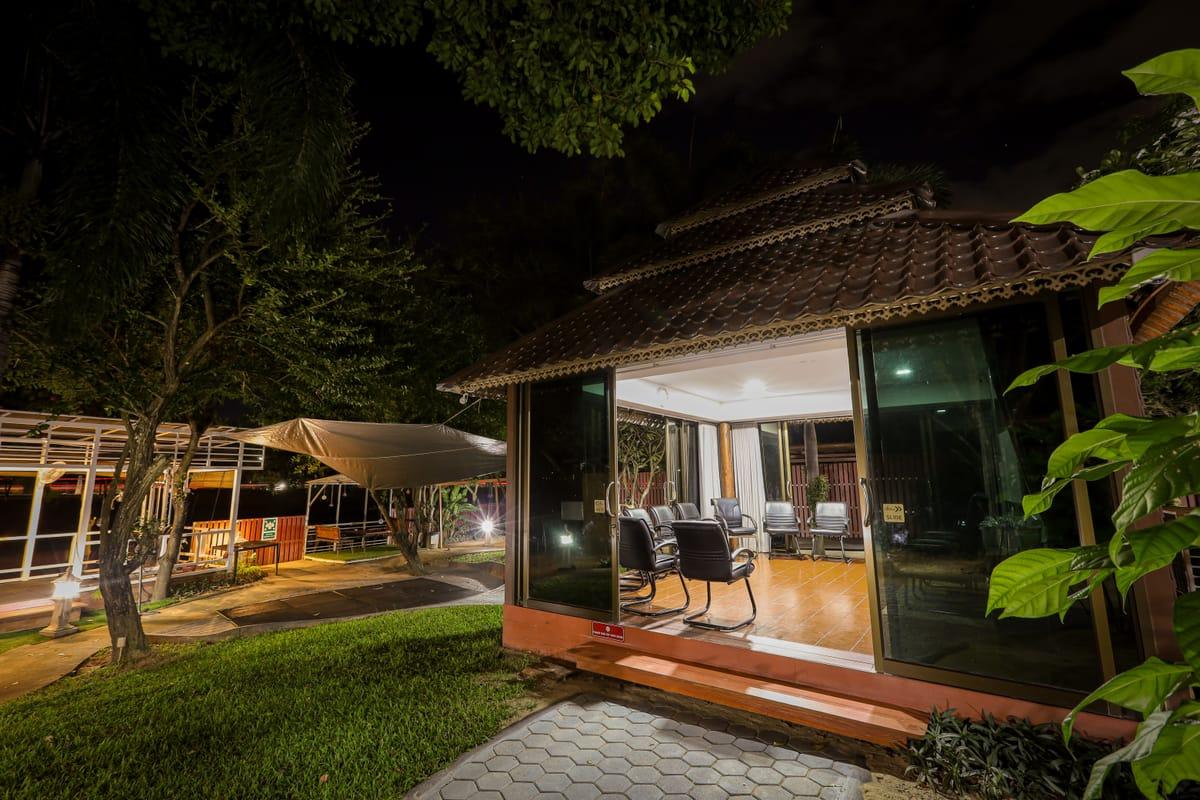
The cost of residential treatment at Jintara compares favourably with private residential care in the countries most clients come from.
Current fees are published on the pricing page. The cost differential between a 30-day residential program at Jintara and a comparable private residential program in Singapore, Australia, the United Kingdom, or Hong Kong is significant. Clients who contact Jintara after researching local options in their home market consistently report that the cost difference was the first factor that led them to consider treatment in Thailand.
The cost of treatment in Australia, the United Kingdom, and Singapore for private residential rehabilitation varies widely. What is consistent is that the total cost of treatment at Jintara, including flights from Singapore or Hong Kong, typically remains substantially below the cost of comparable private care in those countries. Travel adds cost; the price difference absorbs it.
Most expat clients pay for treatment personally or through family support. Australian clients can use superannuation early release to fund treatment on compassionate grounds. Clients covered by US-style global health insurance should check their policy for international residential mental health and addiction treatment coverage, as this type of policy is more likely to include international care than Australian private health insurance or most Southeast Asian employer health plans.
Getting to Chiang Mai is straightforward. Direct flights operate from Singapore (approximately 2.5 to 3 hours), Hong Kong (3.5 to 4 hours), Kuala Lumpur (approximately 2.5 hours), and Bangkok (1.5 hours domestic). Airport transfers from Chiang Mai International Airport to the facility are included in the program fee and take approximately 20 to 30 minutes. Many nationalities can enter Thailand without arranging a visa in advance, but the permitted period depends on the passport and the entry rules are currently mid-change, so confirm the position for your own nationality with the Royal Thai Embassy or consulate rather than relying on any facility's website, including this one. Admissions answers visa questions as part of the booking process, the admissions process is described in full on this site, and the run from Canada is set out city by city for clients making the longer journey.
Why we operate at 10 clients and have no intention of scaling to 50.
The standard argument for larger treatment facilities is that scale produces consistency: more staff, more structure, more governance. Jintara makes the opposite argument and has built the evidence for it over years of operation.
Darren Lockie left a senior role at Microsoft after spending years watching what happens to people inside large organisations. He has described the deliberate decision to build a 10-client facility as the founding principle of Jintara: not a compromise on capacity, but a rejection of the clinical model that produces poor outcomes at high volume. A caseload of eight to ten clients per therapist, which is what Denise O'Leary identified as the standard at a competitor facility before she came to Jintara, is not a therapist providing individual care. It is a therapist managing a rotation.
At 10 clients and 32 staff, every person in the facility knows every client's name, clinical state, and daily progress. This matters specifically for expat and professional clients, whose presentations are frequently complex. High-functioning people with years of managed substance use and co-occurring mental health conditions do not fit well into standardised group programs designed around a median presentation. The small size of the Jintara cohort is the mechanism through which that level of individualised attention is possible.
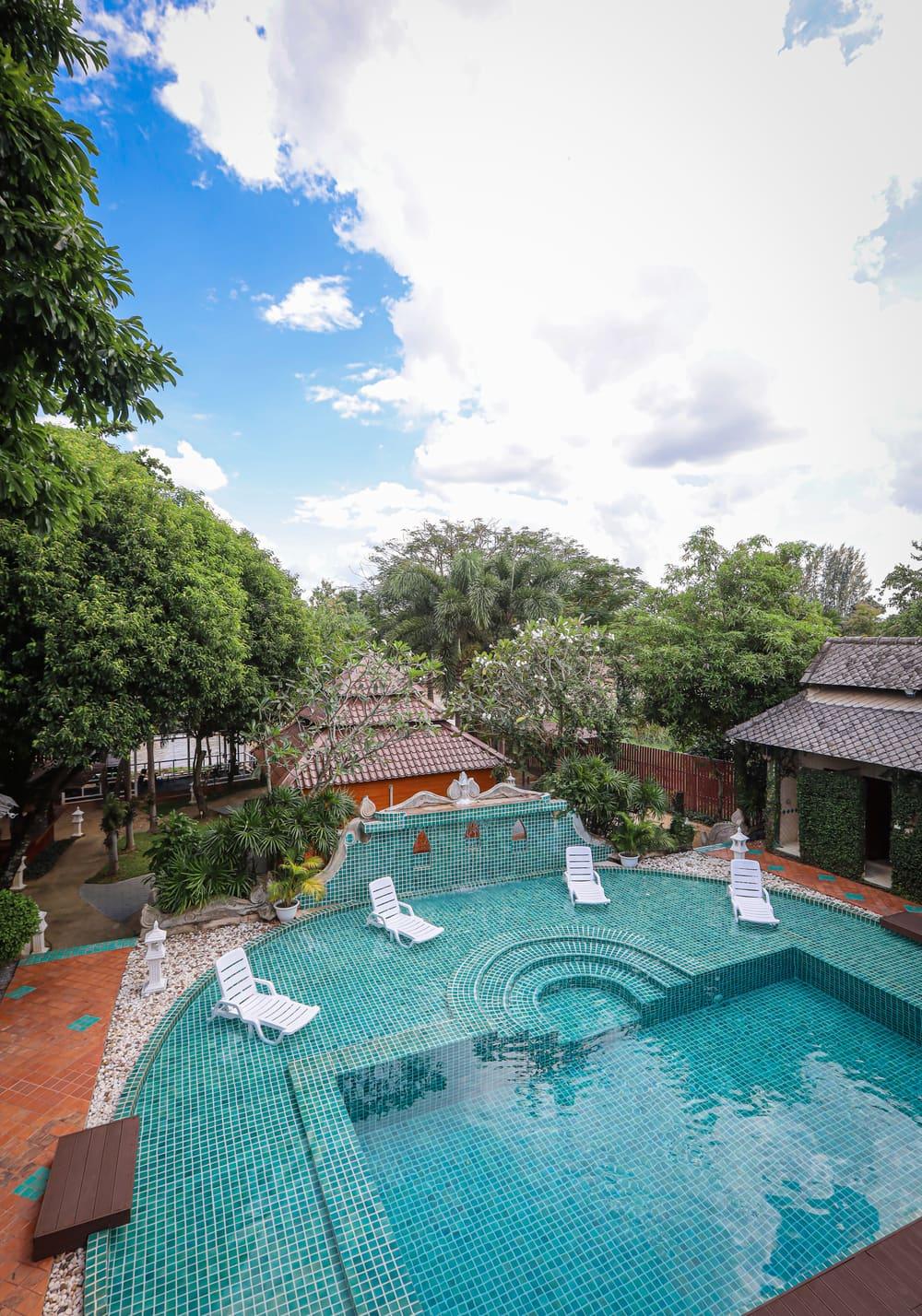
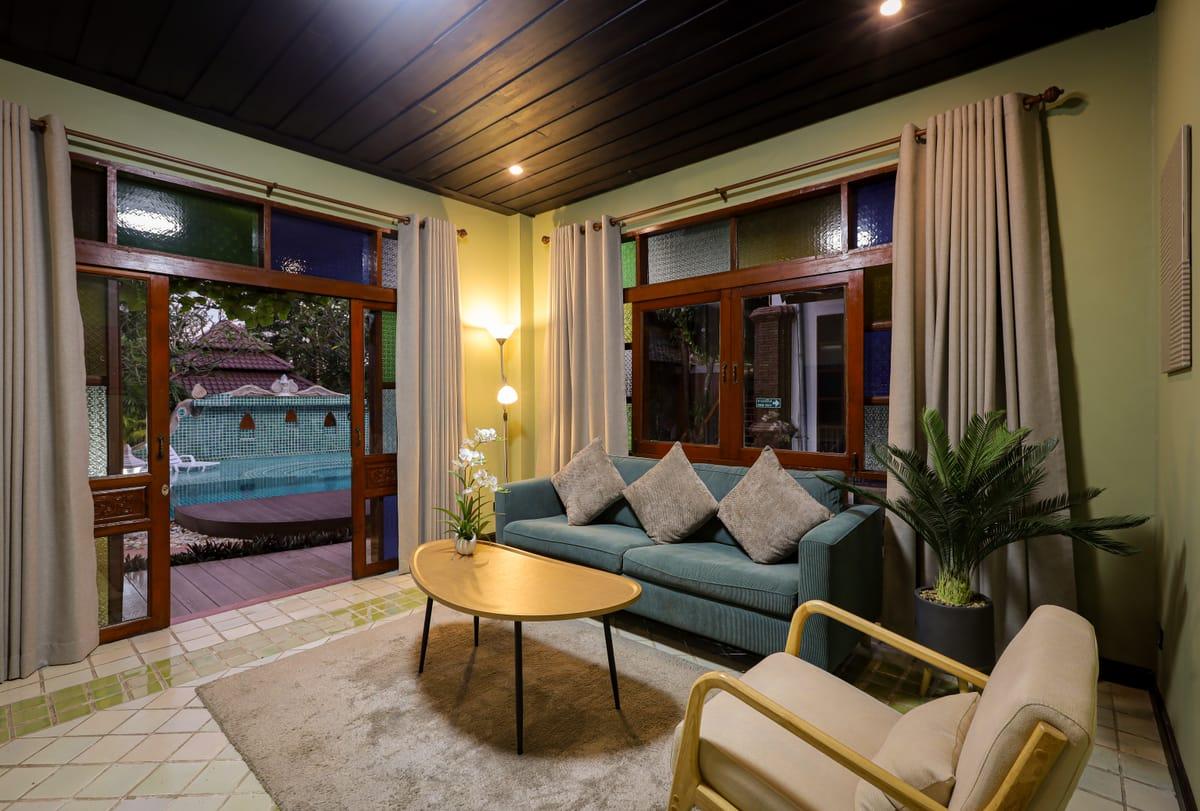
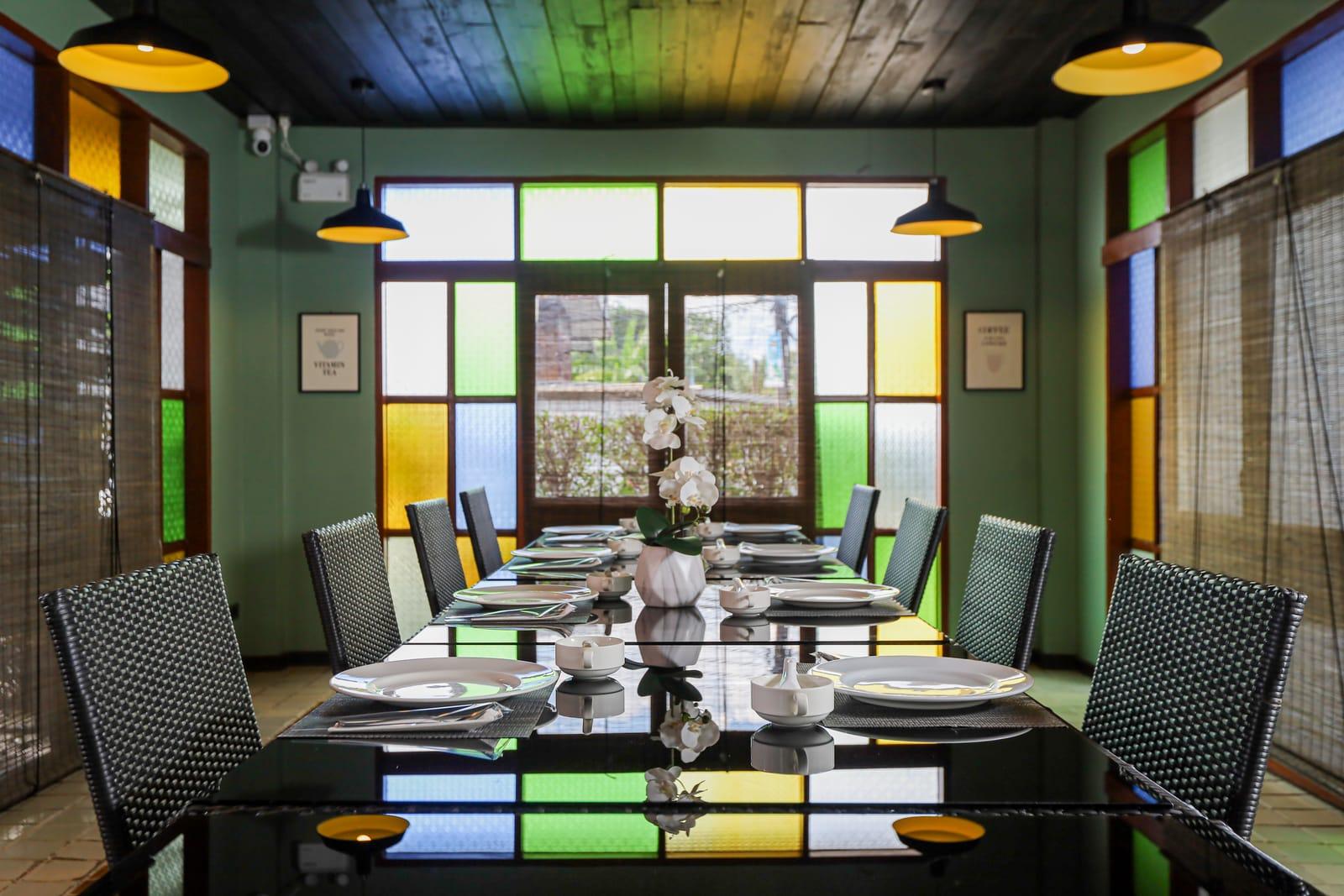
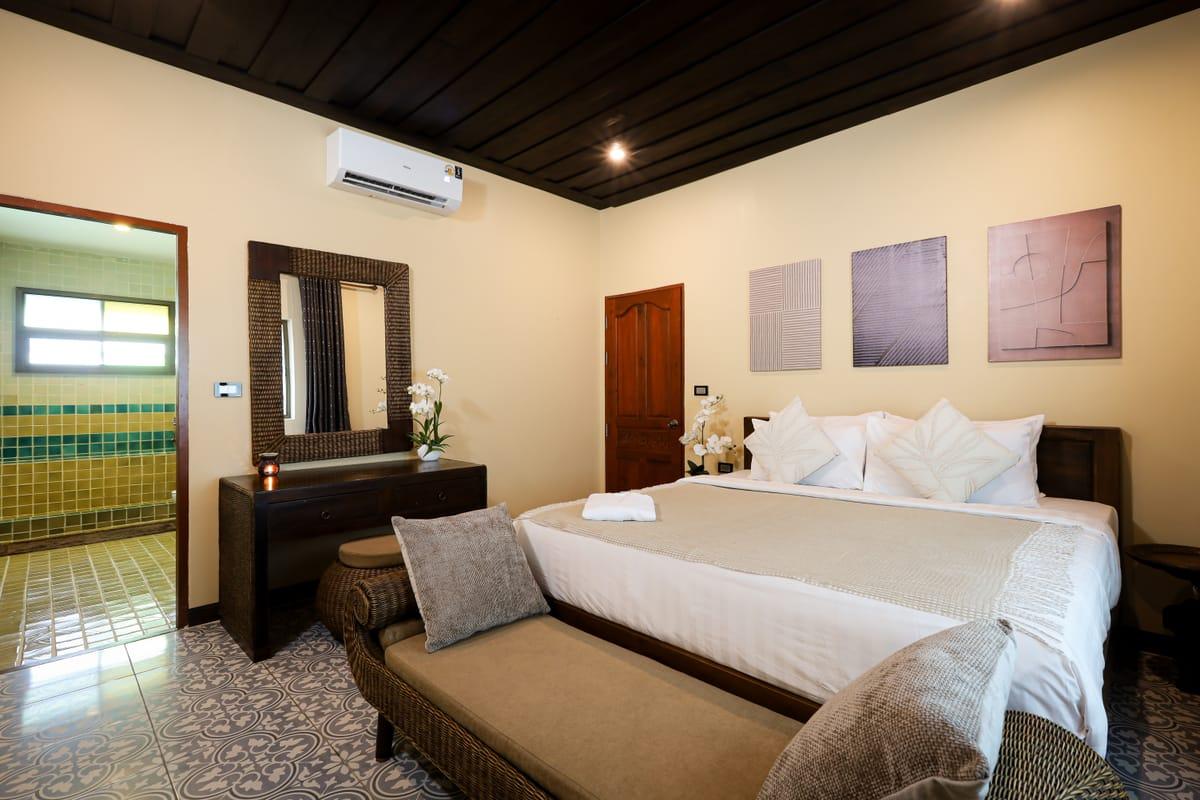
The facilities at Jintara reflect this same philosophy. Every client has a private room. There are no dormitory arrangements. The physical environment is built around the same principle as the clinical one: space, privacy, and the conditions that make it possible for a person to do serious work on serious problems.
“I spent years building something too big to care about each person. Jintara is deliberately the opposite. Ten clients at a time is not a limitation. It is the clinical model.

Talk with Our Admissions Team
Your enquiry is confidential and goes only to our admissions team.
Independently Verified
Jintara is accredited against Thailand’s national quality standard for drug treatment and rehabilitation facilities, jointly certified by the Healthcare Accreditation Institute, the body that accredits Thailand’s hospitals, with the Princess Mother National Institute on Drug Abuse Treatment and the Department of Medical Services, Ministry of Public Health. Certificate no. 25/2569, valid 20 May 2026 to 19 May 2029.
Common Questions About Rehab in Asia for Expats
I am based in Singapore. Is travelling to Chiang Mai for residential treatment feasible?
Yes. The direct flight from Singapore to Chiang Mai takes approximately two and a half to three hours. Many clients from Singapore have completed the full 30-day program at Jintara and returned to work. The admissions team can work through the practical logistics with you during the pre-admission consultation, including visa, documentation, and what to tell your employer.
Will my employer in Singapore or Hong Kong find out I am receiving treatment?
Not from Jintara. Treatment records are held in Thailand under Thai privacy law. No record is created in your home country's health system or with your employer. Jintara provides medical documentation supporting a medical leave, but the specific framing you use with your employer is your decision. The facility has a strong record on confidentiality, maintained throughout its operational history.
Does Jintara treat substance use conditions common in Southeast Asian expat populations, including cocaine and stimulant use?
Yes. Stimulant use including cocaine and methamphetamine is a presenting condition Jintara treats. For clients from high-pressure professional environments in Singapore, Hong Kong, and Bangkok, stimulant use alongside alcohol is a common co-presentation. The medical detox and therapy program is adapted to the specific substances involved.
What does the Day 2 medical workup involve?
On the second day of every admission, Jintara arranges a full medical assessment at Jintara's expense. This covers blood tests, liver and kidney function panels, a chest X-ray, and an electrocardiogram. Results are reviewed by the consulting psychiatrist the same day. For clients who have been drinking or using other substances heavily, this workup frequently identifies health issues that were previously undetected.
Is EMDR therapy available at Jintara?
Yes, for eligible clients. EMDR is not assigned to all clients as a standard component of the 30-day program. It is primarily available for clients who remain for 60 days or more and have completed the medical stabilisation phase. Jintara's clinical director, Denise O'Leary, is an EMDRIA-certified EMDR therapist and leads the EMDR work. Whether EMDR is appropriate for a specific client is assessed by the clinical team.
What does a standard day at Jintara look like for an expat client?
The day begins with a nursing vital signs check, followed by breakfast. Morning sessions include individual therapy and group work. Afternoons involve psychoeducation and fitness, which includes gym sessions, Muay Thai, and other physical activity based on what the client is assessed to be ready for. Evenings include lighter therapeutic group work and recovery reflection. Weekend programming includes structured Saturday excursions to locations around Chiang Mai.
What languages does the clinical team work in?
All clinical work at Jintara is conducted in English. The full clinical and support staff speak English. Clinical discussions, therapy sessions, group work, and daily communication all occur in English. There is no translation required and no risk of clinical information being lost in translation during vulnerable moments in treatment.
How do I begin the admissions process from Singapore, Hong Kong, or another Asian city?
Contact the Jintara admissions team by phone or through the contact form on this site. The admissions process begins with a conversation. You do not need a referral. The team will assess clinical fit during the consultation and can provide a treatment recommendation, a cost summary, and a timeline. Most clients who begin the admissions process from an Asian hub city are able to arrive within one to three weeks of first contact.
Is Jintara accredited to the same clinical standard as a hospital?
Yes. In May 2026, Jintara received joint accreditation from three national bodies: the Healthcare Accreditation Institute (HAI), which accredits Thailand's hospitals, the Princess Mother National Institute on Drug Abuse Treatment (PMNIDAT), and the Department of Medical Services, Ministry of Public Health. Certificate number 25/2569 is valid to May 2029. Jintara is one of only six private rehabs in Thailand to hold this accreditation. The accreditation covers clinical care, safety protocols, and facility standards assessed against the same national benchmark applied to Thai hospitals. Details of the certification and the accrediting bodies are available on the hospital-grade accreditation page of this site.
Is Jintara the right fit if I am not sure whether I have an addiction?
The admissions team assesses clinical fit without requiring you to have a formal diagnosis before making contact. Many clients from professional backgrounds arrive having never described their substance use to a clinician before. If the assessment indicates Jintara is not the right fit, the team will say so directly and, where possible, suggest a more suitable option. That referral-out policy reflects how the facility operates.
The Jintara admissions team is available to answer any question before you decide. The consultation is free, no referral is required, and most clients from Singapore and Hong Kong are able to confirm a timeline within 24 hours of first contact.
Jintara Rehab is licensed by the Thai Ministry of Public Health as a rehabilitation centre. The clinical information on this page describes Jintara's general approach to supporting clients during the early recovery period. Medical decisions, including medication protocols, are determined by addiction-specialist psychiatrists through our partner hospital pathway. Individual treatment varies based on clinical assessment. This content is for informational purposes and does not constitute medical advice.