

A licensed residential treatment program in Chiang Mai, 16 hours from Auckland.
If you are researching this for yourself or someone you love, this page covers what is different about treatment in Thailand. The Jintara program is delivered at a licensed facility in Chiang Mai, with a maximum of 10 clients and 32 staff. Medical oversight begins on day one.
- Licensed by Thailand's Ministry of Public Health since the program opened in 2022
- Maximum 10 clients at any time with a 3.2:1 staff-to-client ratio
- No NZ health record, ACC record, or employer notification is created overseas
- Airport transfers from Chiang Mai International Airport included in the program fee
Fully Licensed and Hospital Accredited
Public residential rehab in New Zealand often means a long wait for a bed.
Rehab in Thailand for New Zealanders is licensed residential addiction treatment in Chiang Mai.
New Zealand's publicly funded addiction treatment services operate at capacity. Waitlists for residential care stretch months, and the small number of private residential facilities, concentrated in Auckland and Christchurch, carry price tags comparable to the private market in Britain, where the UK route into Jintara is set out in full. For many New Zealanders, the combination of long wait times and high cost creates a gap that offshore residential care can fill, the same calculation Canadians comparing their home options work through before travelling. Darren Lockie, Jintara's founder, has spent more than 15 years building addiction treatment centres in Thailand and has worked with New Zealand clients throughout that time.
A further structural barrier exists within New Zealand's residential sector. As Darren has observed directly: "In New Zealand in particular, you can't go into certain rehabs unless you're clean, which is kind of the whole purpose, in my opinion, of rehab." Jintara integrates medical detox and therapy from the first week of admission. Jintara accepts clients presenting with alcohol use disorder as its most common substance category, followed by benzodiazepines, opioids, and methamphetamine. Clients do not need to complete a separate detox before arriving.
Distance from home removes the triggers that sustain substance use in familiar environments.
Distance from familiar environments reduces the trigger exposure that sustains substance use in the early weeks of recovery.
Staying at home during early recovery means proximity to the environments and people that have supported substance use over months or years. In New Zealand, where social networks in cities like Auckland or Wellington are dense and geographically compact, this creates a continuous trigger load that residential treatment is designed to suspend. The physical distance that Thailand provides is not incidental to the clinical outcome. It is part of the clinical mechanism.
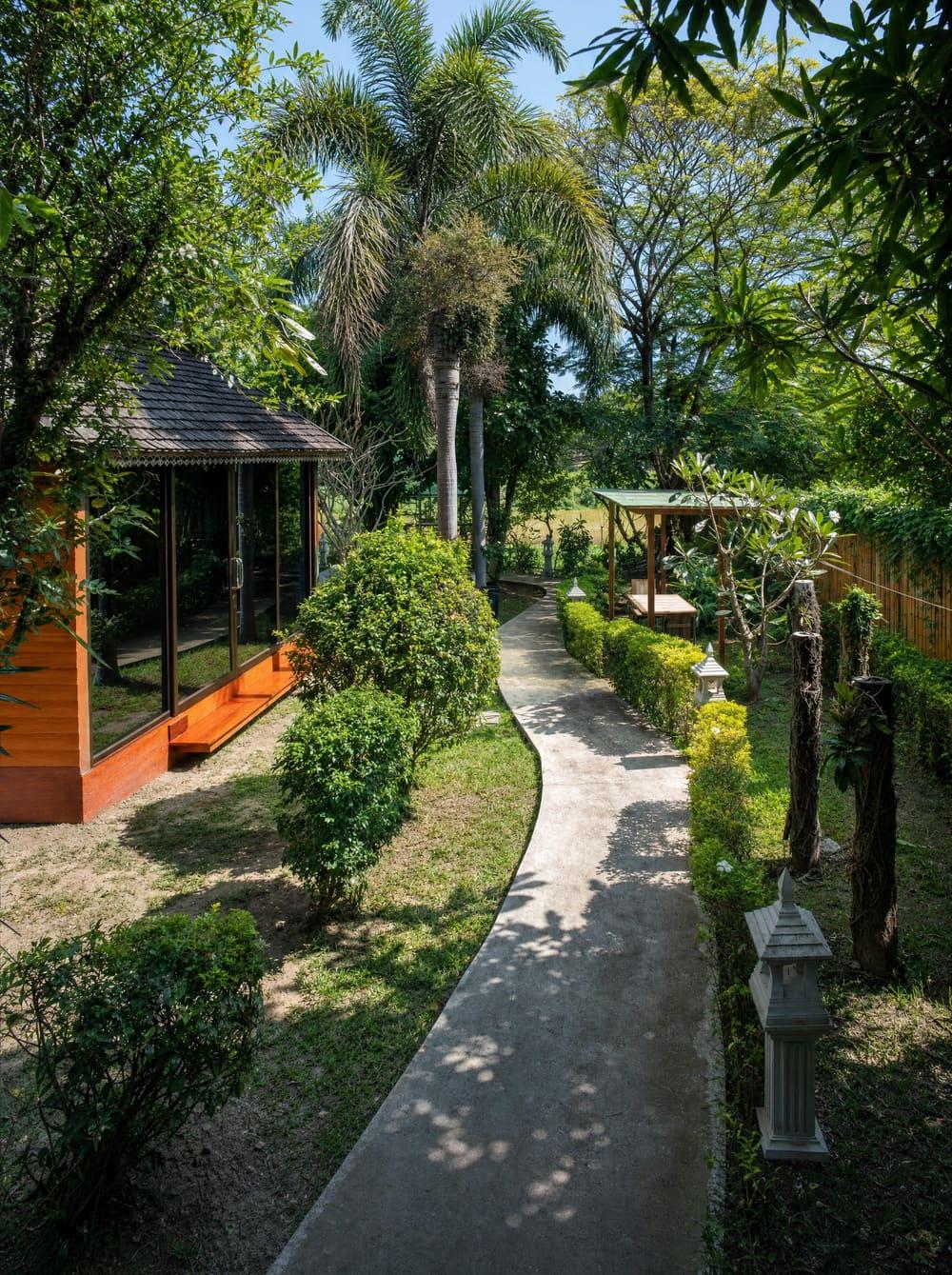
Jintara maintains a maximum of 10 clients at any time. Clients train at a commercial gym, eat at local restaurants on supervised outings, and participate in structured weekend excursions. The real world Jintara operates in is neutral, calm, and far from the environments New Zealand clients need to interrupt.
Privacy is both a practical and clinical asset. New Zealand is a small country. Clients whose substance use and co-occurring mental health conditions are linked benefit especially from the separation residential care overseas provides. As Darren Lockie has reported, professionals and executives treated at Jintara have not had a confidentiality breach. That is a historical account, not a future guarantee.
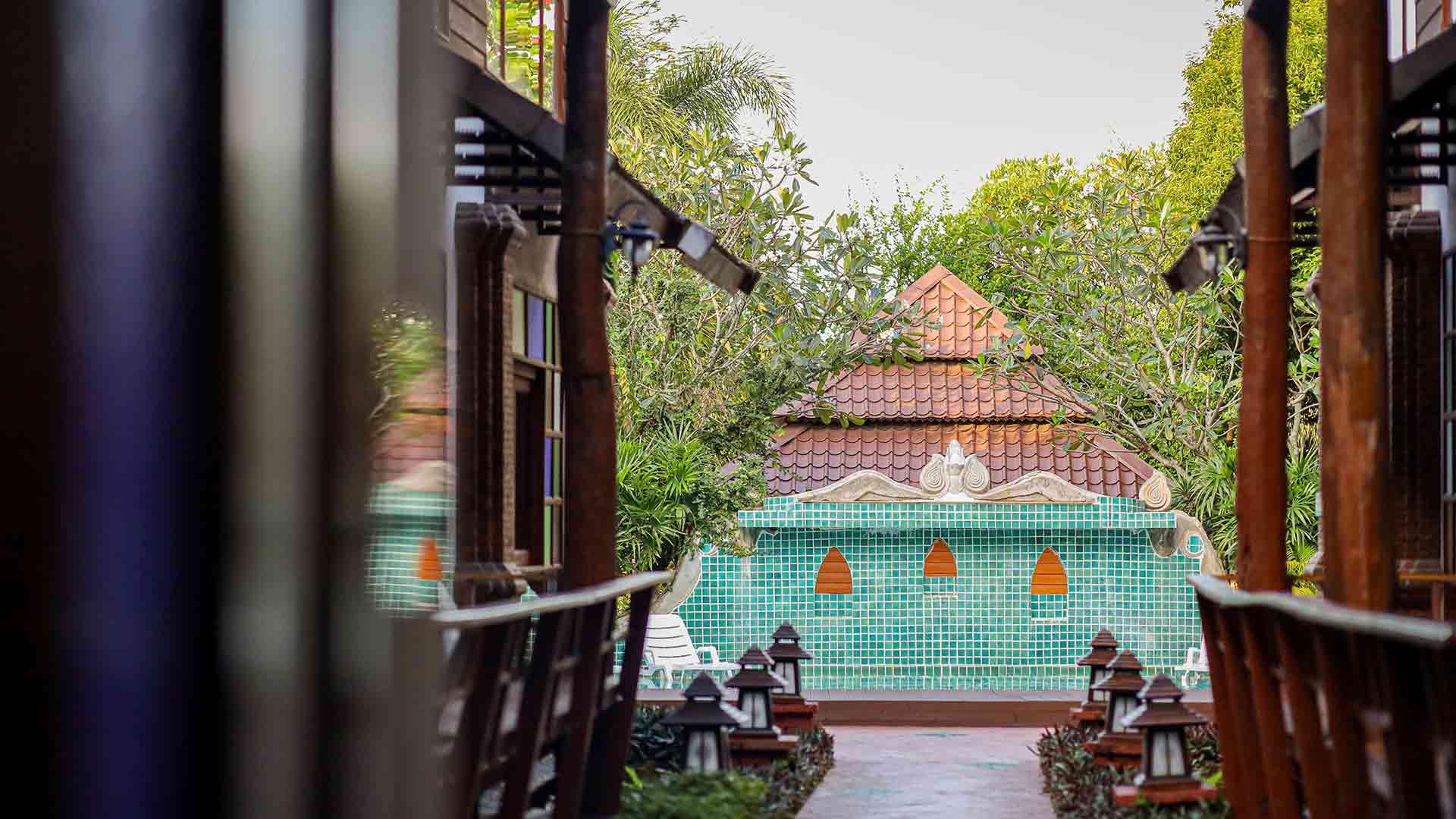


The cost of residential treatment at Jintara is substantially lower than comparable NZ private options.
Private residential rehabilitation in New Zealand, where available, carries costs that typically range between NZD $20,000 and $35,000 for a 28-day stay. Public services are free but waitlisted, and the capacity of the residential sector overall is small relative to need.
For New Zealand clients who have compared options, the cost gap is usually the first reason for making contact. Jintara's 30-day program costs substantially less than comparable private care in New Zealand, with current fees published on the pricing page alongside program inclusions. The cost difference remains significant even after return flights from Auckland to Chiang Mai are included.
The comparison is not only about price. Private residential facilities in New Zealand vary considerably in staffing ratios, therapy hours, and medical detox capability. Jintara's ratio of 32 staff to a maximum of 10 clients, with three master's-level therapists and 24/7 awake nursing, represents a level of clinical intensity that is uncommon at any price point in the New Zealand private market.
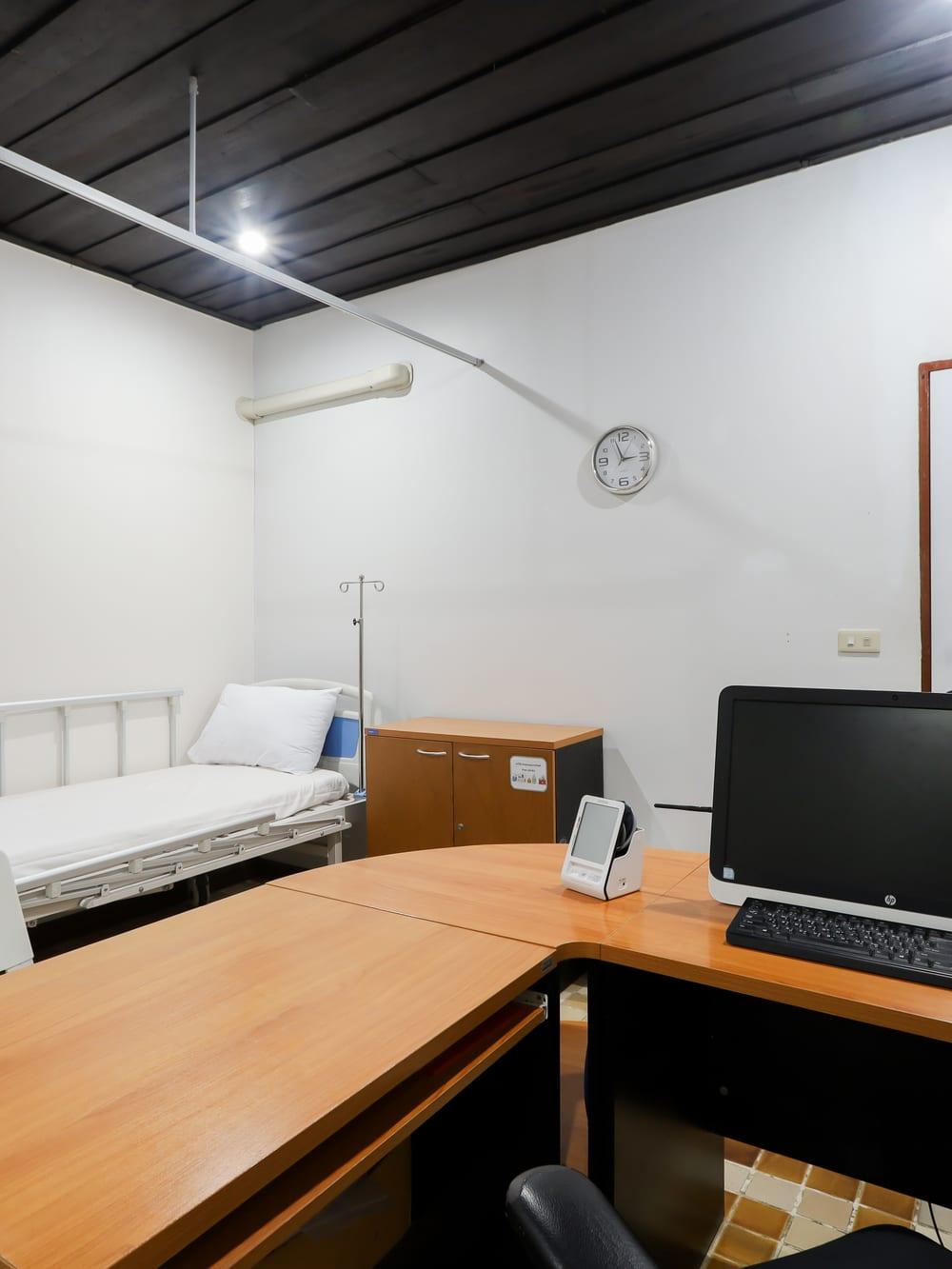
Jintara holds a Ministry of Public Health license and has formal hospital transfer agreements in Chiang Mai.
Jintara is licensed by Thailand's Ministry of Public Health. The concern New Zealand families raise about medical standards overseas is understandable, and this section explains what the license means in practice.
For a New Zealand family making this decision from a distance, the concern about medical standards overseas has been answered not by Jintara's own assurance, but by the same independent government authority that inspects Thai hospitals. Beyond the Ministry license, Jintara holds hospital-grade accreditation, jointly certified by the Healthcare Accreditation Institute, the national body that accredits Thailand's hospitals, alongside the Department of Medical Services and the Princess Mother National Institute on Drug Abuse Treatment. One of only six private rehabs in Thailand to hold this accreditation, certificate no. 25/2569.
The licensing process took nine months to complete before Jintara admitted its first client and requires ongoing compliance. Many private facilities in New Zealand are not subject to an equivalent licensing requirement.
Hospital transfer partners in Chiang Mai are Bangkok Hospital Chiang Mai and RAM Hospital, both confirmed formal transfer partners. On day two of every admission, Jintara arranges a complete medical workup at its own cost: blood tests, liver and kidney function, chest X-ray, and an EKG, with results returned within hours. A psychiatrist assessment is included on arrival, which competitors in the region typically charge for separately. All medical detox is conducted under medically supervised protocols with 24/7 awake nursing. Pharmacotherapy support is identified in NIAAA's guidance on evidence-based treatment options as a core component of evidence-based addiction care. Monitoring during alcohol withdrawal follows the Clinical Institute Withdrawal Assessment for Alcohol, Revised (CIWA-Ar) protocol, with reassessment every one to two hours when scores exceed 14.
“Some NZ rehabs require clients to be clean before entry. That requirement turns away the people who need the most help. We treat detox and therapy as one process.




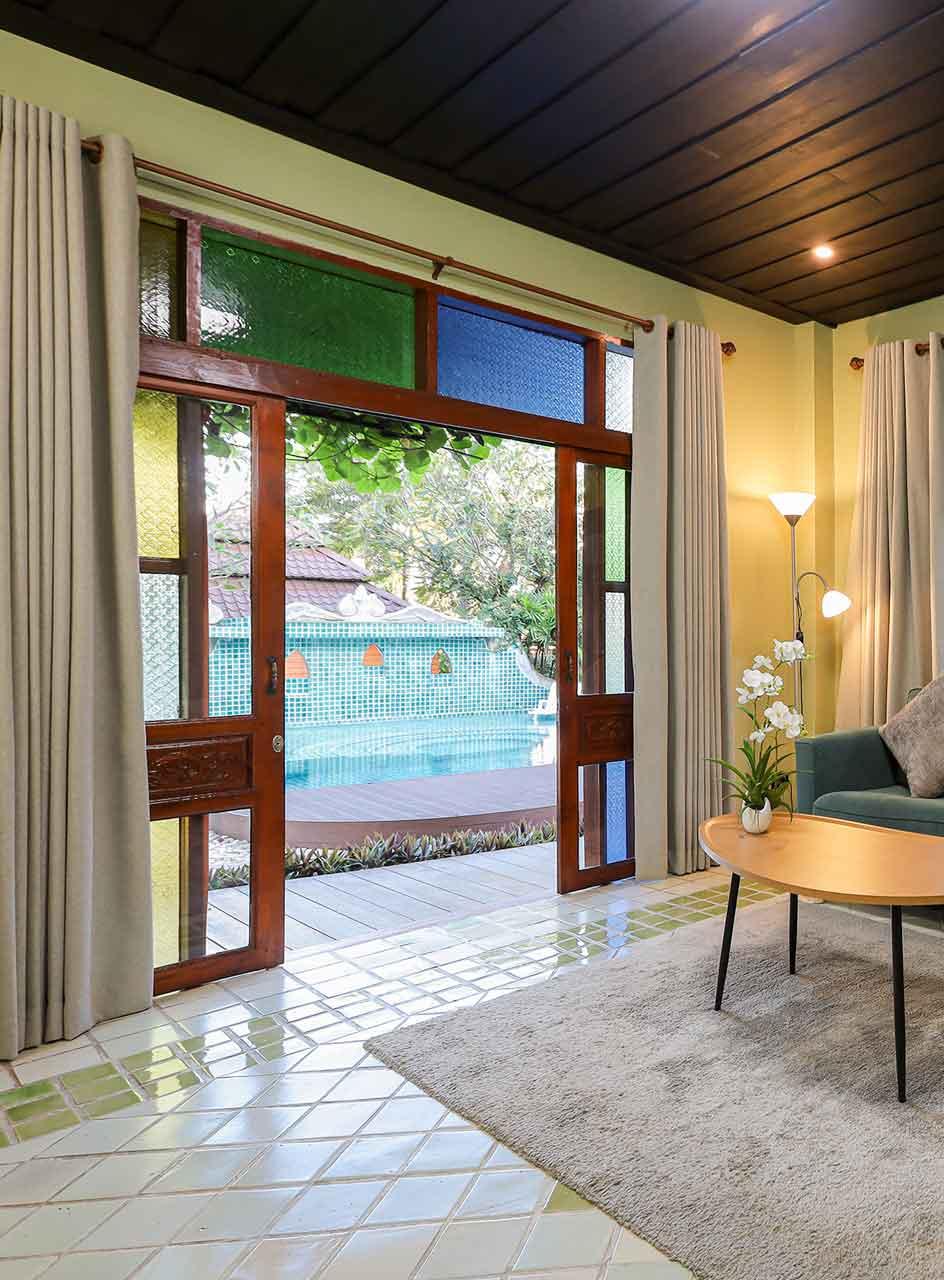
The 30-day residential program covers medical detox, therapy, fitness, and discharge planning.
The foundation program at Jintara runs for 30 days and integrates medical detox, individual therapy, group therapy, psychoeducation, fitness, holistic activities, and aftercare planning. Extended stays of 8 to 12 weeks are available and discussed during the admissions process based on clinical assessment. Therapy across the full residential program draws on cognitive behavioural therapy (CBT) and dialectical behaviour therapy (DBT). Denise O'Leary, Jintara's Clinical Director and EMDRIA-certified EMDR therapist, leads the team alongside two additional therapists with post-graduate qualifications, each holding a master's degree in counselling, psychology, or a related clinical field.
- Morning: Vitals checks and medication review, followed by individual and group therapy. The clinical model integrates addiction treatment and co-occurring mental health assessment from day one.
- Afternoon: Fitness at a commercial gym Monday, Wednesday, and Friday. Muay Thai, pickleball, golf driving range, and boxing available by physical assessment. Yoga, massage, and meditation fully included.
- Weekends: Structured Saturday excursions in and around Chiang Mai. Sunday community lunches integrate clients into real-world activity under clinical oversight throughout the stay.
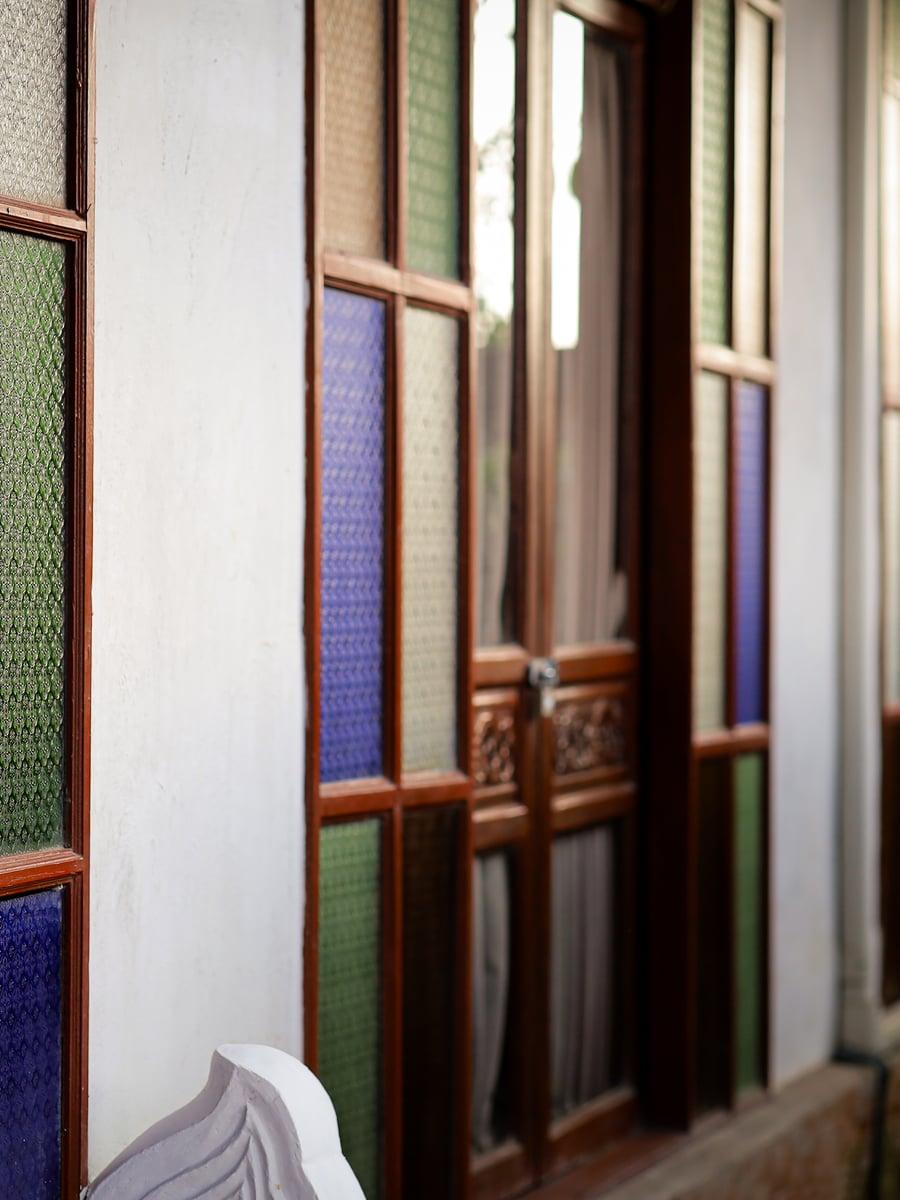
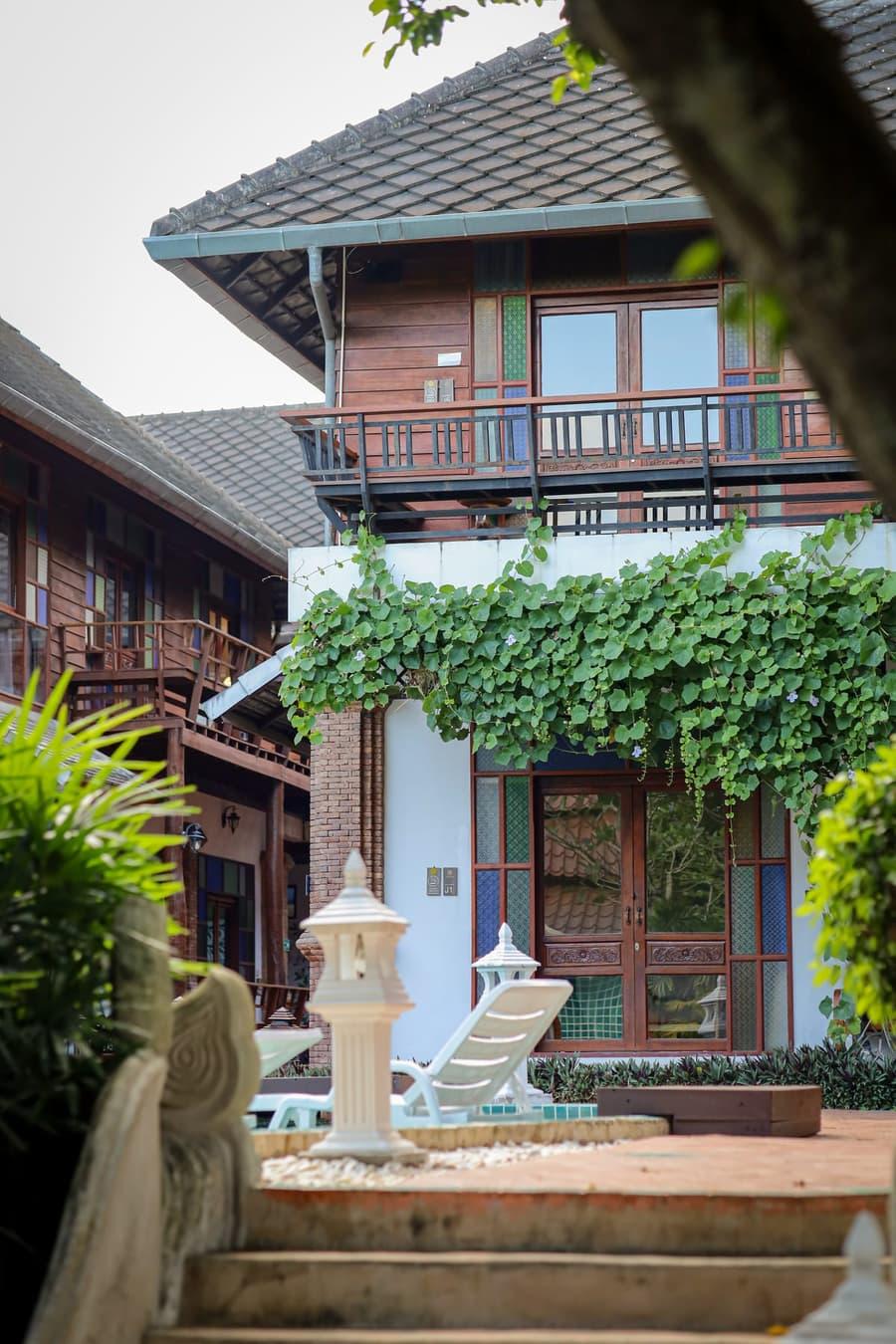
Every client receives a large private room. With a maximum of 10 clients, each person has consistent access to the full clinical team throughout treatment.
Flying from New Zealand to Chiang Mai connects through Bangkok and takes around 16 to 18 hours.
Chiang Mai International Airport is accessible from New Zealand via Bangkok. Most clients from Auckland or Wellington arrive within 16 to 18 hours, depending on the connection. Services to Bangkok depart daily, with the Chiang Mai leg taking approximately one hour on Bangkok Airways or Thai AirAsia.
Airport transfers from Chiang Mai International to Jintara are arranged through the admissions process and included in the program fee, and the full flight routes, visa rules and arrival logistics are set out separately. Darren Lockie personally manages the intake process, so the transition from airport to facility is handled directly rather than through a third party. For clients anxious about travel, Darren is contactable throughout the journey.
Entry requirements for New Zealand passport holders in Thailand are subject to current Thai government policy and can change. The admissions section of the site covers what to expect in your first week in detail, including pre-travel documentation, consent, and what to bring. Clients should confirm current visa requirements with the Thai embassy or contact the Jintara admissions team at the time of booking.

Treatment in Thailand creates no NZ health record and no ACC or employer notification.
Residential treatment at Jintara creates no record in New Zealand's health information systems, no ACC entry, and no employer notification. Jintara does not report to any New Zealand government body. The treatment record is held at the facility and shared only with the client and, where explicit consent has been given, nominated supports.
ACC coverage for overseas addiction treatment requires pre-approval and is not a standard benefit. Private health insurers in New Zealand, including Southern Cross, nib, and Allianz Partners, have varying policies on overseas treatment. Contact your insurer before booking to confirm coverage.
Aftercare planning at Jintara begins in the first week, not the final days. Before discharge, every client receives a personalised relapse prevention plan, outpatient referrals in their home city, and peer support recommendations that do not require a 12-step framework. As NIDA's overview of treatment and recovery sets out, relapse rates for substance use disorders are similar to those for other chronic illnesses, and detoxification alone without subsequent treatment generally leads to a return to use. Follow-up sessions with Denise O'Leary are conducted by video call after discharge. That planning is a structured component of every discharge, not an add-on.
Independently Verified
Jintara is accredited against Thailand’s national quality standard for drug treatment and rehabilitation facilities, jointly certified by the Healthcare Accreditation Institute, the body that accredits Thailand’s hospitals, with the Princess Mother National Institute on Drug Abuse Treatment and the Department of Medical Services, Ministry of Public Health. Certificate no. 25/2569, valid 20 May 2026 to 19 May 2029.

Talk with Our Admissions Team
Your enquiry is confidential and goes only to our admissions team.
Common Questions About Rehab in Thailand for New Zealanders
New Zealand's residential addiction treatment sector has limited capacity and long waitlists. Private facilities in Auckland and Christchurch are expensive and small in number. Jintara offers a licensed residential program with a higher staffing ratio, on-site medical detox, and a cost that is substantially lower than comparable New Zealand private care, without an ACC record being created.
ACC coverage for overseas addiction treatment is not standard and requires pre-approval based on specific eligibility criteria. If your addiction has resulted from a covered accident or injury, it may be worth discussing this with ACC before booking. Jintara can provide clinical documentation. We recommend contacting ACC and seeking independent advice before relying on this funding source.
Coverage depends on your insurer and policy. Southern Cross, nib, and Allianz Partners each have different terms for international residential treatment. Contact your insurer directly to confirm whether overseas addiction treatment is included and what pre-approval is required before making any booking.
Private residential rehabilitation in New Zealand typically costs NZD $20,000 to $35,000 for a 28-day stay. Jintara's 30-day program costs substantially less, and the gap remains significant even after Auckland to Chiang Mai return flights are added. Current pricing is published at jintararehab.com/pricing.
Most clients from Auckland arrive in Chiang Mai within 16 to 18 hours, connecting through Bangkok. Transfers from Chiang Mai International Airport are arranged through the admissions process and included in the program fee. Darren personally manages intake logistics and is contactable throughout the journey.
Entry requirements for New Zealand passport holders in Thailand are subject to current Thai government policy. We recommend confirming requirements with the Thai embassy in Wellington or contacting our admissions team for the most current guidance at the time of booking.
Jintara does not report to any New Zealand government body. No entry is created in NZ health information systems, the ACC, or any employer notification system. Your treatment record is held at the Jintara facility and shared only with you and anyone you have explicitly consented to involve.
Before discharge, you receive a personalised aftercare plan developed with your clinical team. This includes referrals to outpatient support in your home city, peer support recommendations that do not depend on a 12-step model, and follow-up video sessions with Denise O'Leary. The goal is to have your support structure in place before you arrive back in New Zealand.
Yes. Jintara holds hospital-grade accreditation jointly certified by three government bodies: the Healthcare Accreditation Institute, which accredits Thailand's hospitals, the Princess Mother National Institute on Drug Abuse Treatment, and the Department of Medical Services, Ministry of Public Health. Certificate no. 25/2569, valid from 20 May 2026 for a three-year term. A New Zealand family does not have to rely on Jintara's own word. The certification is issued by the same independent national authority that assesses hospitals.
Hospital-grade accreditation means an independent government team reviewed Jintara's clinical protocols, medical oversight, staff qualifications, medication handling, and records, and confirmed the facility meets Thailand's national quality standard for drug treatment. The standard is built in line with the framework against which Thai hospitals are assessed. For a New Zealand family weighing a care decision from a distance, the accreditation provides external confirmation that is not dependent on Jintara's own claims. Jintara is one of only six private rehabs in Thailand to hold it.
Jintara is a small licensed residential rehab in Chiang Mai with a 3.2:1 staff-to-client ratio. New Zealand clients are welcome to contact the admissions team with any question before deciding.
Jintara Rehab is licensed by the Thai Ministry of Public Health as a rehabilitation centre. The clinical information on this page describes Jintara's general approach to supporting clients during the early recovery period. Medical decisions, including medication protocols, are determined by addiction-specialist psychiatrists through our partner hospital pathway. Individual treatment varies based on clinical assessment. This content is for informational purposes and does not constitute medical advice.