
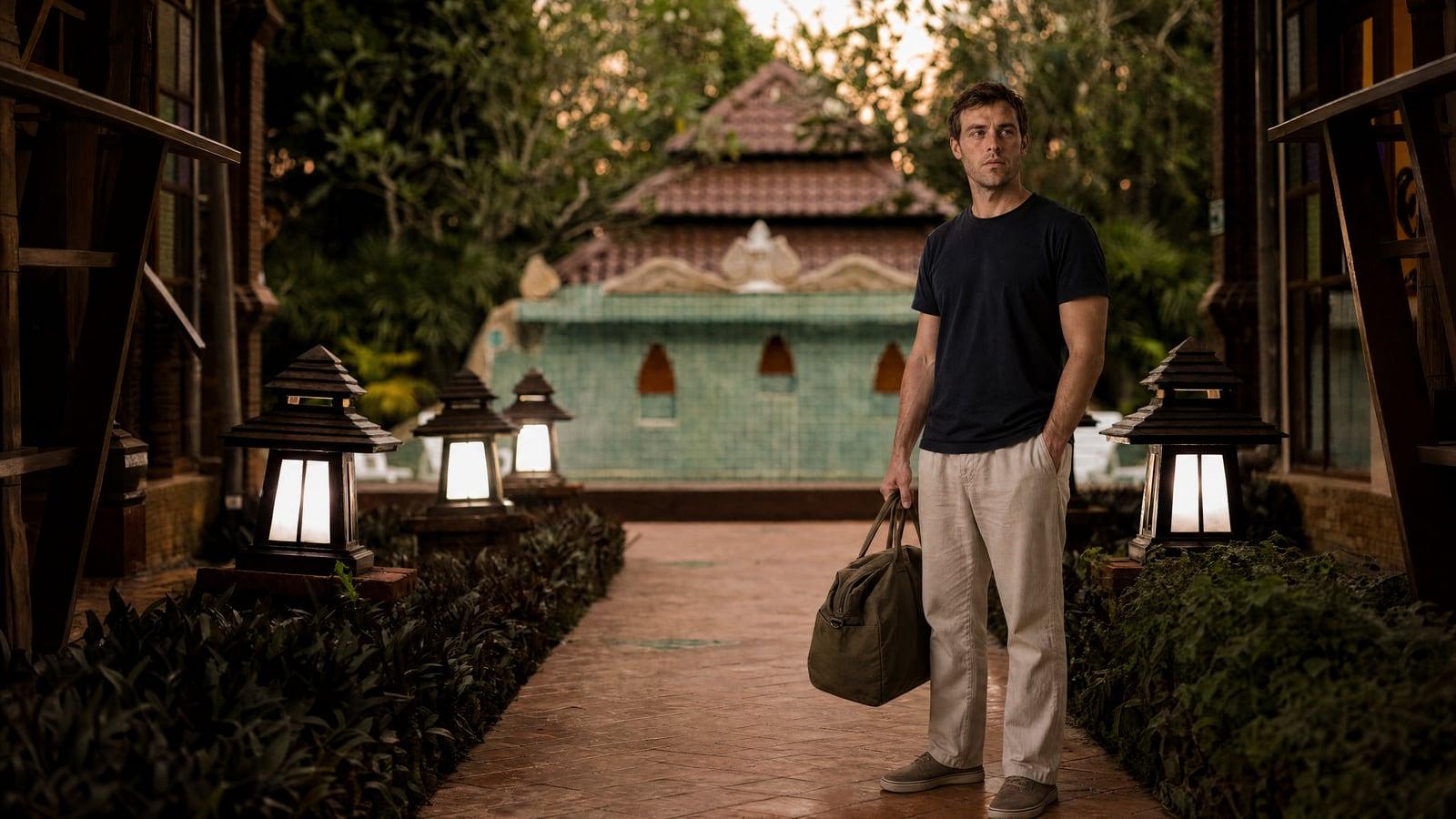
How New Zealanders Get to Jintara in Chiang Mai
One connection and around 16 to 18 hours door to door. Most New Zealand clients make the trip without anything going wrong, and the part people worry about most, the bit at the far end, is the part Jintara handles for you.
- One connection from Auckland, usually Bangkok, 16 to 18 hours in total
- A free entry stamp on arrival, with nothing to apply for beforehand
- A nurse and a support worker collect you from the arrivals hall
- One fee covers every transfer, meal and excursion, medication aside
Fully Licensed and Hospital Accredited

Auckland to Chiang Mai Runs 16 to 18 Hours Through One Hub.
Auckland to Chiang Mai takes 16 to 18 hours with one connection. There's no direct route, so you change once, most often in Bangkok and sometimes in Singapore or Kuala Lumpur. Chiang Mai International is the arrival airport, and Jintara sits 20 to 30 minutes from the terminal by car.
Thai Airways, Singapore Airlines, AirAsia and Jetstar all run the route regularly. Economy return fares from Auckland sit between NZD $600 and NZD $1,000 for most of the year, depending on how early you book and which hub you route through. Airfare is the one cost that sits outside your program fee, which covers the stay itself. Chiang Mai International is small and calm rather than a hub, immigration moves quickly, and on a normal day you're through and out in well under an hour. There is one thing Darren asks New Zealand clients to watch, and it comes from experience rather than a timetable. Bangkok is a very large airport. If your connection has you clearing immigration and checking back in, that's a long unsupervised gap at the exact point somebody is least steady, and it's the part of the journey his team has seen go wrong. Book a connection that keeps you airside, so you never have to leave the transit area at all.

Your side of the trip comes down to three things, and each one is covered in full further down. Everything not on this list is arranged by Jintara and is already inside the program fee.
What You Handle Before You Fly and What to Do First
| Yours to sort | Why it matters | What to do first |
|---|---|---|
| Flights | Your arrival time sets how the first clinical handover runs | Book a midday landing, and a connection that keeps you airside in Bangkok |
| Insurance | New Zealand policies commonly exclude substance-related claims | Read the pre-existing condition wording before you buy, and check medical evacuation by air is covered |
| Medication | The clinical team doses you from the day you arrive | Carry two weeks in your hand luggage with original pharmacy labels, plus paper copies of recent bloodwork |
Flights
Why it matters: Your arrival time sets how the first clinical handover runs
What to do first: Book a midday landing, and a connection that keeps you airside in Bangkok
Insurance
Why it matters: New Zealand policies commonly exclude substance-related claims
What to do first: Read the pre-existing condition wording before you buy, and check medical evacuation by air is covered
Medication
Why it matters: The clinical team doses you from the day you arrive
What to do first: Carry two weeks in your hand luggage with original pharmacy labels, plus paper copies of recent bloodwork
New Zealand Passports Get a Free Entry Stamp on Arrival.
New Zealand passport holders don't apply for a visa before flying to Thailand. You are stamped in at the immigration desk when you land, free of charge, with nothing to fill in beforehand. The length that stamp grants is set on the day you physically arrive, not the day you book, and right now that distinction matters.
That stamp is 30 days. Thailand's revised visa exemption scheme took effect on 15 September 2026, replacing the 60-day exemption that had run since July 2024. The Tourism Authority of Thailand recorded the cabinet approval in May 2026, and the revised conditions moved 54 countries to a 30-day exemption and three to 15 days. A 30-day program plus the travel days either side runs past that stamp, so most clients extend once in country. The Thai Immigration Bureau grants an extension of not more than 30 days at its Chiang Mai office, and admissions helps with the paperwork. The Royal Thai Embassy in Wellington is the source to check in the week before you fly. There's one online step that's easy to miss. Every non-Thai national has to file the Thailand Digital Arrival Card, which replaced the old paper form. It opens 72 hours before you land, it is free on the government site, and it produces a QR code you show at the desk. File it at home rather than trying to solve it in a departure lounge.
- If your stay runs longer: The Thai Immigration Bureau handles an extension of stay at its Chiang Mai office, and Jintara staff have been through the process with clients before.
- No medical visa exists: There is no special category for a private rehabilitation facility in Thailand and none is needed. Your standard entry stamp is the correct documentation.
- Passport validity: Bring a passport valid for at least six months beyond the date you intend to leave.
Your admissions process starts well before any of this. The team asks about your current medications, any previous detox attempts and your general health picture, so the clinical side is ready before you are in the air.
The Time Shift From New Zealand Is Only Five or Six Hours.
Auckland sits five to six hours ahead of Chiang Mai. That is the smallest time shift of any country Jintara takes clients from, and it changes your first two days more than people expect. Most New Zealanders find their body clock has caught up inside 24 hours.
Clients arriving from Britain, Canada or the United States commonly lose 24 to 48 hours to it. You won't. If you are weighing Thailand against a residential option at home, the time zone belongs on that list, because the clinical team is not planning your first days around a wrecked sleep cycle. Nothing in the first 48 hours of the program asks you to be operating at full capacity either, since the clinical ramp is deliberately gradual. A few things still make the trip easier. Book a daytime or early evening departure so you can sleep on the long leg if you need to. Drink water and skip alcohol in the air. And if you are managing alcohol dependence, Darren's advice on the pre-admission call is blunt: go to your doctor and be honest about what you're doing, so they can help you get through the flight rather than leaving you to manage it alone at 38,000 feet.
A Nurse Reads You in the Arrivals Hall Before You Reach Us.
A trained nurse and a support worker drive to Chiang Mai International and collect you from the arrivals hall. There is no taxi and no transfer company, and the pickup is already inside your program fee. The assessment starts the moment you meet them, before you have been anywhere near a clinical room, and that's deliberate.
In most arrivals none of it's needed. The protocol exists because alcohol withdrawal can move faster than a timetable, and the escalation route is fixed before you land rather than improvised: Bangkok Hospital Chiang Mai is roughly 8 minutes from the facility and Chiang Mai RAM roughly 20. Where medical detox on arrival looks likely it has already been talked through with you on the pre-admission call, so nothing about it is improvised on the day. A place that sends a driver finds out on day two what a nurse can see in the arrivals hall. It's also why admissions pushes for a midday landing. A first read done in daylight, in a quiet arrivals hall, with a full shift on at a facility half an hour away, is a better read than one done at midnight. That is the whole reason the team asks about your flight times before you book them.
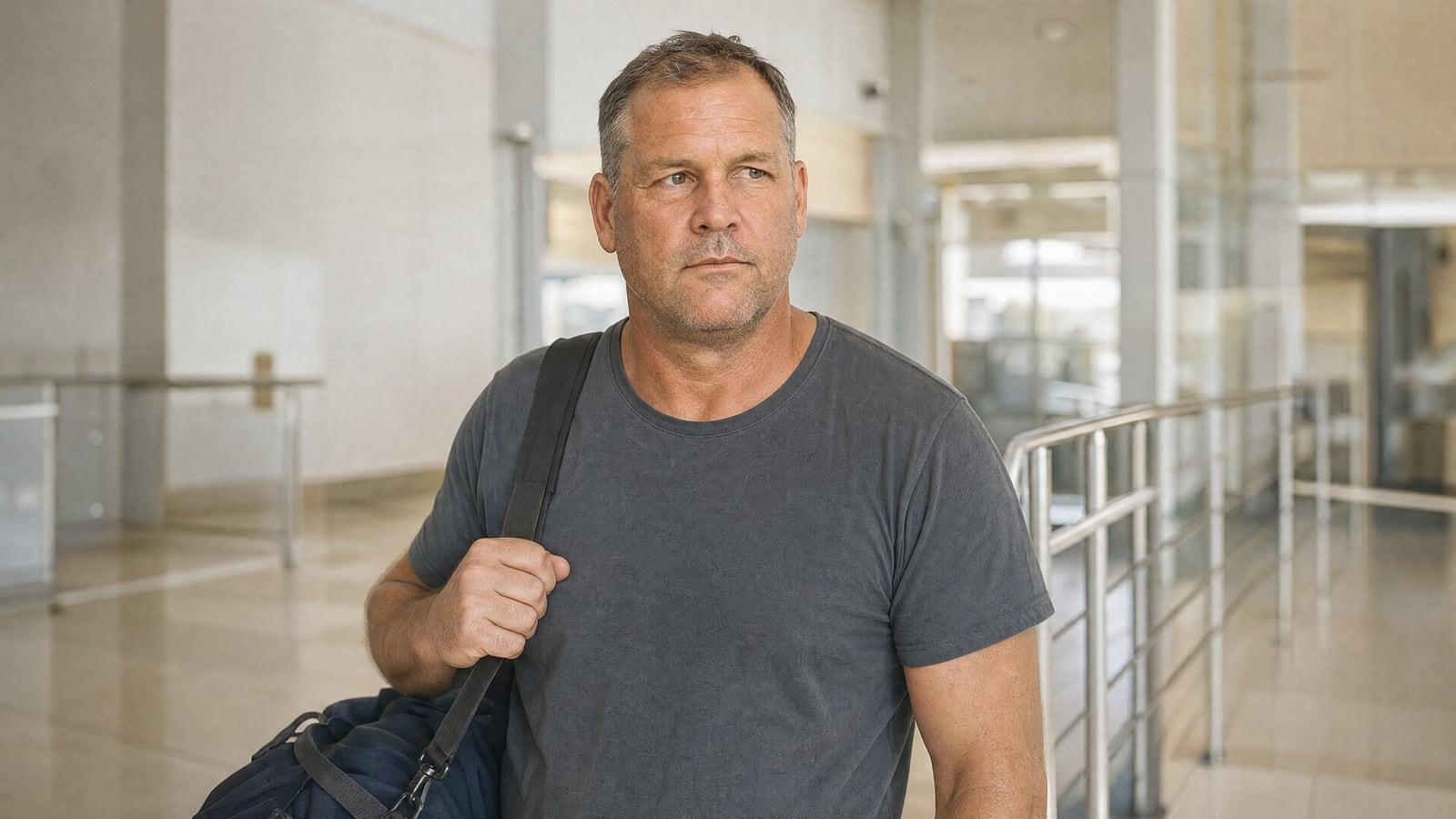
“When we do the airport pickup, we send a nurse and a support worker. We assess them visually and just by talking to them when they arrive. If we feel that there's risk, we don't go to Jintara. We take them straight to hospital.
Only Prescription Medication Sits Outside the Program Fee.
Prescription medication for the individual is the only thing the program fee does not cover. Accommodation, all meals, laundry, the gym, excursions and every transfer including the one back to the airport at the end are all inside it. Darren names the single exception without being asked.
His reasoning is about holding the price down rather than adding a line item. Not everybody needs medication, so it isn't built into a fee that everybody pays. Beyond that you will want a small amount of cash for personal things, cigarettes or snacks or a souvenir, and nothing else to do with the program costs you anything. Darren is equally plain about the rest of it, and it is aimed squarely at places that charge for the small stuff: rehab doesn't have to be spartan, serve poor food, or make you do your own laundry. The program runs to about 10 clients at a time with around 32 staff. That is the ratio the daily schedule is built on, with individual therapy, group sessions, nursing cover through the night and support tasks all running at once instead of queuing behind each other.
On day two, at Jintara's expense, every client gets a full medical workup: blood panels, liver and kidney function tests, a chest X-ray and an EKG. For New Zealanders coming from a system where that screening takes weeks to arrange, it is usually the first unexpected difference they notice. Where co-occurring conditions are part of the picture, the psychiatric assessment starts from day one as well. The testing isn't a formality either. It routinely turns up liver, kidney and heart findings that need following up, and blood results that reflect either poor nutrition or heavy substance use over a long period. It picks up chest issues in people who have been smoking. Most of what it finds can be managed on site with nutrition, exercise and medication, and the rest goes to Bangkok Hospital Chiang Mai, roughly 8 minutes away, which is where the workup itself is done. A lot of clients have not seen a doctor in years, so day two is often the first honest picture of their health anybody has had.

Three Things Are Yours to Sort Before You Fly.
Three things are yours to sort before you fly, and everything else is arranged for you. Flights, travel insurance and your medical paperwork are the whole list. The admissions team will talk you through all three on the phone, and none of them takes long.
Book flights first, and tell admissions the arrival time before you pay for them. Mid-morning to early afternoon Chiang Mai time is what they ask for, so that pickup and orientation happen in daylight with the full team on shift. Travel insurance is the one people get wrong. Standard New Zealand policies routinely exclude anything related to substance use as a pre-existing condition, and the cover you want includes medical evacuation and inpatient treatment at a private overseas facility. Read that section of the wording before you buy, or ask admissions what previous New Zealand clients have used. The government's own SafeTravel advice for Thailand is blunt on the point and tells New Zealanders to hold a policy that covers medical evacuation by air.
For medication and records, bring a current list from your GP and at least two weeks' supply in your hand luggage with the original pharmacy labels on it. If you have had recent bloodwork or liver panels, bring paper copies rather than relying on a portal you may not be able to reach mid-journey. Admissions will already have asked about your medications, any previous detox attempts and your general health before you fly, so none of this is new information on the day. It's the paperwork that backs it up. Chiang Mai is warm all year, so pack light and leave the heavy clothes at home. Anything you forget can be bought locally in the first few days. The New Zealand hub page covers cost, the clinical approach and privacy in full.
Talk with Our Admissions Team
Your enquiry is confidential and goes only to our admissions team.
Questions New Zealanders Ask About Getting Here
How long does it take to fly from Auckland to Chiang Mai?
Auckland to Chiang Mai takes 16 to 18 hours in total with one connection, most often through Bangkok and sometimes Singapore or Kuala Lumpur. Thai Airways, Singapore Airlines, AirAsia and Jetstar all serve the route. Economy return fares run between NZD $600 and NZD $1,000 for most of the year depending on timing and carrier.
Do New Zealanders need a visa to enter Thailand?
No. New Zealand passport holders are stamped in on arrival, free of charge, with nothing applied for beforehand. That stamp is 30 days, under the revised exemption scheme that took effect on 15 September 2026. A 30-day program plus travel days runs past it, so most clients extend by up to a further 30 days at the Chiang Mai immigration office, with admissions helping on the paperwork. Check the Royal Thai Embassy in Wellington in the week before you fly.
What is the Thailand Digital Arrival Card and do I need one?
Yes, every non-Thai national needs one. The Thailand Digital Arrival Card replaced the old paper form. You file it online at the official government site within the 72 hours before you land, it is free, and it gives you a QR code to show at the immigration desk. One card covers one entry. File it at home rather than at the airport.
Is the airport pickup included in the program fee?
Yes, and so is the transfer back at the end. A nurse and a support worker travel to Chiang Mai International to collect you from the arrivals hall, and there is no extra charge for either trip. Jintara does not use a taxi or a transfer company for this, because the nurse is assessing you from the moment you meet.
Will I get much jet lag flying from New Zealand?
Far less than clients arriving from Europe or North America. Auckland is only five to six hours ahead of Chiang Mai, so most New Zealanders find their body clock adjusts within the first day rather than the 24 to 48 hours people from further away report. The first 48 hours at Jintara are built as a gradual ramp regardless.
What travel insurance should I arrange?
You need a policy covering medical evacuation from Thailand and inpatient care at a private overseas facility. Standard New Zealand policies often exclude pre-existing conditions related to substance use, so read that wording carefully before you buy. The admissions team can tell you what cover types previous New Zealand clients have used. Don't travel without it.
Can I bring my New Zealand prescription medication to Thailand?
Yes, with the original pharmacy labels and a letter from your doctor where you can get one. Bring at least a two-week supply in your hand luggage rather than a checked bag. The Jintara clinical team manages your dosing once you arrive. Contact admissions before you travel if you have questions about a specific medication.
What is not covered by the program fee?
Prescription medication for the individual is the only exclusion. Darren keeps it outside the fee because not everybody needs it and he would rather not build it into a price everybody pays. Accommodation, all meals, laundry, the gym, excursions and every transfer are all included. Beyond that you only need a little cash for personal items.
Jintara is a small adult residential rehab in Chiang Mai. Entry rules are set by the Thai government and can change. Check the Royal Thai Embassy in Wellington in the week before you fly.
Jintara Rehab is licensed by the Thai Ministry of Public Health as a rehabilitation centre. The clinical information on this page describes Jintara's general approach to supporting clients during the early recovery period. Medical decisions, including medication protocols, are determined by addiction-specialist psychiatrists through our partner hospital pathway. Individual treatment varies based on clinical assessment. This content is for informational purposes and does not constitute medical advice.