
Getting from Australia to Jintara in Chiang Mai
One or two flights and around 12 to 18 hours door to door. Most Australian clients make the trip without any complication, and it is one part of the wider picture for Australians considering Thailand. Jintara sends a nurse and a support worker to meet you at Chiang Mai International, and the transfer is already paid for.
- Direct connections from Sydney, Melbourne, Brisbane and Perth
- A visa exemption stamp on arrival, with nothing to apply for first
- A nurse and a support worker meet you inside the arrivals hall
- Accommodation, meals, laundry and the return transfer are included
Fully Licensed and Hospital Accredited
Flying to Chiang Mai Takes 12 to 18 Hours With One Connection.
The trip from Australia to Chiang Mai runs 12 to 18 hours in total, counting the connection, and the figure depends mostly on which city you leave from. Sydney and Melbourne carry the most options and usually route through Bangkok, Singapore or Kuala Lumpur, with connections of one to three hours. Brisbane is well served on the same routes. Perth takes a little longer because the routing is less direct.
Economy return fares sit between AU$400 and AU$800 for most of the year. Airfare is the one cost that sits outside your program fees, which cover the stay itself. Thai Airways, Singapore Airlines, AirAsia and Jetstar all run the route regularly, and it is worth booking early enough to hold a daytime arrival.
Chiang Mai International Airport, code CNX, is the destination. It is a small, calm airport rather than a Bangkok hub, the immigration queue moves quickly, and Jintara is 20 to 30 minutes away by car.

Door to door is the flying time plus the connection, which is why every figure below is a range and not a number. The one thing Jintara asks you to book around is the landing time. Aim to be on the ground at CNX between mid morning and early afternoon Chiang Mai time, so the pickup and the orientation both happen in daylight with a full shift on at the facility.
Routes and Travel Times From the Four Main Departure Cities
| From | Usual routing | Door to door |
|---|---|---|
| Sydney | Bangkok, Singapore or Kuala Lumpur | 13 to 16 hours |
| Melbourne | Bangkok, Singapore or Kuala Lumpur | 13 to 16 hours |
| Brisbane | Bangkok or Singapore | 13 to 16 hours |
| Perth | Singapore or Kuala Lumpur | Longer, the routing is less direct |
Sydney
Usual routing: Bangkok, Singapore or Kuala Lumpur
Door to door: 13 to 16 hours
Melbourne
Usual routing: Bangkok, Singapore or Kuala Lumpur
Door to door: 13 to 16 hours
Brisbane
Usual routing: Bangkok or Singapore
Door to door: 13 to 16 hours
Perth
Usual routing: Singapore or Kuala Lumpur
Door to door: Longer, the routing is less direct
Australians Get a Visa Exemption Stamp on Arrival in Thailand.
Australian passport holders get a visa exemption stamp at the immigration desk on arrival, free of charge and with nothing to apply for beforehand. The length of stay that stamp grants is set on the day you physically land, not on the day you book.
Thailand's entry rules are mid-change, so no day count published on a facility website should be relied on. The Royal Thai Embassy in Canberra is the source to check in the week before you fly. The Thai Immigration Bureau handles a TM.7 extension at its Chiang Mai office if a longer stay is needed. Tell admissions what permission you are actually granted so the program length is planned around it.
There is one online step that is easy to miss. Every non-Thai national has to file the Thailand Digital Arrival Card, which replaced the old paper TM6 form. It opens 72 hours before you land, it is free on the government site, and it produces a QR code you show at the desk. File it before you leave home so it is not something to solve in a departure lounge.
No medical visa category exists for a private rehabilitation facility in Thailand, and none is needed. Your standard entry stamp is the correct documentation. Bring a passport valid for at least six months past your intended departure date.
A Jintara Nurse and Support Worker Meet Every Client at Arrivals.
A trained nurse and a support worker travel to Chiang Mai International together and collect every client from the arrivals hall, the same protocol that meets New Zealanders flying in from Auckland. There is no taxi and no generic transfer service, and the pickup is already inside your program fee.
The clinical reason is deliberate. The nurse is assessing from the moment you meet, watching your presentation, your balance and how you are responding, and where medical detox on arrival looks likely it has already been talked through with you on the pre-admission call. Where that read raises a concern at the airport, you are taken to hospital instead of to the facility, and none of that is improvised on the day.
In most arrivals none of that is needed. The protocol exists because alcohol withdrawal can move quickly, and the team wants eyes on every client as early as possible. It is one of the reasons the clinical picture is clearer on day one here than at a place that sends a driver.
It is also why admissions pushes for a daytime landing. A first read done in a quiet arrivals hall in daylight, with a full shift on at the facility 20 to 30 minutes away, is a better read than one done at midnight. That is the whole reason admissions asks you to land in the middle of the day.
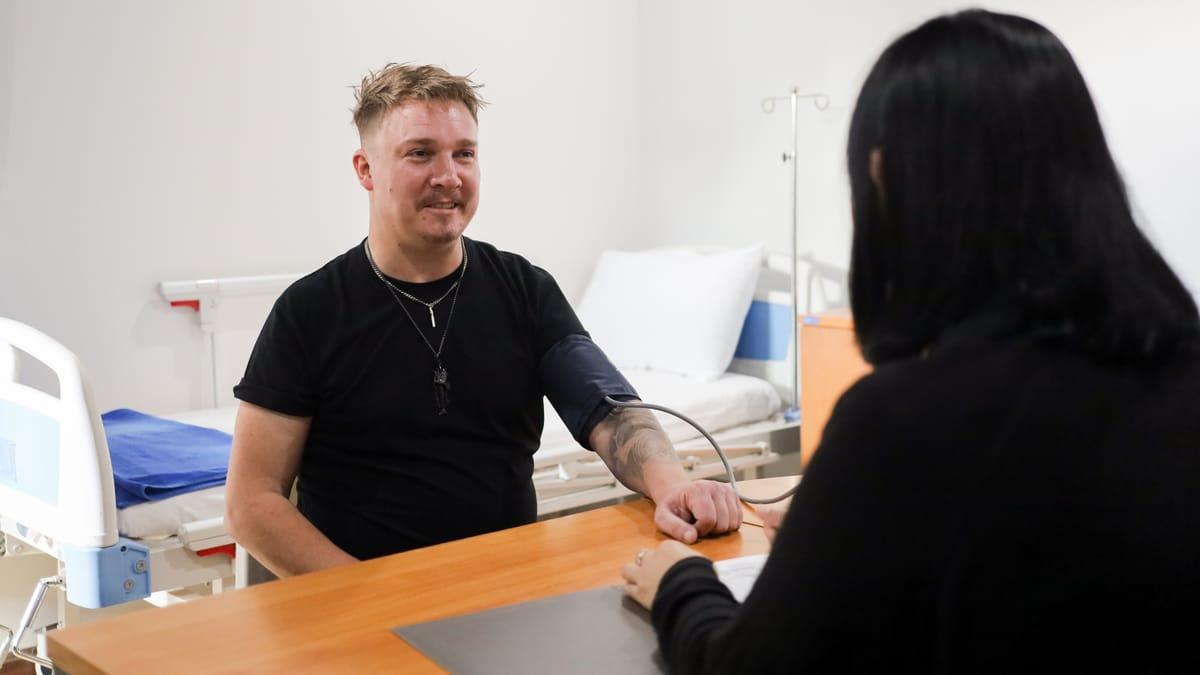
“When we do the airport pickup, we send a nurse and a support worker. We assess them visually and just by talking to them when they arrive. If we feel that there's risk, we don't go to Jintara. We take them straight to hospital.
Jintara Arranges Almost Everything Once You Land in Chiang Mai.
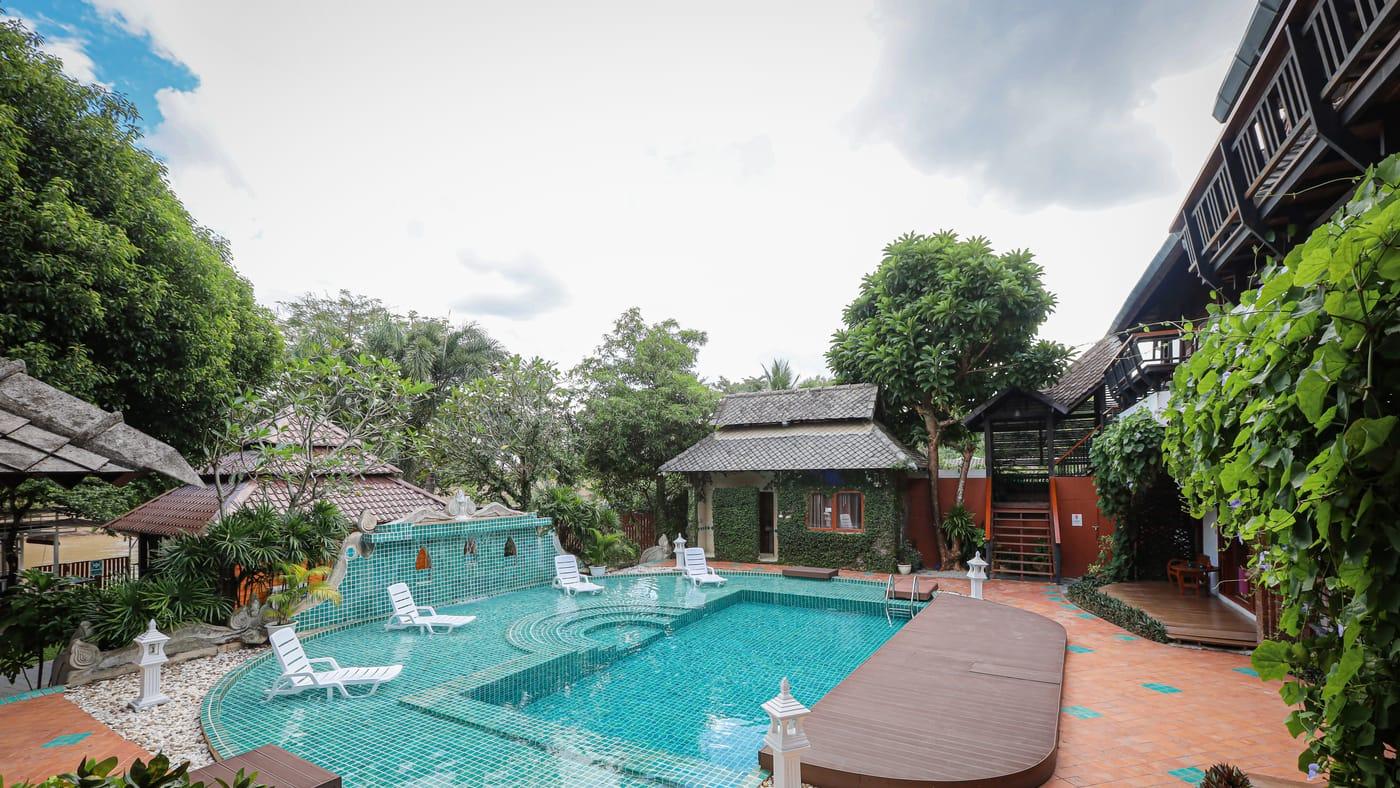
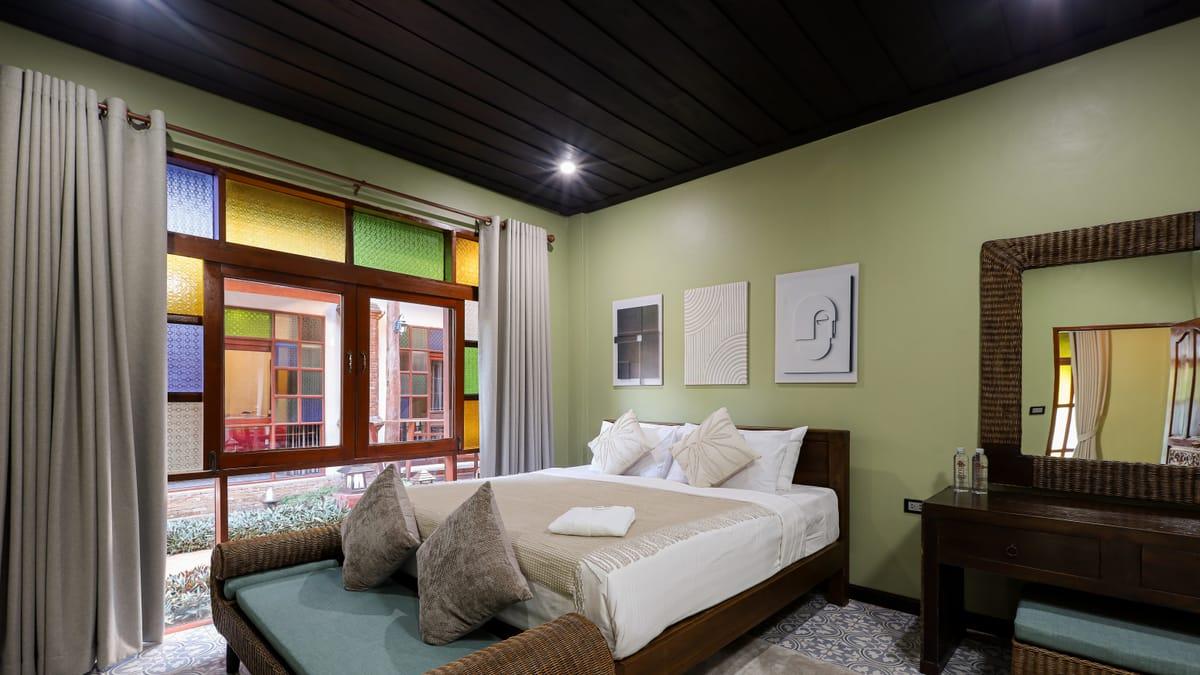
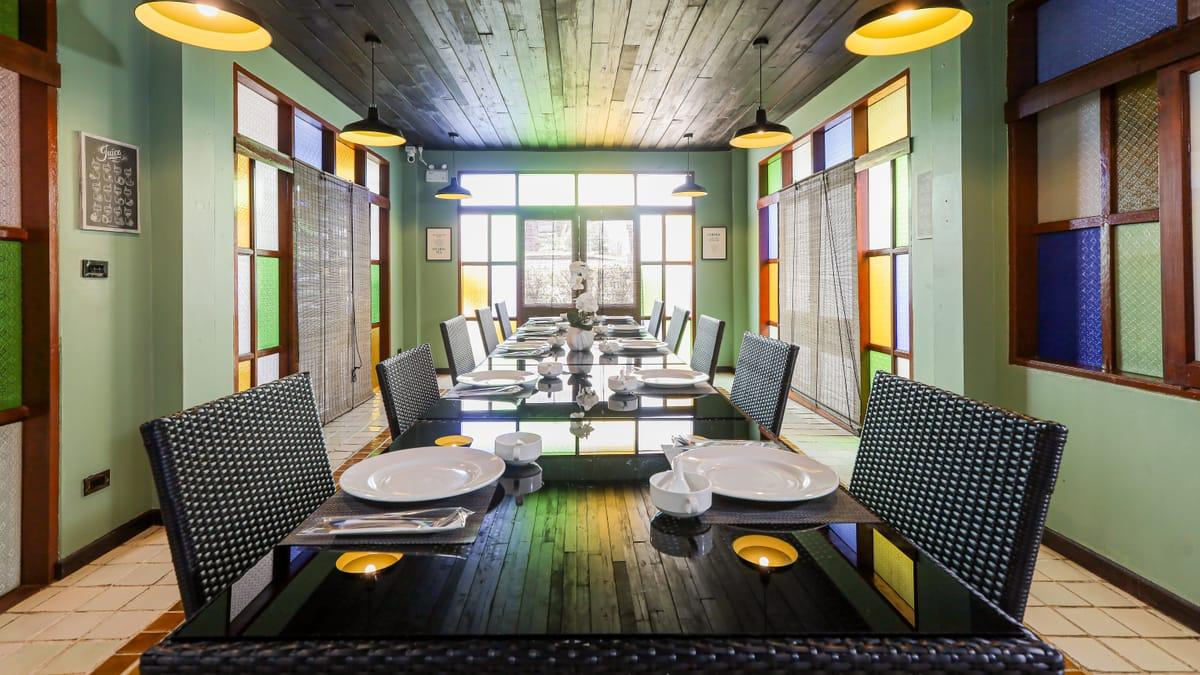
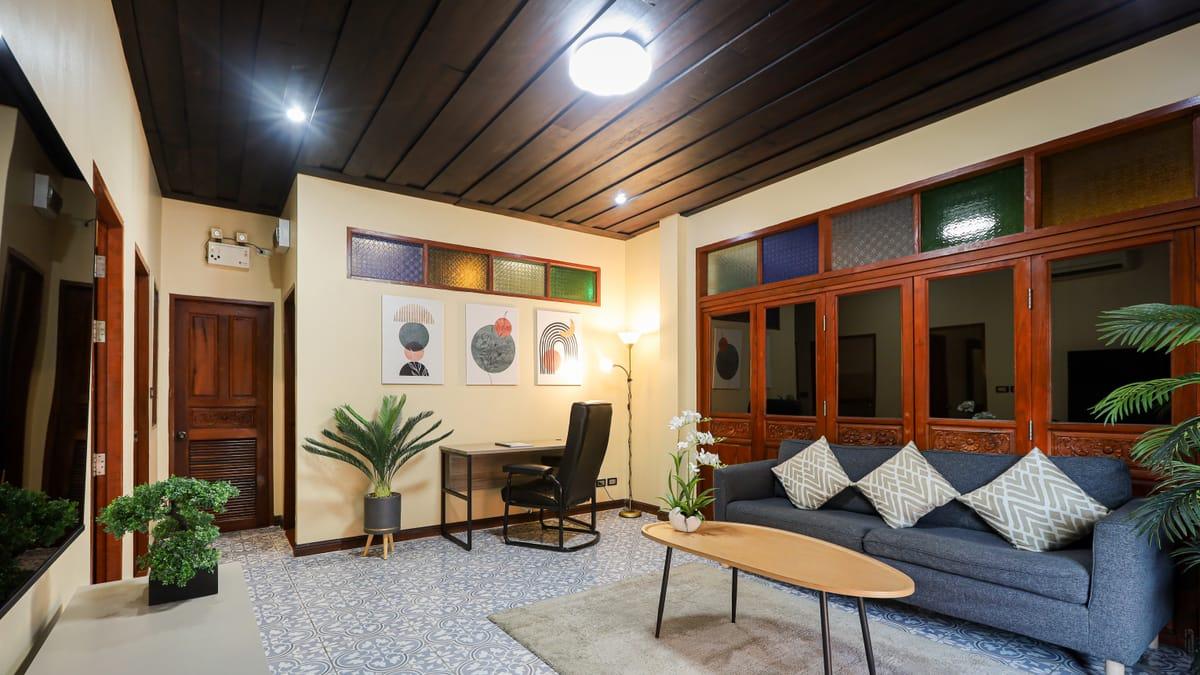
From the moment you are in the transfer vehicle, the logistics stop being your job. Your accommodation is a large private room. Every meal is cooked on site, with dietary requirements agreed during intake. Laundry is handled by staff. The return airport transfer at the end of your stay is included in the same fee.
The program runs on small numbers. Jintara takes a maximum of ten clients at any one time and has 32 staff on the ground, which is a staff to client ratio of 3.2 to 1. Reading what happens in your first week is the fastest way to see what that ratio buys you hour by hour. It is not a brochure number. It is what makes it possible to run clinical care, group sessions, individual therapy and daily support at the same time.
What you are paying for is not a room in Thailand. It is a clinical environment staffed at a level most residential facilities in Australia cannot match at any price.
Your Own List Before You Fly Comes Down to Three Things.
Three things sit on your side of the line, and none of them takes long. Book the flights. Arrange travel insurance that covers medical evacuation. Gather your medical records.
Mid morning to early afternoon Chiang Mai time is the arrival window to aim for, so the pickup and the orientation both happen in daylight. The Jintara admissions team can tell you which connections previous Australian clients have used. On insurance, standard Australian policies often exclude pre-existing conditions, so ask which policy categories have worked rather than guessing at the wording.
On records, a current medication list from your GP or psychiatrist is strongly recommended, and recent bloodwork, liver panels or cardiac investigations are worth bringing if you have them. If you are already thinking about going back to work afterwards, sorting that before you travel takes a common source of anxiety out of the stay. The clinical team uses the records on day two, when Jintara runs a full medical workup at its own expense, including blood panels, liver and kidney function, a chest X-ray and an EKG.
- Flights: Book a daytime arrival at CNX and file the Thailand Digital Arrival Card in the 72 hours before you land.
- Insurance: A policy that covers medical evacuation, checked against the pre-existing condition exclusions before you buy.
- Records: A current medication list, plus any recent bloodwork, liver panels or cardiac investigations.
Worth saying plainly, because it is the part people assume: Jintara does not book your flights, does not sell or arrange travel insurance, and does not apply for anything on your behalf at the Thai end. There is nothing to apply for. Those three stay with you, and the admissions team will talk any of them through before you commit to a date.
Your First Day at Jintara Is Designed to Be Quiet.
Day one is orientation and rest, and there is no group session on it. The support team walks you through the physical space, your room, the daily schedule board and how to reach staff at any hour. It is structured and unhurried on purpose.
The clinical team spends the first afternoon continuing the assessment that started at the airport, taking a detailed personal history, reviewing your medications and starting your individual treatment plan. If you are withdrawing from alcohol or benzodiazepines the nursing team begins monitoring within the first hours. For other substances the day is about rest, hydration and a clean handover from travel mode to treatment mode.
Most clients describe the first day as quieter than they expected. That is on purpose. You have just spent most of a day in transit and the work starts properly tomorrow.
What to Bring and What to Leave at Home for 30 Days.
Packing for 30 days in Chiang Mai comes down to documents, medication and light clothing. The climate is warm year round, with a wet season from roughly May to October, and the 30-day program has no dress code at any point. Comfortable, breathable clothing covers everything you will do here, including therapy sessions, fitness classes and excursions.
Bring your passport, your insurance documents, a current list of medications and prescriptions, any medical records you have gathered, a small amount of Thai baht for incidentals, a device if you want to stay in contact with family, and a few personal comfort items. Everything related to the program is already paid for.
- Leave the alcohol and any non-prescribed substances: Both are handled at intake rather than at the gate, and neither comes into the facility.
- Leave medication beyond your current supply: The clinical team manages dosing from day one, so a stockpile creates a problem rather than solving one.
- Leave anything admissions has flagged: The intake call names anything contraindicated for your own treatment plan before you pack it.
Talk with Our Admissions Team
Your enquiry is confidential and goes only to our admissions team.
Common Questions About Getting Here from Australia
How long does it take to fly from Sydney to Chiang Mai?
Most Sydney to Chiang Mai trips take 13 to 16 hours in total, depending on the layover city and how long the connection runs. Routing through Bangkok usually means one to three hours on the ground. Melbourne and Brisbane land in the same range. The admissions team can tell you which connection options previous Australian clients have used if you want a recommendation before you book.
Do I need a visa to enter Thailand from Australia?
No. Australian passport holders receive a visa exemption stamp on arrival, free of charge, with no application beforehand. Thailand's entry rules are mid-change, so check the Royal Thai Embassy in Canberra in the week before you fly rather than relying on any day count on a facility website. The length is set by the date you physically arrive.
What is the Thailand Digital Arrival Card and do I need one?
Yes, every non-Thai national needs one. The Thailand Digital Arrival Card replaced the paper TM6 form. You file it online at the official government site inside the 72 hours before you land, it is free, and it gives you a QR code to show at the immigration desk. One card covers one entry. File it at home rather than at the airport.
Is the airport pickup included in the program cost?
Yes. The airport pickup and the return transfer are both inside the program fee. A nurse and a support worker travel to Chiang Mai International to collect you, and there is no extra charge for either trip.
What if my flight lands late at night?
The admissions team works around your arrival time. Jintara prefers daytime arrivals so that orientation and the first assessment happen in a calm, well staffed part of the day, but late arrivals are accommodated. Talk the flight schedule through with admissions before you book so they can advise.
What travel insurance should I arrange?
You need a policy that covers medical evacuation from Thailand and, ideally, inpatient care at a private facility. Standard Australian travel policies often exclude pre-existing conditions related to substance use, so read that section before you buy. The admissions team can point you at policy types previous clients have used. Do not travel without cover.
Do I need to bring Thai baht?
A small amount for personal incidentals is useful, somewhere around 1,000 to 2,000 baht, which is roughly AU$40 to AU$80. Everything related to the program is already covered, including meals, accommodation, laundry and both transfers. There are ATMs at Chiang Mai Airport if you would rather withdraw on arrival.
Where can I find more detail on what the program includes?
The fees page lists everything that is inside the price. If you want to know what the clinical schedule looks like or how the team builds an individual treatment plan, the fastest route is a direct call or message with admissions, who will answer in detail with no commitment from your side.
Jintara is a small adult residential rehab in Chiang Mai. Entry rules are set by the Thai government and can change. Check the Royal Thai Embassy in Canberra in the week before you fly.
Jintara Rehab is licensed by the Thai Ministry of Public Health as a rehabilitation centre. The clinical information on this page describes Jintara's general approach to supporting clients during the early recovery period. Medical decisions, including medication protocols, are determined by addiction-specialist psychiatrists through our partner hospital pathway. Individual treatment varies based on clinical assessment. This content is for informational purposes and does not constitute medical advice.