

Drug and Alcohol Rehab For Australians in Thailand
If you are researching this for someone you love, or for yourself, this page covers what is different about treatment in Thailand and what Australians specifically need to know. Residential addiction treatment at Jintara is delivered at a licensed facility in Chiang Mai with a maximum of 10 clients, 32 staff, and clinical oversight that begins from day one.
- Licensed by Thailand's Ministry of Public Health since the program opened in 2022
- Maximum 10 clients at any time with a 3.2:1 staff-to-client ratio
- No Australian Medicare, PBS, or employer record is created for treatment overseas
- Airport transfers from Chiang Mai International Airport included in the program fee

Fully Licensed and Hospital Accredited
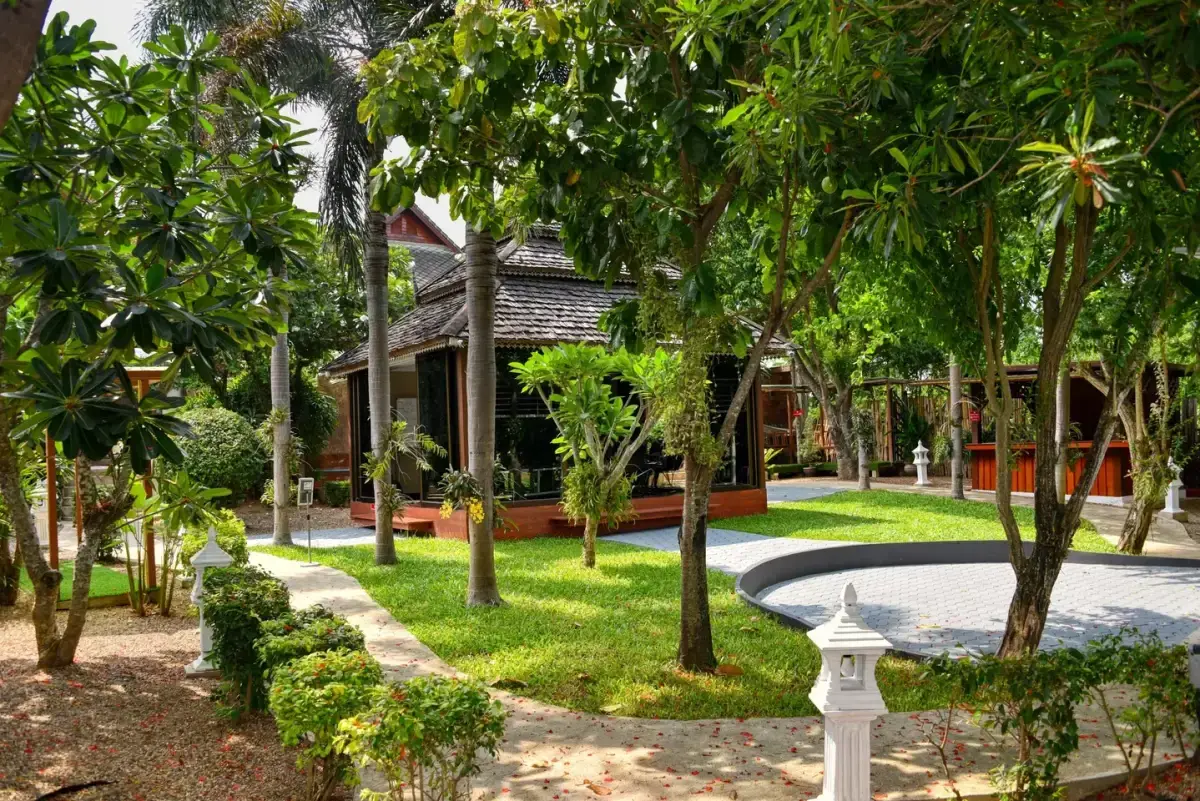
Australians have been Jintara's primary client demographic from the day it opened.
Rehab in Thailand for Australians is licensed residential addiction treatment based in Chiang Mai.
Australia is Jintara's largest single source of clients, with expat and professional clients from across Asia comprising the second major intake stream. Darren Lockie, Jintara's founder, has spent more than 15 years building and running addiction treatment centres in Thailand and has worked with Australian clients throughout that time. The reasons Australians come to Jintara are consistent: cost, privacy, and a desire to remove themselves from the environment that has sustained their substance use.
Australian private health insurance generally does not cover residential treatment at overseas facilities. This is different from US-style global health insurance, which is more likely to include international care. For most Australians, the full cost of treatment is paid personally, through superannuation early release, or through family support. Australian Bureau of Statistics alcohol consumption data shows that a significant proportion of Australians drink at levels that exceed the national guideline for reducing health risk. Demand for residential addiction treatment consistently exceeds the capacity of publicly funded services in most Australian states.
Jintara accepts clients treating alcohol use disorder as its most common presentation among Australian clients, followed by methamphetamine, benzodiazepines, and prescription opioids. The Melbourne and Sydney client demographics are predominantly alcohol. Western Australian clients more commonly present with methamphetamine as the primary substance.
New Zealanders face a similar landscape on cost, travel, and insurance considerations. There is no New Zealand equivalent of superannuation early release, and ACC cover for overseas treatment is not a standard benefit, so clients travelling from New Zealand usually fund the program personally or with family support. The same trade-offs on cost, insurance, and distance apply to Canadians weighing treatment in Thailand, who fund care through private insurance and employer benefits rather than superannuation, and to UK clients weighing the same move against an NHS waiting list and a private market priced several times higher. Once clients arrive in Chiang Mai, every geography meets the same 30-day clinical program.
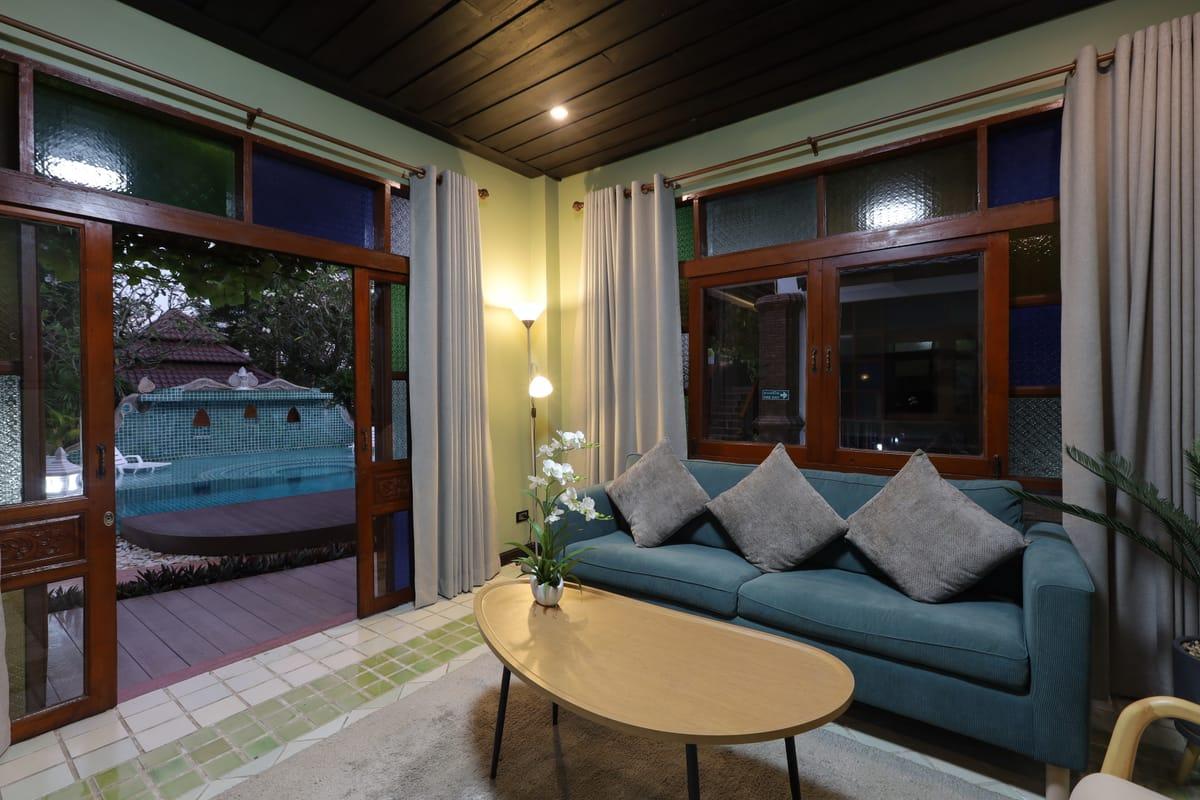
Distance from familiar environments removes the triggers that undermine early recovery at home.
The clinical case for travelling to Thailand for residential treatment is not about escape. It is about removing an active obstacle.
Staying at home during early treatment means proximity to the environments, people, and situations that have supported substance use over months or years. A client returning from individual therapy sessions to their own house, their own social circle, and their own routines faces an immediate and continuous trigger load that residential treatment is designed to suspend. The physical separation that rehab abroad provides is not incidental to the clinical outcome. It is part of the clinical mechanism.
Jintara keeps a maximum of 10 clients in the program at any time. The group is small enough that the environment functions as a real therapeutic community rather than a ward. Clients train at a commercial gym in Chiang Mai alongside the general public, eat at local restaurants on supervised outings, and participate in structured weekend excursions. As Darren has noted in clinical discussions, the goal is to be a real-world rehab, not a sealed facility. The difference is that the real world Jintara operates in is neutral, calm, and far from the environments Australian clients are trying to interrupt.
Privacy is a practical and clinical asset. Lawyers, doctors, executives, first responders and public figures from Australia have been treated at Jintara. As Darren Lockie has reported, there has not been a confidentiality breach in the facility's history. That is a historical account, not a future guarantee. For many professionals, this record matters more than any other feature of the program. Treatment in Chiang Mai means colleagues, managers, and networks in Australia are not in a position to observe admission or discharge.
Clients whose substance use and mental health conditions are linked, which describes most of Jintara's caseload, need both treated in the same plan rather than one after the other. SAMHSA TIP 42 on co-occurring disorders sets out integrated treatment strategies for exactly that group.

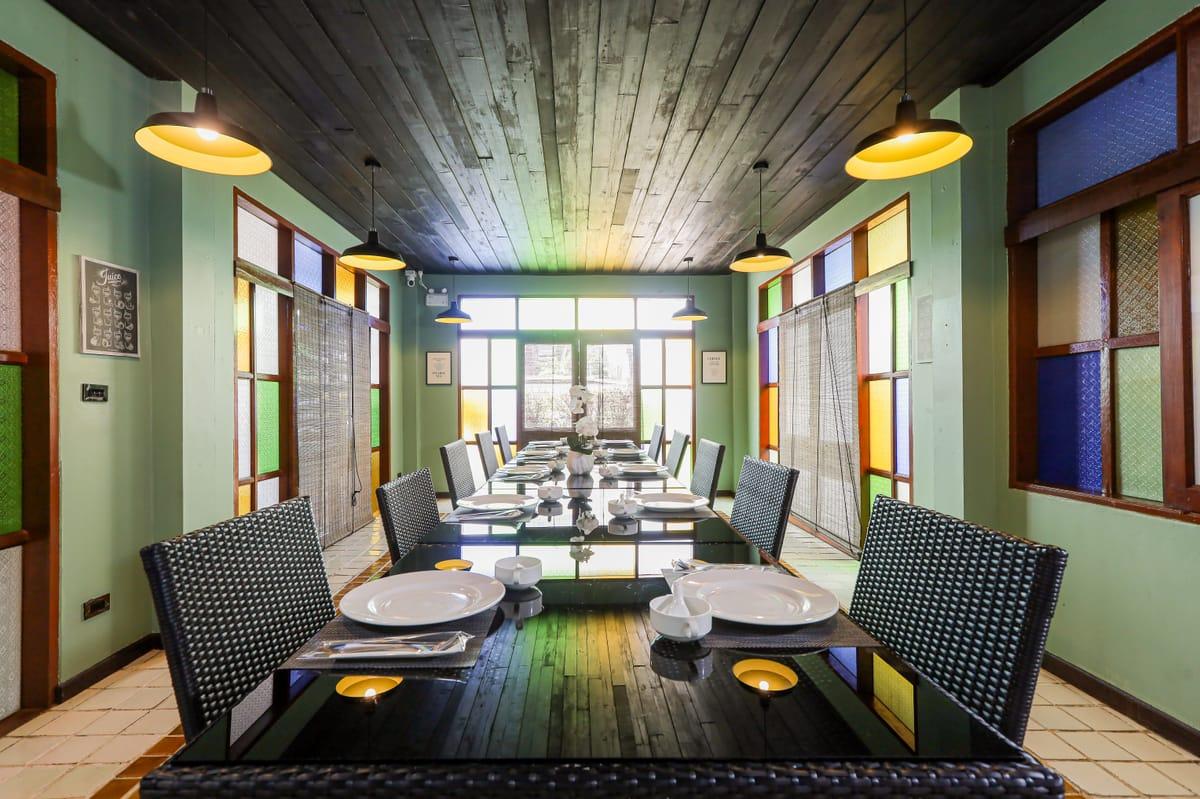
The cost of residential private rehab in Australia typically exceeds what most Australians expect.
Residential treatment at a private facility in Australia commonly costs between $16,071 and $42,857 AUD for a 30-day stay ($15,000 to $40,000 AUD quoted for 28 days, scaled by 30/28), before additional clinical fees. Publicly funded services are available at no cost but carry wait times and a level of visibility that is a barrier for many professional clients.
Jintara's current fees are published on the pricing page. The 30-day residential program is designed to cost substantially less than comparable private care in Australia. The cost difference over a 30-day program, once travel is included, typically remains significant. For Australian clients who have compared options directly, the gap in cost between Jintara and a comparable Australian private facility represents the most common first reason for making contact.
The comparison is not only about cost. Private residential facilities in Australia vary considerably in staff-to-client ratios, therapy hours per week, and medical detox capability. Jintara's ratio of 32 staff to a maximum of 10 clients, with three master's-level therapists on staff and 24/7 awake nursing, reflects a level of clinical intensity that is uncommon even at premium price points in Australia.
This page also publishes a direct cost comparison, and the superannuation early release guide sits further down.
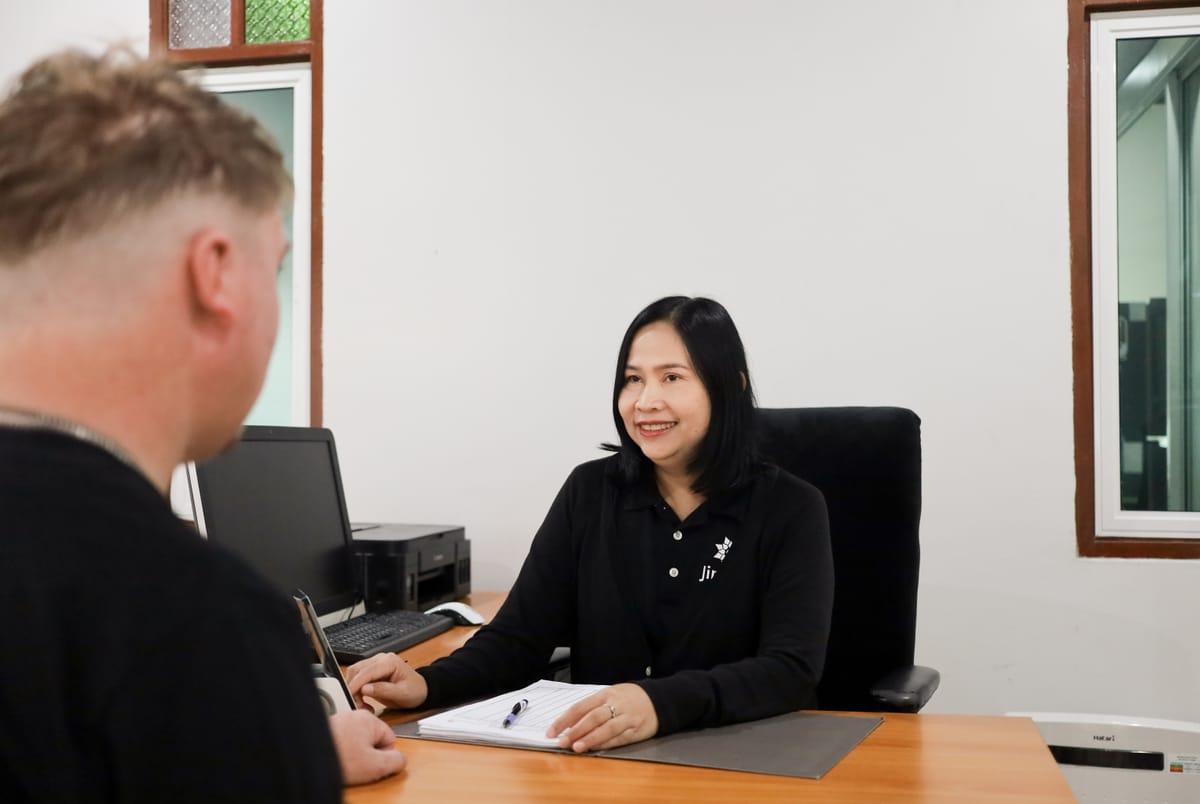
Jintara holds a Ministry of Public Health license and operates under formal hospital transfer agreements in Chiang Mai.
Jintara is licensed by Thailand's Ministry of Public Health, a process that took nine months to complete and requires ongoing compliance. The concern many Australian families raise about medical standards overseas is understandable. This section explains what the license means in practice, and what the hospital arrangements in Chiang Mai look like.
Many private rehabilitation facilities operating in Australia are not subject to an equivalent licensing or regulatory requirement. Jintara's license was obtained before the facility accepted its first client and is maintained through ongoing governance. This is the regulatory context Darren Lockie refers to when he notes that the licensing requirement in Thailand is more stringent than what applies to many Australian private rehabs.
Hospital transfer partners in Chiang Mai are Bangkok Hospital Chiang Mai and RAM Hospital, both confirmed formal transfer partners for Jintara. These hospitals have the capacity to manage complex medical emergencies including ICU admissions. Clients who have required hospital-level care during a Jintara stay have consistently reported the quality and speed of the care as exceeding their expectations.
On day two of every admission, Jintara arranges a full medical workup at Jintara's cost. This includes blood tests, liver and kidney function panels, chest X-ray, and an EKG. Results are returned within hours. In Australia or the United States, an equivalent workup would typically take a full day and cost several thousand dollars. The NIAAA guide to evidence-based treatment identifies pharmacotherapy and clinical assessment among the options for quality alcohol care.
All medical detox at Jintara is conducted under medically supervised protocols with 24/7 awake nursing and psychiatrist involvement.
The Ministry of Public Health licence establishes the right to operate. What sits above it is an independent clinical assessment: Jintara is jointly accredited by three national health authorities, including the Healthcare Accreditation Institute that accredits Thailand's hospitals. A family choosing from Australia does not have to take the facility's word for the medical standard. A national body has already assessed it and confirmed it meets the same bar as the hospitals managing the most serious cases in Chiang Mai.
“Australian private rehabs often have no licensing requirement. Ours took nine months to obtain from Thailand's Ministry of Public Health, and we maintain it through ongoing compliance.





The 30-day program follows a structured daily schedule from admission through discharge planning.
The foundation program at Jintara runs for 30 days and covers medical detox, individual therapy, group therapy, psychoeducation, fitness, holistic activities, and discharge planning. Extended stays of 8 to 12 weeks are available based on clinical need.
Individual and group therapy draws on cognitive behavioural therapy, which NIDA names among the evidence-based behavioural therapies for addiction, and on dialectical behaviour therapy. Denise O'Leary, Jintara's Clinical Director and EMDR-certified therapist, leads the clinical program alongside two additional master's-level therapists.
- Morning: Vitals checks, medication review where required, breakfast, and individual or group therapy. The clinical model integrates addiction treatment and co-occurring mental health assessment from day one.
- Afternoon: Fitness at a commercial gym Monday, Wednesday, and Friday. Pickleball, a golf driving range, Muay Thai, and boxing available by physical assessment. Yoga, massage, Reiki, and meditation are fully included.
- Evening: Lighter group work, recovery reflection, and check-ins. Every client has a large private room. Holistic wellness continues into the evening as part of the standard program.
- Weekends: Structured Saturday excursions in and around Chiang Mai. Sunday community lunch. Clients integrate into real-world activity under clinical oversight throughout the stay.
With a maximum of 10 clients and a 3.2:1 staff-to-client ratio, the clinical team maintains consistent individual access to each person throughout the full treatment program.
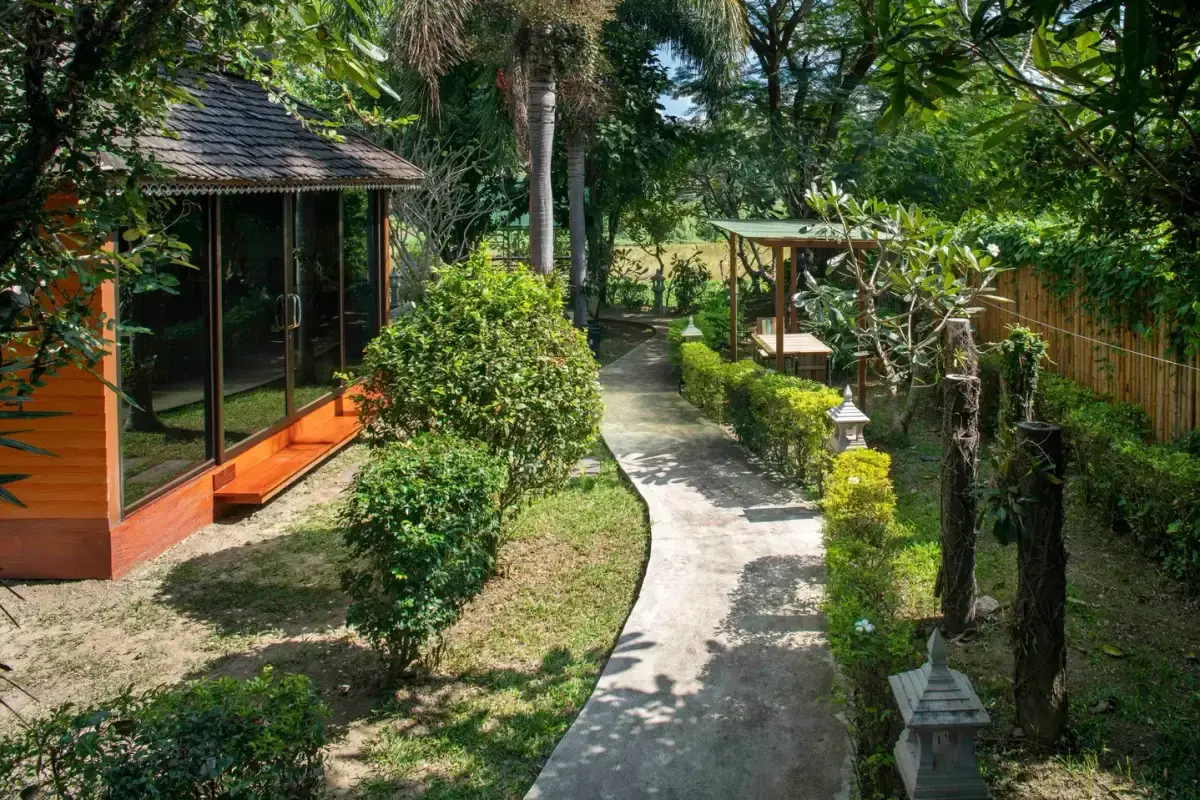
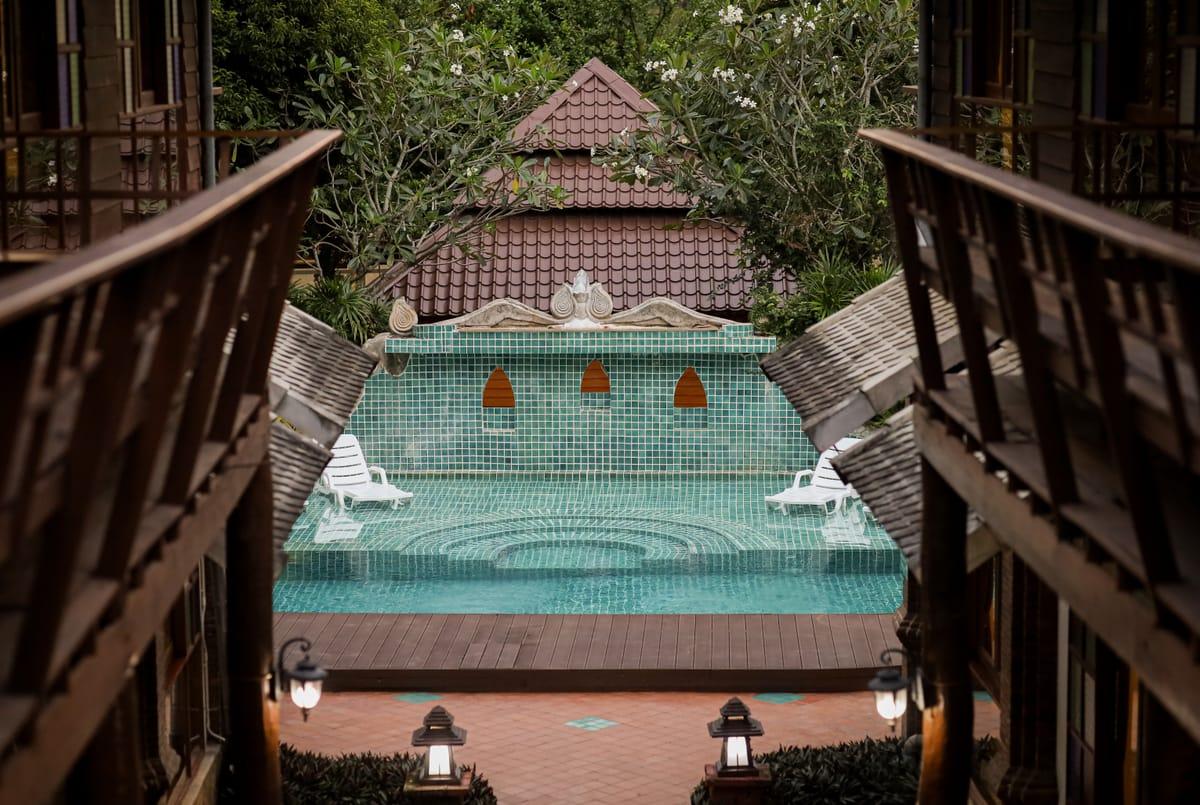
Flying from Australia to Chiang Mai connects through Bangkok and takes around 10 to 12 hours in total.
Chiang Mai International Airport is accessible from all major Australian cities via Bangkok. Most clients arrive within 10 to 12 hours of departure, depending on the connection. Direct flights to Bangkok depart from Sydney, Melbourne, Brisbane, and Perth daily. A fly in fly out roster brings a scheduling problem the flight times do not solve, and FIFO workers and rehab works through the roster arithmetic in full. From Bangkok, the Chiang Mai leg is approximately one hour on Bangkok Airways or Thai AirAsia.
Airport transfers from Chiang Mai International Airport to Jintara are arranged through the admissions process and are included in the program fee. Darren Lockie personally manages the intake process, which means the transition from the airport to the facility is handled directly rather than through a third-party service. For clients who are anxious about the travel, Darren is reachable by phone and messaging throughout the journey.
Entry requirements for Australian passport holders travelling to Thailand are subject to current Thai government policy, which has changed periodically in recent years. The full picture on getting to Jintara from Australia covers the routes, the visa exemption stamp, the digital arrival card and what happens at the airport. Clients planning a 30-day residential stay should confirm current visa requirements with the Thai embassy or consulate in their state before travelling, or ask the Jintara admissions team for current guidance at time of booking.
What to expect in your first week is covered in detail on the admissions section of the site. The admissions process includes pre-travel documentation and consent. Darren or a member of the admissions team will guide you through what to bring, what not to bring, and how to prepare for your arrival.
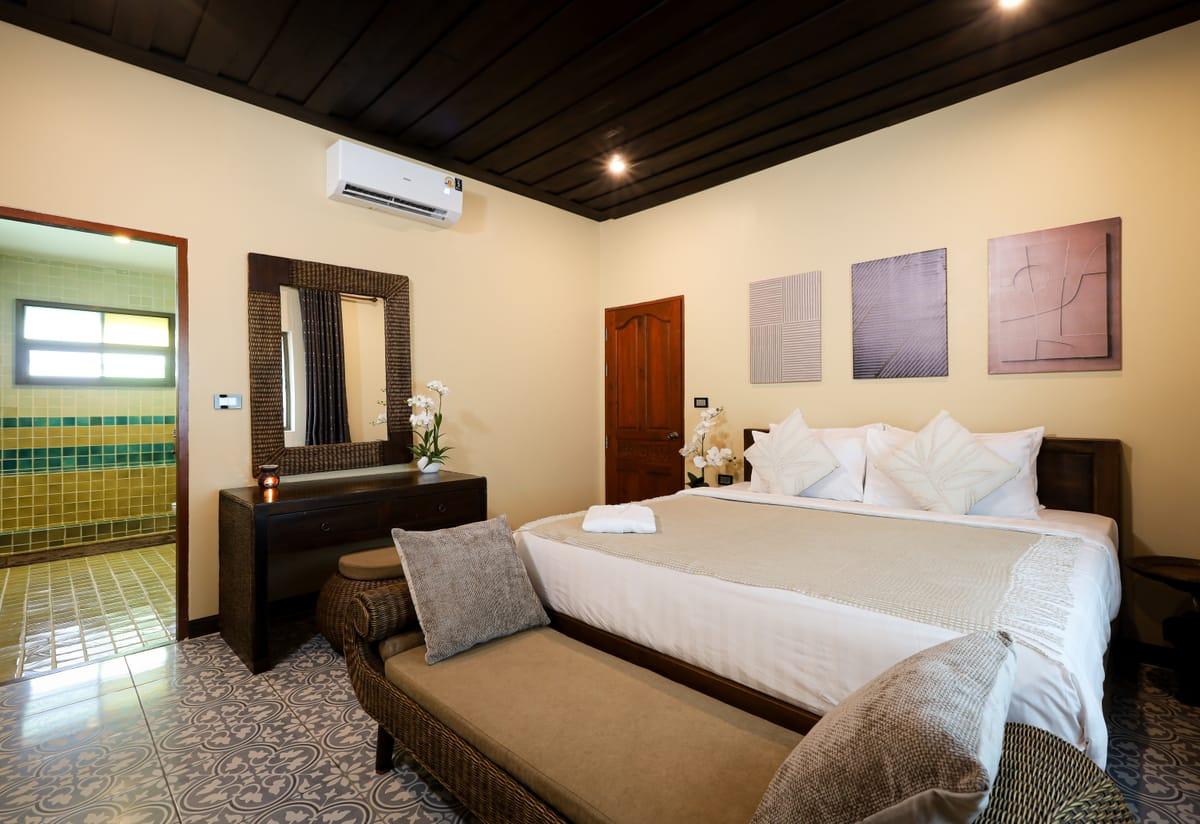
Australians can apply to access superannuation early to fund residential addiction treatment overseas.
The Australian Government's compassionate grounds provisions allow early access to superannuation funds in certain circumstances, including to meet the cost of treatment for a serious medical condition. Residential addiction treatment at a licensed overseas facility can qualify under these provisions, and our superannuation early release guide walks through the eligibility test and the two medical reports the ATO requires, though approval is not guaranteed and timelines vary.
Jintara has worked through this process with Australian clients. The specifics are below.
The specialist service confirmed for this process is Release My Super (releasemysuper.com.au). Release My Super manages the application to the Australian Taxation Office on behalf of the client. Their fee is approximately AUD$750. Jintara's role in this process is to provide the required clinical documentation. The administrative work is handled by Release My Super.
There are practical implications for clients using this route. Superannuation early release applications take time, and approval timelines are set by the ATO. Jintara's standard booking process requires a reservation deposit to hold a room, and the facility cannot hold a place without one. Clients waiting for super approval who have no other funds available should discuss this with the admissions team at the earliest opportunity. Families working out how to get someone into rehab in Thailand from Australia have the payment mechanics and the rest of the sequence set out separately. In some cases, family members have provided deposits while the super application is processed.
Seek independent financial advice before applying for superannuation early release. The admissions team can provide the documentation Jintara issues for super applications and advise on typical timelines.
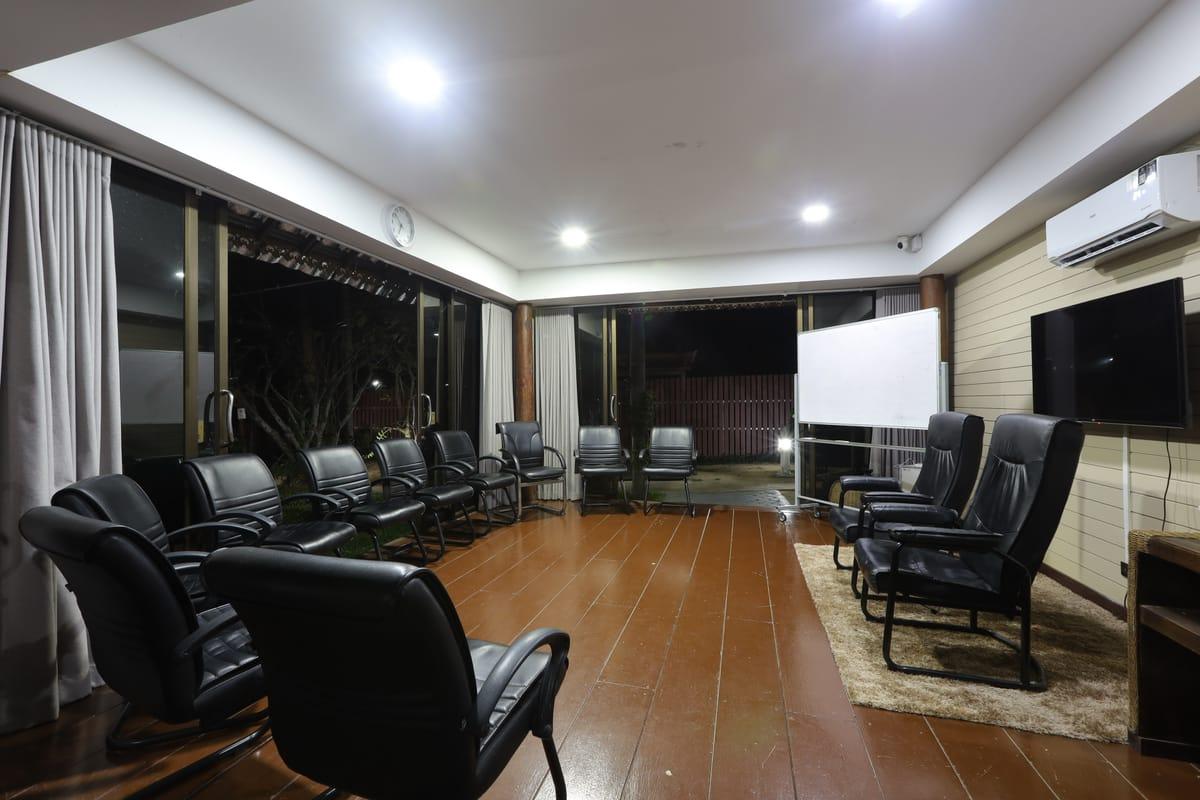
Your treatment record stays in Thailand and is not accessible to the Australian healthcare system.
Residential treatment at an overseas facility creates no record in Australia's Medicare system, the Pharmaceutical Benefits Scheme, or any employer notification system. Jintara does not report to any Australian government body. The treatment record, including clinical notes, medication records, and discharge summary, is held at the Jintara facility and shared only with the client and, where the client has given explicit consent, their nominated supports.
For many Australian clients, this is the deciding factor. The same clients ask how to manage the time away, and the practical routes to keeping your Australian job while in treatment run through the Fair Work Act and standard leave entitlements. Jintara's client base has consistently included lawyers, doctors, executives, athletes, and public figures who chose treatment in Thailand because they needed to know the details of their admission would not surface in Australian professional or social networks. Jintara has never had a breach of client confidentiality in its history of operation.
Aftercare planning begins at Jintara in the first week of treatment, not in the final days before discharge. Because clients return to Australia rather than to a local outpatient network, the plan built during treatment needs to cover the first weeks back at work and be operational from the day they land back home. Before discharge, every client receives a personalised relapse prevention plan, referrals to outpatient support in their home city, and recommendations for peer support that do not depend on a 12-step model if that approach is not a fit. Follow-up sessions with Denise O'Leary are conducted via video call after discharge.
The clinical guidance on this is consistent: NIDA's overview of treatment and recovery sets out that relapse rates for substance use disorders are similar to those for other chronic illnesses, and that detoxification alone without subsequent treatment generally leads to a return to use. Building the support structure inside the program, before discharge, is the way Jintara manages that risk. Detailed relapse prevention planning is a structured component of every discharge, not an add-on.

Talk with Our Admissions Team
Your enquiry is confidential and goes only to our admissions team.
Independently Verified
Jintara is accredited against Thailand’s national quality standard for drug treatment and rehabilitation facilities, jointly certified by the Healthcare Accreditation Institute, the body that accredits Thailand’s hospitals, with the Princess Mother National Institute on Drug Abuse Treatment and the Department of Medical Services, Ministry of Public Health. Certificate no. 25/2569, valid 20 May 2026 to 19 May 2029.
Common Questions About Rehab in Thailand for Australians
Jintara publishes current pricing at jintararehab.com/pricing. The 30-day residential program is substantially less expensive than comparable private treatment in Australia, where a 30-day stay at a private facility commonly costs between $16,071 and $42,857 AUD ($15,000 to $40,000 AUD quoted for 28 days, scaled by 30/28) before additional fees. The cost difference, even after flights and transfers, is typically significant for most Australian clients.
Australian private health insurance generally does not cover residential treatment at overseas facilities. US-style global health insurance policies are more likely to include international coverage. If you hold a global health insurance policy, contact your insurer directly to confirm whether residential addiction treatment overseas is included before booking.
Australian clients can apply to access superannuation early on compassionate grounds to fund residential addiction treatment. The process is managed by specialist services such as Release My Super (releasemysuper.com.au), which handles the ATO paperwork for a fee of approximately AUD$750. Jintara provides the required documentation. Approval timelines vary and are not guaranteed. We recommend seeking independent financial advice before applying.
Chiang Mai is accessible from all major Australian cities via Bangkok. Most clients arrive within 10 to 12 hours of departure. Transfers from Chiang Mai International Airport are arranged through the admissions process and are included in the program fee. Darren personally manages the intake process and can guide you through travel logistics before you depart.
Entry requirements for Australian passport holders in Thailand are subject to current Thai government policy and can change. We recommend confirming current requirements with the Thai embassy or consulate in your state, or contacting our admissions team for the most current guidance at the time of booking.
Chiang Mai has internationally recognised private hospitals, including Bangkok Hospital Chiang Mai and RAM Hospital, both of which are formal transfer partners for Jintara. The day-two medical workup, including blood tests, liver and kidney panels, chest X-ray, and EKG, is conducted at Jintara's cost. Clients consistently report the speed and quality of care as exceeding their expectations.
Both. The Ministry of Public Health licence establishes the legal right to operate and is a condition of accepting clients. On top of that, Jintara holds hospital-grade accreditation jointly issued by three national bodies: the Healthcare Accreditation Institute (the body that accredits Thailand's hospitals), the Princess Mother National Institute on Drug Abuse Treatment, and the Department of Medical Services. Certificate no. 25/2569 runs from May 2026 to May 2029. The difference matters because a licence is a regulatory floor, while accreditation is an independent clinical assessment against a national benchmark. Jintara is one of only six private rehabs in Thailand to hold it.
Yes. Methamphetamine is treated at Jintara alongside alcohol, benzodiazepines, opioids, and other substances. The 30-day residential program addresses withdrawal, co-occurring mental health conditions, and the behavioural and psychological patterns associated with prolonged stimulant use. The clinical team assesses each client individually at the point of inquiry to confirm the program is the right fit.
Family involvement is managed on a case-by-case basis and depends on clinical progress during the first weeks of treatment. Visits are not a standard feature of the program. Family members wishing to be involved in a structured way should discuss this with the admissions team before arrival. Family engagement, where clinically appropriate and with client consent, can be arranged.
Jintara does not report to any Australian government body. No record is created in Medicare, the PBS, or any employer system. Confidentiality is a core operational principle. Information is shared only with the client and, where explicit consent has been given, with nominated family members or supports. As Darren Lockie has reported, there has not been a confidentiality breach in the facility's operating history. That is a historical account, not a future guarantee.
Before discharge, you receive a personalised aftercare plan developed with your clinical team. This includes referrals to outpatient support in your home city, recommendations for peer support, and follow-up video sessions with Denise O'Leary. The goal is to have your support structure fully in place before you land in Australia, not after.
Jintara is a small licensed residential rehab in Chiang Mai with a 3.2:1 staff-to-client ratio. Australia is our largest source of clients, and the admissions team is available to answer any question before you decide.
Jintara Rehab is licensed by the Thai Ministry of Public Health as a rehabilitation centre. The clinical information on this page describes Jintara's general approach to supporting clients during the early recovery period. Medical decisions, including medication protocols, are determined by addiction-specialist psychiatrists through our partner hospital pathway. Individual treatment varies based on clinical assessment. This content is for informational purposes and does not constitute medical advice.