
Rehab Abroad. What You Should Know Before You Choose a Facility
Darren Lockie, founder of Jintara, explains what going to rehab abroad actually involves: the medical standard, real costs, logistics, and how to choose well.
Written by Darren Lockie | Medically reviewed by Denise O'Leary | Published: June 9, 2026 | Last Updated: June 27, 2026
I have spent fifteen years running a residential treatment facility in Chiang Mai. In that time, I have spoken to thousands of people who were trying to decide whether going to rehab abroad was a real option or a compromise. This article, one of the longer pieces on the Jintara blog, is my direct answer to that question. It covers the decisions that matter most in choosing treatment.
- What "rehab abroad" actually means as a clinical decision
- Why Thailand has become the default option for many Australians and expats
- How the medical standard at a quality facility compares to home
- The real cost breakdown and what it includes
- What the logistics look like in practice
- How to prepare for re-entry after treatment
- How to evaluate a facility when you cannot visit it in person
What Going to Rehab Abroad Actually Means.
Going to rehab abroad means travelling to another country for a residential addiction treatment program. It is not a wellness retreat, a gap year, or a shortcut. It is a full clinical admission in a licensed facility, with supervised medical detox where needed, structured therapy, and a discharge plan built for your return home.
The reasons people choose treatment outside their home country vary considerably. Some are managing privacy concerns. A public figure, a business owner, a professional in a regulated industry: these are people for whom a domestic admission carries real disclosure risk. Some have tried residential treatment at home and found the clinical standard disappointing. The domestic alternative looks different in every country, and weighing treatment at home against Thailand sets the NHS route and the British private market beside the same clinical questions, while how Thailand rehab compares for US clients works through insurance and cost instead. Others are attracted by the combination of lower costs, longer stays, and the psychological distance from the environment where substance use became habitual.
South-East Asia has become a frequent first answer for people considering treatment abroad. For Australians and New Zealanders in particular, the geography is practical: Chiang Mai is a nine-hour flight from Sydney. The cost is practical: Thailand's lower labour costs produce lower daily rates without a proportionate drop in clinical quality. And the cultural environment supports recovery in ways that are harder to achieve at home. When the usual social environment is physically absent, new routines are easier to form.
None of that means every Thai facility is good. The range of quality in this industry is extraordinary.

Why Thailand Has Become the Default Choice for People Seeking Treatment Abroad.
Thailand's status as a rehab destination is not a marketing outcome. It reflects the intersection of three practical factors.
- Trained clinical staff
- Accessible healthcare infrastructure
- Lower costs
Globally, an estimated 400 million people lived with alcohol use disorders, a scale documented by the WHO. Quality international treatment infrastructure has grown in countries that combine clinical standards with accessibility.
Bangkok Hospital is internationally accredited. Chiang Mai, where Jintara is based, has a well-developed private medical sector and a number of licensed residential treatment facilities operating under the Thai Ministry of Public Health. Licensing does not guarantee quality. What it does provide is a baseline of legal accountability and a track record that can be independently checked.
The clinical workforce in Thailand is genuinely trained. Psychiatrists, nurses, and therapists working at quality facilities typically have international credentials or training. At Jintara's treatment team, our three therapists hold qualifications recognised internationally. Our nursing team is fully registered. That is not universal in the industry, and it is worth asking about directly when you speak to any facility.
The environmental change also matters. Thailand offers a level of physical and cultural distance that makes it genuinely easier to break habitual patterns. The social network that enabled use at home is, for the duration of treatment, simply not present. This is not a trivial clinical advantage. Many of our clients tell us they had attempted treatment closer to home and found the proximity to familiar people and places made early recovery harder.
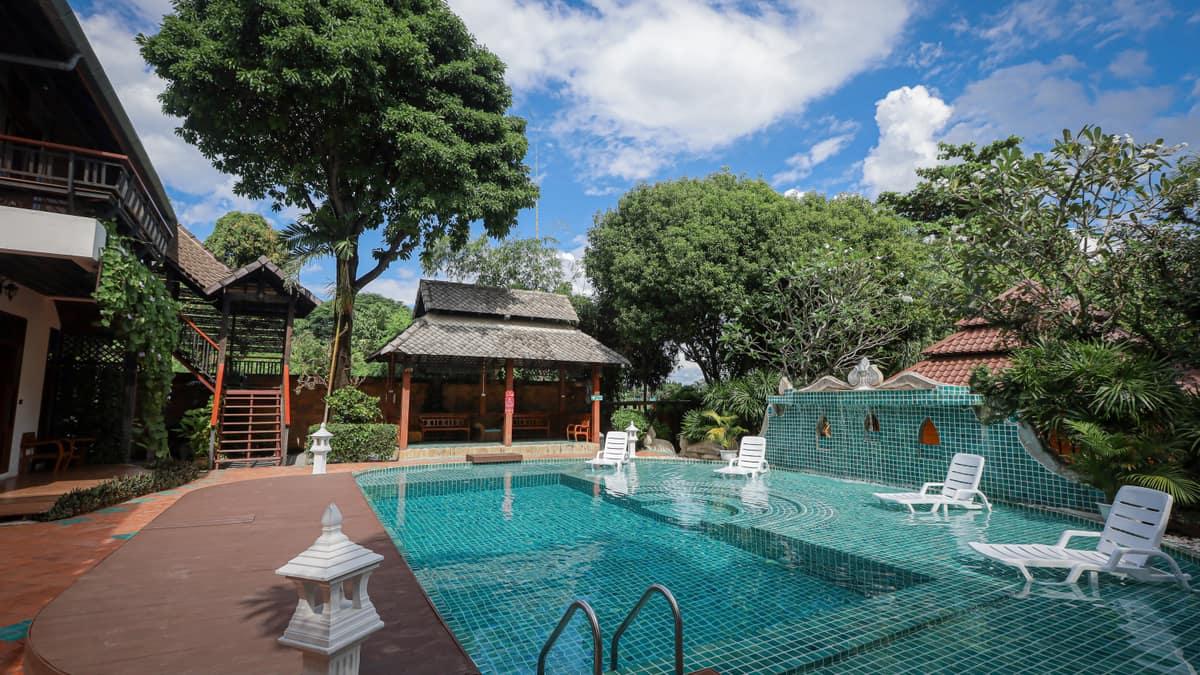
How the Medical Standard at a Quality Thai Facility Compares to Home.
The question I hear most often is whether the medical care will be comparable to what someone would receive at home. My honest answer: it depends entirely on which facility you are comparing.
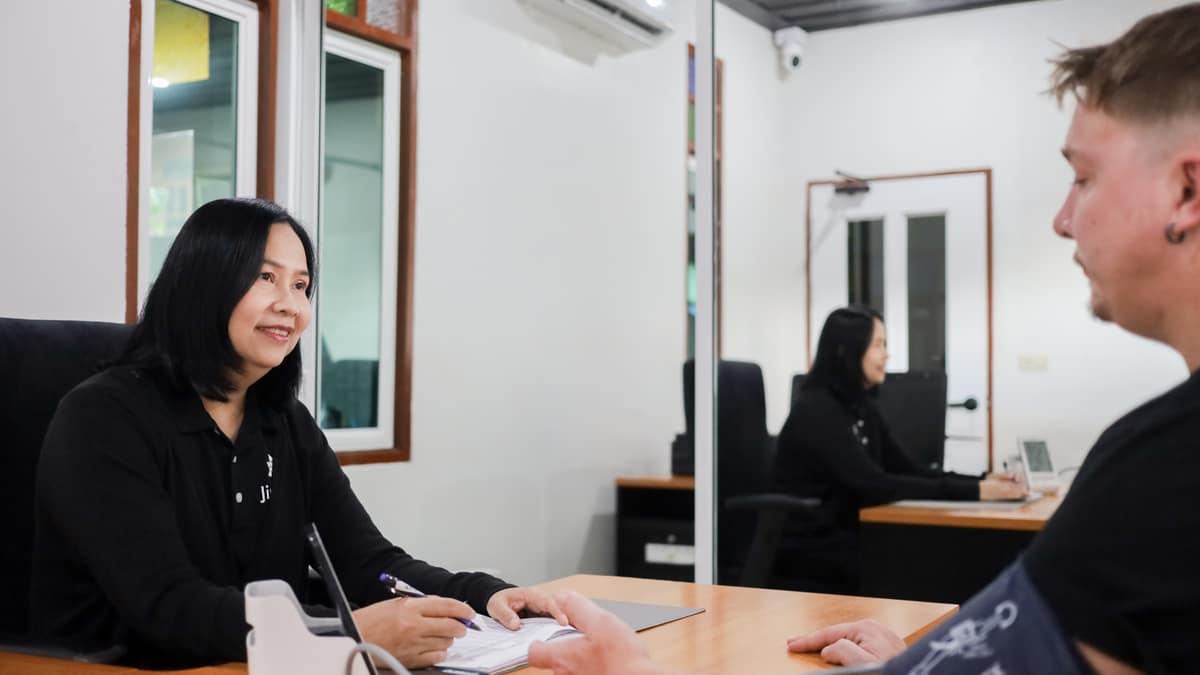
I can tell you what Jintara provides. The medical model starts with a psychiatrist assessment on arrival. For clients going through detox, a registered nurse checks vital signs every one to two hours through the early phase. On day two, every client attends Bangkok Hospital for a full medical workup. That includes a full blood panel, liver function tests, kidney function tests, an EKG, and a chest X-ray.
That workup is included in the admission cost. In Australia or the United States, equivalent diagnostics typically cost $2,000 or more. In Chiang Mai, it runs approximately 12,000 to 15,000 Thai baht. That cost is built into what clients pay at Jintara.
Very few rehabs provide a hospital-based medical workup for every client. At many facilities, psychiatric services are an extra charge, not included in the quoted fees. Nursing coverage varies dramatically. Some facilities have one nurse during the day and rely on unregistered care staff overnight. NIAAA's guide to alcohol use disorder notes that people with severe AUD may need medical help to avoid alcohol withdrawal, and that doctors can prescribe medications to make that process safer. At Jintara, awake registered nurses are present around the clock. Those clinical protocols have been independently assessed and verified. In 2026, the Healthcare Accreditation Institute, the Princess Mother National Institute on Drug Abuse Treatment, and the Department of Medical Services, Ministry of Public Health jointly certified Jintara's care against the standard applied to Thailand's hospitals (certificate 25/2569, valid to May 2029). Jintara is one of only six private rehabs in Thailand to hold this hospital-grade accreditation against the national hospital standard. For a family evaluating a facility from the other side of the world, that independent verification is worth seeking.
I am not in a position to describe what other specific facilities provide. What I can tell you is which questions to ask. The medical detox page covers the Jintara protocol in full. It is there if you want a detailed clinical reference.
Key Takeaway
"Very few rehabs provide the medical checkup at hospital. In many rehabs, psychiatric services are an extra charge and not included in the fees." Darren Lockie, Founder and CEO, Jintara Rehab
The Real Cost of Rehab Abroad Compared with Staying at Home.
Cost is one of the genuine advantages of treatment in Thailand. It is also, in my experience, the area where people most often compare things that are not comparable.
Thailand's lower labour costs translate directly into lower daily rates. A 30-day admission at a quality Thai facility typically runs 30 to 50 percent less than a comparable program in Australia or the United States. To put specific numbers on it: Jintara's 30-day admission is approximately USD $12,500. The equivalent program in Australia runs USD $18,000 to $20,000. In the United States, the equivalent is closer to USD $25,000. Those are not estimates. They are figures I can stand behind based on direct comparison with clients who have researched domestic alternatives before contacting us.
There are costs the daily rate comparison does not capture. Return flights from Sydney to Chiang Mai run approximately AUD $600 to $900 depending on timing. Accommodation for any accompanying family members is an additional item. For most people coming from Australia, the UK, or North America, including Canadians researching rehab abroad and clients travelling from the United States, the total cost of a Thai admission, including travel, still sits meaningfully below the domestic alternative. Factor those in.
Insurance and superannuation are worth addressing honestly. Australian private health insurance generally does not cover residential treatment in Thailand. US policies are more variable; some international health plans do cover overseas residential admissions. Superannuation early access is possible under compassionate grounds but is not a reliable pathway. For a direct breakdown of rehab cost comparisons, the rehab cost comparison guide has current figures. Jintara's admissions team can provide a cost breakdown for use in any insurance or superannuation application.
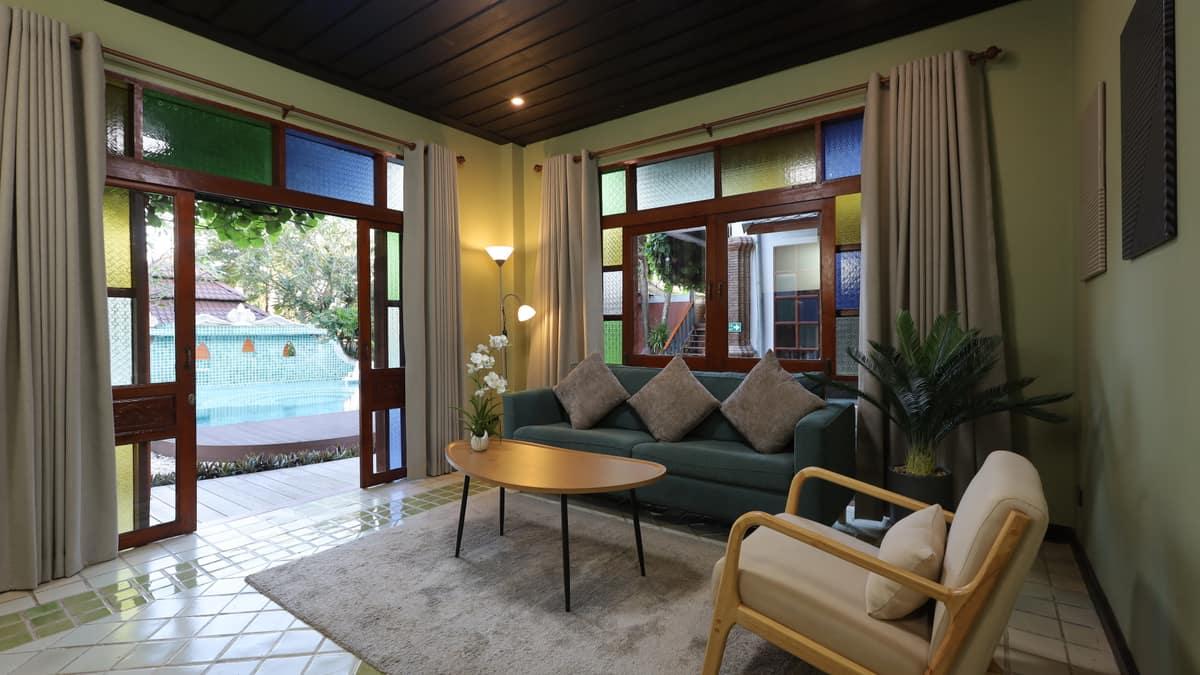
What the Practical Logistics of an International Admission Look Like.
People regularly assume that the logistics of going to rehab abroad are complicated. In practice, for a 30-day admission to Thailand, they are straightforward.
- Initial enquiry call
- Intake assessment
- Medical history review
- Formal offer letter
- Arrival
Thailand's revised entry exemption scheme took effect on 15 September 2026. The 60-day exemption introduced in July 2024 was replaced by a structure of 30-day and 15-day exemptions approved in May 2026, and the UK government's Thailand travel advice now records a 30-day permitted stay for British passports. A 30-day program plus travel days runs past that stamp, so an in-country extension of up to 30 days is usually part of the plan. Check the Royal Thai Embassy and your own government's current advice in the week before you fly. Our admissions team provides guidance on this routinely.
Language is not a barrier at quality facilities in Chiang Mai. Clinical staff at Jintara are fully English-speaking. Intake documentation, therapy sessions, medical appointments, and discharge planning are all conducted in English. Thai language proficiency is not expected of clients.
The admission sequence follows the same pattern as any residential facility. Most clients travel alone. Some arrive with a family member. Either approach works. The program page covers what the 30-day foundation schedule looks like day by day. That level of detail may help with planning.
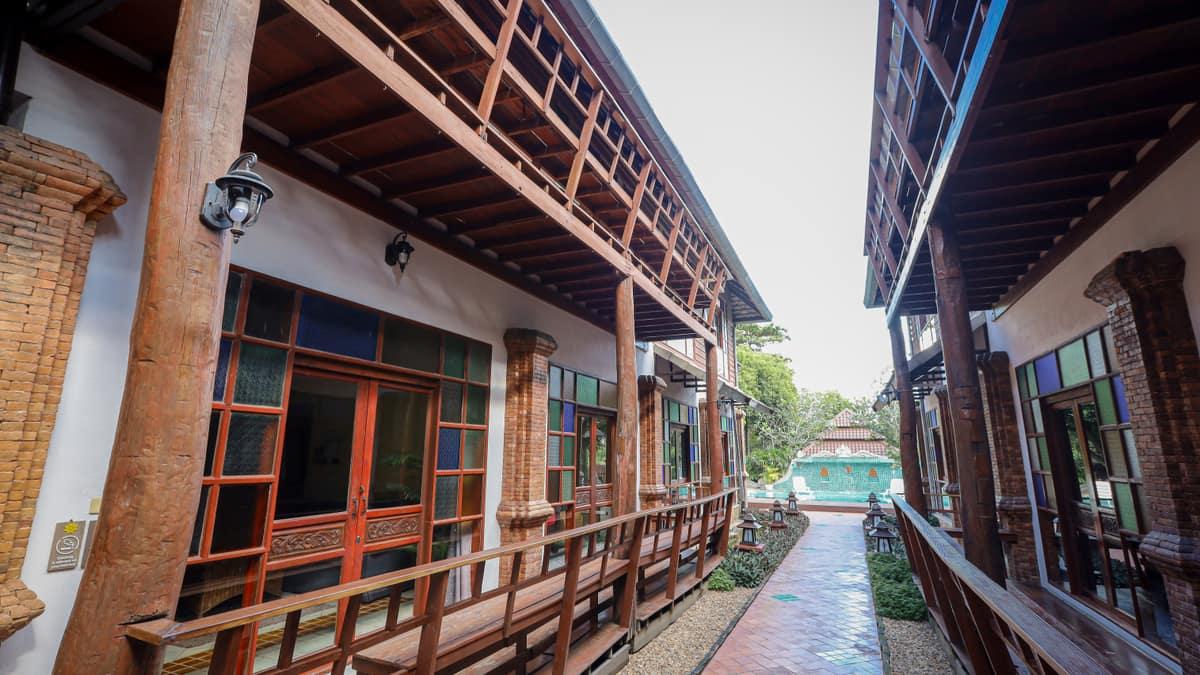
What Re-entry Looks Like After You Return Home.
Honest facilities do not leave this question unaddressed. Going to rehab abroad means returning to the environment where substance use became habitual, and that transition is where a significant amount of work happens.
Discharge planning at Jintara begins early in the stay rather than in the final days. That includes aftercare recommendations specific to the client's home city, referrals to treatment providers and support groups where relevant, and a structured check-in schedule for the months after return. The goal is continuity of care, not a clean handoff.
One pattern I see consistently is that the people who struggle most in re-entry are those who have not addressed an underlying co-occurring condition during treatment. In early recovery, anxiety, trauma, and mood disorders that co-occur with substance use disorders become visible once the substance is no longer masking them. If a facility has not diagnosed and treated those conditions during the admission, the post-discharge period carries a higher level of risk. People living with addiction and a co-occurring mental health condition need a facility with the clinical capability to treat both at the same time. The dual diagnosis page covers how co-occurring conditions are treated at Jintara. That capacity should be a direct question in any intake conversation.
How to Evaluate a Facility When You Are Choosing From the Other Side of the World.
Distance makes due diligence harder. It does not make it optional. These are the questions I would ask.
- The medical model Does the facility have a psychiatrist on staff or available on contract? Are registered nurses present through the night, or is overnight coverage reduced? What is the escalation pathway if a client requires hospital-level care during detox? Ask for specific answers, not general assurances.
- The clinical team What qualifications do the therapists hold? How many individual therapy sessions per week does the program include? Is dual diagnosis treatment available within the facility, or is it referred to an external provider?
- The environment How many clients are in the facility at any one time? What is the client-to-staff ratio? At Jintara, the maximum number of clients at any time is ten. That ratio is deliberate. It is the reason we can offer the depth of individual attention we do.
Finally, pay attention to how the facility answers your questions. A good facility gives you specific, direct answers quickly. Hesitation, vague language, or a pivot back to marketing content tells you something useful. NIDA's treatment overview describes residential programs as lasting a few weeks to a few months, and notes that people may need long-term or multiple episodes of care. The pre-admission assessment explains how our intake process works if you want to understand what that conversation looks like. Asking for specifics is not unreasonable. It is due diligence.
Frequently Asked Questions About Rehab Abroad.
- Is rehab abroad as medically safe as domestic treatment? At a licensed facility with on-site medical staff, the safety level of residential treatment in Thailand is comparable to that of residential care in Australia or the UK. The critical variables are nursing coverage across all hours, access to a psychiatrist, and a clear escalation pathway to hospital for emergencies, and those three are exactly where Jintara's guide to the region separates Thailand from Bali and Cambodia. At Jintara, registered nurses are awake and present through the night, a psychiatrist conducts the arrival assessment, and all clients attend a full medical workup at Bangkok Hospital on day two of their stay.
- Can I get a full medical assessment when I arrive? Yes. At Jintara the arrival process includes a psychiatrist assessment on day one and a hospital-based medical workup on day two. That workup covers a full blood panel, liver and kidney function tests, an EKG, and a chest X-ray. The cost of the workup is included in the admission. It gives the clinical team an accurate baseline before treatment progresses and flags any conditions that need to be managed during the stay.
- How long does a typical admission last? The standard Jintara admission is 30 days, which covers the foundation program. Extended stays of 60 to 90 days are available for people with a longer history of use or a co-occurring mental health condition. The right length depends on the individual clinical picture. The clinical team reviews the original assessment at the program midpoint and discusses whether an extended stay would be beneficial.
- What happens if a medical emergency occurs during treatment? Jintara is in Chiang Mai with direct access to Bangkok Hospital and a network of emergency facilities. The facility maintains escalation protocols for any situation that exceeds on-site clinical capacity. For clients in active detox, nursing observations every one to two hours allow early identification of any deterioration in physical status. The clinical team holds the relevant hospital contacts and can initiate a transfer immediately when required.
- Will I be able to speak to family while I am in treatment? Yes. Jintara does not apply a communication blackout. Most clients maintain regular contact with family by phone or video call throughout their stay. Family therapy sessions via video can also be arranged for family members who are not able to travel to Chiang Mai. The clinical team can advise on the timing and format that works best for each client.
- Does insurance or superannuation cover rehab abroad? Coverage for international residential treatment is inconsistent. Australian private health insurance generally does not extend to facilities in Thailand. US coverage is more variable: some international health plans do include overseas residential admissions. Superannuation early access is possible under compassionate grounds but requires a formal application and is not guaranteed. Jintara can provide a formal cost breakdown for use in any insurance or superannuation application.
- How do I verify that a Thai facility is properly licensed? The Thai Ministry of Public Health licenses residential treatment facilities. A licensed facility can provide its registration number on request. Ask for it directly. Beyond the MoPH licence, some facilities hold voluntary accreditation from the Healthcare Accreditation Institute, the same body that assesses Thailand's hospitals. HAI accreditation is a meaningfully higher standard than a licence alone. Jintara holds joint certification from HAI, the Princess Mother National Institute on Drug Abuse Treatment, and the Department of Medical Services, Ministry of Public Health (certificate 25/2569, valid to May 2029). Also ask for the therapists' qualifications in writing and confirm whether the facility's psychiatrist is on staff or on contract. An intake call conducted by a clinician rather than a salesperson is a useful signal on its own.
- Where can I find out more about what Jintara offers? The most direct route is a confidential call with Darren Lockie or the admissions team. It is a clinical conversation about whether Jintara is the right fit for your situation. No scripts, no pressure. For background on the program and team, visit Jintara's website.

Talk with Our Admissions Team
Your enquiry is confidential and goes only to our admissions team.