

Alcohol Relapse Prevention. What Actually Works After Treatment
Relapse is the most common outcome of alcohol addiction treatment without structured prevention. Weeks two to six after discharge carry the highest risk. At Jintara, prevention is built into treatment from week one. You leave with a written plan, practised coping tools, and a support structure that starts the day you get home.
- Trigger mapping and coping responses built from week one, not week four
- Abbreviated DBT, CBT, and EMDR where clinically appropriate, integrated throughout
- Written aftercare plan and home-location support identified before discharge
- Maximum ten clients at any time, with a 3.2:1 staff-to-client ratio


Fully Licensed and Hospital Accredited
How Jintara Builds Relapse Prevention Into Treatment
Relapse prevention is the set of clinical tools, written plans, and aftercare structures that reduce the likelihood of returning to alcohol use after treatment. It is the most common outcome of alcohol treatment when no structured relapse prevention is in place. NIAAA's Core Resource on Alcohol characterises recovery from alcohol use disorder as a long-term process and recommends structured continuing care as part of treatment. The highest-risk window is weeks two to six after discharge, when PAWS symptoms overlap with the end of the rehab structure and old environments, habits, and emotional patterns return. At Jintara, relapse prevention is built into treatment from the first week, not added in the final days. You leave with a concrete aftercare plan, specific coping tools practised in real conditions, and a support structure that starts the moment you get home.
Most clients feel markedly better by week three. Mood, sleep, and mental clarity improve once the chemistry of active addiction clears during medical detox. That improvement is real. It is also why detox alone is not enough: treatment clears the body but does not automatically undo the habits, relationships, and thought patterns that were built around alcohol over months or years.
This page explains why relapse happens, what predicts it, and how Jintara builds prevention into treatment rather than treating it as a separate aftercare task.

“Getting clean, getting sober, is one thing. Staying clean, staying sober, these are completely different things.
The Neurobiology of Cravings and Why Sobriety Does Not Feel Automatic
When you stop drinking, your brain does not immediately return to its pre-alcohol state. Alcohol alters dopamine pathways, stress response systems, and the areas involved in impulse control. NIAAA's overview of alcohol and the brain describes how some brain changes can improve and possibly reverse with months of abstinence. Recovery is a gradual neurological process that begins during the detox process and continues for months after. For a neuroscience-based explanation of how addiction works at a brain-circuit level, including why these adaptations take time to reverse, the Jintara blog covers the dopamine, prefrontal, and amygdala mechanisms behind recovery.
Cravings during early recovery are a normal part of that process. NIDA's Drugs and the Brain chapter describes how environmental cues linked to past use can trigger cravings even when the drug itself is not available, and how that learned reflex can last a long time. A craving is not a sign that treatment has failed. It is a signal from a neural pathway that is still active.
The therapy tools taught during treatment at Jintara are designed to interrupt that signal before it becomes a decision. Distress tolerance, emotional regulation, and cognitive correction all address the point between impulse and action.
Identifying Your Triggers Before They Catch You Off Guard
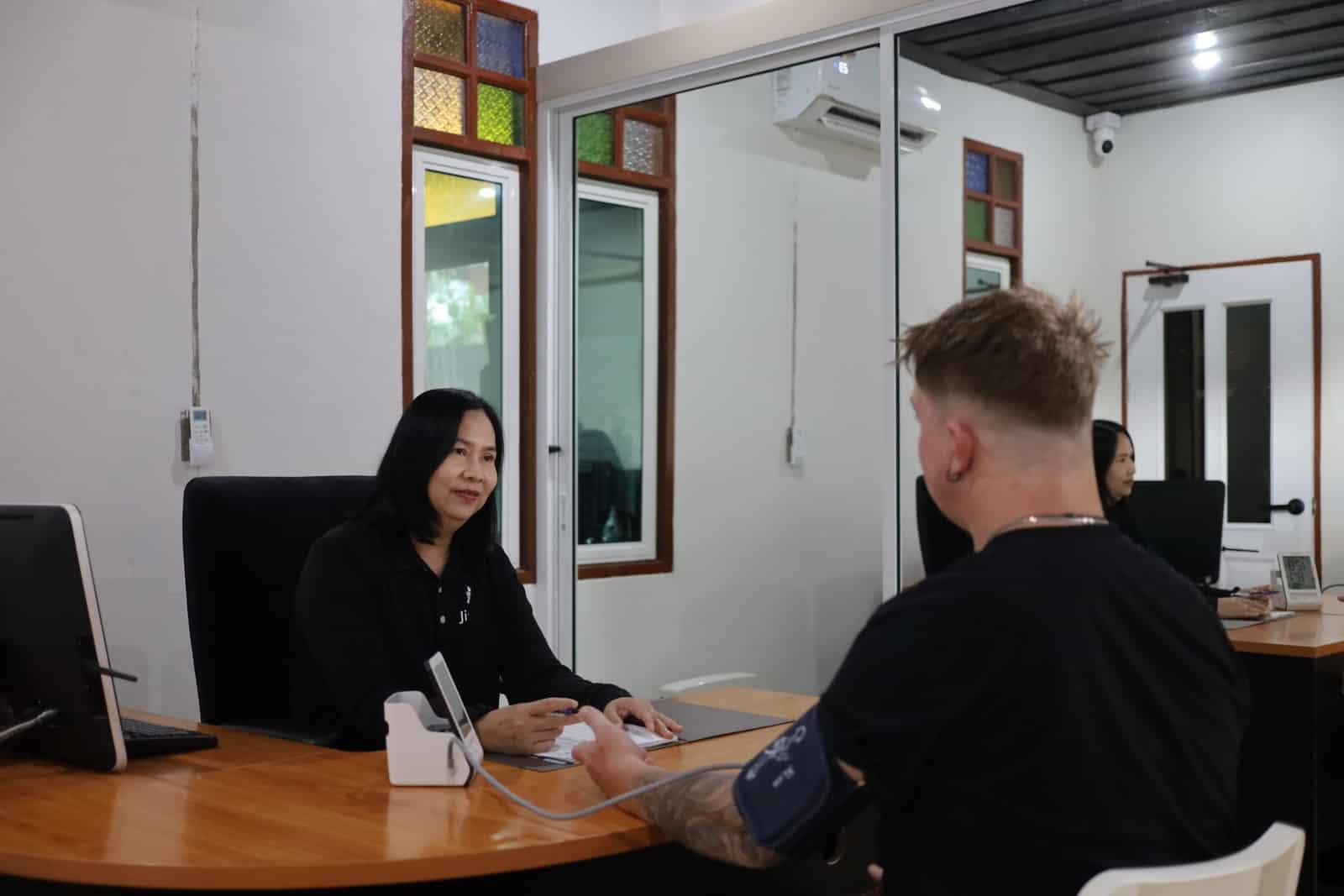
Relapse rarely begins with a single moment. It begins with a slow withdrawal from the activities and connections that support recovery. Reducing exercise. Skipping peer support meetings. Spending more time alone, which is where isolation and the pull to fix it with a new relationship usually meet. These are the early warning signs that appear in behaviour before drinking resumes.
NIDA's overview of treatment and recovery identifies stress cues linked to drug use, such as people, places, things, and moods, and contact with drugs as the most common triggers for relapse. During the first week of treatment at Jintara, each client works through a structured process to map their personal trigger profile. This includes reviewing past relapse patterns, identifying specific high-risk situations they will face at home, and building a concrete response plan for each. The goal is not to avoid every difficult situation, which is not possible. The goal is to have a tested response ready when those situations arrive.
One clinical tool used in this process is what Denise calls the three circles: a one-page summary that identifies activities and situations that create risk, activities that actively protect recovery, and the space between them. Clients complete this before discharge.

The Cognitive Distortions That Drive People Back to Alcohol
The single biggest predictor of post-treatment relapse is overconfidence, not cravings. A client who leaves treatment feeling nervous about the work ahead is in a stronger position than one who leaves convinced that the hard part is over. Cognitive distortions are the thought patterns that turn that overconfidence into a drink. These distortions are especially entrenched in high-functioning alcoholics, where years of successful professional performance have reinforced the belief that the drinking is manageable.
The three most common cognitive distortions in early recovery:
- Just one drink: The belief that a single controlled drink is possible after a period of abstinence. For most people with alcohol use disorder, this distortion leads directly back to active use.
- I am cured: The belief that treatment has eliminated the underlying risk. Treatment reduces risk and builds tools. It does not remove the neurological patterns shaped by years of alcohol use.
- I deserve it: Using a difficult week, a celebration, or an emotional trigger as justification for breaking abstinence. The occasion itself is rarely the real cause.
Cognitive behavioural therapy across the treatment program at Jintara addresses these distortions directly. Clients learn to identify a distorted thought, examine its logic, and replace it with an accurate one. This is not an abstract exercise. It is practised through individual and group therapy sessions every week of the program.

Therapy Tools We Use During Treatment to Protect Your Recovery
Relapse prevention at Jintara does not start at discharge. It starts in week one. Therapy runs alongside medical detox from the beginning so that by the time clients leave, they have already used their coping tools dozens of times.
The primary clinical tools are:
- Abbreviated DBT: Jintara uses a shortened but complete form of dialectical behaviour therapy covering all four modules: mindfulness, distress tolerance, emotional regulation, and interpersonal effectiveness. Distress tolerance and emotional regulation receive the most clinical focus, as these are the skills most directly linked to long-term sobriety.
- CBT: Cognitive behavioural therapy corrects the thought patterns that maintain alcohol use. For clients whose drinking developed alongside anxiety or depression, which accounts for almost everyone who comes through Jintara, this work is central to relapse prevention.
- EMDR: Where unresolved trauma underlies the addiction, EMDR therapy is available at Jintara. It is not assigned to all clients and is only introduced after medical stabilisation. EMDR is offered, not required. For clients completing 60-day programs, EMDR can often be finished in full during treatment. For 30-day clients, the process may begin here and continue with an EMDR-trained therapist at home, supported by a written referral report.

What Aftercare Looks Like in Practice
Aftercare planning begins at Jintara on day one, not in the final week. Because clients travel from many countries, local drop-in sessions after discharge are not possible, so the follow-up record after discharge is kept by scheduled call and survey instead. The model is to build your specific support structure before you leave, so that it is already in place on the day you get home.
That structure includes continued access to an individual therapist in your home location, peer support groups that do not depend on a 12-step model if that approach does not suit you, and where appropriate, the involvement of family members in your recovery plan. For clients whose addiction sits alongside anxiety, depression, or PTSD, the aftercare plan also coordinates ongoing dual diagnosis treatment with a clinician at home.
Jintara does not prescribe oral relapse prevention medications after treatment. SAMHSA's TIP 49 chapter on oral naltrexone describes naltrexone as an FDA-approved opioid antagonist used for alcohol use disorders since 1994, reducing both the rewarding effects of alcohol and craving for it. SAMHSA's TIP 49 chapter on acamprosate describes acamprosate as FDA-approved for postwithdrawal maintenance of alcohol abstinence. SAMHSA's TIP 49 chapter on disulfiram describes disulfiram as an alcohol-aversive agent that causes an acutely toxic physical reaction when mixed with alcohol. In Denise's words: we do not recommend using substances to treat substances.
For families researching from overseas, the underlying question is whether a facility's description of its clinical standards is accurate. The protocols at Jintara, including what constitutes discharge-readiness, were independently assessed and certified by the three national bodies that accredit Thailand's hospitals: the Healthcare Accreditation Institute (HAI), the Princess Mother National Institute on Drug Abuse Treatment (PMNIDAT), and the Department of Medical Services, Ministry of Public Health (certificate no. 25/2569). Proven to a hospital-grade standard. Still small enough to know your family member by name before the first week is out.

“Go straight home and implement your recovery plan while you still have the motivation and the momentum. Do not go on a little holiday first.
Why We Treat Relapse Prevention as Part of Treatment, Not a Brochure Promise
Many rehabilitation centres describe their aftercare in similar terms. Planning sessions. Referral letters. Ongoing support. These are useful outputs. They are not a substitute for clinical preparation.
At Jintara, the distinction between describing aftercare and building actual relapse prevention capacity comes down to one question. When you leave, can you use your coping tools under pressure, or have you only been told about them?
The clinical readiness standard Denise applies before approving discharge is that a client should have worked far enough through the addiction program that they would not instantly relapse in the event of leaving treatment early. That standard is not met by completing a schedule. It is met by demonstrated change in how a client thinks and responds to the situations that previously led to drinking.
With a maximum of ten clients at any time, three therapists on staff, and a 3.2:1 staff-to-client ratio, the clinical team works inside a small residential setting with the capacity to reach that standard with every client before they leave.


Talk with Our Admissions Team
Your enquiry is confidential and goes only to our admissions team.
Common Questions About Alcohol Relapse Prevention
NIDA's overview of treatment and recovery identifies stress cues linked to drug use, such as people, places, things, and moods, and contact with drugs as the most common triggers for relapse. Treatment addresses these causes by building coping responses. The goal is not to eliminate triggers but to change your response to them.
Warning signs often appear in behaviour before any drinking resumes. Reducing exercise, skipping support meetings, withdrawing from friends and family, and a return of the thought patterns associated with active addiction are all early indicators. Catching the pattern at that stage is significantly easier than stopping a relapse already in progress.
During treatment at Jintara, each client works through a structured trigger-mapping process. This includes reviewing past relapses, identifying unavoidable high-risk situations at home, and building a specific coping response for each. You leave with a written plan, not a general intention to be careful.
Cravings are typically most intense in the first two to six weeks after discharge and reduce over the months that follow. They rarely disappear entirely but become less frequent and easier to manage as recovery consolidates and coping tools become habitual.
Aftercare is the support structure maintained after leaving treatment. It includes continued individual therapy, peer support, and where relevant, family involvement in recovery. It is not optional for people with alcohol addiction. Leaving treatment without a concrete aftercare plan significantly increases relapse risk. At Jintara, planning for life after treatment begins on day one.
For most people with alcohol use disorder, controlled or moderate drinking is not a realistic long-term outcome. Most clients arrive at Jintara having already attempted moderation. The attempt itself is often part of the history that led them to treatment. Speak with a clinician for an assessment specific to your situation.
A complete plan includes a personal trigger map, specific coping responses for unavoidable high-risk situations, an aftercare support structure in your home location, continued access to individual therapy, and a clear list of your personal early warning signs with an agreed response. Jintara's clinical team works through all of these before each client's discharge.
Overconfidence and delay. The clients who relapse most quickly after treatment are those who leave feeling so well that they reduce their commitment to aftercare. The motivation generated in treatment is most powerful in the first days at home. Use it immediately. Do not take a holiday between leaving rehab and starting your recovery plan.
Yes. Jintara holds joint accreditation from three national bodies: the Healthcare Accreditation Institute (HAI), which accredits Thailand's hospitals; the Princess Mother National Institute on Drug Abuse Treatment (PMNIDAT); and the Department of Medical Services, Ministry of Public Health. Certificate no. 25/2569 was issued in May 2026 and is valid until May 2029. Jintara is one of only six private rehabs in Thailand to hold this national standard.
Jintara is a small adult residential rehab in Chiang Mai with a 3.2:1 staff-to-client ratio. Relapse prevention is part of the program from week one, not an afterthought added at discharge.
Jintara Rehab is licensed by the Thai Ministry of Public Health as a rehabilitation centre. The clinical information on this page describes Jintara's general approach to supporting clients during the early recovery period. Medical decisions, including medication protocols, are determined by addiction-specialist psychiatrists through our partner hospital pathway. Individual treatment varies based on clinical assessment. This content is for informational purposes and does not constitute medical advice.