

Alcohol Withdrawal Timeline. What to Expect From Day One Through Week Two
Alcohol withdrawal symptoms begin 6 to 24 hours after your last drink, with alcohol-related seizures typically between 8 and 48 hours after the last drink and symptoms peaking between 48 and 72 hours. Without medical detox, delirium tremens develops in 3% to 5% of cases. Historically mortality was as high as 20 percent; with treatment the rate is now around 1 percent. This page covers the hour-by-hour timeline, the danger windows, and what treatment looks like at Jintara Rehab in Chiang Mai.
- Hour-by-hour symptoms from your first 6 hours through Week 2 and beyond
- CIWA-Ar scoring and 24/7 nursing with hospital escalation when needed
- Benzodiazepine-tapered detox, never cold turkey, with parallel therapy from day one
- Maximum ten clients at any time, with 32 staff including full-time nurses

Licensed by the Ministry of Public Health.
Accredited under Thailand’s national standard for drug treatment and rehabilitation facilities.
Alcohol Withdrawal Timeline. Why This Page Matters
Alcohol withdrawal is the neurological storm that follows stopping or sharply reducing heavy alcohol use. The brain has adapted to chronic alcohol by increasing excitatory neurotransmitter activity (glutamate) and decreasing inhibitory activity (GABA). When drinking stops, the brain remains in this hyperexcitable state. The result is a condition ranging from mild anxiety to life threatening seizures and delirium tremens.
This page covers the full alcohol withdrawal timeline from your first hours without alcohol through Week 2 and beyond, what treatment looks like at Jintara Rehab in Chiang Mai, and why medical supervision is not optional for safe detox. Every person is treated as an individual. Timelines and approaches vary. For a broader view of how withdrawal differs across substances, our guide to understanding addiction withdrawal covers alcohol, opioids, benzodiazepines, stimulants, and cannabis side by side.

Why Alcohol Withdrawal Is Medically Dangerous
Alcohol withdrawal is medically dangerous because the nervous system has become dependent on alcohol to keep itself in balance. Unlike opioid withdrawal, which is intensely uncomfortable but rarely fatal, alcohol withdrawal can produce seizures and delirium tremens that require immediate medical attention. The opioid withdrawal stage breakdown covers how heroin and opioid detox differs in medical risk profile, where the primary clinical concern shifts from seizure prevention to comfort management and relapse prevention. Alcohol abuse accounts for at least 50% of admissions at Jintara at any given time, making it the single most common substance use the team manages. Understanding the dangers of alcohol addiction starts with understanding why the body reacts so violently when alcohol is removed.
Approximately half of those who suddenly stop or reduce their drinking will experience withdrawal symptoms. Home detox is dangerous because it can be difficult to predict who will experience severe alcohol withdrawal. A person who has had mild symptoms before can experience severe symptoms the next time they stop drinking. Having a family history of alcohol use disorder increases the likelihood of complicated withdrawal. Concurrent use of other substances, particularly alcohol and benzodiazepine interactions, creates compounded seizure risk.
People taking antidepressants should also understand the relationship between alcohol and antidepressant interactions before quitting alcohol. Heavy drinking over long periods of time increases the probability of severe withdrawal and can reduce life expectancy through organ damage and other health conditions.
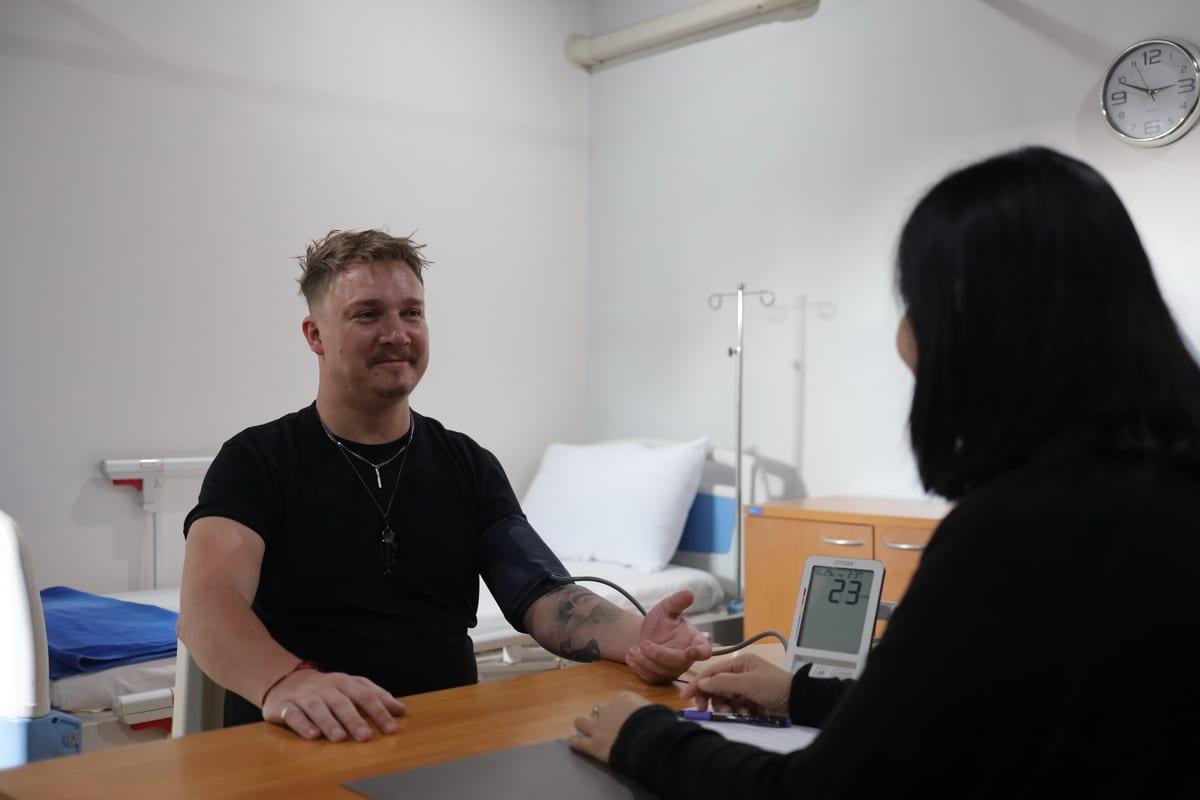
“Being in a medically supervised detox is always important. Trying to do it without that is very, very risky.
The Alcohol Withdrawal Timeline. Hour by Hour
The alcohol withdrawal timeline runs in stages from the first six hours after the last drink through Week 2 and beyond, with alcohol-related seizures typically occurring between 8 and 48 hours after the last drink. The severity and length of withdrawal varies based on how heavily a person has been drinking, how long the heavy use has lasted, overall health, body chemistry, and whether the person uses other substances. The duration is different for everyone, and people who reduce alcohol use rather than stop completely should watch for escalating symptoms.
- Hours 0 to 6 after your last drink: Common symptoms appear first. Hand tremors, mild anxiety, nausea, and sweating are among the earliest signs. Blood pressure begins to rise and heart rate increases. Many people mistake these symptoms for a hangover, but withdrawal intensifies over time while a hangover fades. Withdrawal begins when blood alcohol drops below an individual's normal levels.
- Hours 6 to 24: Symptoms escalate. Anxiety and nausea become more severe. Sleep disturbances begin with vivid or disturbing dreams. Some people experience visual or auditory hallucinations. At Jintara, nurses use CIWA-Ar (Clinical Institute Withdrawal Assessment for Alcohol, Revised) scoring to measure withdrawal severity on a 0 to 67 scale. High scores in this window trigger immediate medication adjustment.
- Hours 8 to 48: This is the typical alcohol-related seizure window. The StatPearls review of alcohol withdrawal syndrome states that alcohol-related seizures typically occur between 8 and 48 hours after alcohol cessation. Seizures can occur without warning. Medical professionals consider this the critical window where benzodiazepine protocols are mandatory to prevent escalation. At Jintara, the clinical team monitors blood pressure, heart rate, temperature, and CIWA-Ar scores continuously. Anyone experiencing withdrawal symptoms during this window needs inpatient care.
- Days 2 to 3 after the last drink: Delirium tremens risk peaks. Delirium tremens is a severe form of alcohol withdrawal syndrome that causes confusion, agitation, dangerous dehydration, and life threatening changes to circulation and breathing. It occurs in about 3% to 5% of cases. Historically mortality was as high as 20 percent; with treatment the rate is now around 1 percent. Patients may require intensive care unit admission. Benzodiazepine tapering prevents escalation during this period.
- Days 3 to 7: Gradual stabilisation begins for clients receiving medicated detox. Physical symptoms normally peak around 48 to 72 hours and last seven to ten days. Sleep disturbances persist. Alcohol cravings may intensify as the body adjusts. Symptoms typically improve within five days, though they develop differently for each person based on drinking history and health conditions.
- Week 2 and beyond: Mood normalisation begins as brain chemistry rebalances. Some people experience prolonged withdrawal symptoms such as insomnia and mood changes that can last for weeks or months. Denise O'Leary, Jintara's clinical director, explains why this phase catches people off guard. When the substances people have been using to manage their emotions are removed, those emotions come back online, sometimes with a vengeance. She normalises these mood swings early so clients do not assume something is wrong with them or feel shame about it.
Khun Khwan, Jintara's nursing lead, simplifies the monitoring cadence. In the first three to four days for clients with high CIWA-Ar scores, nurses check every one to two hours. As the score comes down, the frequency steps down to twice a day, then once a day until the client is stable.

Alcohol Withdrawal Treatment at Jintara
Alcohol withdrawal treatment at Jintara follows a medicated detox model, not cold turkey. The psychiatrist prescribes a benzodiazepine taper protocol based on each person's alcohol use history, overall health, and withdrawal severity. Benzodiazepines stabilise the same brain receptors that alcohol affects, which is why they are the standard medication for managing alcohol withdrawal. Patients who are dehydrated or malnourished receive fluids and thiamine (Vitamin B1) to prevent Wernicke-Korsakoff syndrome, a nervous system disease linked to heavy alcohol consumption and abnormal liver function.
What makes Jintara's approach unusual is that therapy begins alongside detox, not after it. Clients receive distress tolerance skills training during the acute phase. This parallel model gives people the coping tools they need during the most difficult days of withdrawal, rather than waiting until they feel better. Treatment includes individual therapy twice per week, group sessions, and 24/7 nursing with hospital escalation when CIWA-Ar scores remain elevated.
Darren has managed three seizure cases in clients who arrived in advanced withdrawal. In his words, it becomes a life or death situation. With 32 staff and full-time nurses, the team is well-versed on the policy and protocol. A client showing seizure activity goes straight to hospital, no delay.
For a family reading from a distance and trying to judge whether those protocols are real: the medication management, around-the-clock nursing, and hospital escalation pathways described on this page were independently assessed against Thailand's national quality standard for drug treatment facilities. That assessment was certified by three government bodies, including the Healthcare Accreditation Institute, the same national body that accredits Thailand's hospitals. Certificate no. 25/2569. Checked against a national standard, and still small enough to know your son or daughter by name.

“There's no gap between the detox and the therapy. The therapy starts at the same time that the detox starts. They're parallel.
What Happens After Acute Alcohol Withdrawal
After acute alcohol withdrawal resolves, most people with alcohol use disorder need total abstinence supported by ongoing therapy. Denise puts it plainly. Many people think they do the detox and they are done, but they have not figured out what needs to change in their lives. Getting clean and getting sober is one thing. Staying clean and staying sober is a completely different thing. Some psychological symptoms can persist for up to two years. Alcohol cravings intensify as the brain rebalances its chemistry.
This is why Jintara's 30-day program includes therapy from day one, not just medical detox. After discharge, Jintara's aftercare follow-up records a welfare contact within 24 hours of leaving, a therapist call at 28 days, and surveys at three months and twelve months. Group support sessions after discharge are included in the program fee. Support groups like Alcoholics Anonymous provide additional ongoing structure for people recovering from alcohol use disorder.


Talk with Our Admissions Team
Your enquiry is confidential and goes only to our admissions team.
Common Questions About Alcohol Withdrawal
When do alcohol withdrawal symptoms start?
Alcohol withdrawal symptoms typically begin within 6 to 24 hours after stopping or significantly reducing heavy, long-term alcohol use. Early symptoms include hand tremors, anxiety, nausea, and sweating. Symptoms may appear later if a person significantly reduces alcohol intake rather than stopping completely.
What is the most dangerous phase of alcohol withdrawal?
The most dangerous phase occurs 12 to 72 hours after your last drink. Alcohol-related seizures typically occur between 8 and 48 hours after the last drink. Delirium tremens, the most severe form of alcohol withdrawal syndrome, typically develops at 48 to 96 hours. Both require immediate medical attention and can be life threatening without alcohol detox supervision.
Can you die from alcohol withdrawal?
Yes. Most people make a full recovery, but death is possible if delirium tremens occurs. Historically mortality was as high as 20 percent. With treatment the rate is now around 1 percent. A healthcare professional should supervise alcohol detox safety protocols for anyone who wants to stop drinking after heavy alcohol use.
How long does alcohol withdrawal last?
Physical alcohol withdrawal symptoms peak around 48 to 72 hours after the last drink and last 7 to 10 days, sometimes up to two weeks. Some people experience prolonged withdrawal symptoms like insomnia and mood changes lasting weeks or months. The severity and length of withdrawal varies based on alcohol consumption history.
Why are seizures a risk during alcohol withdrawal?
Alcohol suppresses the brain's excitatory nervous system activity. When a person stops drinking, the brain rebounds into a hyperexcitable state. This triggers withdrawal seizures, typically between 8 and 48 hours after the last drink. Benzodiazepines reduce seizure risk by stabilising the same brain receptors. These seizure symptoms are a medical emergency.
Can I do alcohol detox at home?
Home detox is not recommended for anyone with a heavy drinking history, previous severe withdrawal, or substance use disorder involving other substances. High-functioning alcoholics are at particular risk because their withdrawal severity is often underestimated: daily intake has typically been high for years despite a stable external presentation. Moderate to severe alcohol withdrawal can be extremely dangerous and sometimes life threatening. Medical professionals recommend supervised care because it is difficult to predict who will experience severe withdrawal symptoms.
What medications help with alcohol withdrawal?
Benzodiazepines are the primary medications for alcohol withdrawal treatment. They prevent seizures and stabilise patients. Medical professionals may also administer thiamine (Vitamin B1) to prevent neurological complications. The specific medication protocol depends on individual assessment by the treating psychiatrist.
How does medical detox differ from stopping cold turkey?
Medical detox uses a controlled benzodiazepine taper to bring brain chemistry back to baseline. Cold turkey cessation dramatically increases the risk of seizures and delirium tremens. Darren Lockie of Jintara Rehab describes cold turkey alcohol withdrawal as one of the most dangerous things a person can do. Professional medical supervision addresses alcohol dependence safely.
Is Jintara's medical detox protocol independently verified?
Yes. The clinical protocols at Jintara, including medication management, CIWA-Ar monitoring, and hospital escalation pathways, were assessed against Thailand's national quality standard for drug treatment and rehabilitation facilities. The accreditation is jointly certified by the Healthcare Accreditation Institute, the Princess Mother National Institute on Drug Abuse Treatment, and the Department of Medical Services, Ministry of Public Health. Certificate no. 25/2569, valid 20 May 2026 to 19 May 2029.
Jintara is a small adult residential rehab in Chiang Mai with a 3.2:1 staff-to-client ratio. Medical detox runs alongside therapy from day one so that clients leave with coping tools they have already practised under real conditions.
Jintara Rehab is licensed by the Thai Ministry of Public Health as a rehabilitation centre. The clinical information on this page describes Jintara's general approach to supporting clients during the early recovery period. Medical decisions, including medication protocols, are determined by addiction-specialist psychiatrists through our partner hospital pathway. Individual treatment varies based on clinical assessment. This content is for informational purposes and does not constitute medical advice.