

Stimulant Addiction Treatment in Chiang Mai, Thailand
Stimulant addiction treatment at Jintara Rehab in Chiang Mai focuses on dopamine system restoration through behavioural therapy, prescribed fitness, and psychiatric support for stimulant use disorder. No FDA-approved drugs exist for treating stimulant addiction, so therapy quality determines recovery. Jintara treats 10 clients maximum with 32 staff.

Fully Licensed and Hospital Accredited
How Jintara Compares for Stimulant Addiction Treatment
| Treatment Element | Jintara (Max 10 Clients) | Typical Rehab (15–25 Clients) |
|---|---|---|
| Therapy hours per month | 65–70 hours (individual + group) | 10–15 hours |
| Therapist-to-client ratio | 3 therapists for 10 clients | 1 therapist for 15–20 clients |
| Individual session frequency | Twice per week, 50 minutes | Once per week or fortnightly |
| Prescribed fitness | 5 days/week, personalised by sports scientist | Optional gym access |
| EMDR trauma therapy | 4–6 extra hours/week (60-day clients) | Rarely available or waitlisted |
| Detox nursing | 24/7 awake nursing staff on-site | Shared nursing across wards |
| Average length of stay | 6 weeks (clients extend voluntarily) | 28 days (insurance-driven) |
Therapy hours per month
Jintara (Max 10 Clients): 65–70 hours (individual + group)
Typical Rehab (15–25 Clients): 10–15 hours
Therapist-to-client ratio
Jintara (Max 10 Clients): 3 therapists for 10 clients
Typical Rehab (15–25 Clients): 1 therapist for 15–20 clients
Individual session frequency
Jintara (Max 10 Clients): Twice per week, 50 minutes
Typical Rehab (15–25 Clients): Once per week or fortnightly
Prescribed fitness
Jintara (Max 10 Clients): 5 days/week, personalised by sports scientist
Typical Rehab (15–25 Clients): Optional gym access
EMDR trauma therapy
Jintara (Max 10 Clients): 4–6 extra hours/week (60-day clients)
Typical Rehab (15–25 Clients): Rarely available or waitlisted
Detox nursing
Jintara (Max 10 Clients): 24/7 awake nursing staff on-site
Typical Rehab (15–25 Clients): Shared nursing across wards
Average length of stay
Jintara (Max 10 Clients): 6 weeks (clients extend voluntarily)
Typical Rehab (15–25 Clients): 28 days (insurance-driven)

Why Does Therapy Quality Determine Stimulant Recovery.
No FDA-approved medications exist for stimulant use disorder, so behavioural therapy quality determines recovery outcomes. NIDA's research on methamphetamine treatment confirms cognitive behavioural therapy, contingency management, and motivational interviewing as the most effective interventions for stimulant dependence. Jintara delivers twice-weekly individual therapy plus daily group sessions and prescribed exercise for natural dopamine restoration.
No methadone equivalent exists for stimulants. Effective treatment for stimulant addiction relies on behavioural therapies, prescribed fitness programs for natural dopamine recovery, and psychiatric support that addresses both the addiction and underlying mental health factors.
- Individual therapy twice per week: Jintara’s 30-day program provides 50-minute sessions with a master’s-level therapist.
- Group therapy and prescribed fitness: SMART Recovery curriculum and high-intensity interval training for natural dopamine restoration.
- EMDR trauma therapy: Available for 60-day clients dealing with trauma that drives stimulant use.
What Is Stimulant Addiction and How Is It Diagnosed.
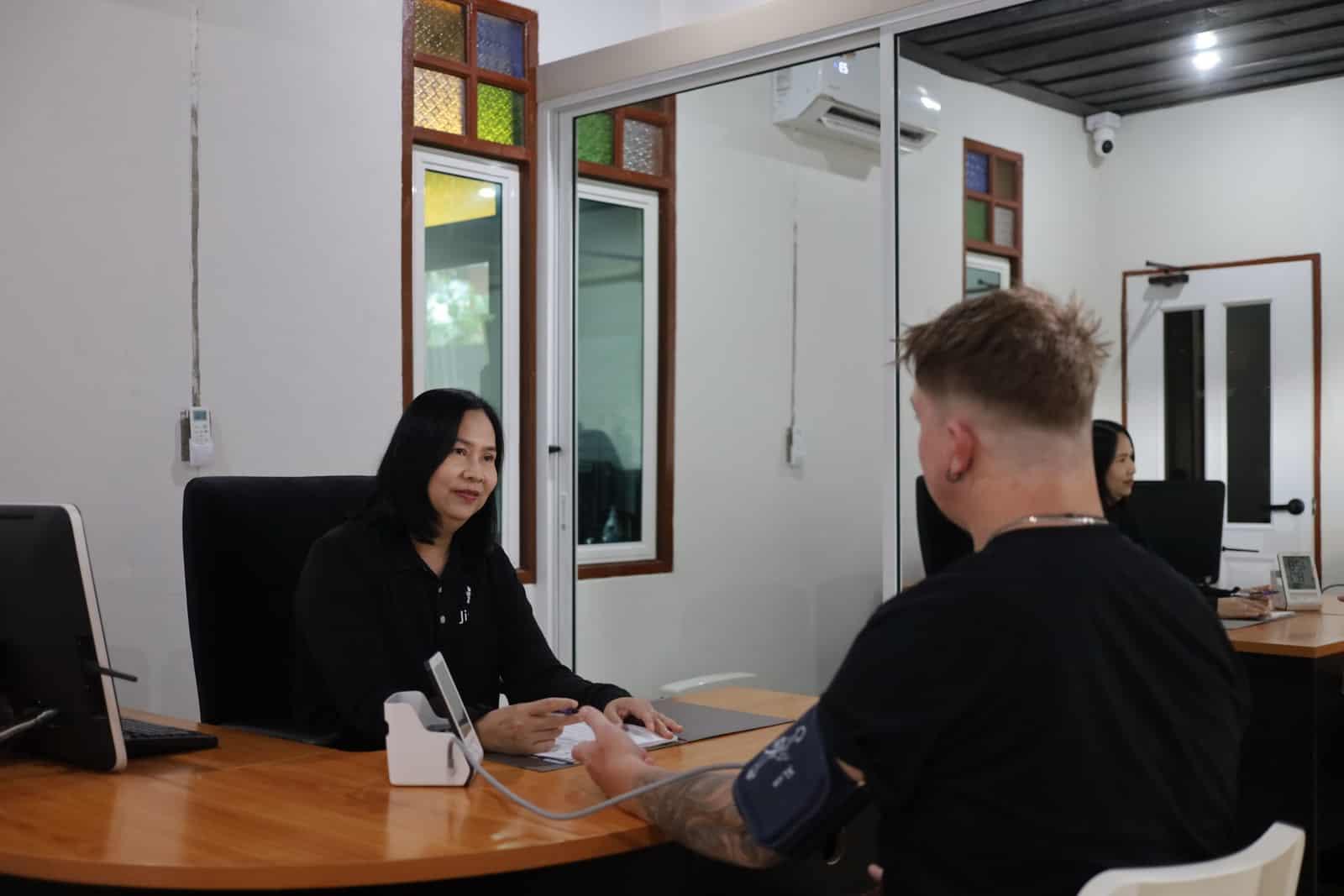
Stimulant use disorder is defined in the DSM-5 by compulsive use of cocaine, methamphetamine, or prescription stimulants despite harm, with tolerance and withdrawal common. NIDA's cocaine research confirms stimulant addiction disrupts the dopamine reward system, causing reduced pleasure, post-use depression, and anhedonia. Jintara's psychiatrist screens against DSM-5 criteria and assesses co-occurring mental health conditions on admission.
People addicted to stimulants need larger doses over time and experience persistent cravings that continue after detox. Jintara’s inpatient clients include executives dealing with cocaine addiction, professionals dependent on prescription stimulants, and individuals using methamphetamine.
Stimulant addiction can lead to anxiety, physical health issues, and behavioural changes that affect daily life. Substance abuse factors vary, so each person receives individual treatment.
“We have clients from all backgrounds. Some are blue-collar Australians, others are high-level executives. There’s a very high level ranking executive in Hong Kong. He has six glasses of wine at lunch and then goes out at night and does two grams of cocaine.
Which Stimulants Does Jintara Treat.
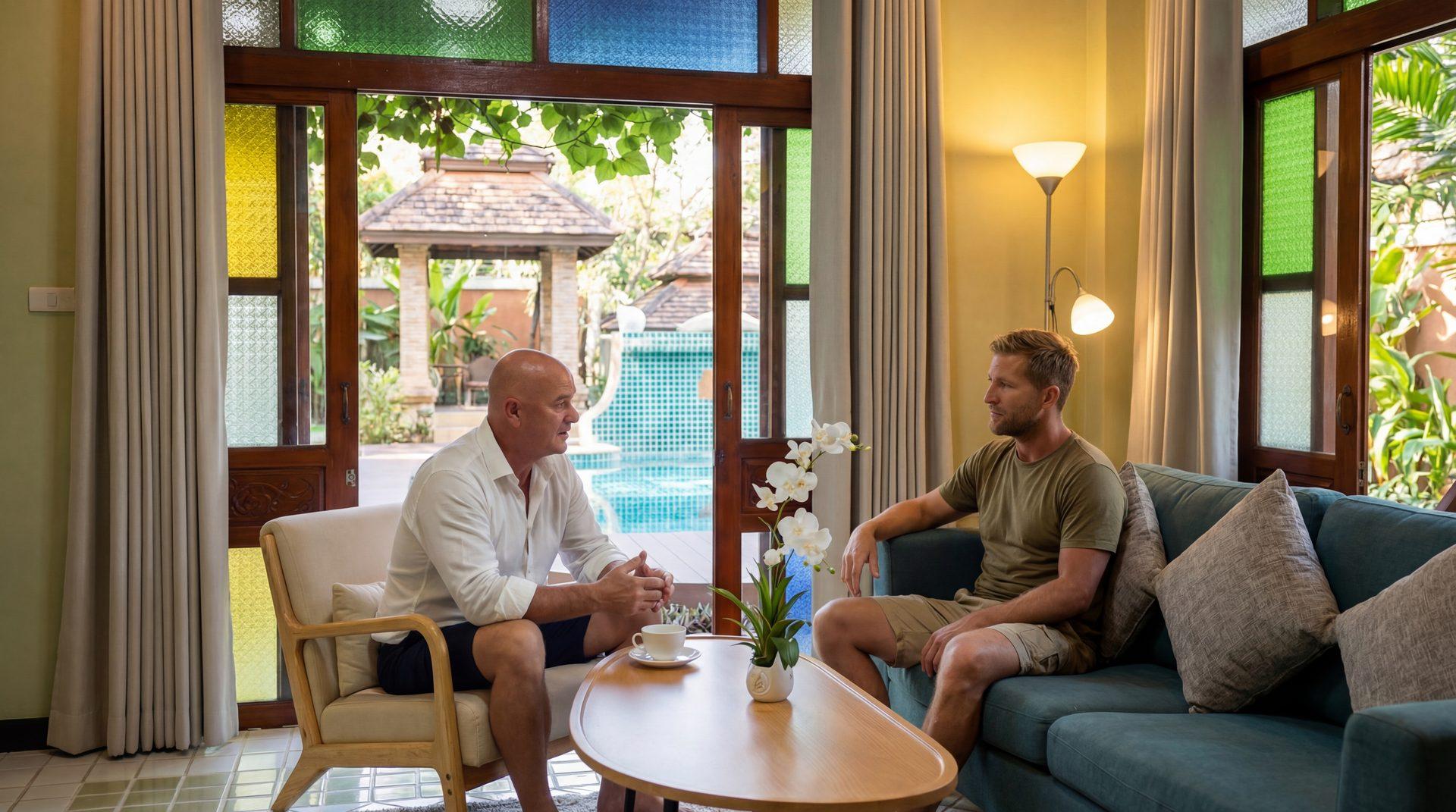
Jintara treats cocaine, ice and methamphetamine addiction, and prescription stimulants including Adderall and Ritalin as part of its drug addiction treatment work in Chiang Mai. All three are central nervous system stimulants with distinct pharmacological profiles. NIDA's cocaine research states that snorted cocaine's high may last from 15 to 30 minutes, and that the high from smoking may last only 5 to 10 minutes. Methamphetamine and prescription stimulants last longer than that short cocaine window. Jintara tailors treatment intensity to drug class and severity.
- Cocaine: A short-acting stimulant with effects lasting 15 to 30 minutes. Cocaine users who combine stimulants with alcohol face elevated cardiac risk.
- Methamphetamine (ice): The most potent stimulant, with effects lasting 8 to 12 hours and more severe dopamine damage. Methamphetamine inhibits monoamine oxidase (MAO), creating prolonged dopamine flooding. Some stimulant users develop meth-induced psychosis, one of the most serious psychiatric complications of heavy methamphetamine use.
- Prescription stimulants: Produce amphetamine dependence when used beyond prescribed doses. Substance abuse involving stimulants poses high risk to physical health and the body over time.
Many clients arrive at Jintara using more than one substance. The clinical team assesses each case individually to build a treatment plan that addresses all dependencies.

How Do Cocaine, Methamphetamine, and Prescription Stimulants Compare Clinically.
Cocaine produces short 15-to-30-minute dopamine surges with cardiac risk when mixed with alcohol or other depressants. Methamphetamine causes prolonged 8-to-12-hour dopamine flooding with the highest psychosis risk among stimulants. Prescription stimulant dependence builds gradually out of escalating doses of Adderall or Ritalin. NIDA's methamphetamine research confirms behavioural therapy is the primary effective intervention across all three because no pharmacological solution exists. Jintara adapts program length to drug class.
- Cocaine, 15 to 30 minutes duration: Short-acting dopamine surge. Cardiac risk increases with repeated use, especially when combined with alcohol. Detox is typically 3 to 5 days. Treatment focuses on CBT and contingency management to break binge patterns.
- Methamphetamine, 8 to 12 hours duration: Prolonged dopamine flooding with MAO inhibition. Highest psychosis risk among stimulants. Detox takes 5 to 7 days with severe fatigue. Treatment requires longer inpatient stays and trauma-focused therapy due to neurotoxic damage.
- Prescription stimulants (Adderall, Ritalin), 4 to 6 hours duration: Gradual dependence from escalating prescribed doses. Detox takes 5 to 14 days with cognitive fog. Treatment addresses the underlying condition (often ADHD) alongside dependence, sometimes transitioning to non-stimulant alternatives.
All three categories are treated at Jintara with behavioural therapies as the primary modality because no pharmacological solution currently exists for stimulant use disorder.

Where Your Treatment Hours Go Each Week
Based on 65–70 hours of structured therapy per 30 days. Most rehabs provide 10–15 hours over the same period.
How Does Jintara Treat Stimulant Addiction Without Medication.
Jintara treats stimulant addiction without medication because no FDA-approved drugs exist for stimulant use disorder. NIDA's methamphetamine research identifies cognitive behavioural therapy, contingency management, and motivational interviewing as the evidence-based core of stimulant treatment. Jintara applies this through a structured 30-day program, adding EMDR for trauma histories and prescribed fitness for dopamine restoration.
- CBT: Focuses on treating stimulant use behaviours and thought patterns. Patients receive 50-minute individual sessions twice per week.
- Contingency management: Provides structured rewards for engagement in Jintara’s inpatient program.
- Motivational interviewing: Helps patients identify changes regarding stimulant use and mental health goals.
- EMDR: Trauma-focused EMDR therapy is available for 60-day clients dealing with unresolved trauma.
- Prescribed fitness: High-intensity interval training to stimulate natural dopamine, helping patients cope with life without stimulant drugs.
- Group therapy: Runs on a four-week rotating SMART Recovery curriculum in a structured environment.
Stimulant addiction frequently co-occurs with depression, anxiety, or PTSD. Jintara’s psychiatrist works alongside therapists to address co-occurring mental health conditions within the same treatment timeline.

Why Is Stimulant Detox Different From Alcohol or Opioid Detox.
Stimulant detox is different because stimulant withdrawal is primarily psychological, not medically dangerous. Unlike opioid dependence, which requires monitored medication taper, stimulant withdrawal does not carry seizure risk. NIDA's cocaine research confirms that as stimulant use stops, negative mood, anhedonia, and intense cravings emerge as the brain's reward pathway restores sensitivity, the same pattern set out in methamphetamine withdrawal. Jintara's nursing team monitors around the clock to support mood and safety.
- Depression and anhedonia
- Increased appetite
- Disturbed sleep and mood swings
- Intense cravings that persist for months
Detox typically lasts up to a week, but psychological symptoms can persist for months. Jintara’s nursing staff monitor clients around the clock.
“Many people think they do the detox and they are done, and what they haven’t done is figured out what needs to change in their lives. Then inevitably, sooner or later, you will go back.
What Happens After Stimulant Treatment Ends.
After stimulant treatment ends, aftercare shifts to ongoing therapy, support groups, fitness continuation, and a written relapse-prevention plan. NIDA's treatment overview describes residential programs that include referrals to continuing care on discharge, and notes that people may need long-term or multiple episodes of treatment. Jintara begins aftercare planning in Week 1 and coordinates referrals to health professionals in the client's home country.
- Support groups: Narcotics Anonymous, Cocaine Anonymous, Crystal Meth Anonymous, SMART Recovery programs.
- Outpatient treatment options: Continued therapy and psychiatric support after discharge.
- Relapse prevention strategies: Written plan addressing triggers, routines, and high-risk situations.
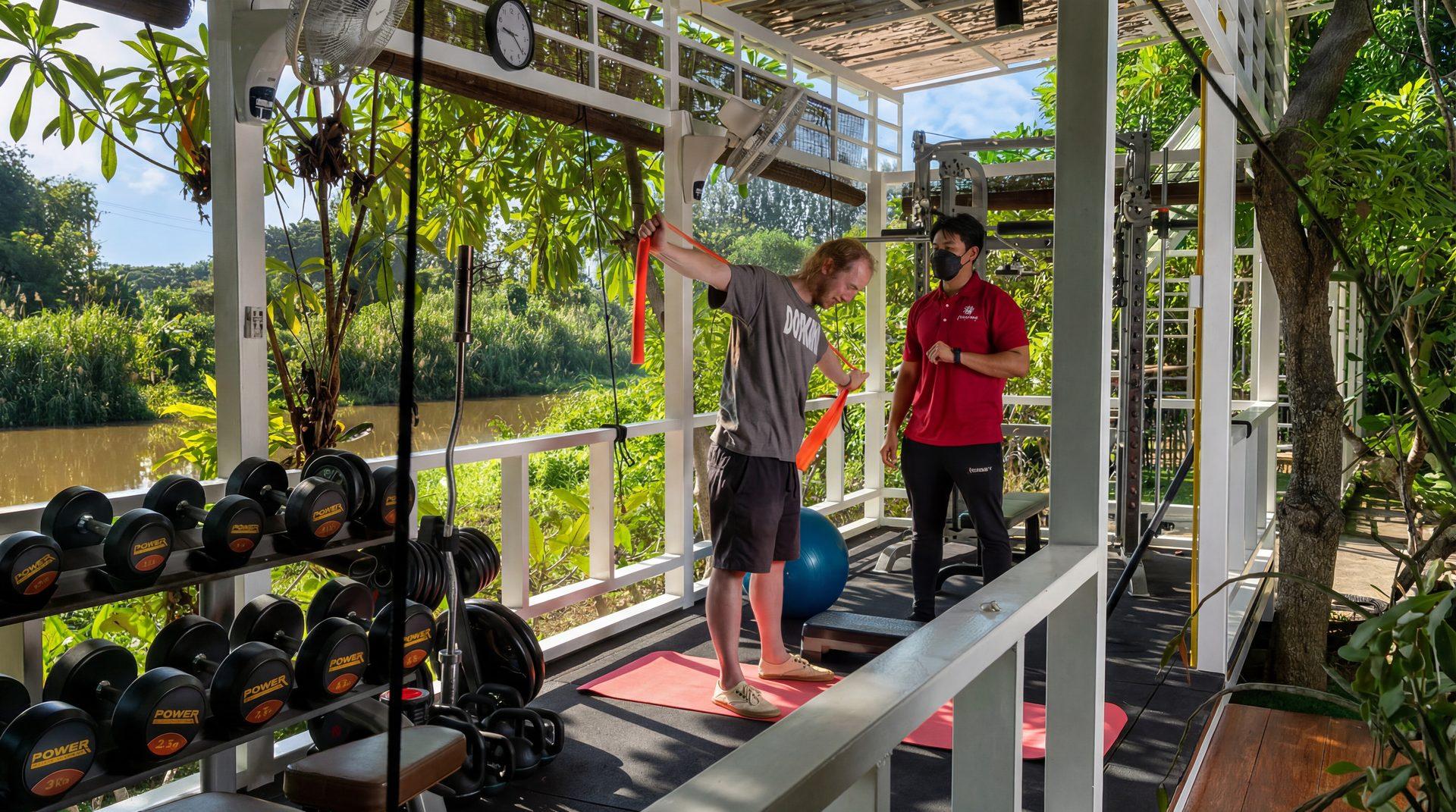
- Fitness continuation: Maintained sleep, continued exercise, and new social connections replace routines built around stimulant drug use.
Outpatient programs and ongoing support help individuals cope with life after treatment and manage triggers that lead to relapse.



Why Choose Jintara for Stimulant Addiction Treatment in Thailand.
Jintara is a stimulant addiction program in Chiang Mai delivering twice-weekly individual therapy, daily group therapy, and prescribed fitness led by a sports-science specialist. Therapy intensity, small-group structure, and adjunctive exercise are key structural features of Jintara's stimulant care. Jintara's thirty-two-staff, ten-client model supports that level of intensity.
For a family choosing from overseas where no medication can bridge the gap, therapy quality is the only assurance that matters. The national authority that assesses Thailand's hospitals independently reviewed Jintara's clinical standards and confirmed they satisfy the same hospital-grade accreditation criteria. One of only six private rehabs in Thailand to have passed that independent review, and still small enough for the clinical team to know your son by name.
- Twice-weekly therapy: Patients in dopamine-deficit depression cannot maintain momentum with weekly sessions alone. Darren Lockie and the clinical team set this frequency based on observed client outcomes.
- 32 staff, 10 clients: Attention that larger inpatient programs at other treatment centres cannot match.
- Prescribed exercise: Tong (sports science background) prescribes exercise for dopamine restoration via the fitness and nutrition program rather than offering optional gym access.
Jintara is located in Chiang Mai, surrounded by mountains and away from the triggers of city life. The environment supports the recovery process from day one.
“We tell people what we specialise in, we tell them what we don’t do, and we refer them to rehabs that might be a better fit.

Talk with Our Admissions Team
Your enquiry is confidential and goes only to our admissions team.
Common Questions About Stimulant Addiction Treatment
Stimulant addiction is compulsive use of stimulants (cocaine, methamphetamine, prescription stimulants) despite harmful consequences. The brain’s dopamine system adapts to stimulants and cannot function normally without them.
Signs include heightened alertness followed by crashes, decreased appetite, mood swings, rapid heart rate, sleep disturbance, taking larger doses of stimulants over time, and inability to stop drug use. Jintara treats a range of substance addictions and the admissions team can help identify whether stimulant dependence is the primary concern.
Acute detox from stimulants typically lasts up to a week. People addicted to cocaine have shorter detox times than those addicted to methamphetamine or prescription stimulants. Psychological symptoms from stimulant abuse can persist for months. Jintara’s medical detox program provides 24/7 nursing support throughout this phase.
No approved medications exist specifically for stimulant use disorder according to the National Institute on Drug Abuse. Behavioural therapies including contingency management and CBT are the most effective treatments for stimulant addiction. Supportive drugs may address depression and anxiety during withdrawal.
Contingency management provides tangible rewards for maintaining abstinence from stimulants and engaging in treatment programs. Research confirms these, combined with motivational interviewing, are among the most effective treatments for stimulant use disorder.
Dopamine restoration takes months while cravings persist from day one. Patients have no pharmacological support unlike opioid clients, making inpatient therapy and fitness programs critical during early recovery from stimulants.
Cocaine effects last 15 to 30 minutes. Methamphetamine effects last 8 to 12 hours with more severe dopamine damage and higher psychosis risk. Both stimulants affect behaviour differently and are treated with behavioural therapies with different emphasis.
Jintara recommends a minimum 30-day program for stimulant addiction. Cocaine and methamphetamine dependence benefits from 30 to 60 days. Longer inpatient programs produce stronger foundations for life because dopamine recovery takes months.
Jintara’s clinical team does not encourage remote work during the first two weeks of treatment because stimulant withdrawal causes concentration difficulties and emotional instability. After stabilisation, limited remote work may be discussed with your therapist on a case-by-case basis. Many executive clients arrange leave before arriving.
Jintara does not contact employers or share client information with any third party. Treatment records are confidential. Many clients tell their employer they are taking medical leave or a personal sabbatical. Jintara can provide a general medical certificate if needed.
Jintara’s psychiatrist assesses whether prescription stimulant use has crossed into dependence. Some clients with ADHD benefit from non-stimulant alternatives during and after treatment, and the clinical team works with your prescribing doctor to manage any transition safely.
Yes. Concurrent cocaine and alcohol use is common among Jintara’s clients. Treatment addresses both substances simultaneously because alcohol often triggers cocaine cravings. Medical detox covers alcohol withdrawal while behavioural therapy targets stimulant dependence patterns.
Jintara holds joint accreditation from three national bodies: the Healthcare Accreditation Institute (HAI), the Princess Mother National Institute on Drug Abuse Treatment (PMNIDAT), and the Department of Medical Services, Ministry of Public Health. Certificate 25/2569 is valid from 20 May 2026 to 19 May 2029. Jintara is one of only six private rehabs in Thailand to have been independently assessed to this hospital-grade clinical standard.
The Healthcare Accreditation Institute applies the same assessment framework to Jintara that it uses when inspecting Thailand's hospitals. This covers clinical staff qualifications, medication handling, care protocols, and 24-hour nursing standards. For stimulant addiction where no approved medication exists and therapy quality is the only treatment variable, having those clinical standards independently verified provides families with an objective basis for comparison that goes beyond what any rehab can claim about itself.
Independently Verified
Jintara is accredited against Thailand’s national quality standard for drug treatment and rehabilitation facilities, jointly certified by the Healthcare Accreditation Institute, the body that accredits Thailand’s hospitals, with the Princess Mother National Institute on Drug Abuse Treatment and the Department of Medical Services, Ministry of Public Health. Certificate no. 25/2569, valid 20 May 2026 to 19 May 2029.