

Cannabis dependency is real, frequently underestimated, and clinically treatable.
Many people seeking help for cannabis use are told there is not a real problem. There is. Cannabis use disorder is a recognised clinical condition, and at Jintara, drug and alcohol treatment in Chiang Mai includes a dedicated approach to cannabis dependency that addresses withdrawal, underlying mental health, and the behavioural patterns that sustain use.


Fully Licensed and Hospital Accredited
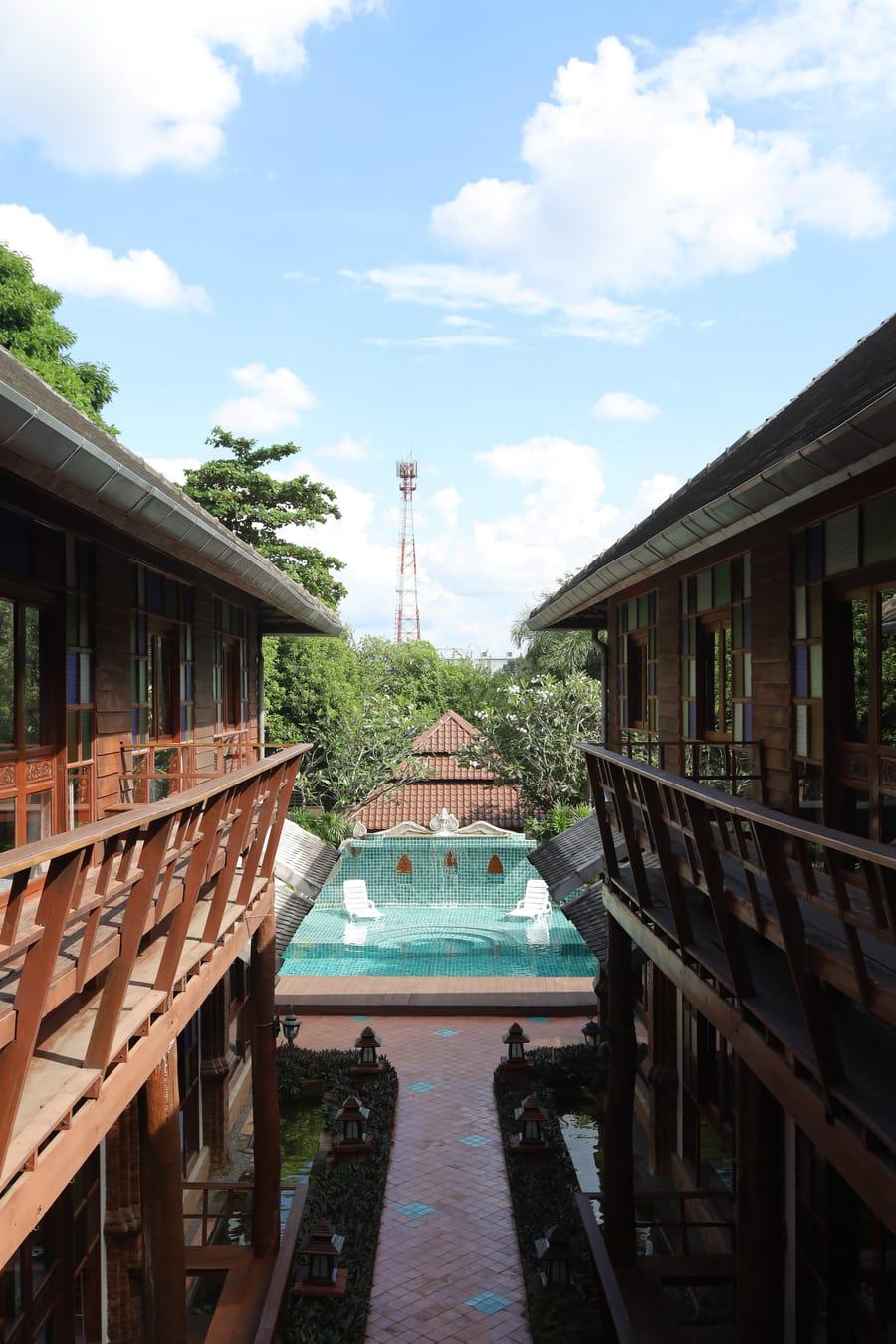
Cannabis use disorder is the loss of reliable control over cannabis use despite negative consequences.
Cannabis use disorder is the loss of reliable control over cannabis use despite negative consequences. Approximately one in ten people who use cannabis regularly will develop cannabis use disorder, according to research from the National Institute on Drug Abuse. That figure rises to roughly one in six for those who begin using as adolescents. The perception that cannabis is not genuinely addictive is one of the most common barriers to people seeking treatment.
Cannabis use disorder exists on a spectrum. At the milder end, a person notices they are using more than they intended and that stopping is more difficult than expected. At the more severe end, cannabis use has reorganised daily life, finances, relationships, and mood around continued access to the drug. Most people who seek treatment sit somewhere in the middle: functional enough to keep working but privately aware that their relationship with cannabis has moved beyond choice.
The clinical diagnosis does not require daily use or a dramatic loss of control. It requires a consistent pattern in which the desire to stop or cut back exists but proves repeatedly difficult to act on. Cannabis is one of a range of substance use disorders treated at Jintara, sitting within a broader landscape of substance dependency that spans alcohol, opioids, stimulants, and prescription medications, as well as kratom dependence, which requires the same opioid-class detox approach despite its legal status.
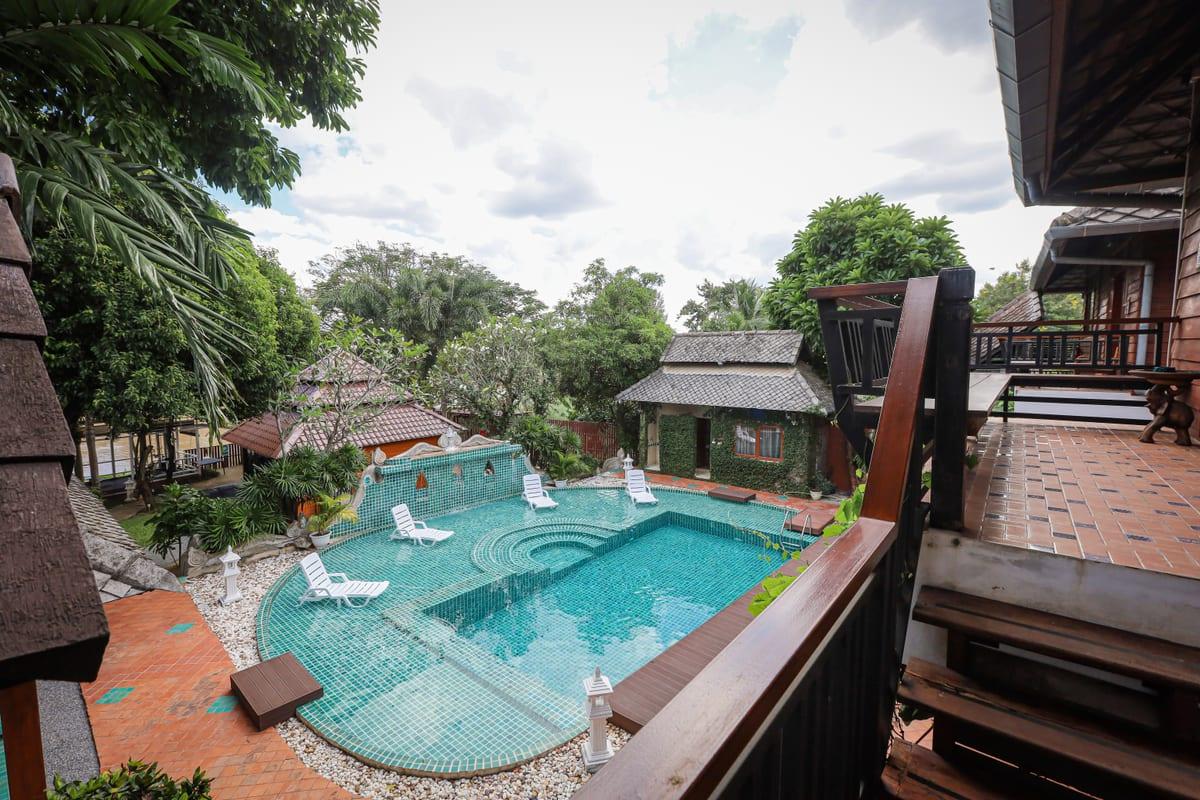
Modern cannabis products contain significantly higher THC concentrations than those available a decade ago.
Modern cannabis products contain significantly higher THC concentrations than those available a decade ago, and the speed at which dependency develops reflects that change. Cannabis sold in legal markets in the United States, Canada, and Australia now routinely tests above 20 percent THC. Extracts, waxes, and vape cartridges frequently exceed 60 to 90 percent. In the 1990s, the average THC content of seized cannabis in the United States was below 4 percent.
This matters clinically because THC concentration directly affects how quickly the brain's reward system adapts to the drug. Higher concentrations mean faster tolerance development, stronger withdrawal contrast, and a more rapid shift from occasional use to dependent use. A person who started using cannabis socially at 18 and finds themselves dependent at 28 may be using a substance that is pharmacologically quite different from what they began with.
The brain's dopamine system does not distinguish between 'just cannabis' and other substances. Repeated high-dose THC exposure produces measurable changes to dopamine receptor density, to the default mode network, and to the brain regions that regulate motivation, planning, and emotional regulation. These changes do not resolve on the day a person stops using. They resolve over weeks and months of abstinence, which is part of why stopping feels so unrewarding in the early weeks.
Alcohol and other substance dependencies involve similar neurological processes, and clients at Jintara frequently present with more than one substance use issue alongside their cannabis dependency.
NIDA
Cannabis withdrawal typically includes irritability, sleep difficulties, decreased appetite, restlessness, and depressed mood. These symptoms are not life-threatening, but the cannabis withdrawal timeline shows they peak in the first days and are a primary driver of relapse in the first two weeks. Preparing for that arc is what makes it manageable.

Cannabis withdrawal produces real physical and psychological symptoms that peak in the first week.
Cannabis withdrawal produces real physical and psychological symptoms that peak within the first week and typically resolve within two weeks, though psychological cravings and sleep disturbance can persist for several weeks beyond that. The withdrawal profile includes irritability, anxiety, restlessness, insomnia, reduced appetite, low mood, and in some people, mild sweating and headaches. Symptoms are not medically dangerous in the way that alcohol or benzodiazepine withdrawal can be, but they are genuinely uncomfortable and are a primary driver of relapse in the early days of stopping.
The insomnia component deserves particular attention. Cannabis suppresses REM sleep. Regular users often describe sleeping well on cannabis and catastrophically poorly when they try to stop. This is a pharmacological effect: the brain has adapted to the presence of THC as a sleep aid, and when that is removed, sleep architecture takes time to normalise. Expecting to sleep poorly for the first one to two weeks, and having clinical support through that period, is considerably more effective than attempting to manage it alone.
Appetite changes are also consistent and can be significant. Cannabis stimulates appetite through its effect on the endocannabinoid system. When use stops, appetite suppression is common and can compound the low mood and irritability of the first week. Medically supervised detox at Jintara provides 24-hour nursing care through this period, structured meals, and clinical monitoring to keep clients safe and as comfortable as possible during early withdrawal. Many families making this decision are doing it from overseas, unable to visit the facility or meet the clinical team. You should not have to rely on marketing language alone to trust that the care environment is safe. Jintara's nursing protocols and withdrawal monitoring have been independently assessed against the accreditation standard used for Thailand's hospitals and confirmed to meet it, by all three of the national bodies that evaluate and certify the country's medical facilities.





Jintara's approach to cannabis treatment is behavioural, structured, and built around understanding what the drug was replacing.
Jintara's approach to cannabis treatment is behavioural, structured, and built around understanding what the drug was replacing before addressing how to replace it more effectively. The clinical philosophy at Jintara does not use medication substitution for cannabis dependency. The treatment is entirely psychological and behavioural, delivered through individual therapy, group sessions, psychiatric assessment, and structured daily activity.
- Individual therapy: Drawing on cognitive behavioural therapy, motivational interviewing, and trauma-informed methods where relevant. The technique is integrated throughout individual sessions, helping clients connect with their own reasons for change rather than being instructed toward externally imposed goals.
- Day-two medical assessment: A full blood panel including liver function tests, kidney function tests, and a chest X-ray conducted at Jintara's expense at a partner hospital in Chiang Mai. For clients who have smoked cannabis, the chest X-ray provides a baseline pulmonary assessment. Where relevant, a psychiatric review considers whether underlying anxiety or depression requires supportive medication during treatment.
- Whole-person clinical approach: Informed by 15 years of clinical experience running addiction treatment programs, the approach at Jintara treats the whole person rather than the substance in isolation. The link to Darren Lockie's clinical background is reflected in how cannabis dependency is assessed and treated from the first day of the program.
Cannabis clients at Jintara frequently arrive with significant ambivalence about whether they genuinely want to stop or merely want to use less. Motivational interviewing is particularly suited to this presentation, meeting the client where they are rather than demanding a commitment they have not yet reached.
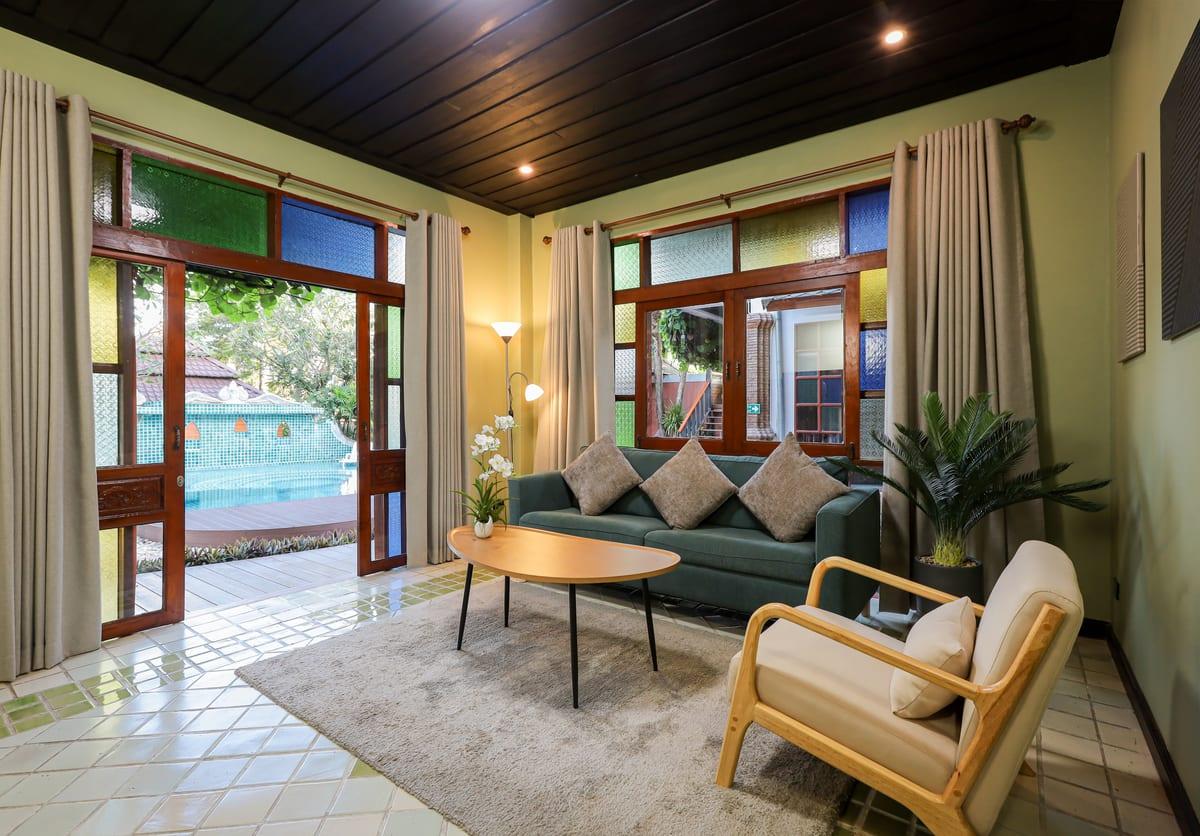
NIMH
Anxiety disorders frequently co-occur with substance use disorders.
Source: NIMH. Co-Occurring Substance Use and Mental Disorders
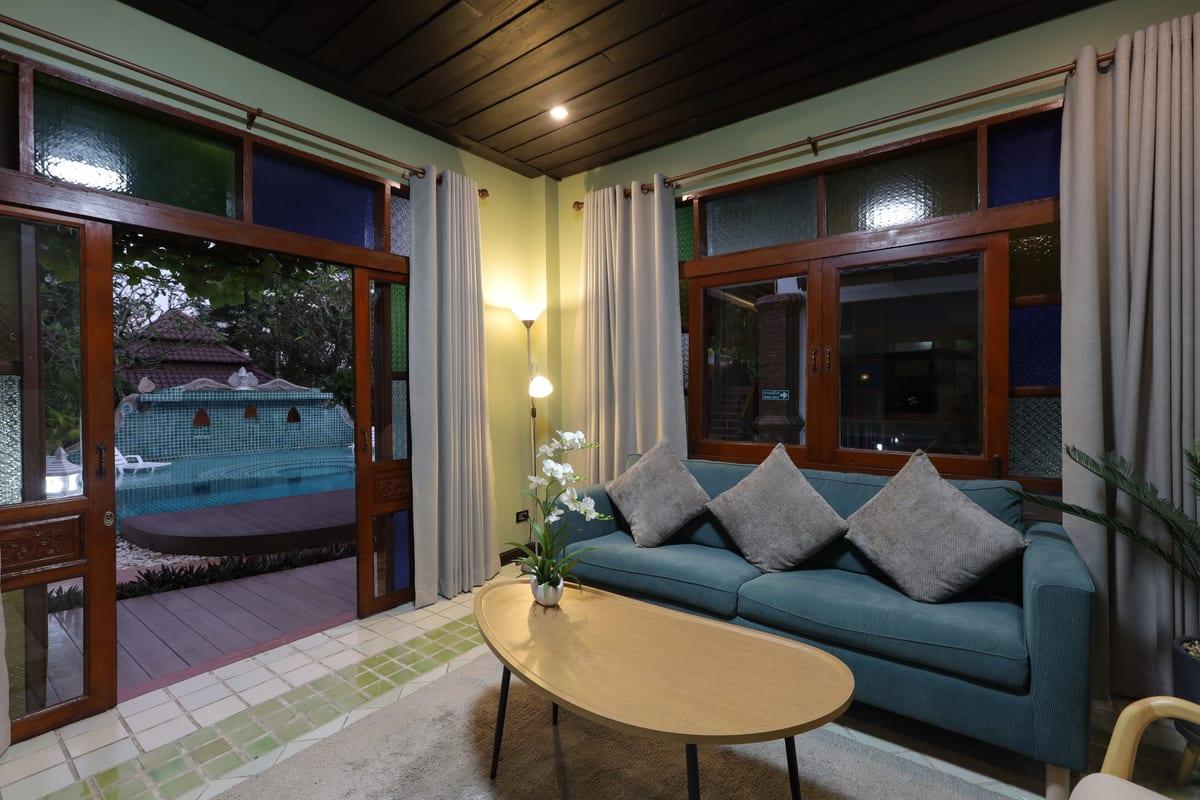
Most people using cannabis regularly to manage anxiety or poor sleep are treating an underlying condition.
Most people using cannabis regularly to manage anxiety or poor sleep are treating an underlying condition rather than simply choosing a recreational substance. This self-medication pattern is one of the most consistent presentations in clinical practice. Darren Lockie, who has worked in addiction treatment for 15 years, observes that clients often come to Jintara having used cannabis to manage anxious thinking, social discomfort, or persistent low mood for so long that they no longer perceive it as self-medication. They describe it as how they function.
This matters because treating cannabis dependency without addressing the underlying anxiety, depression, or sleep disorder that cannabis was managing tends to produce short-lived results. If the substance was doing a functional job, its absence leaves that job undone. The person stops using, feels worse than expected, and returns to cannabis because it works, at least in the short term.
Research consistently shows that cannabis use disorder and anxiety disorders are highly co-occurring conditions. The relationship runs in both directions: anxiety predisposes people to using cannabis as a coping strategy, and prolonged heavy cannabis use worsens anxiety over time, particularly at high THC doses. This bidirectional relationship is one reason the clinical approach at Jintara always includes a psychiatric assessment in the first week of treatment.
Co-occurring mental health and substance use is addressed across Jintara's full clinical program, not as a secondary consideration but as an integrated part of how treatment is structured from the first day.
“They don't always know that they have underlying mental health problems, that they're self-medicating with drugs or alcohol. The cannabis is often the most recent layer, not the original problem.

Stopping cannabis alone is harder than most people expect, and the reasons are neurological and behavioural.
Stopping cannabis alone is harder than most people expect, and the reasons involve both neurological changes and the degree to which cannabis has become structurally integrated into daily life. The neurological component reflects how cannabis dependence forms in the brain, the dopamine system changes described above. When a person stops using cannabis after prolonged dependency, normal activities feel genuinely less rewarding for a period. This is not a character flaw or a lack of motivation. It is a temporary pharmacological state in which the brain has not yet recalibrated its baseline dopamine function.
The behavioural component is equally significant and is often underestimated. For many dependent cannabis users, the drug has become woven into the structure of the day. Morning use, use before social situations, use as a reward at the end of the day, use to initiate sleep. Each of these routines has associated cues, environments, and emotional states that trigger craving independently of the pharmacological withdrawal. Removing the substance without replacing those structures leaves a significant void that home environments make very difficult to manage.
A third factor is the social context. Unlike alcohol, cannabis use often occurs in private or within close social networks where use is normalised. People attempting to stop may find that their immediate social circle continues to use and that avoidance requires a level of social restructuring that is genuinely difficult to sustain without support.
Jintara's treatment program addresses all three of these components through individual therapy, group work, behavioural planning, and a structured residential environment that removes the cues and access that sustain dependent use.

Jintara's 30-day cannabis program addresses withdrawal, underlying mood, and the behavioural restructuring needed for lasting change.
Jintara's 30-day cannabis program addresses withdrawal, underlying mood, and the behavioural restructuring needed for lasting change. The first week focuses on managing physical withdrawal symptoms and establishing a clinical baseline. Nursing care is available around the clock. The psychiatric assessment in the first days identifies any co-occurring conditions that require attention. Sleep support is provided, and clients are encouraged to expect that poor sleep in the first days is part of the process rather than a sign that something is wrong.
From week two, individual therapy moves into deeper work on the patterns, beliefs, and emotional states that sustained cannabis use. Group sessions provide a structured setting in which clients can hear from others with similar experiences. For clients whose cannabis use developed in response to trauma, EMDR therapy is available where clinically indicated. Holistic elements including fitness, nutrition, and mindfulness-based activities form part of the daily schedule and are particularly relevant for cannabis clients whose dopamine system is in the early stages of recalibration.
The final week focuses on preparation for returning to life outside treatment. This includes aftercare planning, identification of the high-risk situations that are most likely to challenge sobriety, and where possible, connection with an appropriate ongoing support structure at home. Jintara provides eight weeks of aftercare support following the residential program, including access to group Zoom sessions. The 30-day residential program can be extended to 60 days for clients with complex co-occurring conditions where the clinical team considers the additional time warranted. Clients whose cannabis use occurs alongside gambling or compulsive shopping patterns are also assessed for these through Jintara's process addiction treatment framework during the clinical intake.
Taking the first step toward cannabis treatment is a single conversation with no clinical judgment and no obligation.
Taking the first step toward cannabis treatment is a single conversation with no clinical judgment and no obligation. Many people considering treatment for cannabis dependency carry a particular uncertainty: whether their use is serious enough to warrant residential treatment, or whether seeking help for cannabis specifically will be met with dismissal. Neither concern is warranted at Jintara. Cannabis use disorder is treated with the same clinical rigour and respect as any other substance dependency.
The initial assessment conversation at Jintara is conducted by Darren Lockie or a member of the clinical team. It covers what is currently happening, what has been tried previously, and whether Jintara's program is likely to be the right fit. Darren has described this process as a clinical conversation rather than a sales call. If Jintara is not the right fit, he will say so and, where possible, suggest what might be.
If treatment is appropriate and the client decides to proceed, the admissions process is designed to be straightforward and discreet. Transport from Chiang Mai airport can be arranged. The first days are structured to be as comfortable as possible while the clinical team builds a detailed picture of the person and their needs. Cannabis dependency does not resolve through willpower or reduced use strategies. The structural and neurological changes that sustain it require a sustained clinical response. The admissions process at Jintara begins with an assessment conversation, and Jintara's fees and what is included in the residential program are outlined clearly, with no hidden costs. Jintara has treated adults with cannabis dependency from the UK, Australia, Singapore, and across Southeast Asia.

Talk with Our Admissions Team
Your enquiry is confidential and goes only to our admissions team.
Common Questions About Cannabis Addiction Treatment in Thailand
Yes. Jintara holds joint accreditation from the Healthcare Accreditation Institute (HAI), the Princess Mother National Institute on Drug Abuse Treatment (PMNIDAT), and the Department of Medical Services, Ministry of Public Health. Certificate 25/2569 is valid from May 2026 to May 2029. Jintara is one of only six private rehabs in Thailand to hold this accreditation, which is assessed against the same clinical standard applied to the country's hospitals.
Yes. Cannabis use disorder is a clinically recognised condition. Approximately one in ten people who use cannabis regularly will develop it, and the figure is higher for people who start using as adolescents. The common belief that cannabis is not addictive reflects older research conducted when cannabis potency was significantly lower than it is today. Current THC concentrations produce dependency more reliably than the cannabis of two decades ago.
Cannabis withdrawal typically includes irritability, anxiety, restlessness, insomnia, reduced appetite, and low mood. Mild physical symptoms including sweating and headaches are also common. Symptoms are not medically dangerous in the way that alcohol or benzodiazepine withdrawal can be, but they are uncomfortable and are a primary driver of early relapse. The insomnia component is often more severe than people anticipate.
The most acute physical symptoms of cannabis withdrawal typically peak within the first two to four days and resolve within one to two weeks. Sleep disturbance and psychological cravings can persist beyond the two-week physical resolution period, sometimes for several weeks. The timeline varies depending on how long and how heavily the person has been using.
The difficulty of stopping cannabis is largely behavioural and neurological rather than physically dangerous. Cannabis becomes woven into daily routine, mood management, and sleep initiation. When use stops, those functional roles are unfilled simultaneously. The dopamine system is also temporarily recalibrated from prolonged use, making normal activities feel less rewarding during early abstinence. This is temporary, but it is a genuine and often underestimated challenge.
Many people attempt to stop cannabis at home and succeed for short periods before returning to use. Whether residential treatment is appropriate depends on the duration and intensity of use, the presence of co-occurring mental health conditions, previous attempts to stop, and the degree to which the home environment supports or hinders change. For people who have made multiple previous attempts, or where underlying anxiety or depression is significant, residential treatment offers a structured break from the cues and access that sustain dependent use.
Yes. Cannabis dependency frequently co-occurs with anxiety, depression, and in some cases trauma. Jintara's clinical program includes psychiatric assessment, individual therapy, and where appropriate, EMDR for clients whose cannabis use developed in response to specific traumatic experiences. Co-occurring conditions are not treated as a separate program; they are integrated into the standard 30-day residential structure.
The first week at Jintara focuses on managing withdrawal symptoms, establishing a clinical baseline, and completing the day-two medical assessment at a partner hospital in Chiang Mai. A psychiatric assessment is conducted early in the first week. Nursing care is available around the clock. The schedule is structured but not intensive in the first days, giving the person time to adjust and allowing the clinical team to develop an accurate picture of what treatment needs to address.
Independently Verified
Jintara is accredited against Thailand’s national quality standard for drug treatment and rehabilitation facilities, jointly certified by the Healthcare Accreditation Institute, the body that accredits Thailand’s hospitals, with the Princess Mother National Institute on Drug Abuse Treatment and the Department of Medical Services, Ministry of Public Health. Certificate no. 25/2569, valid 20 May 2026 to 19 May 2029.