

Safe benzodiazepine detox takes months, not days.
Benzodiazepine withdrawal is one of the two substance classes where stopping without medical supervision can be fatal. Jintara provides a gradual, psychiatrist-guided taper alongside concurrent therapy, with 24/7 nursing and a clear pathway if complications arise. If you or someone close to you is dependent on benzodiazepine addiction treatment, read this page before making any decisions about stopping.
- Medically supervised taper over 2-3 months, never abrupt cessation
- 24/7 awake nursing with hospital escalation pathway ready
- Therapy runs alongside the taper from day one
- Rebound anxiety is expected and managed with clinical support


Fully Licensed and Hospital Accredited
Benzodiazepine withdrawal is a medical emergency without supervision.
Benzodiazepine detox is the medically supervised dose-reduction process that prevents life-threatening withdrawal complications. It is one of only two substance classes, alongside alcohol, where abrupt cessation risks triggering grand mal seizures, per SAMHSA's TIP 45 chapter on physical detoxification. This is not a matter of willpower or severity of dependence. Even people on prescribed therapeutic doses for several years face genuine seizure risk if they stop without a supervised medical detox taper.
Benzodiazepines work by increasing activity at receptors for gamma-aminobutyric acid (GABA), the brain's inhibitory neurotransmitter (NIDA's overview of CNS depressants). When benzos are taken consistently, the brain adapts by reducing its own GABA sensitivity. Remove the benzos abruptly, and the GABA system collapses into a state of hyperexcitability. Seizures are not a rare outlier, and the day-by-day benzo withdrawal timeline maps exactly when the danger peaks. Clinicians note that seizure-level symptoms can emerge during abrupt or rapid withdrawal, with risk peaking between days two and eight depending on whether the substance was short-acting or long-acting.
Jintara does not attempt home-style tapers or rapid detox schedules. The medical position is categorical: supervised gradual taper, every time.
There is no equivalent to CIWA-Ar for benzodiazepines.
For alcohol withdrawal, clinicians use the Clinical Institute Withdrawal Assessment for Alcohol, Revised (CIWA-Ar) to score severity and guide medication decisions. For opioid withdrawal, the Clinical Opiate Withdrawal Scale (COWS) serves the same function. Benzodiazepine addiction has no validated equivalent scoring tool. The medication protocols page explains how CIWA-Ar and COWS drive dose decisions in practice at Jintara.
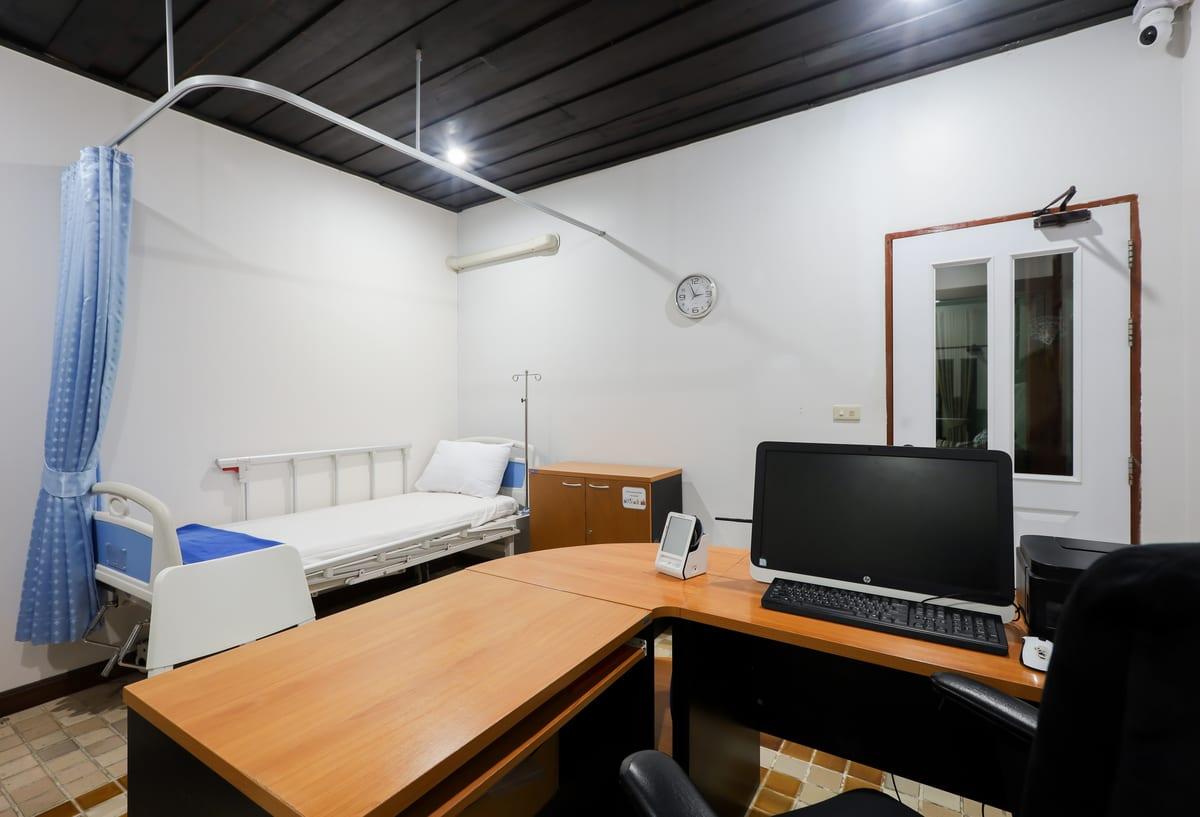
This matters because it removes the objective benchmark that makes alcohol and opioid detox easier to manage. Benzo withdrawal is assessed through clinical observation: vital signs, neurological presentation, symptom reporting, and nursing judgment built on experience. The psychiatrist sets the initial taper schedule based on which substance the client is using, the dose, and how long they have been on it. Adjustments are made through ongoing observation, not a score on a form.
This is one of the reasons Khun Khwan, Jintara's Head Nurse, describes benzo detox as harder than alcohol in her clinical experience. The monitoring demands are higher, the course is longer, and the absence of a scoring tool means every clinical decision relies on the team reading the client directly.
Jintara's taper protocol reduces dose gradually over two to three months.
The safe benzodiazepine taper approach at Jintara is set by the on-call psychiatrist, who is brought in on day one for every client presenting with benzodiazepine dependence. The protocol is built on two principles: no abrupt cessation, and no race to get to zero.
Taper rates are typically 10-15% dose reduction per week, adjusted based on how the client is tolerating each step. Where a client is dependent on a short-acting benzodiazepine such as Xanax (alprazolam) or Ativan (lorazepam), the psychiatrist may substitute an equivalent dose of a longer-acting agent such as Valium (diazepam) before beginning the taper. The slower pharmacokinetics of long-acting benzos mean that plasma levels stay more stable during each reduction step, reducing the risk of breakthrough symptoms.
Longer-acting benzos such as Valium create slower dependence than short-acting agents but also produce slower, more prolonged withdrawal. Taper duration is adjusted accordingly. Two to three months is the clinical minimum. Some clients with multi-decade benzodiazepine histories require longer. Jintara is transparent about this timeline with clients and families from the first conversation.
Where a client has an EMDR therapy indication alongside benzo dependence, the trauma work is scheduled carefully around taper progress. EMDR requires a degree of neurological stability that is not present in acute withdrawal.

Rebound anxiety after the taper is expected and does not mean treatment has failed.
The anxiety that benzodiazepines were originally prescribed to manage does not disappear when the medication is stopped. It returns, and in the weeks immediately after reaching zero, it often exceeds the intensity the client experienced before they started benzos.
This rebound is a physiological consequence of prolonged GABA suppression, not a sign that the underlying anxiety disorder (NIMH on anxiety disorders) is untreatable without medication. The GABA system needs time to recalibrate. Clinical observation suggests this rebound window lasts approximately two to four weeks post-zero, and it is the highest-risk period for returning to benzo use.
Denise O'Leary, Jintara's Clinical Director, is direct about this when working with benzo clients: the anxiety they were medicating with benzos is going to come back, often intensified, and it needs to be met with non-pharmaceutical tools. The goal of concurrent therapy during the taper is to give clients those tools before the hardest week arrives, not after.

“The anxiety you were trying to manage with benzos is going to come back. We want you to have real tools for it before that happens, not a prescription that puts you back where you started.
Therapy starts on day one, not after the taper is complete.
Benzodiazepine dependence almost always develops alongside an anxiety disorder. The client was typically prescribed benzos because anxiety was real, disabling, and not being managed through other means. A taper that removes the medication without addressing the underlying anxiety produces a client who is benzo-free and still acutely anxious, per SAMHSA's guidance on co-occurring disorder treatment. The relapse risk in that position is very high.
At Jintara, therapy runs in parallel with the taper from day one. In the early days, when the client is most physically unsettled, the therapeutic work is stabilising rather than exploratory. Denise's approach in the first week focuses on distress tolerance: physiological techniques that reduce arousal without medication, and psychoeducation that normalises what the client is experiencing. The message is consistent. You are in a safe place. What you are feeling is expected. This is how it goes.
As the taper progresses and the client stabilises, the work deepens. Cognitive behavioural therapy for anxiety addresses the thought patterns and avoidance behaviours that maintained benzo dependence. SMART Recovery groups provide peer support from others going through the same process. For clients staying 60 days or longer, EMDR may be introduced if unresolved trauma underlies the anxiety that drove benzo use. For clients with a co-occurring anxiety disorder, our dual diagnosis treatment runs alongside the taper and the post-zero rebound window. The anxiety disorder and addiction treatment page covers how Jintara separates rebound anxiety from an underlying disorder.

Medical monitoring during benzo taper is more intensive than most people expect.
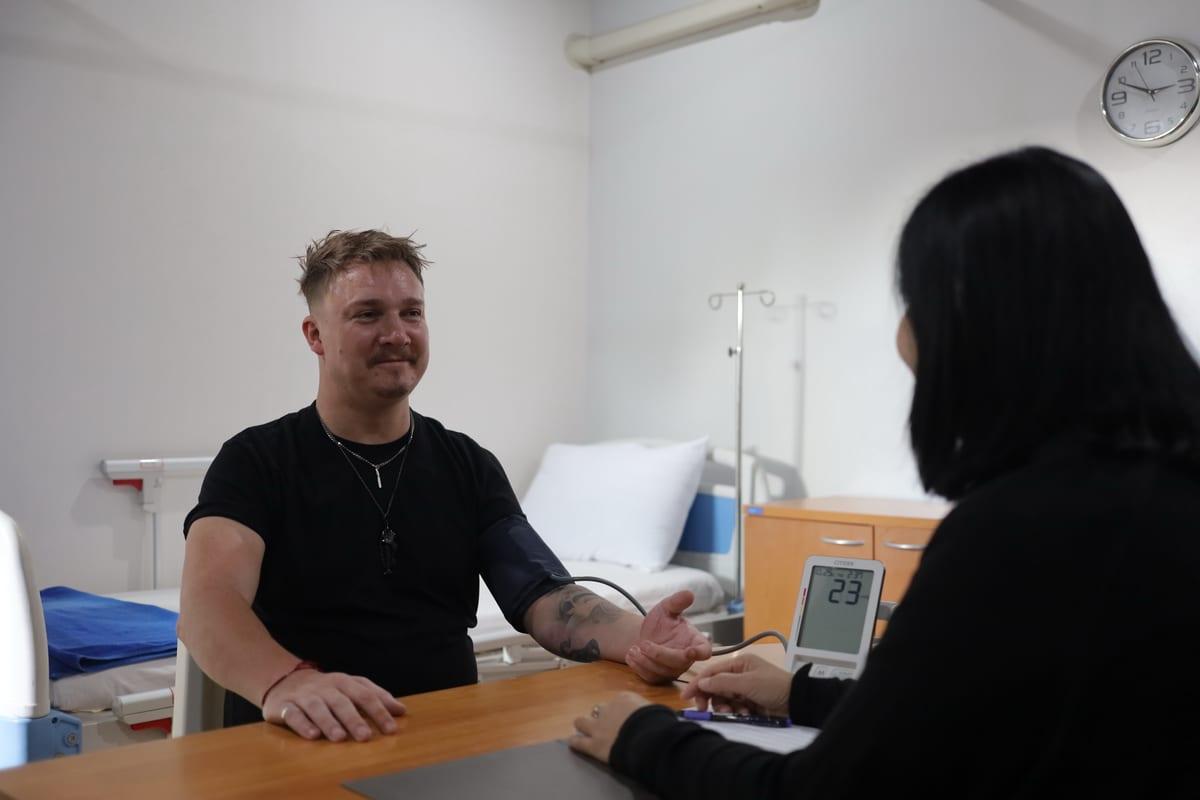
Jintara operates 24/7 awake nursing throughout each client's stay. This is not an on-call arrangement. During the active taper period, nurses conduct routine vital sign checks at regular intervals throughout the day and night, adjusting frequency based on where the client is in the taper and what their withdrawal assessment indicates.
Vital signs alone are not the whole picture. Khun Khwan, Jintara's Head Nurse, describes the monitoring approach as reading the client: watching for early signs of neurological agitation, changes in communication, restlessness, or rising blood pressure that signal the taper pace may need to slow. A client who looks increasingly withdrawn, is quick to irritation, or reports worsening headache gets a closer look before symptoms escalate.
If a client's clinical presentation deteriorates beyond what can be managed on-site, the escalation pathway goes directly to Bangkok Hospital Chiang Mai or RAM Hospital, both confirmed hospital partners with addiction medicine experience. The protocol for when to transfer is established before the client arrives. On day two of treatment, clients receive a full medical assessment at one of these partner hospitals: full blood panel, liver and kidney function, EKG, and chest X-ray. See what to expect in your first week of treatment.
Families asked to trust a facility from a distance need more than reassurance. The clinical protocols the nursing team follows were independently assessed against Thailand's hospital-grade national standard and confirmed to meet it. Certificate no. 25/2569, co-issued by the Healthcare Accreditation Institute, PMNIDAT, and the Department of Medical Services. Proven to the same bar as a Thai hospital, and still small enough for the night nurse to know your person's name before her shift begins.
Four weeks is rarely enough for benzodiazepine detox.
This is the counter-narrative the benzo client needs to hear before they commit to a program. Most standard residential programs are designed around a four-week model. For alcohol and many other substances, four weeks is a clinically meaningful period. For benzodiazepine dependence, it is often not long enough to complete the medical taper, let alone begin the deeper therapeutic work.
Jintara's clinical recommendation for clients with significant benzo dependence is an eight to twelve week stay. This is not a commercial positioning. It reflects the taper timeline itself: at 10-15% dose reduction per week, a client on a substantial dose cannot be safely at zero in four weeks without significant risk of breakthrough symptoms or relapse pressure.
The 30-day program at Jintara remains an option for clients with short histories of low-dose benzo use where the medical picture supports a faster taper schedule. For everyone else, the team is direct about the timeline from the first conversation. Extended stays are available, and the treatment program at Jintara is designed so that additional weeks are therapeutically productive, not just waiting time.

Deciding to stop benzos is the right decision. Starting safely is equally important.
The people who find this page have usually been thinking about stopping benzodiazepines for some time. Many have already tried to reduce on their own and found the withdrawal symptoms unmanageable, a first-hand encounter with why home benzodiazepine detox so often ends badly. Some have been told by other programs that their benzo dependence can be resolved in the first week. A small number arrive in genuine medical crisis.
Wherever a person is in that spectrum, the starting point at Jintara's benzodiazepine detox program in Chiang Mai is the same. A direct conversation with the admissions team about benzo history: what substance, what dose, how long, what prior attempts at stopping have looked like. That conversation shapes everything that follows.
Jintara does not offer post-detox maintenance medications such as naltrexone, acamprosate, or disulfiram. The program is designed to bring clients through the taper and the rebound window using clinical monitoring, concurrent therapy, and structured support. The goal is to leave having built genuine capacity to manage anxiety without medication, not to leave on a different prescription.
See program pricing for cost and extended stay information, or contact the admissions team to discuss your circumstances.


Talk with Our Admissions Team
Your enquiry is confidential and goes only to our admissions team.
Common Questions About Benzodiazepine Detox
Jintara holds joint accreditation from the Healthcare Accreditation Institute (the body that also accredits Thailand's hospitals), PMNIDAT, and the Department of Medical Services, Ministry of Public Health. Certificate no. 25/2569, valid to May 2029. For a benzodiazepine detox specifically, this means the nursing monitoring protocols, medication handling, and escalation procedures have been independently reviewed and confirmed to meet the national hospital-grade standard. It is one of only six private rehabs in Thailand to hold this accreditation. Families choosing from overseas can verify the certificate independently.
The medical taper typically takes two to three months. This is the detox phase only, not the total program length. The timeline depends on which benzodiazepine was used, the dose, and how long the person has been on it. Short-acting benzos like Xanax may produce more intense withdrawal. Long-acting benzos like Valium require a slower taper.
Yes. Abrupt cessation of benzodiazepines can trigger grand mal seizures. This is one of only two substance classes, along with alcohol, where withdrawal carries this level of risk. The risk is highest in the first week after stopping and is why a supervised medical taper is not optional.
A taper is a gradual, medically supervised reduction in dose over weeks or months. The psychiatrist sets the starting schedule based on the substance and the client's history. Dose is reduced incrementally, typically 10-15% per week, with adjustments made based on how the client is responding. The goal is to reach zero without triggering severe withdrawal symptoms.
Home tapering is higher risk than it appears. Without clinical monitoring, there is no way to catch the early signs that a reduction step has moved too fast. The boundary between uncomfortable withdrawal and dangerous withdrawal can shift quickly. Most people who attempt home taper either cut too fast and experience severe symptoms, or slow to a pace that does not progress toward zero.
Rebound anxiety is the return of anxiety symptoms after the medication is stopped. Because benzodiazepines suppress GABA-driven anxiety artificially, the underlying anxiety can return intensified when suppression is removed. This typically peaks in the first weeks after reaching zero and settles over two to four weeks. It is the most common trigger for relapse, and therapy during the taper is built around addressing it.
Rarely, for clients with significant dependence. A four-week stay may be appropriate for someone with a short history of low-dose use where the taper can safely run faster. For most benzo clients, the medical taper alone takes longer than four weeks to complete safely. Jintara recommends eight to twelve weeks for benzodiazepine dependence and is direct about this from the first conversation.
Yes. Therapy begins on day one at Jintara, running in parallel with the medical taper. The early sessions focus on distress tolerance and normalising the withdrawal experience. As the taper progresses, the work deepens into cognitive behavioural therapy for anxiety, SMART Recovery groups, and EMDR for longer-stay clients. Delaying therapy until the taper ends means arriving at the hardest week without the tools you need.
The post-zero period continues to require clinical support. Rebound anxiety, disturbed sleep, and mood fluctuation are common in the weeks after reaching zero. At Jintara, this phase is managed within the continuing therapy and nursing schedule. Discharge is planned once the client is clinically stable and has a clear aftercare structure in place. To discuss the post-detox plan, speak with Jintara.
Jintara is a small adult residential rehab in Chiang Mai with 24/7 awake nursing and a psychiatrist available from day one. Benzodiazepine detox is one of our most clinically complex specialisms.
Jintara Rehab is licensed by the Thai Ministry of Public Health as a rehabilitation centre. The clinical information on this page describes Jintara's general approach to supporting clients during the early recovery period. Medical decisions, including medication protocols, are determined by addiction-specialist psychiatrists through our partner hospital pathway. Individual treatment varies based on clinical assessment. This content is for informational purposes and does not constitute medical advice.