

Stopping Benzodiazepines Abruptly Can Trigger a Seizure Without Warning
Benzodiazepine withdrawal is medically dangerous. Seizures, severe rebound anxiety, and cardiovascular instability can develop within days of the last dose, often without warning signs a non-clinical person would recognise. Jintara's benzodiazepine addiction program includes psychiatrist-led taper planning and 24-hour awake nursing from the first night.
- Seizure risk affects 10 to 25 percent of people stopping benzodiazepines abruptly
- Risk peaks between days two and five, depending on which benzodiazepine was used
- A controlled medical taper reduces seizure risk significantly for most clients
- 24-hour awake nursing and hospital access mean the team responds before symptoms escalate


Licensed by the Ministry of Public Health.
Accredited under Thailand’s national standard for drug treatment and rehabilitation facilities.
Benzodiazepines Change How the Brain Controls Electrical Activity
Benzodiazepine seizure risk is the likelihood of a convulsion occurring when benzodiazepine use stops abruptly. It is why Jintara treats benzodiazepine withdrawal with the same medical detoxification seriousness as alcohol, rather than something a person can manage alone at home. These medications bind to GABA-A receptors, the brain's primary inhibitory system, amplifying the calming signals that stop nerve cells firing excessively. StatPearls on benzodiazepines sets out that same GABA mechanism. Over weeks and months of regular use, the brain adapts by reducing its own GABA activity and increasing excitatory signalling to counterbalance the medication. The result is a nervous system that has reset its baseline around the presence of benzodiazepines.
When benzodiazepines are removed, that balance collapses. The inhibitory signal disappears, and the excitatory systems that have been upregulated throughout dependence are left operating without the brake. In mild cases this produces anxiety, tremor, and insomnia. In severe cases it produces generalised tonic-clonic seizures, which carry a real risk of injury, aspiration, and death if they occur without immediate medical response.
This is not an unpredictable process in the clinical sense. The neurological trajectory is well understood, and the risk is manageable. But without medical supervision the window between uncomfortable and dangerous closes fast, and the people most at risk are often those who believe they can handle it at home because they have only been taking a prescription medication.
The medication itself is not the problem. It is what the brain has built around the medication that creates the withdrawal risk.

Certain Factors Make Withdrawal Seizures Significantly More Likely
Not everyone stopping benzodiazepines faces the same seizure risk. Risk is highest in people who have been taking high doses for extended periods. The ASAM benzodiazepine tapering guideline treats a low daily dose as about 10 mg diazepam equivalent or less, so amounts well above that sit in higher-risk territory. Duration of use matters equally, because a person who has been benzodiazepine-dependent for three years has a far more entrenched neurological adaptation than someone using for a few months. The nervous system does not reset quickly.
Several other factors compound risk. Short-acting benzodiazepines such as alprazolam (Xanax) and lorazepam produce a faster drop in blood levels after the last dose than long-acting forms such as diazepam or clonazepam. This rapid drop compresses the seizure-risk window of benzo withdrawal into the first two to three days, hitting the nervous system harder and earlier. People who switch between benzodiazepine types, or who take them intermittently in high doses, can have unpredictable withdrawal trajectories.
Concurrent alcohol withdrawal significantly raises risk. Both alcohol and benzodiazepines act on the GABA system, so withdrawing from both at once removes two layers of inhibitory support together. Anyone coming off benzodiazepines and alcohol simultaneously requires a carefully sequenced medical plan.
A prior history of withdrawal seizures is itself a risk factor. Research suggests the nervous system becomes progressively more sensitised with each withdrawal episode, a pattern sometimes referred to as kindling. Previous withdrawal experiences, even mild ones, should be disclosed to the clinical team on arrival.
Families often need to judge whether a loved one truly needs medical support or just willpower. The 30-day program at Jintara opens with a full clinical assessment that establishes exactly which risk category each person falls into. That single assessment is usually the clearest answer to the willpower question.
Seizure risk is not a rare worst case. It is a predictable outcome of abrupt cessation in the wrong circumstances.
“There is a real risk of seizures, and a controlled benzodiazepine taper is how we reduce it. The nervous system needs time to rebalance. Rushing that process is not willpower. It is a medical risk.
Seizure Risk Peaks Between Days Two and Five After the Last Dose
For people stopping short-acting benzodiazepines, seizure risk concentrates in a narrow window from the second to fifth day after the last dose. For those who were taking a long-acting benzodiazepine, the timeline shifts, and in Valium and long-acting benzo withdrawal blood levels fall more slowly, delaying the peak risk period to between days three and eight. The difference matters for clinical planning. A taper that is still active during this window provides a buffer, while an abrupt stop at any point within it does not.
The first six to twelve hours of withdrawal often feel manageable, particularly for long-acting benzodiazepine users. Anxiety, mild tremor, and disturbed sleep begin, but nothing severe. ASAM's benzodiazepine tapering guideline lists agitation, anxiety, irritability, and neuropsychiatric symptoms among common benzodiazepine withdrawal signs as the process intensifies. This early stability misleads some people into believing they can manage the process at home. As blood levels continue to fall, the neurological imbalance intensifies, and by days three or four the person may be experiencing severe anxiety, agitation, muscle tension, and perceptual disturbances that come before a seizure.
For short-acting benzodiazepines the deterioration is faster and less forgiving. The drop in blood levels begins within hours of the last dose, and by day two the nervous system is at or near peak excitability. People who manage one day of home withdrawal and assume the worst is over are often in the highest-risk phase.
Neither timeline is compatible with unsupervised withdrawal. The structured monitoring that fills the first week at Jintara is built around exactly this window, with a nurse checking vital signs and scoring symptoms at set intervals through the day and night. Significant agitation, rising blood pressure, muscle twitching, and confusion are all clinical cues that precede a full seizure, and they are all visible to a trained observer before the person themselves realises how unwell they are becoming.
The seizure window is predictable. What is not predictable is whether anyone is present to recognise it without medical training.
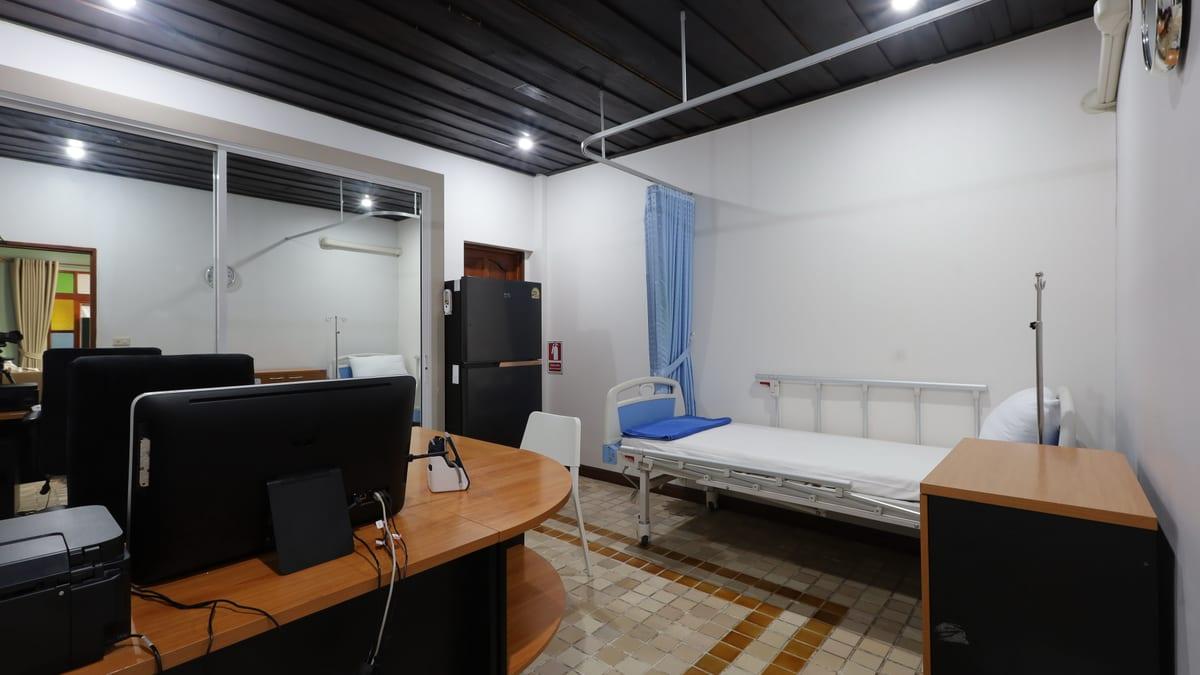
A Medically Supervised Taper Reduces Seizure Risk for Most People
Seizure prevention in benzodiazepine withdrawal depends on one principle. The reduction in GABA support must happen slowly enough that the nervous system can adapt in real time, rather than crashing into hyperexcitability. That means a controlled taper, not a rapid reduction and certainly not abrupt cessation.
The clinical standard for a benzodiazepine taper is a reduction of approximately 10 to 15 percent of the current dose per step, with each step lasting long enough to let the nervous system stabilise before the next reduction. Diazepam is the long-acting benzodiazepine most commonly used as a cross-taper agent, and MedlinePlus guidance on diazepam confirms that gradual dose reduction under medical supervision is the established approach for benzodiazepine dependence. For someone on a high dose after years of use, that taper may take two to three months. There is no equivalent to the Clinical Institute Withdrawal Assessment for Alcohol, Revised (CIWA-Ar) for benzodiazepine withdrawal, so clinical observation, vital signs, and symptom scoring replace a standardised scale, which means the clinician's direct experience with benzodiazepine withdrawal matters more than it does for alcohol.
Where a client's seizure risk profile is particularly high, additional medication support may be considered alongside the taper. Some clinical settings use anticonvulsant agents such as carbamazepine as an adjunct for seizure prophylaxis, and the decision is made by the psychiatrist case by case.
What is consistent across all presentations is the monitoring model. Nursing checks include vital signs, symptom review, and behavioural observation at structured intervals through the day and night. If symptoms escalate toward the seizure risk threshold, the frequency of checks increases, medication is reviewed by the psychiatrist, and the client is prepared for hospital escalation if needed. The goal is to be three steps ahead of the seizure, not responding after it happens.
Many people who need benzodiazepine detox also carry co-occurring anxiety, depression, or trauma histories that benzodiazepines were originally prescribed to manage. The dual diagnosis treatment approach at Jintara addresses these underlying conditions in parallel with the taper, rather than waiting until withdrawal is complete. That parallel work is part of why clients do not simply return to the same anxiety that sent them to the prescription in the first place.
A taper that feels frustratingly slow is usually the clinically correct taper speed.
At Jintara the Clinical Team Treats Seizure Risk as a Non-negotiable Priority
The Jintara model is built around one position. When in doubt, escalate. Darren Lockie describes the philosophy directly. If a client or a nurse has any concern about what is happening medically, the response is not to wait and observe, it is to take the client for assessment at Bangkok Hospital or Chiang Mai Ram, even at 2am if necessary. That principle applies to benzodiazepine withdrawal as much as it applies to alcohol.
On arrival, each client coming off benzodiazepines sees a psychiatrist for an assessment of their withdrawal history, current dose, duration of use, and co-occurring medical conditions. That assessment drives the taper plan. The nursing team conducts regular vital sign checks and symptom observations throughout the acute phase. Overnight, a nurse is awake and present, not on call, and checks at set intervals are documented shift by shift so the morning team sees a complete picture of how the night went.
The Day 2 medical assessment at hospital adds another layer of safety. Blood work, liver and kidney function, an EKG, and a chest X-ray catch underlying health issues that may not have been disclosed on admission and that can complicate withdrawal management. Previous heart conditions, compromised liver function, and unmanaged hypertension all affect how the taper is managed and what monitoring the team applies.
Everything described is covered within the standard program fee. Psychiatric assessment, nursing care, monitoring, and taper medication management are included. The only additional costs are individual prescription medications prescribed by the psychiatrist.
The small setting matters here. Jintara's residential setting is designed to keep stimulation low during the acute phase, which supports nervous system regulation and reduces the agitation that precedes seizure onset. Ten clients maximum also means the nursing team knows exactly how each person presented the day before, what their sleep was like, and whether the pattern suggests stability or escalation.
The question a family should ask any rehab is not whether they have nurses. It is whether those nurses are awake, documenting, and prepared to act before a crisis develops.


Talk with Our Admissions Team
Your enquiry is confidential and goes only to our admissions team.
Common Questions About Benzodiazepine Seizure Risk
Can benzodiazepine withdrawal cause seizures?
Yes. Seizure is one of the most serious risks of benzodiazepine withdrawal, particularly in people stopping abruptly after high-dose or long-term use. The risk is real and well documented. It is also largely preventable with a properly supervised medical taper and clinical monitoring during the peak risk window.
Who is most at risk for a seizure during benzo withdrawal?
Risk is highest in people who have been taking high doses, well above a low daily diazepam equivalent, those who have been using for a year or more, and anyone stopping a short-acting benzodiazepine such as Xanax or lorazepam abruptly. Concurrent alcohol withdrawal, a prior seizure history, and a history of multiple withdrawal attempts all compound risk further.
When does the seizure risk window occur?
For short-acting benzodiazepines, peak risk falls between days two and five after the last dose. For long-acting forms, risk peaks later, typically days three to eight. The first day can feel manageable, which is why people underestimate the danger of unsupervised withdrawal.
What does a benzodiazepine withdrawal seizure look like?
Withdrawal seizures are typically generalised tonic-clonic events involving loss of consciousness, muscle rigidity, and rhythmic convulsions. They can happen without obvious warning, though preceding signs such as severe agitation, tremor, confusion, and perceptual disturbances are often present and detectable by a trained observer.
Can you prevent seizures during benzodiazepine withdrawal?
Yes, for most people. A controlled medical taper that reduces the dose gradually, combined with clinical monitoring and fast access to hospital if symptoms escalate, reduces seizure risk significantly. The key is medical supervision throughout the risk window. Home detox without clinical support does not provide that protection.
Why is the taper so slow?
The taper speed is determined by what the nervous system can tolerate, not by preference. Reducing the dose too quickly brings the client into the high-risk window too fast. A reduction of approximately 10 to 15 percent of the current dose at each step, with stabilisation time in between, allows the brain to adjust before the next reduction.
What happens if a seizure does occur?
At Jintara, a seizure is treated as a medical emergency. Nursing staff respond immediately, and the client is transferred to hospital for assessment and management. The hospital relationship with Bangkok Hospital and Chiang Mai Ram means that pathway is open 24 hours a day. This is why 24-hour awake nursing matters, because a nurse who is asleep cannot respond to a seizure in the first minutes, when intervention makes the difference.
Is it safe to do benzodiazepine detox alongside therapy?
Yes, once the client is stable enough to engage. At Jintara, therapy does not wait until detox is fully complete. Therapists connect with clients during the early days to provide orientation, reduce fear, and begin the groundwork for recovery. Deep trauma work waits until the body is more stable, but the therapeutic relationship starts from arrival.
Jintara is a small adult residential rehab in Chiang Mai with on-site medical detox, psychiatrist-led benzodiazepine taper planning, and 24-hour awake nursing from the first night.
Jintara Rehab is licensed by the Thai Ministry of Public Health as a rehabilitation centre. The clinical information on this page describes Jintara's general approach to supporting clients during the early recovery period. Medical decisions, including medication protocols, are determined by addiction-specialist psychiatrists through our partner hospital pathway. Individual treatment varies based on clinical assessment. This content is for informational purposes and does not constitute medical advice.