

About Jintara Rehab in Chiang Mai
Jintara is a small rehab in Chiang Mai, Thailand for adults who want real help in a calm place. We keep the group to 10 people, run medical detox on site with nurses awake all night, and use proven therapy methods. No hype. Just safe, steady care from day one.
- Adults with substance use and mental health needs
- Maximum 10 clients, supported by about 32 staff
- On-site medical detox with a full hospital health check included
- Private ensuite rooms, gym, ethical excursions, and aftercare planning

Licensed by the Ministry of Public Health.
Accredited under Thailand’s national standard for drug treatment and rehabilitation facilities.
Why Did Jintara Open as a Small Adult-Only Rehab in Chiang Mai?
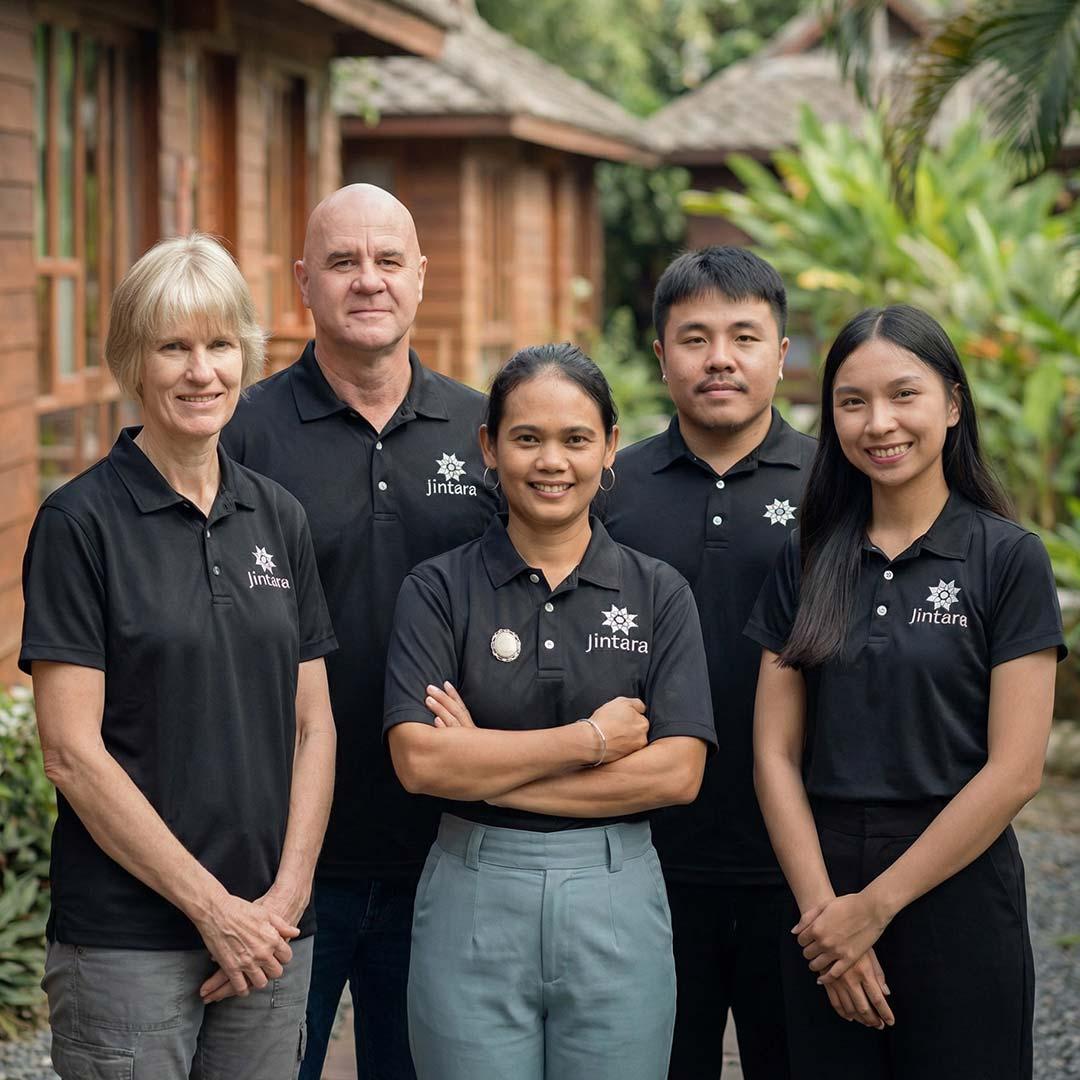
Darren Lockie opened Jintara in 2022 to do residential addiction treatment differently. The idea was simple. Stay small. Stay adult-only. Do the basics very well. That means safe detox on site, a hospital health check early on, master's level therapists with small caseloads, and owner-led intake where fit and safety come first.
Jintara is a private, adult-only residential rehab operated by Lanna Health Care Company Limited. It is registered with Thailand's Ministry of Public Health as a drug rehabilitation centre (registration certificate SFT.50.13-11116). The facility accepts a maximum of ten adults at a time and maintains a staff-to-client ratio of 3.2 to 1, which is the reason it was built at this size. It opened in January 2022. Its owner has spent more than 15 years running licensed residential addiction treatment facilities in Thailand.

Who Is the Owner of Jintara and What Is His Background in Addiction Treatment?
Around 2008 Darren Lockie moved into addiction treatment in Thailand. By 2022 he knew exactly what a rehab should look like when you strip away the marketing and focus on what actually helps. That's when he opened Jintara.
At Jintara, Darren personally handles every enquiry and screens every admission. There's no call centre. No sales team. If you phone or email, you speak to the person who runs the place.
One thing that surprises people. Darren has no personal history of substance use. He does this work because after more than 15 years he believes in it. He's seen what happens when rehab is done well and what happens when it's done badly.
Darren has spent more than 15 years running residential addiction treatment facilities licensed by Thailand's Ministry of Public Health. He led operations at DARA Rehab on Koh Chang under Lanna Health Care Company Limited and used that time to form his view on what rehab abroad should actually look like.

What Clinical Qualifications Does the Jintara Treatment Team Hold?
Our therapists carry small caseloads, a deliberate part of Jintara's boutique approach to addiction treatment. With 10 clients and three therapists, each person typically gets 65 to 70 hours of individual and group therapy across a 30-day stay. That's a lot more than most programs offer.
EMDR is one of the most effective treatments for trauma. Trauma sits underneath a large share of addiction. EMDR processing usually starts after medical stabilisation and works best for clients staying 60 days or longer. Not everyone will reach the processing stage in a 30-day stay, but the groundwork begins early.
Jintara's clinical team holds qualifications through nationally and internationally recognised bodies. The Clinical Director, Denise O'Leary, holds a Master of Arts in Counselling Psychology, completed Beck Institute training in CBT for addiction, and is certified by EMDRIA as an EMDR therapist. She is an EMDRIA Certified Therapist and an Approved Consultant-in-Training, and she leads Jintara's three EMDR therapists, all listed on the EMDR International Association directory, for a house of no more than ten clients, so trauma work is one-to-one and never rationed.
- Non-12-step core built on CBT and DBT skills, with trauma treated one-to-one and EMDR on longer stays
- Master's level therapists with small caseloads so they have time to think about your case between sessions
- 65 to 70 hours of therapy per 30-day stay, individual and group combined

How Is Medical Detox Managed Safely at Jintara?
Our nurses are awake and on site around the clock. Not on-call. Not sleeping in a back room. Awake, doing rounds, preparing medication, and checking on you. Especially in the first 72 hours when withdrawal symptoms are hardest.
If you need hospital-level care at any point, we have direct pathways to both Bangkok Hospital and Chiang Mai Ram. No delay. No waiting until morning.
Safe medical detox from alcohol, benzodiazepines, and opioids requires around-the-clock clinical monitoring, documented withdrawal assessment protocols, and a clear hospital escalation pathway. SAMHSA's Treatment Improvement Protocol 45 defines residential detox as appropriate when withdrawal risk is clinically significant and on-site nursing capacity can monitor vital signs continuously. Jintara provides twenty-four-hour awake nursing, CIWA-Ar and COWS scoring throughout detox, and direct escalation pathways to Bangkok Hospital Chiang Mai and Chiang Mai Ram.
When families choose where someone they love will go through detox, the fear of choosing the wrong place is real. You do not have to make that call on trust alone, because the press coverage and external references are checkable. Jintara's clinical protocols, medication management, and nursing model were independently assessed against Thailand's national quality standard by the Healthcare Accreditation Institute, the Princess Mother National Institute on Drug Abuse Treatment, and the Department of Medical Services, three national health authorities including the body that accredits the country's hospitals. Certificate no. 25/2569, valid to May 2029. Held to what a hospital is held to, and still small enough to know your person by name.
- Hospital health check included blood panels, liver and kidney function, EKG, chest X-ray, all covered by Jintara
- 24/7 awake nursing not on-call. Actually awake, doing rounds, checking vital signs every one to two hours during early detox
- Hospital escalation direct pathways to Bangkok Hospital and Chiang Mai Ram for emergencies at any hour
Detox and therapy run side by side here. Therapy starts on day one or two, while your detox protocol is still running. We don't offer detox on its own. In our experience, detox alone only covers a small part of recovery. Each plan is adjusted to your situation.
Who Does Jintara Help?
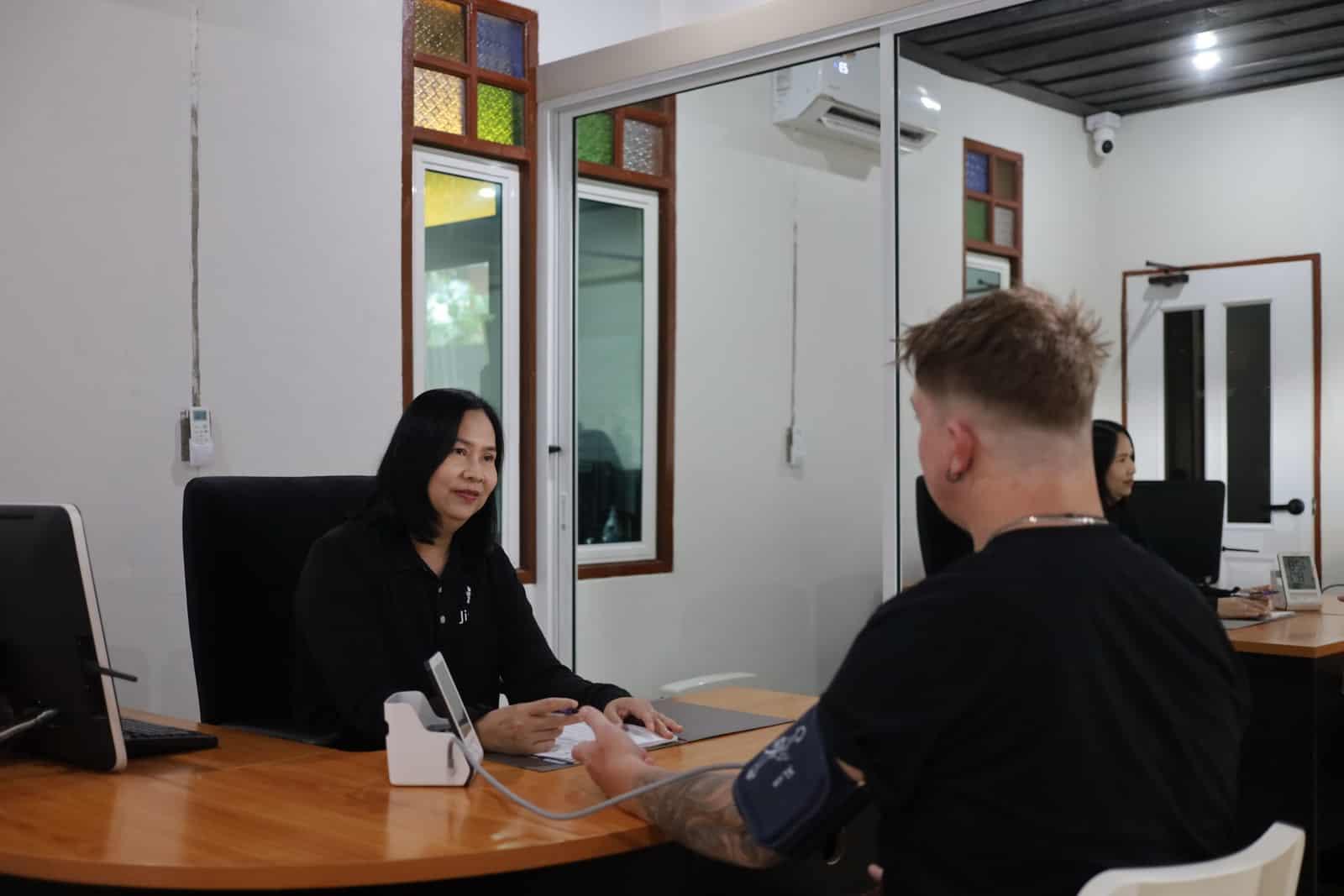
Most people who come to Jintara are adults whose drinking or drug use has crept up on top of anxiety, depression, trauma, or burnout. They may have tried stopping on their own, seen a counsellor, or been to a larger rehab that didn't stick.
They care about privacy and safety. They want a private room, clear structure, on-site detox, and aftercare that fits their real life. Not a vague "see how it goes" plan.
Jintara accepts adults whose substance use involves alcohol, opioids, benzodiazepines, stimulants, or prescription drugs, often alongside anxiety, depression, trauma, or burnout. Treatment matching is among the strongest predictors of retention and long-term recovery outcomes, so we're honest when someone isn't a fit. We are generally not the right place for:
- Eating disorders generally make Jintara unsuitable. Any possible admission requires detailed therapist assessment of current stage, stability and care needs
- Unmedicated psychosis or very unstable bipolar disorder
- People who don't want to be here and are only attending because someone else insisted. Ambivalence is normal and we can work with that, but a basic willingness to engage matters
If we're not the right fit, we'll tell you. We refer people regularly. We'd rather you get the right help than sign up with us and not get what you need. If you recognise yourself in the description above, you're probably in the right place.

What Makes Jintara Different from a Larger Residential Rehab?
We only charge for 30 days at a time. If a therapist thinks a longer stay would help, that conversation stays clinical. Therapists don't discuss money. That's to respect your finances and keep advice honest.
Residential treatment produces better outcomes when programs are small, consistent, and built around the individual rather than operational convenience. NIDA's treatment overview describes substance use disorders as treatable chronic conditions, and notes that people may need long-term or multiple episodes of care to recover. We do not publish a success percentage, and the reasoning behind that, along with the rehab outcomes we do track, is set out in full. Jintara keeps its group to a maximum of ten adults, employs approximately thirty-two staff, and assigns therapists small caseloads so each person receives consistent, unhurried attention.
- 10 clients, 32 staff a ratio of 3.2 to 1. Nobody falls through the cracks
- Owner-led admissions Darren personally screens every enquiry. No call centre. No sales pressure
- Hospital health check included at Bangkok Hospital Chiang Mai, fully covered. Bloods, EKG, chest X-ray, liver and kidney panel
- Ethical, supervised excursions weekend outings led by clinical staff. No tourist-trap recovery cosplay, no unsupervised nightlife runs
If we're not the right fit, we'll say so and point you somewhere better. We'd rather you get the right help than fill a bed.
4.9 out of 5 from 27 Google reviews
“We went to Jintara with him when he returned for his refresher course and met Darren and the staff and we were very impressed with their approach. They are very caring and have a system which works for those clients who put in an effort.”
Frank Buck, Oct 2025

How Does Jintara Protect Client Privacy and Confidentiality?
Clients can't photograph other clients during their stay. On excursions, photos of scenery and yourself are fine. Photos that include other people in the program are not. No press releases. No social media posts. No exceptions.
Confidentiality extends to families. Even when a family member is paying, and as the full guide to rehab confidentiality in Thailand sets out, we don't share clinical details without the client's written consent. The only exceptions are where Thai law requires disclosure or where someone's safety is at immediate risk.
Residential rehab confidentiality means that client records, health status, and participation in treatment are protected from disclosure without written consent. Jintara operates under Thai confidentiality requirements set by Thailand's Ministry of Public Health and limits all external communications about client treatment accordingly. The only exceptions are legally mandated disclosures and immediate safety emergencies, both governed by Thai law. Full details of all five documented protections that govern your care from arrival to discharge are on our client rights page.
- Ministry of Public Health licensed fully registered and inspected residential treatment facility
- National accreditation independently assessed and certified against Thailand's national standard for drug treatment and rehabilitation
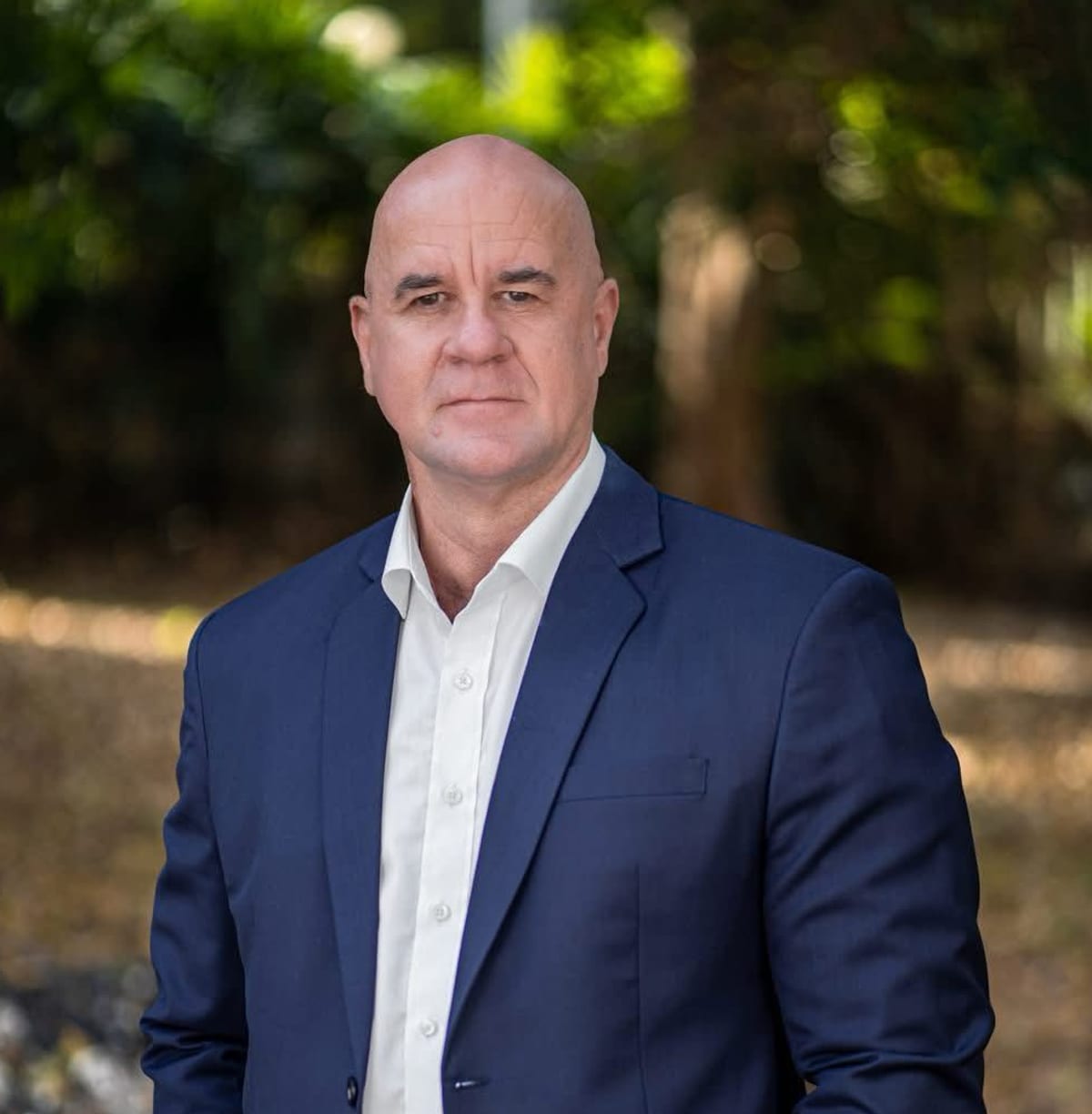
Meet Our Team
Qualified & Experienced Staff


Talk with Our Admissions Team
Your enquiry is confidential and goes only to our admissions team.
Common Questions About Jintara
Frequently Asked Questions
What kind of client tends to do best at Jintara?
Most people who do well here are adults whose drinking or drug use has built up alongside anxiety, low mood, trauma, or burnout. They want privacy, clear boundaries, and straight answers about their health. If that sounds like you, talk to us. Being ready to engage matters more than having all the answers.
People who only want a break from stress without looking at their own patterns usually find this setting harder. The program asks you to be honest, sit with discomfort, and try things differently. A degree of willingness matters more than motivation on day one.
How is therapy organised and what approaches do you use?
You work with master's level therapists who keep small caseloads, so they have time to actually think about your case between sessions. The core is evidence-based work and structured CBT. Where trauma sits underneath the addiction it is worked on one-to-one, never in a group, and EMDR processing follows once you are stable, usually in the second month of a 60-day stay. Groups are small, which makes it easier to be honest without feeling you need to perform.
Education, skills training, and practical relapse planning sit alongside deeper work instead of being treated as an afterthought. Your therapist coordinates with the medical and nursing team so that medication, mood, sleep, and therapy all move in the same direction rather than being handled in separate silos.
Can I keep working or manage my business while I am at Jintara?
Jintara is built for adults who often have teams, clients, or families depending on them, so limited work contact is possible. The priority is treatment, not your inbox, so phone and laptop time is controlled and scheduled. Short focused check ins with work are usually fine. Long days on email, trading apps, or Zoom are not.
If work starts to become a way to dodge feelings or groups, the team will tighten boundaries fast. Most clients find that stepping back from the constant noise actually helps them think more clearly, and that the business survives just fine without them for a few weeks.
How are my family or partner involved while I am in treatment?
Family and partners are important in long-term recovery, but constant contact can derail early work. The team usually starts with clear limits on calls so you can stabilise first. Once you are more settled, your therapist may invite a structured family call or meeting, often with simple ground rules and preparation on both sides.
The focus is on clarity and realistic plans, not blame or dramatic confrontations. Many families find that having a therapist guide the conversation prevents the usual loops that go nowhere. By the time you leave, both sides have a clearer picture of what support looks like going forward.
What happens after I leave Jintara and go home?
Discharge is planned, not sudden. In the final phase of your stay you and your therapist map triggers, high risk situations, and support options in your real life. Jintara offers structured aftercare that can include online sessions, and liaison with local therapists or doctors where you agree.
You leave with a written, practical plan that covers the first weeks back home, not just a vague "stay in touch if you need us." The goal is that you walk out knowing exactly what to do in the first 48 hours, the first week, and the first month, with real contacts and a clear schedule rather than good intentions.
Is Darren in recovery himself?
No. Darren has no personal history of substance use. He came into addiction treatment through operational and management roles and has spent over 15 years running licensed rehabs in Thailand.
People sometimes ask about this. His answer is simple: he does this work because he believes in it. He's seen what happens when rehab is done well and when it's done badly. Clinical decisions at Jintara are based on evidence and the team's collective expertise.
What accreditations and licensing does Jintara hold?
Jintara is licensed by the Thai Ministry of Public Health as a residential treatment facility. Our Head Nurse, Lertkhwan Sukpia, is the named responsible practitioner on Jintara's MoPH facility licence and oversees compliance across all medical and operational procedures. An unverifiable licence is the first of the warning signs worth checking at any facility, which is why the number is published here rather than described. The facility itself is operated by Lanna Health Care Company Limited.
Jintara also holds national accreditation for its drug treatment and rehabilitation processes, jointly certified by the Healthcare Accreditation Institute, the Princess Mother National Institute on Drug Abuse Treatment, and the Department of Medical Services, Ministry of Public Health. Those are the same body that accredits Thailand's hospitals, the national drug-treatment authority, and the Department of Medical Services, all three together. Certificate no. 25/2569 is valid 20 May 2026 to 19 May 2029.
Our clinical team has three EMDR therapists for no more than ten clients, all listed on the EMDR International Association directory, led by Clinical Director Denise O'Leary, an EMDRIA Certified Therapist. EMDR starts when it is clinically right, usually in the second month of a 60-day stay. Our clinical governance framework sets out licensing, screening tools, detox pathways, and limits of practice in detail.
Accreditation certificate
Jintara is accredited against Thailand’s national quality standard for drug treatment and rehabilitation facilities, jointly certified by the Healthcare Accreditation Institute, the body that accredits Thailand’s hospitals, with the Princess Mother National Institute on Drug Abuse Treatment and the Department of Medical Services, Ministry of Public Health. Certificate no. 25/2569, valid 20 May 2026 to 19 May 2029. To check it, ask us for a copy of the certificate, or confirm it by facility name with the Princess Mother National Institute on Drug Abuse Treatment or the Department of Medical Services.