
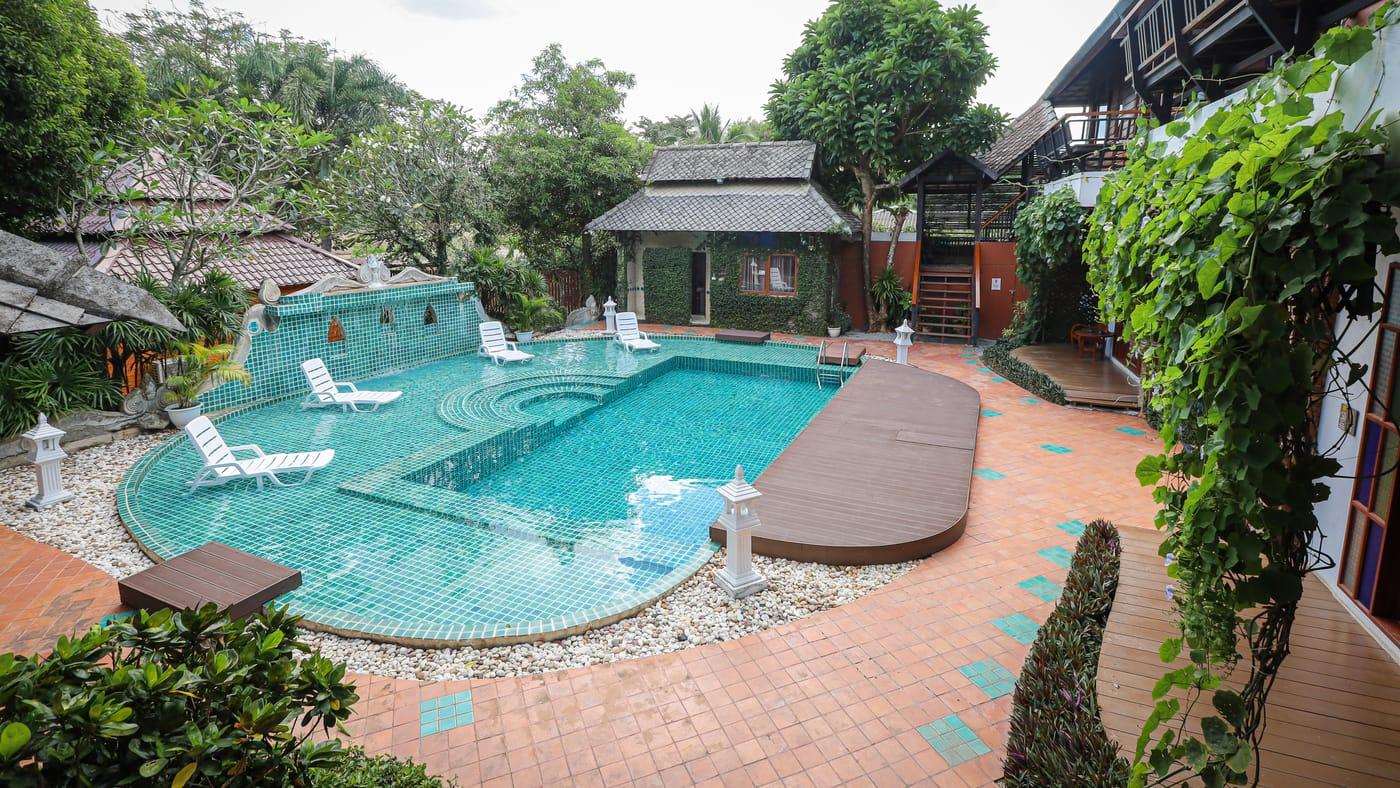
Why Darren Lockie Built a Smaller Rehab on Purpose
After more than 15 years running licensed residential facilities in Thailand, Darren Lockie had a clear view of what gets lost when a rehab grows past its clinical capacity. The team, the standards and the licensing are set out across the about section, and this page covers the decisions underneath them. Jintara is what he built instead.
- Founded in January 2022. More than 15 years in Thai residential treatment
- Maximum 10 adults at any one time, supported by around 32 staff
- The owner personally screens every enquiry before a place is confirmed
- No call centre, no referral commission, no pressure to fill beds


Licensed by the Ministry of Public Health.
Accredited under Thailand’s national standard for drug treatment and rehabilitation facilities.
Jintara Is the Result of More Than 15 Years Learning What Actually Works
Jintara is a small private residential rehab in Chiang Mai, founded in January 2022 by Darren Lockie, who has spent more than 15 years operating licensed addiction treatment facilities in Thailand.
If you are reading a founder story, you are usually trying to work out one thing: whether the person running this place knows what they are doing, or whether it is a business that found a profitable category. Jintara takes a maximum of ten adults at any one time and operates under licence number SFT.50.13-11116 issued by Thailand's Ministry of Public Health. The facility is owned and operated by Lanna Health Care Company Limited.
Darren moved into addiction treatment around 2008. That route is set out in more depth in his notes on choosing a rehab abroad, and it is the reason this place looks the way it does. His first significant operational role was leading DARA Rehab on Koh Chang island, where he oversaw the program, staffing, admissions and clinical standards, and where he watched a facility grow to a scale he later decided not to repeat.
The short version: Jintara exists because Darren spent more than 15 years working out what he would not do again.
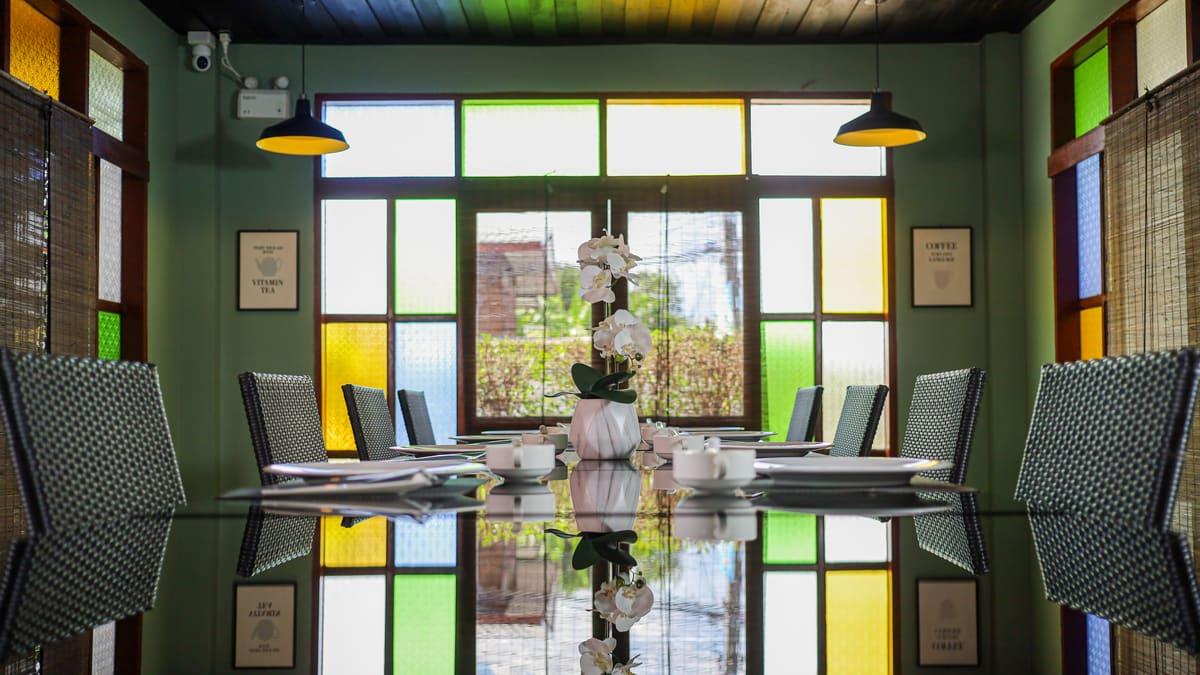
What Darren Learned from Building and Running Larger Facilities
Running a high-census residential facility taught Darren one consistent lesson: the things that matter most in addiction treatment are the first things to slip as numbers climb.
- Consistent staff relationships.
- Unhurried individual sessions.
- The ability to notice a change in someone's mood before it becomes a crisis.
A facility at forty or fifty clients becomes operationally efficient, and it stops being clinically intimate. Nobody decides that. It is arithmetic. He wanted a place where a 3.2 to 1 staff-to-client ratio was a daily operational reality rather than a marketing line. That means around thirty-two staff for a maximum of ten clients. It means the cook knows your dietary needs, the support workers know your sleep patterns, and the therapists are not carrying caseloads of twenty. The referral model taught him the second lesson. Jintara runs on direct self-referral and owner-led admissions, with no commission-based referrers and no financial incentive to admit someone who is not a clinical fit. Facilities that depend on referring agencies carry a structural pressure instead, because beds need to stay full to cover costs, and that pressure can shape who gets admitted and for how long.
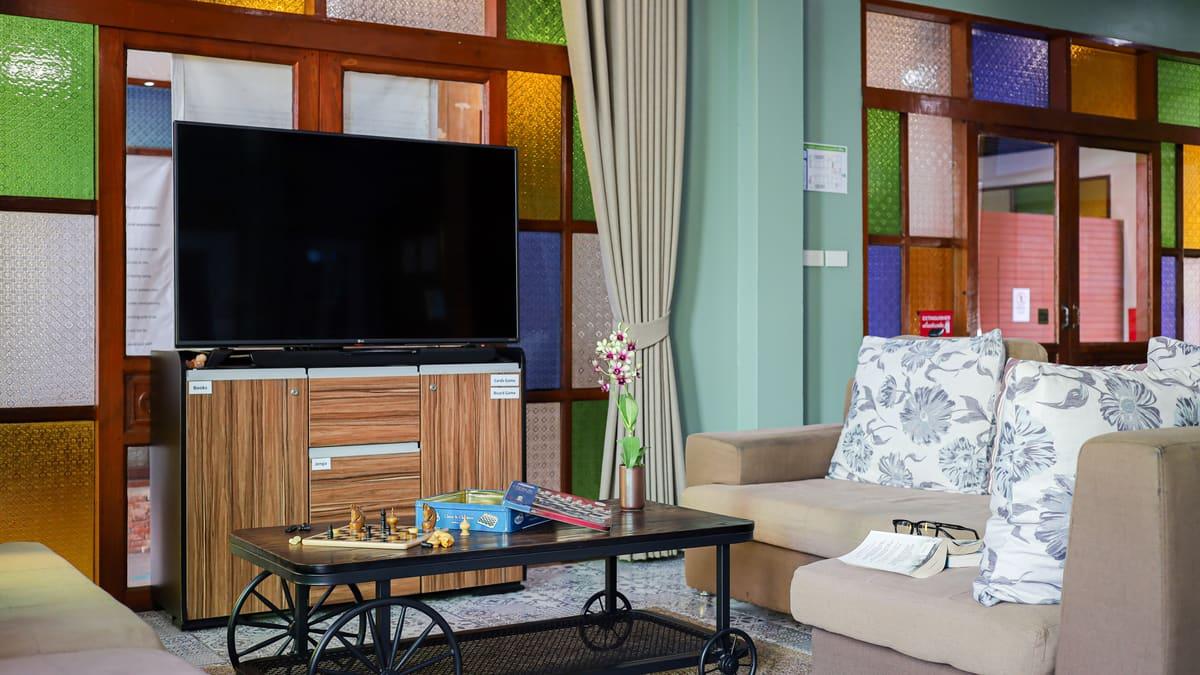
COVID Interrupted Everything, and That Turned Out to Matter
When Thailand closed its borders in 2020, residential treatment for international clients stopped, and the interruption ran through most of 2021. For most operators that was simply damage. For Darren it was also the first pause in more than a decade of running large facilities, and it forced a question he had never had room to ask: if you started again, knowing everything you now know, what would you actually build.
Jintara opened in January 2022 as Thailand reopened.
- The property: found in Chiang Mai, the city where he had lived for years.
- The client ceiling: set at ten.
- The staff ratio: set higher than any other residential facility in Thailand by his own description.
- Admissions: kept owner-led from the first day, so that fit, safety and expectations could be assessed before anyone committed to anything.
“Jintara was a culmination of everything I had done up until that point. I didn't want clients to be a number. I wanted to open a boutique rehab with 32 staff for a maximum of 10 clients and provide the highest level of care for clients and their recovery.
Why Ten Clients Changes the Clinical Reality for Everyone Here
The ten-client ceiling is a clinical decision, not a function of how many beds fit in the property.
With ten clients and three therapists, each person gets considerably more individual and group therapy time than most residential programs deliver. That ratio shapes every part of the treatment program, and it is why small caseloads matter so much. A therapist has time to think about someone between sessions, to coordinate with the nursing team on medication and mood, and to catch the things that get missed when one clinician is responsible for fifteen or twenty people at once.
The small group changes the social environment too, and that matters clinically. People in early recovery are acutely tuned to whether they are being seen as an individual or processed as a case. In a group of ten adults there is nowhere to hide behind the dynamics of a large cohort, so the work tends to get done more directly. That intensity does not suit everyone, and it is also where the benefit comes from.
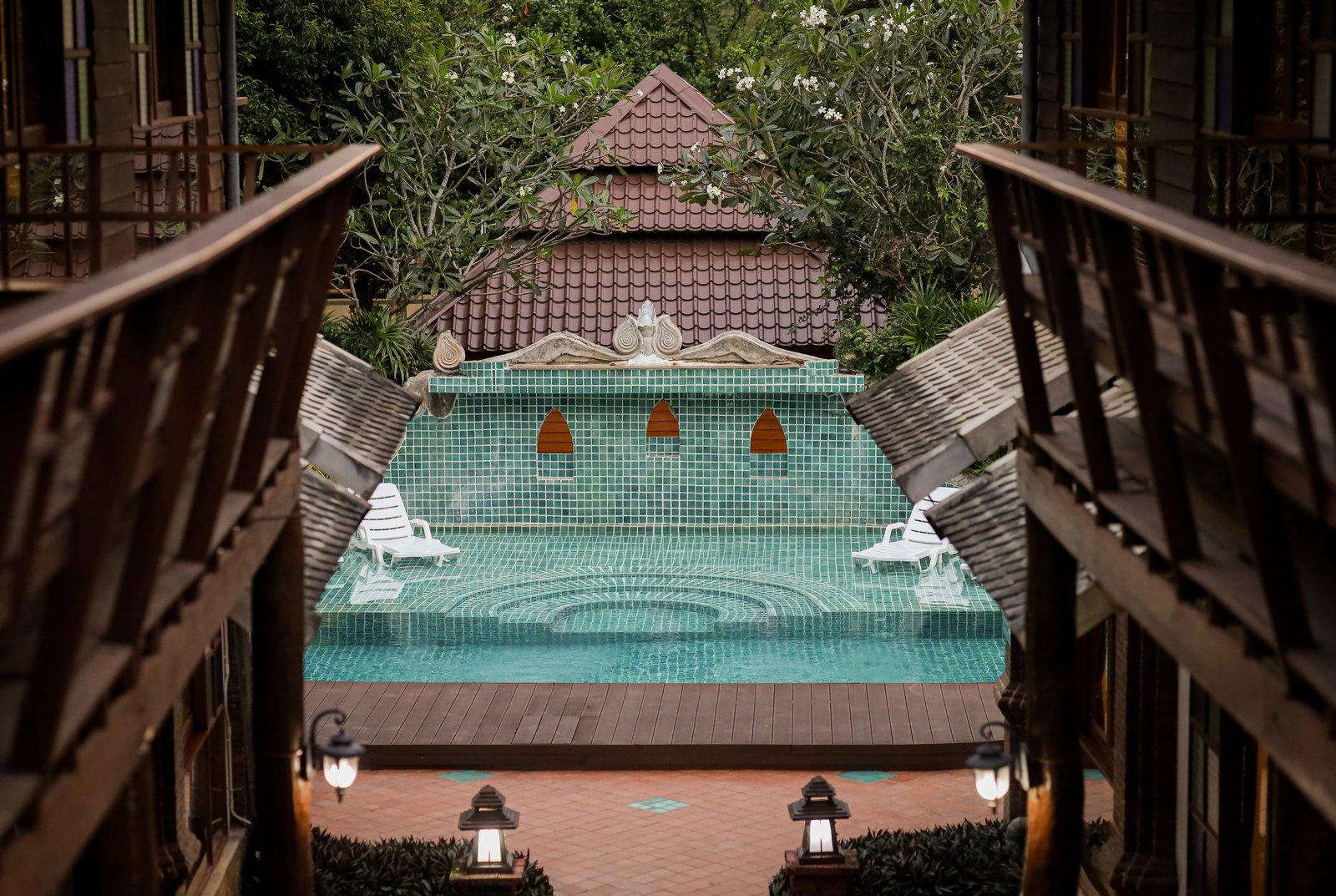
The Clinical Hire That Shaped the Program
The most consequential decision Darren made when building Jintara was hiring Denise O'Leary as Clinical Director.
- Denise holds a Master of Arts in Counselling Psychology.
- Completed Beck Institute training in cognitive behavioural therapy for addiction.
- Certified by EMDRIA as an EMDR therapist. She is an EMDRIA Certified Therapist and Approved Consultant-in-Training, and leads Jintara's three EMDR therapists for a house of ten.
Trauma sits underneath a large share of the substance use that arrives here. That is why EMDR therapy matters, because trauma-focused therapy is a core component of trauma-informed care in behavioural health settings, and processing typically begins after medical stabilisation and produces the best results for clients staying sixty days or longer. For thirty-day clients the preparation begins during the stay and continues with a referred therapist at home, supported by a written handover report. Lertkhwan Sukpia, known as Khun Khwan, leads the nursing team as Head Nurse and Operations Manager. She is the named responsible practitioner on Jintara's Ministry of Public Health facility licence and oversees clinical compliance across every medical and operational procedure. Between Denise's clinical leadership and Khun Khwan's nursing management, the structure here is clinical from the top rather than operationally driven.
How Jintara Decides Who It Cannot Help
Every enquiry goes through Darren personally, and a meaningful number of them end with him recommending somewhere else.
- There is no call centre.
- No admissions coordinator working from a script.
- No pressure to hit a bed count by month end.
The medical detox here is clinical and well staffed, and it still operates within the parameters of a licensed residential facility rather than a hospital ward. This comes directly from his view of what trust costs in this industry. He has said publicly that someone may well take his advice on how to choose a rehab and then choose a different one, and that this is an acceptable outcome. The aim is that people find the right help.
The clearest way to describe what a facility does is to state plainly what it does not do. This is the line Jintara works to, and it is the same line Darren applies on the phone before anyone books.
What Jintara Treats and What It Refers Elsewhere
| Presentation | Jintara accepts | Referred elsewhere |
|---|---|---|
| Substance use | Alcohol, opioids, benzodiazepines, stimulants | None |
| Mental health | Anxiety, depression, trauma, burnout | Unmedicated psychosis |
| Eating disorders | None | Active cases needing close observation |
| Psychiatric state | Stable and medicated | Acute instability |
| Withdrawal risk | Managed on site | Hospital-level care needed first |
| Age | Adults 18 and over | Under 18 |
Substance use
Jintara accepts: Alcohol, opioids, benzodiazepines, stimulants
Referred elsewhere: None
Mental health
Jintara accepts: Anxiety, depression, trauma, burnout
Referred elsewhere: Unmedicated psychosis
Eating disorders
Jintara accepts: None
Referred elsewhere: Active cases needing close observation
Psychiatric state
Jintara accepts: Stable and medicated
Referred elsewhere: Acute instability
Withdrawal risk
Jintara accepts: Managed on site
Referred elsewhere: Hospital-level care needed first
Age
Jintara accepts: Adults 18 and over
Referred elsewhere: Under 18
What Has Changed Since Jintara Opened in January 2022
Jintara has operated continuously since January 2022, and the clinical program has deepened in several specific ways since then. Part of that deepening is the record itself, because tracking treatment outcomes at three and twelve months tells the team things a discharge date never could. The list below is what has actually changed.
- EMDR: integrated into the core therapy offering after Denise joined.
- Co-occurring mental health: Capacity for co-occurring mental health conditions was formalised at the same time, because the high rate of co-occurring mental health and substance use disorders is well documented and it reflects who actually arrives here.
- Joint accreditation: In May 2026 Jintara received joint accreditation from the Healthcare Accreditation Institute, the Princess Mother National Institute on Drug Abuse Treatment, and the Department of Medical Services at the Ministry of Public Health. Certificate number 25/2569 runs until May 2029.
Most people are dealing with anxiety, depression or trauma alongside their substance use. The process required an independent audit of every clinical protocol, staffing standard and safety procedure. The core model has not moved. The facilities reflect the same thinking, with large private rooms, a gym, supervised excursions, and an environment built for adults doing focused clinical work rather than taking a holiday. Ten clients. Owner-led admissions. Master's level therapists carrying small caseloads. Nurses awake overnight. A hospital health check in the first days, paid for by Jintara.


Talk with Our Admissions Team
Your enquiry is confidential and goes only to our admissions team.
Common Questions About Jintara and Its Founder
Who founded Jintara Rehab and when did it open?
Darren Lockie founded Jintara and it opened in January 2022. He has spent more than 15 years operating licensed residential addiction treatment facilities in Thailand, including leading operations at DARA Rehab on Koh Chang island. He returned to Chiang Mai after the pandemic and opened Jintara as a deliberately small facility.
How many rehabs has Darren Lockie run before Jintara?
Darren has spent more than 15 years in operational leadership of licensed residential treatment facilities in Thailand. His roles included leading DARA Rehab on Koh Chang, which grew into a significant facility, before he opened Jintara in Chiang Mai in January 2022.
Does Darren Lockie have clinical qualifications?
Darren is Jintara's Founder and Owner. His background is in leadership and operational management of addiction treatment facilities, not clinical practice. Clinical decisions are led by Clinical Director Denise O'Leary, who holds an MA in Counselling Psychology and is an EMDRIA-certified EMDR therapist, together with the wider clinical team.
Why did Darren choose to keep Jintara at 10 clients maximum?
After years running larger facilities, his conclusion was that consistent staff relationships, unhurried individual sessions and the ability to notice a change in someone before it becomes a crisis are the first things to erode as client numbers climb. Ten clients with around thirty-two staff is the model he designed around those priorities rather than around occupancy targets.
Does Darren personally handle enquiries?
Yes. Every enquiry goes through Darren. There is no call centre and no admissions team working from a script. He assesses fit, safety and expectations before any place is confirmed, and if Jintara is not the right option he says so and points you toward something more appropriate.
Has Jintara been accredited by any external body?
Yes. The full record is set out on the accreditation page, and the headline fact is the May 2026 joint accreditation from the Healthcare Accreditation Institute, the Princess Mother National Institute on Drug Abuse Treatment, and the Department of Medical Services at the Ministry of Public Health, under certificate number 25/2569, valid until May 2029.
What does Jintara specialise in treating?
Jintara treats substance use, covering alcohol, opioids, benzodiazepines, stimulants and prescription drugs, alongside co-occurring mental health conditions including anxiety, depression, trauma and burnout, in adults over eighteen. The facility does not treat eating disorders, active unmedicated psychosis, or presentations requiring hospital-level inpatient psychiatric care.
Can I speak to Darren before deciding whether to come to Jintara?
Yes, and it is the normal process rather than a special request. He is available directly by phone or WhatsApp through the contact page and personally assesses whether this is the right fit before any booking is confirmed. If it is not, he will tell you.
Jintara is a small adult residential rehab in Chiang Mai with on-site medical detox. If you want to know whether it is the right fit before you commit to anything, Darren will tell you either way.