

Opioids and Benzodiazepines. Why Combined Dependence Demands Medical Supervision.
When opioids and benzodiazepines are used together, the overdose risk is not simply doubled. The two substances compound each other's effect on breathing in ways that no safe dose threshold fully predicts. Opioid addiction treatment at Jintara is designed to manage this complexity from day one, with a psychiatrist-led protocol that treats both dependencies simultaneously.
- Two distinct medical withdrawal timelines managed by one coordinated protocol
- Psychiatrist assessment on arrival before any medication is introduced
- COWS-guided opioid detox alongside clinically monitored benzodiazepine management
- 24/7 awake nursing throughout the acute phase of combined withdrawal


Fully Licensed and Hospital Accredited
Opioids and Benzodiazepines Are the Highest-Risk Polysubstance Combination in Addiction Treatment.
Opioids and benzodiazepines are the highest-risk polysubstance combination seen in addiction treatment settings. Both drug classes depress the central nervous system, but through different mechanisms. Opioids slow breathing by binding to receptors in the brainstem that regulate respiratory drive. Benzodiazepines reduce neurological activity by enhancing GABA, the brain's primary inhibitory signal. When both are present, the two mechanisms compound one another. The result is not twice the sedation. It is an unpredictable amplification of respiratory suppression documented across multiple polysubstance combinations in NIAAA's clinical resources on CNS depressants.
Many people who arrive at Jintara using both substances did not begin with combined recreational use. A person managing chronic pain with opioids is often prescribed a benzodiazepine for associated anxiety or insomnia. A person using benzodiazepines for a medical condition may find that opioids reduce physical discomfort during a difficult period. Both patterns lead to the same place: tolerance builds to each substance, physical dependence follows, and stopping either one without supervised medical detox carries real clinical risk.
The combination also complicates how the brain processes each substance. Benzodiazepines impair opioid metabolism in ways that can push blood opioid levels higher than the dose alone would predict. This unpredictability is part of why combined use is so dangerous, and why any detox must be psychiatrist-led rather than protocol-driven.
Combined dependence on opioids and benzodiazepines is one of the more clinically complex presentations Jintara manages, and one of the most important to treat safely. A growing subset of these presentations also includes gabapentin use disorder, which adds a third CNS depressant requiring its own supervised taper alongside the opioid and benzodiazepine protocols.
Both Substances Suppress Breathing, and Together They Drop the Fatal Threshold.
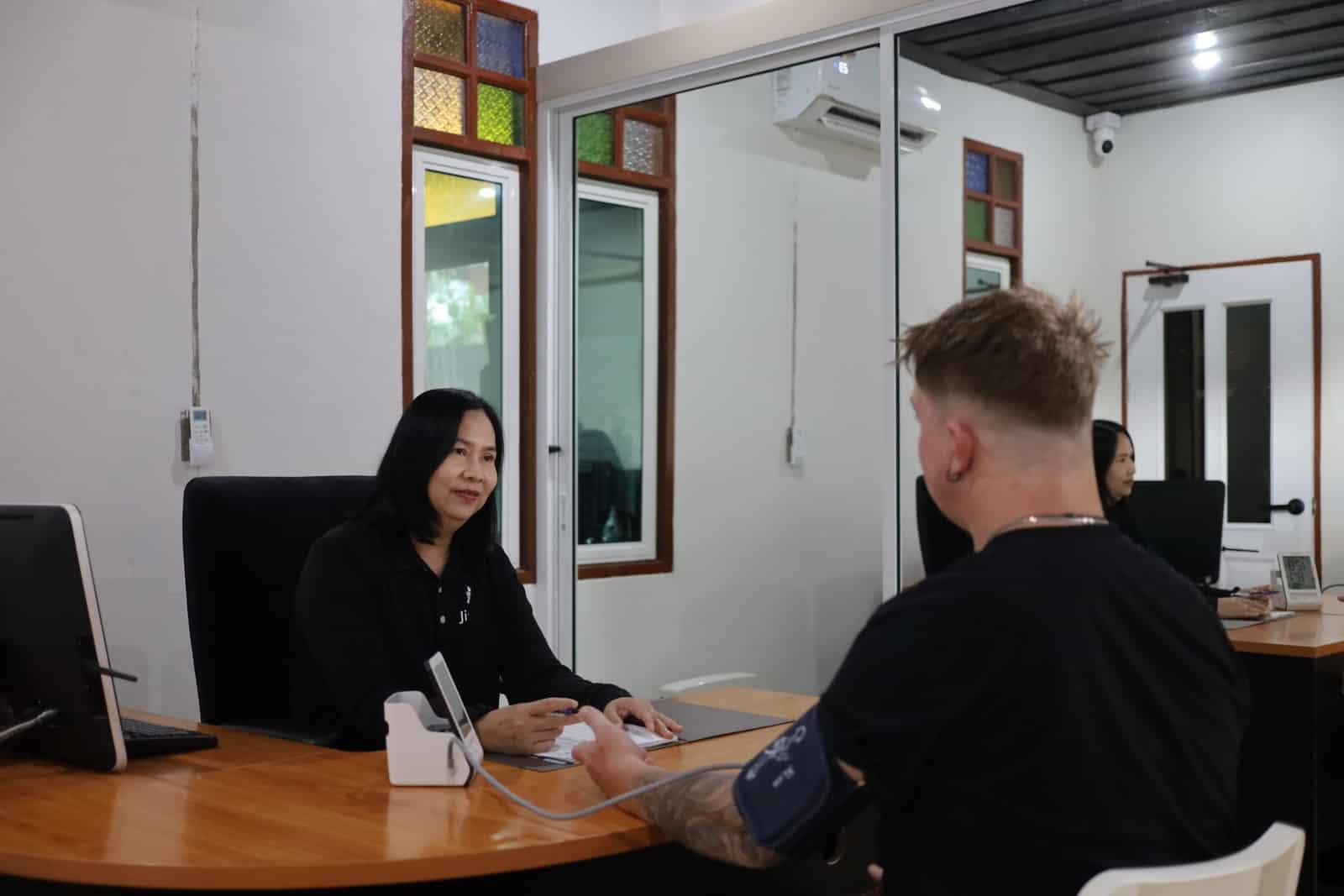
Combined opioid and benzodiazepine use depresses respiratory function more severely than either substance alone. The mechanism is two-pronged. Opioids reduce the brainstem's sensitivity to rising carbon dioxide, which is the body's main signal to breathe more deeply. Benzodiazepines add a second layer of CNS suppression through GABAergic pathways. Together they produce more respiratory depression than either substance alone. A peer-reviewed review of opioid and benzodiazepine combination use reports respiratory depression greater than each drug alone, and benzodiazepines identified in 40 to 80 percent of methadone-related deaths. Benzodiazepine dependence alone carries serious withdrawal risk; combined with opioids, it carries serious overdose risk during use.
This risk applies regardless of whether both substances are prescribed. A person taking a therapeutic dose of a prescribed benzodiazepine for anxiety who is also taking a prescribed opioid painkiller is exposed to the same respiratory interaction as someone misusing both. What matters clinically is the total pharmacological load on the brainstem, which can only be assessed through objective monitoring: vital signs, pulse oximetry, and in some cases respiratory rate measurement during sleep.
At Jintara, this monitoring begins in the first 48 to 72 hours of detox, when combined withdrawal creates the highest physiological demand and when medication titration is most critical.

Fentanyl and Benzodiazepines Now Account for the Majority of Overdose Deaths.
Fentanyl combined with benzodiazepines is now the most common pharmacological cause of overdose fatality in North America. NIDA's fentanyl overview shows fentanyl is 50 to 100 times more potent than morphine, and street fentanyl appears in doses that cannot be measured by sight or smell. Counterfeit prescription pills, contaminated heroin, and adulterated street drugs have made unknowing fentanyl exposure a routine risk for anyone using opioids outside a controlled medical setting.
For a person physically dependent on benzodiazepines, even a small accidental fentanyl exposure can be fatal. The benzodiazepine already present in the system drops the overdose threshold well below what fentanyl alone would require to cause respiratory arrest. The overdose is often rapid and silent. Many fentanyl deaths occur in people who believed they were using a different substance entirely.
This context matters for treatment. People arriving at Jintara from regions where fentanyl contamination is common are assessed for respiratory and cardiac function as part of the standard Day 2 medical workup. The clinical team is also briefed that clients in mixing central nervous system depressants situations face compounded overdose risk during any period of continued use. This is why Jintara's protocol requires around-the-clock nursing for all combined depressant cases during the acute phase.

Combined Dependence Creates Two Withdrawal Timelines That Run on Different Clocks.
Combined dependence on opioids and benzodiazepines produces two distinct physical withdrawal processes that run on different timescales. This is not a detail; it is the clinical challenge that drives every decision in the first weeks of treatment. Opioid withdrawal begins quickly. Without a structured taper, acute withdrawal symptoms peak at 48 to 72 hours and produce severe muscular pain, nausea, vomiting, anxiety, and insomnia. The experience is exhausting, but in medically stable individuals it is not typically life-threatening.
Benzodiazepine withdrawal is different in its danger profile. The seizure risk associated with abrupt benzodiazepine cessation is real and clinically documented. Cold turkey benzodiazepine withdrawal can cause fatal seizures, which is why a supervised clinical taper over a minimum of two to three months is the medically safe approach. Short-acting benzodiazepines such as Xanax carry peak seizure risk in the first two to five days after stopping. Long-acting benzodiazepines such as Valium have a delayed but prolonged risk window.
These two timelines do not synchronise neatly. The treatment program at Jintara addresses each withdrawal as a separate medical problem, coordinated through a single psychiatrist-led protocol rather than managed as one combined detox.

Detox Requires Two Separate Medication Protocols Coordinated Through One Assessment.
Detoxing from opioids and benzodiazepines together requires two separate medication protocols coordinated through a single clinical assessment. Every client arriving with combined dependence begins with a full psychiatric assessment on the day of arrival. The psychiatrist reviews substance history, duration and dose of each substance, concurrent mental health history, and the client's physical condition before any medication protocol is proposed.
Opioid detox is typically managed through a methadone taper, which runs for approximately three weeks. Many clients arrive with a negative preconception of methadone, having associated it with long-term maintenance programs. Darren Lockie, Jintara's founder, addresses this directly in the pre-admission conversation: around 50% of opioid clients who initially decline methadone request a change within three to four days when withdrawal becomes severe without it.
COWS (Clinical Opiate Withdrawal Scale) guides opioid medication decisions. Benzodiazepine management runs in parallel, but to a longer timeline. Dose reduction is gradual, measured in weeks, and calibrated to individual presentation rather than a fixed schedule. For benzodiazepine management, there is no equivalent clinical scale; nursing observation and vital sign trending inform each adjustment. Suboxone and buprenorphine are not legally available in Thailand, so the protocol draws on medications available within the Thai medical system, discussed openly with every client on arrival.

“Methadone is just a dose that's medically required to get them off opioids in about three weeks, in a very safe and comfortable manner, and there's no risk of being addicted to methadone after that.
Every Medication Decision Is Made Individually After Psychiatric Assessment.
Every medication decision for a client arriving with combined opioid and benzodiazepine dependence is made individually, after psychiatric assessment, not before it. Jintara's psychiatrist conducts a detailed intake interview on the day of arrival. Physical history, existing prescriptions, current doses, mental health background, and the client's stated preferences are all reviewed. No medication is prescribed on the basis of a standard protocol applied uniformly to all opioid-benzo clients; the combination of substances and the individual's presentation are too variable for that approach to be safe.
For clients with co-occurring conditions such as anxiety disorder or PTSD, the medication picture is more complex. Benzodiazepines are frequently the first-line treatment for these conditions in general medical practice, which is partly why so many clients presenting with opioid dependence also have a benzodiazepine prescription. The psychiatric assessment at Jintara maps the full clinical picture: which symptoms are substance-induced, which are independent conditions, and which require ongoing medication management beyond the detox phase.
Jintara does not offer naltrexone, acamprosate, or disulfiram for post-detox maintenance. Methadone is used only during the detox phase and is tapered to zero. Clients leave Jintara without replacement pharmacotherapy unless an independent clinical condition requires ongoing medication.

Round-the-Clock Awake Nursing Provides the Safety Net Combined Detox Demands.
Round-the-clock nursing with awake staff provides the monitoring safety net that combined opioid and benzodiazepine detox demands. Combined depressant withdrawal is not predictable. Vital signs can shift quickly in the first 48 to 72 hours, and the interaction between two tapering medications creates clinical variables that scheduled nursing checks every four hours cannot adequately track.
Jintara's monitoring protocol during the acute phase includes hourly vital sign recording (heart rate, blood pressure, temperature, oxygen saturation), COWS scoring to guide opioid medication adjustments, and nursing observation for behavioural signs of deterioration including tremor, diaphoresis, agitation, and changes in consciousness. Medication is adjusted based on observed data, not on a fixed dosing schedule. With a maximum of 10 clients at any one time, the 3.2:1 staff-to-client ratio supports the nursing team in maintaining close individual observation through the highest-risk period.
If vital signs trend toward a threshold indicating that hospital care is safer than on-site management, the escalation protocol is activated immediately. The cost of treatment at Jintara covers all nursing, medical, and escalation costs within the program period.
For families watching from overseas, 'not predictable' is the sentence that sharpens the worry. The nursing protocols and medication management covering combined CNS depressant withdrawal were assessed as part of Jintara's hospital-grade accreditation by the Healthcare Accreditation Institute, the Princess Mother National Institute on Drug Abuse Treatment, and the Department of Medical Services, Ministry of Public Health. Three national bodies confirmed these clinical protocols meet Thailand's hospital standard. Certificate 25/2569, valid 2026 to 2029. You are not estimating whether the monitoring is adequate. An independent government survey team verified that it is.

Therapy During Treatment Addresses the Patterns That Drove Combined Use.
The therapeutic work that follows and runs alongside medical detox addresses the reasons both substances were in use simultaneously. Many people who arrive dependent on both opioids and benzodiazepines did not plan to develop dependence on either. The opioid may have begun as pain management. The benzodiazepine may have started as a prescribed treatment for anxiety or a sleep problem during a stressful period, or as a way to manage opioid-induced insomnia. Once both dependencies are established, each substance is often being used in part to manage the effects of the other.
Jintara's 30-day program begins therapeutic work from the first week, running in parallel with the medical detox rather than waiting for it to complete. Individual therapy sessions address the underlying conditions that drove initial use. Group therapy provides shared experience with others in comparable situations. Where trauma is identified as a contributing factor in combined substance use, Eye Movement Desensitisation and Reprocessing is available through Denise O'Leary, Jintara's clinical director and an EMDRIA-certified therapist.
The aim by the end of the 30-day program is not simply physical stabilisation. It is a clinical picture that is clear enough to ground meaningful recovery work: the underlying anxiety, pain, or trauma identified, a continuing care plan in place, and dependence on both substances addressed medically.


Talk with Our Admissions Team
Your enquiry is confidential and goes only to our admissions team.
Common Questions About Opioids and Benzodiazepines
Both substances suppress the central nervous system, particularly the brainstem regions that control breathing. Together they lower the threshold at which breathing becomes inadequate far below what either produces alone. The interaction is synergistic rather than additive. A dose of each substance that would be tolerable individually can cause respiratory arrest when both are present. This is why the combination is the leading cause of overdose fatality in many countries.
Yes. The respiratory interaction between opioids and benzodiazepines occurs regardless of whether either substance is prescribed. A person taking a prescribed benzodiazepine for anxiety who is also taking a prescribed opioid painkiller is exposed to the same pharmacological interaction. Many prescribers are now required to document this risk discussion when co-prescribing both drug classes. If you are on both, discuss the combination with your prescribing doctor.
Fentanyl is 50 to 100 times more potent than morphine and appears in street drugs at unpredictable concentrations. Xanax (alprazolam) is a short-acting benzodiazepine that creates dependence in as few as two to four weeks of regular use. A person physically dependent on Xanax who uses what they believe is heroin, and which turns out to contain fentanyl, faces a dramatically lower overdose threshold than either substance alone would produce. Many fentanyl deaths occur in people who were not aware they were taking fentanyl.
Two processes run on different timescales. Opioid withdrawal peaks at 48 to 72 hours and produces severe muscle pain, nausea, sweating, and anxiety. It is physically exhausting but not typically life-threatening in medically stable individuals. Benzodiazepine withdrawal carries real seizure risk, peaking in the first two to five days for short-acting benzodiazepines and later for long-acting ones. Each withdrawal requires its own medical management. Combined withdrawal without supervision is not a safe option.
Yes. Combined opioid and benzodiazepine dependence is one of the more clinically complex presentations Jintara manages. A full psychiatric assessment on arrival produces two coordinated medication protocols: a methadone taper for opioid withdrawal (approximately three weeks) and a gradual benzodiazepine reduction running in parallel. Therapy begins from the first week alongside the medical detox. Maximum 10 clients at any one time supports individual monitoring capacity throughout the acute phase.
Acute medical detox for combined opioid and benzodiazepine dependence typically requires three to four weeks before physical stabilisation. Jintara's standard 30-day program covers this acute phase and the start of therapeutic work. Extended programs of eight to twelve weeks produce better outcomes for clients with long-duration combined use or an underlying condition such as trauma that requires deeper clinical work. Program length is discussed during the admissions assessment.
Jintara holds joint accreditation from three national bodies: the Healthcare Accreditation Institute, which certifies Thailand's hospitals; the Princess Mother National Institute on Drug Abuse Treatment; and the Department of Medical Services, Ministry of Public Health. Certificate 25/2569, valid May 2026 to May 2029. For combined opioid and benzodiazepine dependence specifically, the nursing protocols, around-the-clock monitoring, and coordinated medication management were assessed by an independent survey team against Thailand's hospital-grade clinical standard and confirmed to meet it. Jintara is one of only six private rehabs in Thailand with this accreditation.
The Healthcare Accreditation Institute maintains a public register of accredited facilities. Certificate 25/2569 is the reference number. Full details, including the three issuing bodies and accreditation dates, are on the hospital-grade accreditation page on this site. If independent verification matters to your decision, the certificate covers both facility categories at Jintara's Chiang Mai address. The clinical environment, staffing ratios, and medication protocols were reviewed by an independent government survey team before it was issued.
Jintara covers admissions, program structure, the clinical team, and pricing for the 30-day and extended programs. The fastest way to understand what a detox and treatment plan for combined opioid and benzodiazepine dependence would look like in practice is to speak directly with the admissions team, who can answer clinical questions before making any decision.
Jintara is a small adult residential rehab in Chiang Mai with a 3.2:1 staff-to-client ratio. Combined opioid and benzodiazepine dependence is managed through a psychiatrist-led protocol with two coordinated medication timelines.
Jintara Rehab is licensed by the Thai Ministry of Public Health as a rehabilitation centre. The clinical information on this page describes Jintara's general approach to supporting clients during the early recovery period. Medical decisions, including medication protocols, are determined by addiction-specialist psychiatrists through our partner hospital pathway. Individual treatment varies based on clinical assessment. This content is for informational purposes and does not constitute medical advice.