

Why Fentanyl Overdose Risk Is Higher Than Any Other Opioid
Street fentanyl reaches people in counterfeit pills and contaminated supplies at concentrations no one can see or measure, which is what makes it the most lethal drug in the current crisis. It is 50 to 100 times more potent than morphine, and the highest-risk moment of all comes after treatment, when tolerance has dropped but old patterns can return at the old dose. Understanding that danger is part of fentanyl addiction treatment, which treats the whole medical picture rather than the drug alone.
- Fentanyl's extreme potency means no reliably safe street dose exists.
- An overdose causes respiratory depression that can turn fatal within minutes.
- Naloxone can reverse a fentanyl overdose when it is given quickly.
- Tolerance resets after detox, making the weeks after treatment the highest-risk window.

Fully Licensed and Hospital Accredited
Fentanyl's potency makes a therapeutic dose and a fatal dose almost identical.
For a person who has been using street opioids, the frightening reality is that the line between a normal dose and a lethal one has all but disappeared. Fentanyl is a synthetic opioid 50 to 100 times more potent than morphine, and a dose measured in micrograms rather than milligrams can cause respiratory arrest in someone without opioid tolerance.
Pharmaceutical fentanyl exists in controlled patch and lozenge formulations for severe chronic pain and palliative care, where dosing is precisely calculated for each person. Street fentanyl is none of those things. It moves through unregulated supply chains at wildly variable concentrations, and the tolerance built from prior heroin or prescription use, which is central to any honest account of opioid addiction, offers only partial protection.
The clinical significance is stark. A person who has used opioids for years carries a working neurological defence against a standard dose. A person who has never used them, or who has been abstinent for two weeks after detox, has almost none, as NIDA's DrugFacts on fentanyl sets out. The same pressed tablet can kill one person and barely affect another, depending entirely on tolerance state.
Understanding why fentanyl behaves differently from other opioids is the first step in understanding why it kills at rates no other drug in the current crisis matches.
Street fentanyl has no dose label, no quality control, and no warning.
Most people who die from fentanyl never chose to take it. Street fentanyl reaches users pressed into counterfeit pills or cut into other drugs, with no consistency in dose or purity between batches, and often without the person knowing fentanyl is present at all.
Counterfeit tablets pressed to look identical to oxycodone, Xanax, or Adderall now routinely test positive for fentanyl. This is a supply-chain contamination problem, not a problem confined to one population. A professional in their thirties buying what they believe are prescription tablets online faces the same risk as someone purchasing heroin on the street, because the pill may have come from the same clandestine lab with the same uncontrolled fentanyl powder. When that danger has already taken hold, medically supervised detox is the point at which the uncontrolled supply is finally removed from the equation.
The harm-reduction message that emerged in North America matters here. Fentanyl test strips detect fentanyl in a drug sample before use. They do not confirm it is safe, only that fentanyl is or is not present. The only reliable way to avoid fentanyl exposure from street drugs is to stop using street drugs, which is a treatment goal rather than a short-term safety measure.
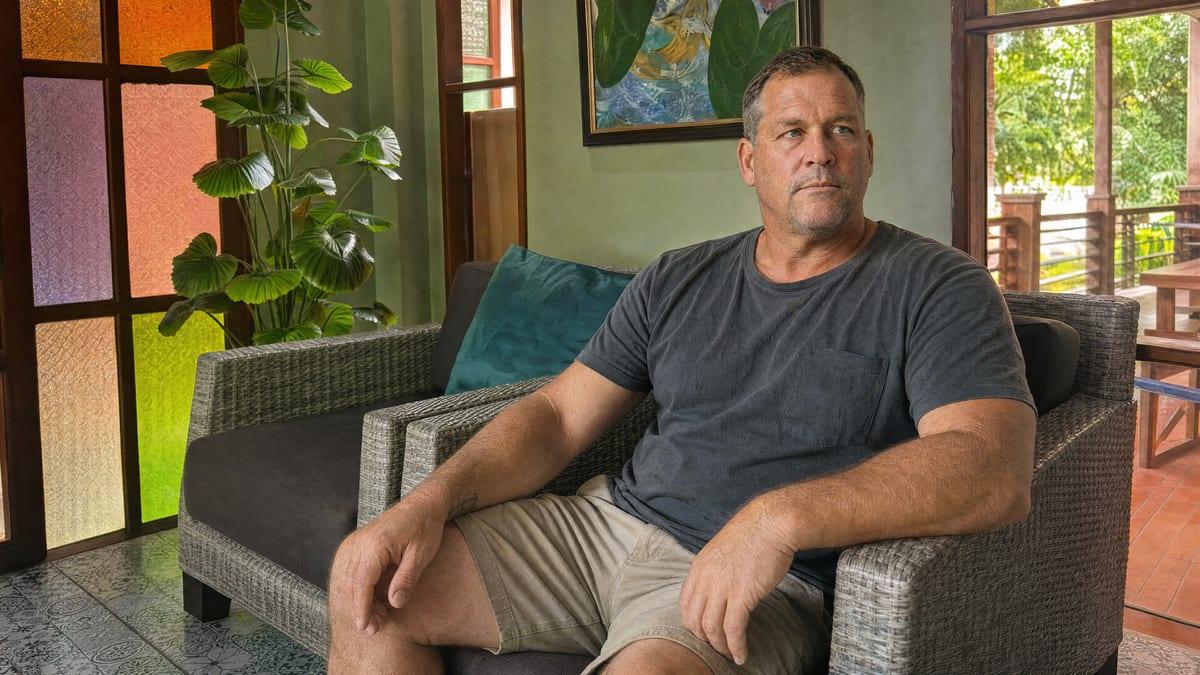
A fentanyl overdose produces respiratory depression and can kill within minutes.
When someone stops breathing after taking fentanyl, the window to save them is measured in minutes. A fentanyl overdose produces respiratory depression, which means breathing slows or stops within minutes of ingestion, leaving the brain without oxygen.
The signs differ from an alcohol or stimulant overdose in both speed and presentation. A person overdosing on fentanyl typically becomes unresponsive, develops blue or grey lips and fingertips, breathes shallowly or not at all, and shows pinpoint pupils. Gurgling or snoring sounds during unconsciousness signal partial airway obstruction from relaxed throat muscles. Where opioids have been combined with sedatives, the same suppressed breathing is part of what makes benzodiazepine dependence so dangerous alongside them.
Bystander response time is the single most important factor in survival, and fentanyl overdose can progress to respiratory arrest. Death from a pure opioid overdose is usually severe hypotension, hypoxia, and poor brain perfusion, as StatPearls on opioid toxicity documents. Anyone witnessing these signs should call emergency services immediately. In Thailand, dial 1669. Then place the person on their side in the recovery position if they are breathing, and administer naloxone if it is available.
How to Recognise a Fentanyl Overdose
| Sign | What it looks like | What it means |
|---|---|---|
| Breathing | Very slow, shallow, or stopped | The brain is being starved of oxygen |
| Skin | Blue or grey lips and fingertips | Dangerously low blood oxygen (cyanosis) |
| Responsiveness | Cannot be woken by voice or touch | A medical emergency. In Thailand, call 1669 now |
| Pupils | Pinpoint, very small | A hallmark sign of opioid effect |
| Sounds | Gurgling, snoring, or rattling | The airway is partly obstructed |
Breathing
What it looks like: Very slow, shallow, or stopped
What it means: The brain is being starved of oxygen
Skin
What it looks like: Blue or grey lips and fingertips
What it means: Dangerously low blood oxygen (cyanosis)
Responsiveness
What it looks like: Cannot be woken by voice or touch
What it means: A medical emergency. In Thailand, call 1669 now
Pupils
What it looks like: Pinpoint, very small
What it means: A hallmark sign of opioid effect
Sounds
What it looks like: Gurgling, snoring, or rattling
What it means: The airway is partly obstructed
Fentanyl combined with benzodiazepines is a high-risk overdose pairing.
The combination that kills most often is one many people never realise they have taken. Fentanyl combined with benzodiazepines is a high-risk pairing because both substances suppress breathing through different pathways and their effects compound rather than simply add together.
Opioids depress the brain's breathing drive directly. Benzodiazepines switch off the emergency response that would otherwise force a gasping breath when oxygen drops critically low. Together they remove both the primary respiratory drive and the protective backstop, so someone with benzodiazepines in their system needs a lower fentanyl dose to die than they would without them.
This has moved from illicit drug use into prescription patterns. A person taking prescribed benzodiazepines for anxiety who then uses any street opioid, including a contaminated painkiller, is at substantially higher risk of fatal overdose than someone using opioids alone. For clients arriving with both an opioid use disorder and benzodiazepine dependence, our co-occurring disorder treatment sequences both withdrawal processes, with alcohol and benzodiazepine detox managed first and opioid detox following. In 2023, nearly 70 percent of overdose deaths involving benzodiazepines also involved illegally manufactured fentanyl, as NIDA's overdose death figures document.
“Our job is to prepare them for what is coming. They think the first couple of days on the methadone taper are not so bad. Little do they know the misery comes later. We want them to know it will come, and they will get through it.
Naloxone reverses fentanyl overdose and bystander training saves lives.
The most directly life-saving skill a family can hold is knowing how to use one small medication. Naloxone reverses an opioid overdose by blocking the receptors fentanyl binds to, temporarily restoring normal breathing within two to five minutes of being given.
Naloxone is available as a nasal spray, sold as Narcan, and as an injectable. It works only on opioids, not on benzodiazepines or alcohol, so in a mixed overdose it will reverse the opioid component while the sedative component remains, which is why emergency care is still needed even after it is given. As part of the first week of opioid treatment, the medical team also reviews each client's prior overdose history during intake, so that risk is understood before detox begins.
Bystander naloxone training is now a standard harm-reduction measure for anyone who uses opioids and for the people who live with them. High-potency opioids like fentanyl often require more than one dose because the drug's activity at the receptor can outlast a single dose, a point the NIDA DrugFacts on naloxone makes clearly. For a family waiting for their person to enter or complete treatment, learning to recognise an overdose and give naloxone is one of the most protective things they can do.
Tolerance resets after detox and the first weeks post-treatment are the most dangerous.
The hardest fact for anyone leaving opioid treatment to hold is that the safest they have felt in months is also when a relapse is most likely to kill them. When a person detoxes from fentanyl, opioid tolerance drops significantly within days, so a pre-treatment dose that once felt manageable carries a high probability of fatal respiratory arrest in someone who has been abstinent for two weeks.
The person who entered treatment was using a dose calibrated to a body with significant opioid tolerance. Detox removes that tolerance. The brain adapts quickly in the absence of opioids, and two weeks after the last use the neurological buffer that once made a certain dose survivable no longer exists. Anyone weighing treatment for themselves or a family member can speak with Jintara's clinical team about exactly how this window is managed.
A return to a pre-treatment opioid dose after abstinence can be deadly because tolerance has fallen, as NIDA's overview of treatment and recovery sets out. This is not because treatment failed. It is because reduced tolerance, familiar environments, and the stress of reintegration converge into the highest-risk window in the whole recovery trajectory, which is why discharge planning treats it as the central problem rather than an afterthought.

Medically supervised fentanyl detox addresses the risks that self-detox cannot.
Fentanyl detox at Jintara uses a medically managed protocol overseen by a psychiatrist and nursing staff available around the clock, with each client's withdrawal severity assessed at admission and monitored throughout. That structure is what the Jintara admissions process is built to put in place before withdrawal even begins.
Opioid withdrawal is not directly life-threatening in the way alcohol withdrawal is. A person detoxing from opioids will not typically die from the withdrawal itself, but they will experience a level of physical suffering that, without medical management, drives most people back to using within hours or days. Darren Lockie, Jintara's founder, puts the clinical reality plainly: "I really don't like self-detoxing anything, whether it's alcohol, opioids, or anything. Being in a medically supervised detox is always important. Trying to do it without that is very, very risky."
The primary medication for opioid withdrawal at Jintara is a methadone taper. Methadone is a full opioid agonist that reduces withdrawal symptoms without producing the euphoric response of shorter-acting opioids. Buprenorphine, sold as Suboxone, is not legally available in Thailand and is not used here. The taper is managed by the treating psychiatrist, with nursing staff monitoring vital signs and the client's reported experience throughout.
Discharge planning targets the first 30 days as the highest-risk window.
Because the weeks after treatment are the deadliest, the plan for them cannot be left to the final day. The first 30 days after leaving residential treatment are the period of highest overdose mortality for people with opioid use disorder, and this reality shapes how the treatment program is planned from the start.
Discharge planning begins during the first week of treatment, not the final days. It means identifying the specific situations, people, and environments a client will face at home, and building a concrete structure for the first 30 days that addresses each risk. For clients completing opioid treatment, the plan covers what to do when a craving feels unmanageable, who to call at any hour, what to do if they are exposed to their previous supply, and the instruction not to use alone under any circumstances during the first month after discharge.
The 30-day program provides enough time for the acute withdrawal phase to pass, for therapy to address the psychological drivers of use, and for that plan to be practised rather than described on a final day. A person leaving with a written aftercare plan, named contacts, and a structured first week is in a fundamentally different position from someone leaving with verbal advice.

Talk with Our Admissions Team
Your enquiry is confidential and goes only to our admissions team.
Common Questions About Fentanyl Overdose
There is no reliable threshold, because street fentanyl concentration varies enormously between batches and sources. Pharmaceutical fentanyl is measured in micrograms, or millionths of a gram. A few milligrams of fentanyl, an amount smaller than a few grains of salt, can be lethal in a person without opioid tolerance. The unpredictability of street supply is precisely what makes fentanyl so dangerous compared with other opioids.
The key signs are unresponsiveness, very slow or stopped breathing, blue or grey lips and fingertips, and pinpoint pupils. A gurgling or rattling breath indicates partial airway obstruction. These signs can develop within minutes of ingestion. Anyone witnessing them should call emergency services immediately. In Thailand, dial 1669. Then give naloxone if it is available. Place the person on their side in the recovery position if they are breathing.
Naloxone is a medication that temporarily blocks opioid receptors, reversing the respiratory depression caused by fentanyl or other opioids. Nasal spray naloxone, sold as Narcan, typically begins reversing an overdose within two to five minutes. With high-potency opioids like fentanyl, a second or third dose may be needed because the opioid can outlast a single dose. Naloxone does not reverse benzodiazepine or alcohol effects, so emergency care is still required even after giving it.
Yes, with a fast bystander response and naloxone, survival is possible. The critical factor is how quickly breathing is restored. Prolonged respiratory arrest causes brain injury from oxygen deprivation, which can become irreversible within minutes. Survival rates are substantially higher when someone is present, recognises the overdose, and gives naloxone immediately rather than waiting for emergency services to arrive.
Because opioid tolerance resets rapidly during abstinence. A dose that felt manageable before treatment can cause fatal respiratory arrest two weeks after detox, because the body's tolerance buffer no longer exists. Overdose mortality data consistently shows the highest death rates in the first one to four weeks after leaving residential opioid treatment. This is why discharge planning and post-treatment support are not optional extras but core components of opioid treatment.
Yes. Jintara treats opioid use disorder including fentanyl addiction through a medically supervised detox protocol using a methadone taper, followed by structured therapy that addresses the psychological patterns underlying use. The 30-day program includes individual therapy, group therapy, and discharge planning developed during treatment rather than at the end of it.
Three things matter most. First, someone in active fentanyl use is at risk every time they use, because street dosing is not consistent. Second, the period immediately after discharge from residential treatment is the highest-risk window, because tolerance has reset. Third, naloxone training is recommended for anyone who lives with or cares for a person in opioid recovery. Knowing how to recognise an overdose and give naloxone is the most directly protective action a family member can take.
Jintara is a small adult residential rehab in Chiang Mai with 24-hour awake nursing and psychiatrist-led medical detox, where fentanyl detox is managed on a methadone taper rather than a fixed protocol.
Jintara Rehab is licensed by the Thai Ministry of Public Health as a rehabilitation centre. The clinical information on this page describes Jintara's general approach to supporting clients during the early recovery period. Medical decisions, including medication protocols, are determined by addiction-specialist psychiatrists through our partner hospital pathway. Individual treatment varies based on clinical assessment. This content is for informational purposes and does not constitute medical advice.