

Gabapentin and opioids together create a life-threatening respiratory risk.
The combination of gabapentin and opioids is one of the most underestimated dangers in prescription drug misuse. The FDA has issued a formal safety warning about this pairing, and the risk is not theoretical. If you or someone you care about uses both substances, understanding the danger is the first step. Jintara's gabapentin addiction treatment program manages both dependencies together, under medical supervision, from day one.
- Gabapentin combined with opioids dramatically increases the risk of fatal respiratory depression.
- The FDA has formally warned that this combination raises overdose and death risk substantially.
- Both substances require simultaneous medical management during detox to reduce withdrawal risk.
- Jintara's 24-hour nursing team monitors respiratory function throughout the detox period.


Fully Licensed and Hospital Accredited
Gabapentin and Opioids Combined Create a Compounding Respiratory Risk.
Gabapentin and opioids combined is concurrent use of a gabapentinoid alongside opioid analgesics or illicit opioids. The US Food and Drug Administration formally identified this pairing as increasing the risk of respiratory depression and serious breathing difficulties.
Gabapentin (sold under the brand name Neurontin) is prescribed for nerve pain, epilepsy, and sometimes anxiety and sleep disorders. It works by reducing excitatory signals in the nervous system. Opioids operate via a separate but overlapping mechanism, binding to receptors that slow breathing, reduce pain signals, and produce sedation. When both are active in the body at the same time, their CNS-depressant effects compound rather than simply add together. The result is a respiratory system under far greater pressure than either substance alone would create.
What makes this combination particularly dangerous is how unremarkable it can appear at standard doses. A person taking a prescribed opioid for chronic pain alongside a prescribed gabapentin dose may not feel acutely unwell. The risk is not always felt before it becomes a crisis. This is why clinical awareness of the combination matters, and why the FDA acted to warn prescribers and the public directly. For anyone already dependent on both substances, stopping either one independently carries its own risks. The path forward requires medical supervision during detox, not a decision made alone.
- FDA-identified pairing: The US Food and Drug Administration formally identified concurrent gabapentinoid and opioid use as increasing the risk of respiratory depression and serious breathing difficulties.
- Two mechanisms at once: Gabapentin reduces excitatory signals in the nervous system. Opioids bind to receptors that slow breathing, reduce pain signals, and produce sedation. When both are active, CNS-depressant effects compound rather than simply add together.
- Risk can look unremarkable: A person taking a prescribed opioid for chronic pain alongside a prescribed gabapentin dose may not feel acutely unwell. The risk is not always felt before it becomes a crisis.

Why the FDA Issued a Specific Warning About This Pairing.
The FDA's formal safety communication on gabapentin and central nervous system depressants, which includes opioids, identified serious and life-threatening breathing problems as a documented risk when these substances are combined.
The warning covers gabapentin (Neurontin, Gralise) and pregabalin (Lyrica), which belong to the gabapentinoid drug class. The FDA noted that respiratory depression is the central concern. The risk is elevated in people who are elderly, have underlying lung conditions, or use opioid pain medicines or other drugs that depress the central nervous system.
The FDA's action requires new warnings about the risk of respiratory depression in gabapentinoid prescribing information. Manufacturers were also required to conduct clinical trials to further evaluate abuse potential, particularly in combination with opioids, because co-use may increase the risk of respiratory depression. Health care professionals are advised to start gabapentinoids at the lowest dose and monitor patients for respiratory depression and sedation when co-prescribing with an opioid. For people seeking opioid dependence treatment who are already using both substances, the message is direct: the danger is real, medically documented, and not something to manage by trying to reduce one substance alone without clinical support.
- What the communication covers: The FDA's safety communication on gabapentin and CNS depressants, including opioids, identified serious and life-threatening breathing problems as a documented risk of the combination.
- Who is at higher risk: The warning covers gabapentin (Neurontin, Gralise) and pregabalin (Lyrica). Risk is elevated in people who are elderly, have underlying lung conditions, or use opioid pain medicines or other CNS depressants.
- Prescribing changes required: Manufacturers were required to add respiratory-depression warnings and to conduct clinical trials evaluating abuse potential, particularly in combination with opioids. Clinicians are advised to start gabapentinoids at the lowest dose and monitor for respiratory depression and sedation when co-prescribing with an opioid.
Respiratory Depression Is the Primary Physiological Danger of This Pairing.
Respiratory depression is the slowing of breathing to a rate where the body cannot maintain adequate oxygen levels, and it is the mechanism through which gabapentin and opioid combinations, a pattern of prescription drug addiction, most often cause death. Both substances suppress the central nervous system, and their combined effect on the brainstem's respiratory control centres is additive and, at higher levels, potentially fatal.
Opioids are well-documented CNS depressants that act directly on opioid receptors in the brainstem, reducing the drive to breathe. Gabapentin compounds this by reducing excitatory neurotransmitter activity across the nervous system more broadly. When a person uses both, the brainstem receives suppression signals through two separate pathways simultaneously. The body's normal corrective response, which would ordinarily wake a person or trigger a deeper breath, is blunted. This is why many opioid-related deaths involving gabapentin occur during sleep.
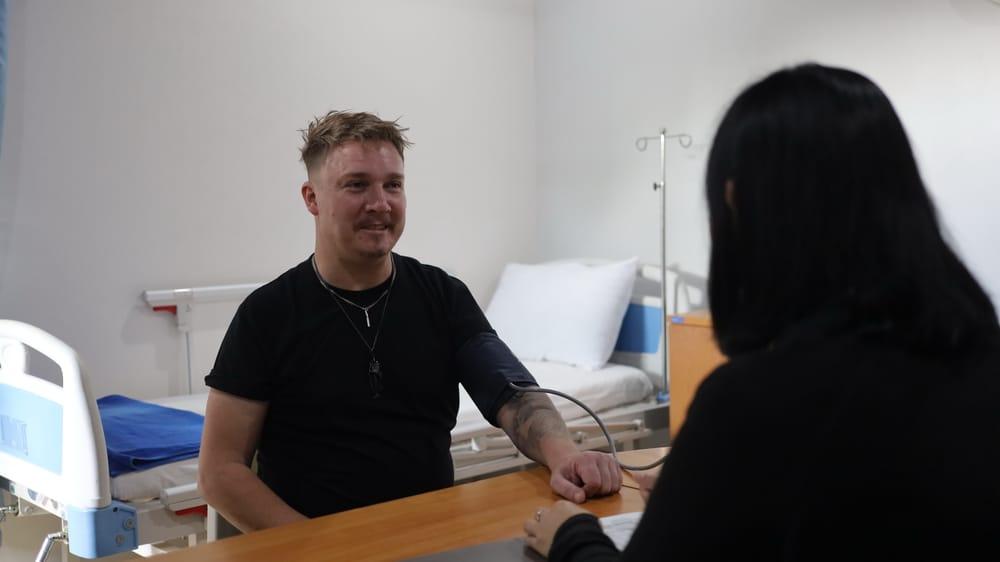
This physiological reality is what makes medically supervised detox from this combination non-negotiable. During detox, nurses at Jintara monitor for respiratory signs as part of routine observation, particularly in the early withdrawal phase when the body is adjusting and symptom patterns can be unpredictable. The goal is to detect any change in respiratory status early, respond before risk escalates, and adjust the medical plan in real time based on what the clinical team observes rather than waiting for a crisis to declare itself.
- The fatal mechanism: Respiratory depression is the slowing of breathing so the body cannot maintain adequate oxygen. It is the mechanism through which gabapentin and opioid combinations most often cause death.
- Two suppression pathways: Opioids act on brainstem opioid receptors and reduce the drive to breathe. Gabapentin reduces excitatory neurotransmitter activity more broadly. Combined, the body's ordinary corrective response is blunted, which is why many opioid-related deaths involving gabapentin occur during sleep.
- Why supervision is required: During detox, Jintara nurses monitor for respiratory signs as part of routine observation, particularly in early withdrawal, so a change in respiratory status can be detected and the medical plan adjusted before a crisis.
How Gabapentin Misuse Develops Alongside Opioid Dependence.
Gabapentin misuse in people who also use opioids frequently follows a specific pattern: the substance is initially used as prescribed, then increasingly taken at higher doses or more frequently because it enhances the euphoric effect of opioids, reduces tolerance gaps, or eases the discomfort of opioid withdrawal.
This makes gabapentin unusual among prescription medications. On its own, gabapentin has a relatively low misuse potential for most people. In the presence of opioid dependence, however, the picture changes. The reinforcing effect of the combination, specifically the way gabapentin can intensify and extend opioid-induced euphoria, creates a separate motivation for continued use that operates alongside the original opioid dependence. What begins as a prescribed nerve pain medication can become a functional part of a person's substance use pattern without that person fully recognising the shift.
A related issue is concealment. People presenting for opioid treatment may not disclose gabapentin use, either because they do not consider it a drug of misuse or because they are concerned it will affect their treatment options. The clinical team at Jintara checks for this directly on arrival through a urine drug screen that identifies all substances present, not only the ones disclosed in the intake conversation. This matters because undisclosed gabapentin use changes the withdrawal risk profile and the medical plan required to manage prescription drug dependence safely.
- How the pattern starts: Gabapentin is often initially used as prescribed, then taken at higher doses or more frequently because it enhances the opioid effect, reduces tolerance gaps, or eases opioid withdrawal.
- Low misuse potential alone: On its own, gabapentin has a relatively low misuse potential for most people. In the presence of opioid dependence the reinforcing effect of the combination creates a separate motivation for continued use.
- Concealment at intake: People presenting for opioid treatment may not disclose gabapentin use. Jintara checks on arrival with a urine drug screen that identifies all substances present, not only those disclosed in the intake conversation.

Withdrawal from Both Substances Requires Simultaneous Clinical Management.
Withdrawal from gabapentin and opioids simultaneously is more clinically complex than withdrawal from either substance alone, and the symptoms of each can mask or amplify those of the other in ways that require consistent medical observation to manage correctly.
Opioid withdrawal is characterised by intense physical discomfort including muscle pain, nausea, agitation, sweating, and powerful cravings. It is rarely life-threatening but is physically and psychologically severe enough to drive early dropout from treatment. Gabapentin withdrawal can include anxiety, insomnia, pain, sweating, and in some cases seizures, particularly in people who have been using high doses over an extended period. The seizure risk during CNS depressant withdrawal is the primary reason gabapentin withdrawal requires medical oversight rather than self-management at home.
When both withdrawals occur together, the clinical picture can be difficult to read without structured monitoring. A symptom that appears to be opioid withdrawal may partly reflect gabapentin rebound. The nursing team at Jintara documents symptoms, vital signs, and presentation continuously across shifts so that the day team and the night team are working from the same picture. This handover structure means that symptom changes developing slowly over hours are not missed, and the psychiatrist can adjust the medication plan when the clinical evidence supports it.
- Opioid withdrawal: Intense physical discomfort including muscle pain, nausea, agitation, sweating, and powerful cravings. Rarely life-threatening, but severe enough to drive early dropout from treatment.
- Gabapentin withdrawal: Can include anxiety, insomnia, pain, sweating, and in some cases seizures, particularly after high-dose use over an extended period. Seizure risk is the primary reason this withdrawal needs medical oversight.
- Symptoms can mask each other: A symptom that appears to be opioid withdrawal may partly reflect gabapentin rebound. Jintara nursing documents symptoms, vital signs, and presentation across shifts so slow changes over hours are not missed.

Dual Detox at Jintara Manages Both Substances as a Single Clinical Problem.
Dual detox from gabapentin and opioids at Jintara is managed as a single clinical problem, not as two separate withdrawal processes happening in sequence, because the interactions between the two substances mean that treating them independently increases risk rather than reducing it.
The medication plan is developed by the treating psychiatrist following an initial assessment that identifies all substances used, the approximate quantities, the duration of use, and any health conditions that may affect detox. Nursing input from the first hours of observation shapes the plan further, because what the nurse sees in real time, including sleep quality, vital signs, agitation levels, and withdrawal symptom scoring, provides clinical data that the psychiatrist uses to refine the approach. The plan is not fixed at admission. It adjusts as detox progresses.
Jintara includes psychiatrist assessment and nursing care within the standard medical detox service. Prescribed medications that the psychiatrist determines are necessary for safe withdrawal are an additional cost, but the clinical oversight, the 24-hour nursing presence, and the monitoring framework are part of the program. The team also conducts a full medical assessment including bloods, liver and kidney function, and cardiac review on day two, which is particularly relevant for people who have used opioids and gabapentin together at significant doses, where organ and cardiovascular markers may be affected by the combined use pattern. For more on how admissions works at Jintara and what the intake clinical assessment involves, visit the admissions page.

“We tell people what we specialise in, we tell them what we don't do, and we refer them to rehabs that might be a better fit. With polypharmacy cases, knowing exactly what is in the system on arrival is non-negotiable. That is what the urine screen and the psychiatrist assessment are for.
Continuous Monitoring During Combination Detox.
Continuous monitoring during detox from gabapentin and opioids means awake, observing nursing staff throughout the night, not a nurse on call in a nearby room. Lertkhwan Sukpia, Jintara's Head Nurse, leads the nursing team and sets the observation protocols for each client based on their withdrawal risk profile in Jintara's 30-day residential program.
The distinction matters because respiratory depression, the primary risk of this drug combination, can develop while a person is asleep and present no visible warning to the individual themselves. A nurse who is asleep or simply on call cannot observe the early signs: altered breathing rhythm, changes in responsiveness, or the subtle shifts in presentation that a trained clinician watching closely will notice before they become a medical emergency. At Jintara, nurses remain awake overnight and conduct scheduled checks on clients in detox, with frequency determined by risk level and withdrawal scoring.
During detox from this specific combination, the team pays particular attention to respiratory signs alongside the standard withdrawal indicators. Observations are documented shift by shift, and anything that does not match the expected pattern of detox is flagged for review rather than explained away. The team's position is that a precautionary hospital assessment is preferable to a late response. When red-flag symptoms appear, the escalation pathway to the trusted hospital contacts Jintara works with is activated without delay. The team does not wait for certainty when the risk is respiratory.
Families watching from overseas often ask whether overnight monitoring is genuinely clinical or reassuring language on a website. The answer is verifiable: the Healthcare Accreditation Institute, the Princess Mother National Institute on Drug Abuse Treatment, and the Department of Medical Services, the three national bodies that set Thailand's hospital-grade clinical standard, independently inspected Jintara's protocols and confirmed they meet that standard. Certificate no. 25/2569. Proven to a hospital's bar, and small enough to know your family member by name.
Recovery After Combined Gabapentin and Opioid Detox Requires Structured Therapy.
Completing detox from gabapentin and opioids is the medical foundation of recovery, not the recovery itself. The patterns of use that brought both substances into play, whether chronic pain management, self-medication of anxiety or sleep disturbance, or the reinforcing cycle of euphoria-seeking, do not resolve when the substances clear the body.
What follows detox at Jintara is the therapeutic program, which runs in parallel with detox from the earliest stable point and continues as the full focus once the acute withdrawal phase passes. Therapists with post-graduate qualifications, each holding a master's degree in counselling, psychology, or a related clinical field, work with clients to identify the psychological drivers of the substance use pattern, build coping skills that replace the function the substances were serving, and develop a realistic plan for the post-treatment period. EMDR therapy for trauma and addiction is available for clients where unresolved trauma is a contributing factor in the addiction pattern.
For people coming off a gabapentin and opioid combination, the therapy phase often includes attention to pain management strategies that do not rely on substances that carry dependency risk. It also includes work on the anxiety or sleep disruption that may have been the original motivation for gabapentin use, so that these needs are met through approaches that support long-term recovery rather than trading one risk for another. The 30-day program provides the time for this foundation to be built properly.


Talk with Our Admissions Team
Your enquiry is confidential and goes only to our admissions team.
Common Questions About Gabapentin and Opioid Dependence
Gabapentin and opioids both suppress the central nervous system but through different mechanisms. When both are active simultaneously, their combined effect on the brainstem's respiratory centres is compounding, meaning the risk of breathing slowing to a dangerous or fatal rate is substantially higher than either substance would create alone. The FDA has formally documented this respiratory-depression risk when gabapentinoids are used with opioids or other central nervous system depressants.
Gabapentin has a relatively low misuse potential for most people when taken as prescribed for its intended uses. However, in people who also use opioids, gabapentin can reinforce and extend the opioid effect, which creates a secondary pattern of misuse that becomes difficult to separate from the opioid dependence. Whether or not someone meets a clinical definition of gabapentin dependence, physical withdrawal symptoms on stopping mean medical oversight is still recommended, particularly after extended higher-dose use.
The primary overdose risk is respiratory failure. Both substances slow breathing, and combined they can suppress breathing to a point where the body cannot maintain adequate oxygen. This risk is highest during sleep, when natural respiratory drive is already reduced, and is elevated in people who are older or have lung conditions. Many gabapentin-involved opioid deaths occur in people whose individual doses would not have been considered lethal.
Yes. The withdrawal profile of this combination can include opioid withdrawal symptoms alongside gabapentin withdrawal, including potential seizure risk at higher doses, and requires clinical monitoring. Attempting to manage both withdrawals at home significantly increases the risk of complications and early return to use. Medical detox provides the safety net that makes the withdrawal period survivable and the transition to therapy possible.
Opioid withdrawal produces intense physical discomfort including muscle pain, nausea, sweating, and cravings. Gabapentin withdrawal can include anxiety, insomnia, pain, and in some cases seizures after extended high-dose use. When both occur together, the combined symptom load can be severe and difficult to interpret without nursing observation. The experience is hard but manageable within a medically supervised setting where the plan adjusts in real time.
The treating psychiatrist develops a medication plan following an assessment of all substances used, quantities, and health history. Nursing observation runs 24 hours, with awake nurses conducting checks based on withdrawal scoring and risk level. The plan is not static: it adjusts as the client progresses and as the nursing team reports what they observe. The goal is to manage both withdrawal pathways simultaneously, with respiratory monitoring as a specific clinical priority given the known risk profile of this combination.
Stopping gabapentin abruptly, especially after extended higher-dose use, carries a seizure risk that makes unsupervised cessation clinically inadvisable. Stopping opioids abruptly alongside it adds the opioid withdrawal burden simultaneously. The preferred clinical approach is a structured, medically supervised withdrawal that accounts for both substances, manages the most dangerous withdrawal pathway first, and tapers support in a controlled way as symptoms stabilise.
Yes. Jintara holds joint accreditation from three national authorities: the Healthcare Accreditation Institute, which accredits Thailand's hospitals; the Princess Mother National Institute on Drug Abuse Treatment; and the Department of Medical Services, Ministry of Public Health. Certificate no. 25/2569 was issued 20 May 2026 and is valid through 19 May 2029. Jintara is one of only six private rehabs in Thailand to hold this accreditation. The monitoring protocols described on this page were part of the accreditation assessment.
It means the clinical standards applied to the detox process, including how nursing observations are documented, how vital signs are reviewed, and how escalation decisions are made, were assessed by independent national authorities and confirmed to meet Thailand's hospital-grade clinical standard. The three accrediting bodies cover medical, addiction, and public health standards simultaneously. For a family member watching from a distance, accreditation provides a checkable fact rather than a seller's claim.
Jintara provides a full clinical assessment at the start of every admission to confirm the treatment plan is appropriate for the specific substance history. If you are unsure whether Jintara is the right fit, the admissions team will tell you honestly, and refer you to a more suitable program if yours is a better match. More information about the program and the admissions process is available at Jintara Rehab.
Jintara is a small adult residential rehab in Chiang Mai. Gabapentin and opioid co-dependence is among the most medically complex combinations we treat. Both substances require simultaneous management throughout detox.
Jintara Rehab is licensed by the Thai Ministry of Public Health as a rehabilitation centre. The clinical information on this page describes Jintara's general approach to supporting clients during the early recovery period. Medical decisions, including medication protocols, are determined by addiction-specialist psychiatrists through our partner hospital pathway. Individual treatment varies based on clinical assessment. This content is for informational purposes and does not constitute medical advice.