
Why 28 Days in Rehab Is Often Not Enough
The 28-day standard came from 1980s insurance billing cycles, not clinical evidence. Darren Lockie explains why complex needs usually require a longer stay.
Written by Darren Lockie | Medically reviewed by Denise O'Leary | Published: June 25, 2026 | Last Updated: June 29, 2026
The 28-day rehab standard was built around billing cycles, not clinical evidence.
The 28-day rehab standard is a billing convention, not a clinical evidence threshold.
American insurance providers, operating under the constraints of the Mental Health Parity Act and managing costs, settled on 28 days as the covered period for inpatient treatment in the 1980s. It was a reimbursement boundary, not a treatment recommendation. Facilities structured their programs to match the billing cycle because that was what insurers would pay for. Over decades, the 28-day model became industry convention by default.
Shorter treatment periods are associated with higher relapse rates for most substance use disorders. On duration, NIDA's treatment overview notes that people may require long-term or multiple episodes of treatment to achieve long-term recovery, and that residential programs usually last a few weeks to a few months.
The 28-day model persists in international rehab marketing because it is a clean, manageable number that is easier to sell. That does not make it clinically adequate for the majority of people who arrive at residential treatment.
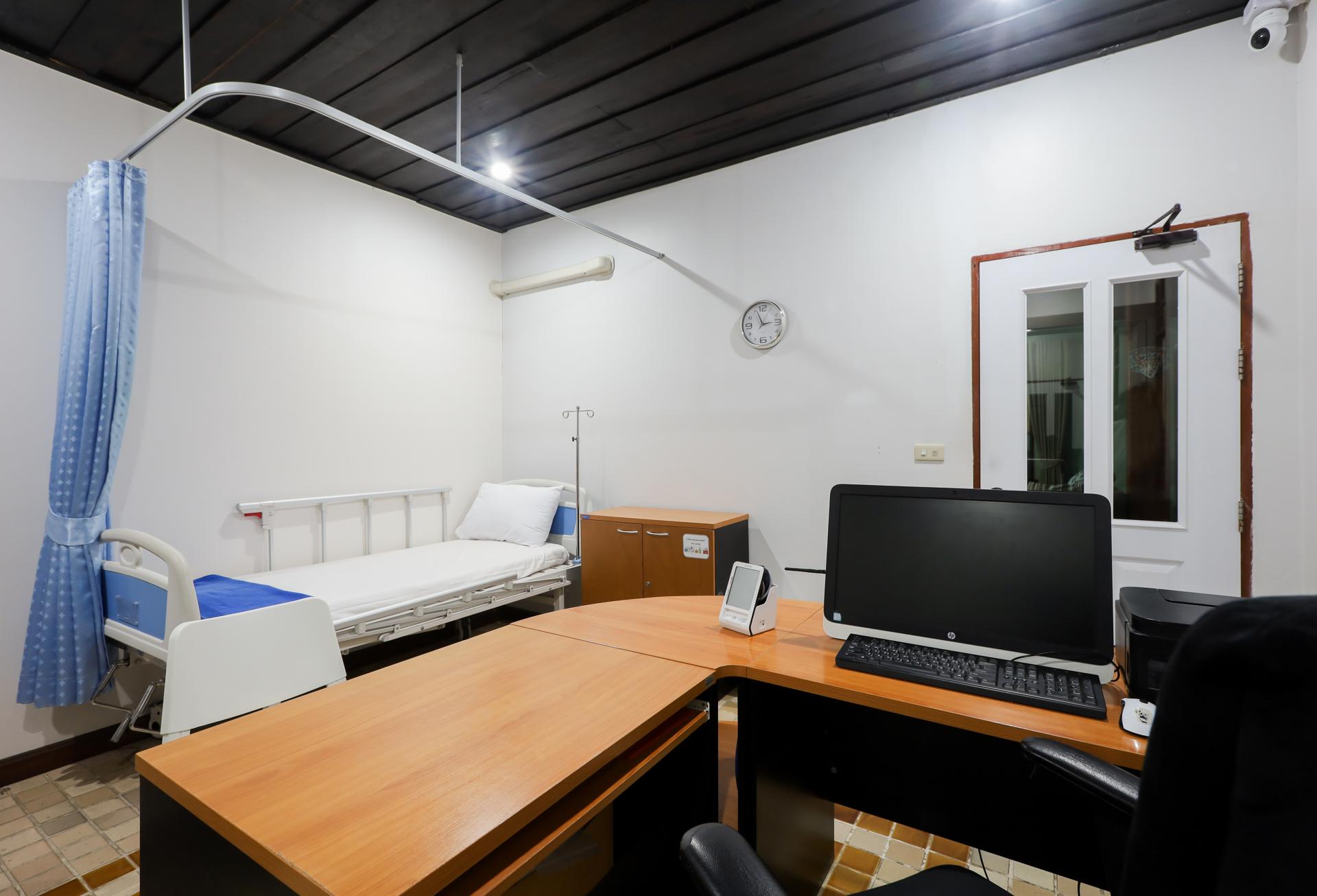
What 28 days can realistically achieve, and what it cannot.
Twenty-eight days of residential treatment is enough time to complete medical detox, stabilise physically, and begin therapeutic work, but rarely enough time to consolidate those gains. That matters most to anyone whose available window is exactly 28 days, which is where most FIFO workers start from.
The first week of inpatient treatment is dominated by detox and physiological stabilisation. A client managing alcohol withdrawal is closely monitored and medicated to prevent seizures. A client coming off opioids is in the acute phase of withdrawal. A client in early meth abstinence is managing the slow return of dopamine regulation. By the time acute withdrawal settles and the person is physically present enough to engage in therapy, seven to ten days have passed.
That leaves three weeks of meaningful therapeutic time. Sixty-five to seventy hours of individual and group therapy in 30 days is intensive by any measure. But building the psychological tools to manage triggers, address underlying trauma, and restructure daily life over the long term requires repetition and consolidation that three weeks cannot provide for most people. SAMHSA's Treatment Improvement Protocol 41 says groups should stay small enough for participants to feel heard and understood. Group therapy runs on a four-week cycle at Jintara. A client leaving after 28 days completes the cycle once. A client staying for eight weeks completes it twice, with the second pass producing meaningfully deeper integration.
The 30-day program at Jintara is the starting point, not the ceiling. It works well for people with shorter use histories, minimal complicating factors, and strong social support at home. For the majority of people who present with complex needs, the clinical recommendation extends beyond 28 days.

Substances that typically require more than four weeks.
Benzodiazepines, opioids, methamphetamine, and long-term alcohol use are the four presentations most likely to require extended treatment beyond 28 days. Duration is not the only gap. A program that treats one substance and never assesses the other leaves the door open to a second substance taking its place.
Benzodiazepines are the clearest case. A person with significant benzo dependence cannot safely discontinue without a managed taper. The taper itself can run for two to three months. The ASAM joint clinical practice guideline on benzodiazepine tapering states that a full taper may take months, particularly after high-dose use over an extended period. After reaching zero, Jintara keeps a minimum three-week post-zero window to monitor for rebound anxiety, which is expected and normal. A 28-day stay cannot accommodate a meaningful benzo taper. Attempting to rush it creates risk.
For opioids, the acute withdrawal period is followed by a prolonged period of post-acute withdrawal symptoms, including sleep disruption, mood instability, and cravings. NIDA's report on the long-term effects of heroin notes that major withdrawal symptoms usually subside after about a week, but some people have persistent withdrawal signs for many months. Medication-assisted treatment protocols, where appropriate, require time to titrate and stabilise. The first 28 days is often the period in which medication is being adjusted rather than the period in which stable recovery work can begin.
Methamphetamine recovery is different again. The neurological effects of long-term meth use on dopamine regulation mean that the early weeks of abstinence can look like severe depression. From Darren's more than 15 years of clinical observation: "In the first two or three weeks, they will look for any reason to leave." People who stay beyond five or six weeks move through that phase and into genuine engagement with treatment. Twenty-eight days often ends exactly at the most difficult point, before the turn.
For long-term alcohol use, particularly where there are associated liver, cardiac, or metabolic complications, the medical review conducted on day two at Jintara frequently reveals complicating factors that extend the clinical picture beyond what a 28-day program can safely address.
Extended stays at Jintara are structured around these presentations specifically. Duration is matched to the clinical picture, not to what is convenient to market.

“I had a client who wanted to come for two weeks. I told him no. It would have been unethical of me to take his money and tell him I could help him in two weeks.
Dual diagnosis and trauma change the timeline significantly.
When a person presents with both a substance use disorder and an underlying mental health condition, the treatment timeline extends because both conditions need to be addressed sequentially, and in the right order.
The addiction track comes first. Underlying anxiety, depression, trauma, or other mental health presentations cannot be reliably assessed or treated while the person is in acute withdrawal or early recovery. The brain chemistry is too disrupted. Therapy initiated in that window produces limited results because the person does not have the cognitive and emotional stability to engage with it deeply.
Once the addiction track is stable, typically after three to four weeks of residential treatment, the mental health track can begin. For trauma and PTSD, this means Eye Movement Desensitisation and Reprocessing, which requires preparation sessions before processing work can start. Darren describes the position on trauma timing directly: "We don't really accept anyone for detailed trauma work unless they have committed for two months." That is not a commercial position. It is a clinical one. Beginning trauma processing and then discharging the client before that work is consolidated can be more harmful than not beginning it at all. According to SAMHSA's TIP 42 on co-occurring disorders, treatment of co-occurring substance use and mental health conditions should address both disorders, set sequenced goals, and offer integrated services. A 28-day window rarely allows all three.
For anxiety, major depression, and grief, meaningful progress can be made within a single month for some people. The honest position is that it depends on severity. A client with long-standing, treatment-resistant depression who has been self-medicating with alcohol for years will not resolve that picture in four weeks. A client with situational anxiety driven by an identified stressor has a different clinical trajectory.
These distinctions are worth understanding properly. Each is explored on our dual diagnosis pages in more depth. The timing principle above applies across all of them.
The financial reality and the honest answer.
A longer stay costs more. That is true, and it is worth stating plainly rather than obscuring it behind clinical language.
Jintara's 30-day program is USD $12,500 all-inclusive. All psychiatric services, 24/7 nursing, holistic therapy, and the full day-two hospital workup are included. There are no extras. If the clinical picture calls for more time, extensions are available in weekly increments with no upfront commitment beyond the initial 30 days.
When people discuss the cost of private residential treatment online, the assumption that comes up most often is something close to a thousand dollars a night or more. At Jintara, the 30-day program works out to approximately USD $417 a day for a fully staffed, licensed private facility with 24-hour awake nursing and a psychiatrist on call. People comparing that to publicly funded treatment in Australia or the UK are comparing structurally different things. A funded public program, where one is accessible and the wait is short enough to be relevant, comes with program lengths set by funding constraints rather than clinical need. Both options exist. They are not the same category of service.
That description of a 'licensed private facility' has independent verification behind it. Jintara holds joint hospital-grade accreditation issued by the Healthcare Accreditation Institute (HAI), the Princess Mother National Institute on Drug Abuse Treatment (PMNIDAT), and the Department of Medical Services, Ministry of Public Health (DMS), under certificate 25/2569, valid May 20 2026 to May 19 2029. These are the same three national bodies that assess Thailand's hospitals. The accreditation review covered clinical protocols, medication handling, and nursing standards. When the cost comparison above refers to 24-hour awake nursing and a psychiatrist on call, those are independently audited facts, not marketing descriptions.
Jintara has a financial incentive to recommend longer stays. We will say that plainly. The honest counter to that is this: Jintara has a maximum of 10 clients at any time and a full clinical team of 32 staff. Revenue is not the constraint. The facility does not grow by extending stays, and there is no minimum bed quota. What grows is our clinical reputation, and that depends on outcomes. When Darren tells a prospective client they need eight weeks for a long-standing benzo dependency, it is because more than 15 years in this field has shown him what happens when people leave too early.
Some people do well in 30 days. People with shorter use histories, strong family support, minimal complicating factors, and the commitment to continue structured outpatient support at home can achieve stable recovery in a structured 30-day program. That is an honest assessment, not a marketing caveat.
“The addiction program alone can barely be squeezed into four weeks. Honestly, I think eight weeks would be better for most people.
What determines the right duration for each person
There is no dropdown with three options. Duration at Jintara, Chiang Mai's private residential rehab, is not a selection on a booking form. It comes from an honest conversation about the clinical picture of the specific person who is considering treatment.
Before admission, every prospective client goes through an intake conversation with Darren Lockie. A second assessment is conducted by Denise O'Leary, focused on clinical picture: substance history, mental health history, family situation, and realistic goals for the stay. Khun Khwan, Jintara's Head Nurse, and the wider medical team also contribute their view of what the clinical picture requires. Those conversations result in a duration recommendation. The client is not told they must accept it. Jintara does not take payment beyond four weeks at a time and does not pressure anyone to commit to a longer stay upfront.
Where the clinical picture is clear, Darren is direct: for a 20-year benzo dependency or a long-term opioid habit with significant medical complications, the assessment says plainly that 30 days will not be sufficient. If a prospective client insists on a fixed short timeline and the clinical picture makes that an inadequate and potentially unsafe basis for a genuine treatment outcome, Jintara will sometimes decline to accept the admission. Not because of commercial preference, but because a facility's reputation for outcomes is its most important asset.
Duration is set through one mechanism. The assessment process before admission at Jintara establishes it first. It is then revisited during treatment and extended if the clinical situation warrants it.

Signs the person you love may need longer than 30 days
For family members and partners trying to work out what someone needs, the honest answer starts here: what is being changed is not just a behaviour. It is an underlying pattern that often took years to build. The detox period resolves the acute physical dependency. The work that follows, changing the behavioural patterns that kept the substance use going, cannot happen in the two or three weeks available after detox in a 30-day program for most people who have been using heavily for a long time.
Long duration of use is the most reliable indicator. A person who has been drinking heavily for 20 years, or using opioids daily for a decade, has sustained neurological changes that take more time to stabilise than a person who has been using for two or three years. The brain changes underlying addiction are not reversed in weeks. They are managed over months.
Multiple prior treatment episodes without lasting sobriety is a second signal. If someone has completed one or more 28-day programs and relapsed within weeks of leaving, the problem is unlikely to be motivation. It is more likely that the treatment window was too short to produce the neural and behavioural consolidation needed to sustain recovery in an unstructured environment.
Unresolved trauma is a third signal. Where the substance use is clearly connected to a history of abuse, significant loss, or chronic stress that has never been addressed therapeutically, a month of treatment will not be sufficient to begin that work safely, let alone complete it.
Severe dual diagnosis presentations, where the person is managing a serious psychiatric condition alongside substance use, require the sequential approach described above and therefore more time.
No article can map every situation. What someone needs depends on who they are, what they have been using, how long, what else is present clinically, and what is waiting for them at home after discharge. The only way to reach that level of specificity is to talk it through with someone whose goal is the clinical outcome of the person in front of them, not a monthly bed count. Darren takes every admissions call personally.
Questions about treatment duration at Jintara
- Is 28 days enough time to recover from addiction? For some people with shorter use histories and minimal complicating factors, 28 days is enough to complete detox and begin recovery. For most people presenting with long-term use, dual diagnosis, or a history of multiple prior treatment attempts, 28 days addresses the acute phase but leaves insufficient time for the therapeutic consolidation that supports lasting recovery.
- Why do so many rehabs offer 28-day programs? The 28-day standard emerged from American insurance reimbursement decisions in the 1980s. Insurers set 28 days as the covered inpatient period, and facilities built their programs around the billing cycle. It became industry convention by default, not because research supported it as the optimal treatment period.
- What does NIDA say about treatment length? The National Institute on Drug Abuse states that shorter treatment durations are associated with higher relapse rates for most substance use disorders, and that meaningful reductions in drug use and improved social functioning typically require three months or more of treatment. This is consistent with clinical experience at residential facilities treating complex presentations.
- Does staying longer in rehab guarantee better outcomes? No. Duration alone does not determine outcomes. A well-matched program of adequate length is more likely to produce durable recovery than either a brief program or a long stay in an inappropriate clinical setting. The right duration for each person depends on what substance they have been using, how long, whether underlying mental health needs are present, and what support is available at home after discharge.
- How much does it cost to stay longer than 30 days at Jintara? Jintara's 30-day program is USD $12,500 all-inclusive. If the clinical picture calls for more time, extensions are available in weekly increments. There is no requirement to commit to a longer duration upfront. Pricing for extensions is available through admissions.
- Can family members participate in the assessment process? Yes. Family members who are part of the decision-making process are encouraged to be involved in the intake conversation. Darren Lockie takes every admissions call personally. Where a family member is the first point of contact, the assessment will typically include a parallel conversation with the person themselves before a duration recommendation is made.
- What substances typically need more than 28 days at Jintara? Benzodiazepine dependence typically requires eight weeks or more because the taper itself can run for two to three months. Opioid dependence with significant post-acute withdrawal symptoms benefits from extended time. Long-term methamphetamine use often needs six to eight weeks to move through the period of acute dysphoria in early abstinence. Any presentation involving concurrent trauma or PTSD requires at minimum two months at Jintara, as trauma therapy cannot safely begin until the addiction track is stable.
- Does Jintara ever turn away clients who want to come for only 28 days? In some cases, yes. Where the clinical picture is clear and 28 days would be insufficient and potentially counterproductive, Jintara will have an honest conversation about duration requirements. If a prospective client insists on a timeline that the assessment indicates is inadequate for safe and meaningful treatment, the facility may decline that admission. This position is consistent with the ethical standard Darren Lockie applies across all intake decisions.

Talk with Our Admissions Team
Your enquiry is confidential and goes only to our admissions team.