

Sleeping Pill Dependence is Medical. So is the Treatment.
Ambien, Lunesta, and zopiclone are prescribed for insomnia, yet each can build genuine dependence within weeks. Stopping suddenly risks seizure and severe rebound insomnia. Jintara's psychiatrist-led program in Chiang Mai provides a slow, supervised taper and evidence-based sleep restoration, drawing on the same clinical framework as our wider substance addiction treatment.

Licensed by the Ministry of Public Health.
Accredited under Thailand’s national standard for drug treatment and rehabilitation facilities.
Z-Drugs Produce the Same Physical Dependence as Benzodiazepines.
Sleeping pill dependence is a physiological condition in which the brain has adapted to a sleep medication and can no longer regulate sleep without it. Zolpidem (Ambien), eszopiclone (Lunesta), and zopiclone are known as Z-drugs, and although they were introduced as safer alternatives, they act on the same GABA-A receptor site as benzodiazepine addiction and carry a comparable dependence mechanism.
- Prescribed, not abused: Most people who develop dependence took the medication exactly as prescribed. Dependence is a change in neurochemistry, not a failure of willpower.
- Short-term drugs taken long-term: Clinical guidelines recommend two to four weeks of use. Many people take Z-drugs for months or years because the insomnia returns the moment they stop, which is itself a withdrawal effect.
- Dependence is not the same as addiction: A person can be physically dependent with no drug-seeking behaviour at all. The treatment goal is to reverse the physiological adaptation safely, not to address a moral failing.
What began as a sleep aid becomes something the body now requires. Reversing that process safely, and rebuilding sleep that does not depend on a tablet, is what the program is built to do.
FDA Drug Safety
The FDA carries a boxed warning on zolpidem and other Z-drugs for complex sleep behaviours: sleepwalking, sleep-eating, and in documented cases driving while not fully awake, with no memory of the event. These parasomnias are a recognised effect of the medication, particularly at higher doses, and are sometimes the reason a person first presents for assessment.

Dependence Can Develop Within Weeks of Regular Use.
Dependence on sleeping pills can form faster than most people expect. Tolerance to zolpidem's sedative effect can emerge within two weeks of nightly use, and the rebound insomnia it produces can appear after as little as one week. Once dependence is established, the dose needed to achieve the same effect tends to rise, which accelerates the neurochemical adaptation and makes eventual withdrawal harder.
- Tolerance builds quietly: The medication that worked at a low dose stops working, and the dose creeps up. Each increase deepens the dependence.
- Cognitive and memory effects: Next-day sedation and memory impairment are common with long-term use and are not always attributed to the drug.
- Use history shapes the plan: A client on 10mg of zolpidem for three years presents a different clinical challenge than one who started two months ago. The medical detox assessment takes the full history as the starting point for the taper.
- The cycle is self-reinforcing: Initial sleep trouble prompts a prescription, tolerance builds, the dose creeps up, and stopping brings rebound insomnia severe enough that most people go back to the pill rather than through the withdrawal. Each turn of that cycle makes the next attempt to stop harder without supervision.
A standard detox schedule applied to every case would be clinically inappropriate. The taper is set against the individual, not against a protocol sheet.
Abrupt Withdrawal Can Cause Severe Rebound Insomnia and Seizure.
Stopping sleeping pills suddenly carries two main risks: severe rebound insomnia, which is almost universal, and seizure, which is lower than in alcohol or benzodiazepine withdrawal but real at higher doses or after long-term use. Combining sleeping pills and alcohol raises that respiratory and seizure load further, because both substances depress the same GABA pathway. Neither should be managed without medical supervision. The structure of the first week of treatment is built around the withdrawal timeline specific to each client's medication.
- Rebound insomnia is a withdrawal effect: It is not the return of the original sleep problem. Sleep becomes dramatically worse than before the medication was ever prescribed, because the suppressed GABA-A system has lost some of its ability to regulate sleep naturally.
- Why solo attempts fail: The consequence of stopping is immediate and severe, and the apparent solution is the very medication a person is trying to quit. Restoring natural sleep capacity takes time and structured support.
- The timeline varies by drug: Shorter-acting zolpidem produces withdrawal onset within 24 to 48 hours. Longer-acting compounds produce a more delayed onset. Anxiety, irritability, muscle tension, and palpitations are common throughout.
Withdrawal is predictable and manageable when it is supervised. The clinical goal is to keep a client safe and stable enough to begin the psychological work, not simply to remove the drug.



Zopiclone, Eszopiclone, and Zolpidem Differ in Clinically Useful Ways.
Z-drugs share a mechanism but differ in duration and side-effect profile, and those differences shape the taper. Zopiclone and its stereoisomer eszopiclone (Lunesta) have half-lives of roughly five to six hours and produce a distinctive metallic taste during use. Zolpidem (Ambien) is shorter-acting at two to three hours.
- Zolpidem (Ambien): Faster clearance means less next-day sedation but a higher risk of middle-of-the-night waking as blood levels drop. That waking often drives the dose escalation behind Ambien addiction, and complex sleep behaviours are reported more often with zolpidem than with the others.
- Zopiclone and eszopiclone (Lunesta): Longer action changes the timing and character of withdrawal. The metallic taste is a property of the compound, not a safety signal.
- Equivalent dependence risk: All three carry genuine dependence potential despite being marketed as safer than benzodiazepines. Withdrawal is similar enough that treatment draws on benzodiazepine withdrawal literature.
Identifying the specific drug, the dose, and the duration of use is the first step in setting a taper that is safe and tolerable rather than rushed.
“We get people who have been taking sleeping pills for fifteen years who genuinely believe that without the pill, they simply cannot sleep. They are right in one sense. Their brain has adapted. Our job is to give it a structure in which it can learn to function again.

The Taper is Slow, Psychiatrist-Designed, and Specific to You.
The standard of care for Z-drug dependence is a gradual dose reduction over weeks to months, with the exact duration set by the drug, the dose, and how long it has been taken. A client on a low therapeutic dose for six months may complete the taper in four to six weeks. Escalating doses over several years require a longer schedule. The psychiatrist sets the rate at assessment and adjusts it as the client responds.
- No rushing to fit the calendar: Compressing the taper to fit a fixed residential window increases discomfort, increases rebound, and increases the chance a client leaves early. The pace is set by the clinical picture, not the program calendar.
- Anticipatory anxiety is treated too: Many clients have not slept without medication for years. The fear of reaching zero and facing the night unaided can itself disrupt sleep, so it is addressed alongside the physical taper.
- Co-occurring conditions reviewed separately: Where insomnia sits alongside an anxiety disorder or depression, the connection is reviewed through dual diagnosis treatment, with the psychiatric condition treated in its own right.
For dependence severe enough to need a longer taper than the initial admission allows, the team plans a structured transition to ongoing support rather than forcing the timeline.





Sleeping Without Medication is Possible. It Takes More Than Willpower.
Sleep is a physiological function that medication, anxiety, and years of poor rest can disrupt. After the taper, the goal at Jintara is not simply zero dependence. It is sleep that functions without pharmaceutical support.
Evidence-based sleep restoration addresses sleep architecture, sleep hygiene, and the thought patterns that keep insomnia going. These are clinical tools, introduced during the taper so that clients are never simply left without a sedative and told to cope.
- 24/7 awake nursing: Symptom monitoring runs throughout the taper, day and night.
- Psychiatrist review: Medication is adjusted at each clinical milestone, not on a fixed schedule.
- Structured sleep restoration: Behavioural sleep work runs alongside and beyond the taper phase.

ACP Clinical Guideline
The American College of Physicians recommends cognitive behavioural therapy for insomnia as the first-line treatment for chronic insomnia in adults, ahead of medication. The evidence base for behavioural sleep methods is stronger over the long term than the evidence for sleeping pills beyond a short initial window.
Source: American College of Physicians. Management of Chronic Insomnia Disorder in Adults

Sleep Restoration Uses Evidence-Based Methods, Not More Medication.
After a successful taper, sleep restoration at Jintara draws on cognitive behavioural therapy for insomnia, sleep restriction principles, and stimulus control therapy. These are the approaches used in clinical sleep medicine, and the evidence for their long-term effectiveness is stronger than the evidence for sleeping pills beyond the initial short-term window. The daily structure of the treatment program supports sleep quality through activity, routine, and the psychological work of therapy.
- Expect disrupted sleep during the taper: Rebound insomnia improves progressively as the nervous system recalibrates. Clients are told that a difficult night at week three does not mean treatment is failing.
- Monitored, not guessed: The nursing team tracks sleep quality as part of the daily clinical review, and the taper or sleep protocols are adjusted on that basis.
- Anxiety and sleep treated together: Insomnia maintained partly by anxiety improves when the anxiety is addressed, which is why therapy and sleep work run in parallel.
The combination of the taper, the behavioural sleep protocols, and the therapy produces outcomes that a standalone reduction in medication cannot.

Assessment Comes First, and You Do Not Stop the Medication Before You Arrive.
Every client presenting for sleeping pill treatment begins with a detailed psychiatric assessment covering the medication history, the dose and duration, any prior attempts to reduce, and the circumstances of the original prescription. Insomnia is often the presenting complaint, but the underlying driver may be anxiety, chronic pain, or bereavement, and identifying it shapes the protocol. The pre-admission assessment does not require clients to stop their medication before arriving.
- Day 2 hospital workup: Blood panel, liver function, and EKG at Bangkok Hospital Chiang Mai identify any physical effects of long-term use and are reviewed by the psychiatrist before the taper is finalised.
- The taper begins under supervision: Reduction starts after assessment, not before. Clients arriving while still medicated are exactly where they are expected to be.
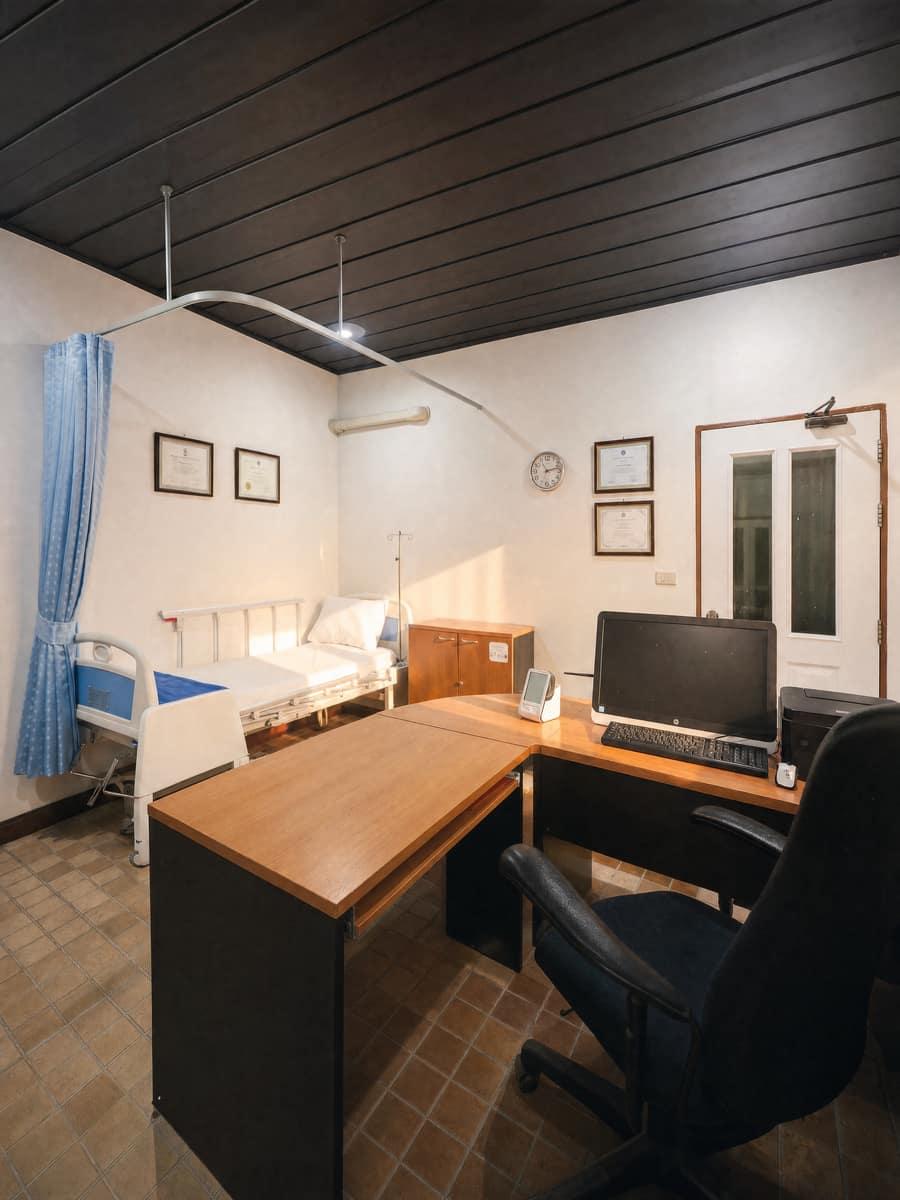
- Why residential treatment matters here: The medical team manages the transition from dependent to tapering under controlled conditions, which is precisely what attempting the same process at home cannot provide.
Therapy Addresses What the Sleeping Pills Were Managing.
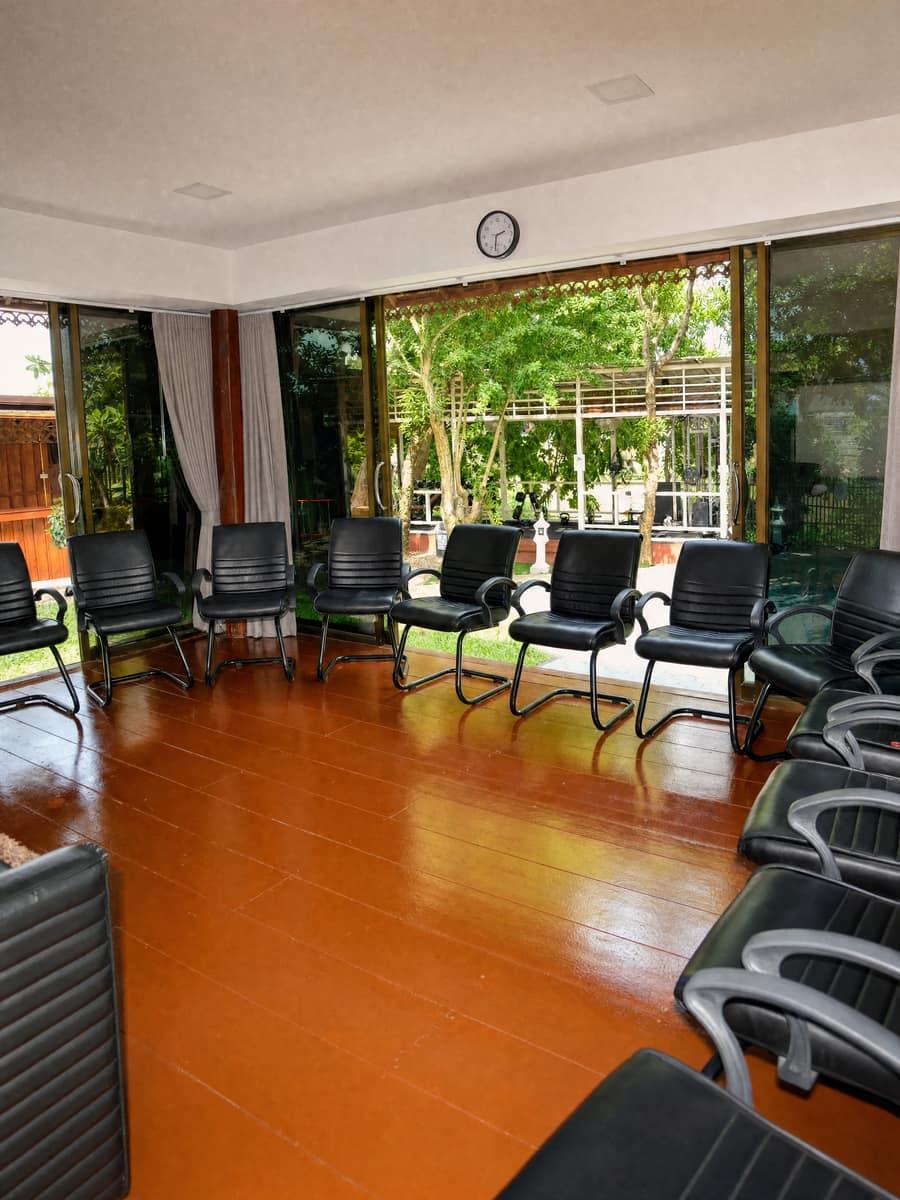
Sleeping pill dependence rarely develops in a vacuum. Most clients taking Z-drugs long-term were first prescribed them for a genuine sleep problem driven by anxiety, stress, or unresolved grief. The medication addressed the symptom while the underlying condition continued. Therapy at Jintara begins during the taper phase, including individual sessions, group work, and where clinically indicated EMDR therapy.
- Not a problem to clear before treatment starts: The team does not treat sleeping pill withdrawal as something to resolve before real treatment begins. The psychological work runs from week one.
- Anxiety-driven insomnia: Therapy focuses on reducing hyperarousal and building the capacity to tolerate a quiet night without sedation.
- Where trauma is a factor: Processing the underlying experiences often improves sleep quality independently of how far the taper has progressed.
Treating the original driver, not just the dependence, is what makes the difference between coming off the medication and staying off it. If you want to talk it through, Darren takes the first call himself.

Talk with Our Admissions Team
Your enquiry is confidential and goes only to our admissions team.
Common Questions About Sleeping Pill Addiction Treatment
Are sleeping pills addictive if prescribed by a doctor?
Yes. Prescription sleeping pills, particularly Z-drugs such as zolpidem (Ambien), eszopiclone (Lunesta), and zopiclone, produce physiological dependence at therapeutic doses with regular use. The fact that a doctor prescribed them does not prevent dependence. Clinical guidelines recommend use for no more than two to four weeks, yet many people take them far longer because stopping produces withdrawal effects that reinforce continued use.
What is rebound insomnia after sleeping pill withdrawal?
Rebound insomnia is the return of sleep difficulty that follows stopping sleeping pills, usually worse than the original insomnia that led to the prescription. It is a withdrawal effect caused by the brain's GABA-A system having downregulated in response to the drug. It is not evidence that a person will never sleep without medication. Rebound insomnia resolves as the nervous system recalibrates, typically over several weeks with appropriate clinical support.
How long does it take to taper off sleeping pills?
The taper duration depends on the specific medication, the dose, and how long the person has been taking it. A client on a low therapeutic dose for six months may complete the taper in four to six weeks. Long-term high-dose use typically requires a longer schedule. The psychiatrist at Jintara sets the rate at assessment and adjusts it based on clinical response. A fixed timeline that ignores individual factors produces worse outcomes.
Can sleeping pill withdrawal be dangerous?
In certain cases, yes. Seizure risk during Z-drug withdrawal is lower than in alcohol or benzodiazepine withdrawal, but it is a documented risk in clients who have been taking high doses for an extended period. Severe rebound insomnia and significant anxiety are near-universal. Withdrawal from prescription sleeping pills should be managed under medical supervision rather than attempted alone, particularly for long-term users.
What can you take instead of sleeping pills?
After the taper, Jintara uses evidence-based behavioural techniques: cognitive behavioural therapy for insomnia, sleep restriction protocols, stimulus control therapy, and structured sleep hygiene. These produce longer-lasting improvements in sleep quality than medication and carry no dependence risk. Jintara does not prescribe alternative sedatives as a substitute for Z-drugs. The goal is sleep that functions without ongoing pharmaceutical support.
Is sleeping pill addiction treated differently from other dependencies?
The medical principles are shared with benzodiazepine and alcohol treatment: supervised withdrawal, 24-hour nursing, and a psychiatrist-led plan. What is distinct for sleeping pills is the central role of sleep restoration. Removing the drug is only half the work; rebuilding the capacity to sleep without it is the other half. Jintara treats both together, in a small facility where the nursing team knows each client by name.
Accreditation certificate
Jintara is accredited against Thailand’s national quality standard for drug treatment and rehabilitation facilities, jointly certified by the Healthcare Accreditation Institute, the body that accredits Thailand’s hospitals, with the Princess Mother National Institute on Drug Abuse Treatment and the Department of Medical Services, Ministry of Public Health. Certificate no. 25/2569, valid 20 May 2026 to 19 May 2029. To check it, ask us for a copy of the certificate, or confirm it by facility name with the Princess Mother National Institute on Drug Abuse Treatment or the Department of Medical Services.