

The Risk of Ibogaine Treatment. Balancing Hope and Caution
Ibogaine shows promise for addiction recovery, but the cardiac risks are serious. We explain how it works and why medical detox remains the safer path.
Written by Denise O'Leary | Medically reviewed by Lertkhwan Sukpia | Published: March 5, 2026 | Last Updated: October 20, 2026
Ibogaine is a psychoactive compound derived from the root bark of Tabernanthe iboga, a plant native to Central Africa. In its overview of psychedelic and dissociative drugs, NIDA identifies ibogaine as a substance associated with long QT syndrome and fatal cardiac events, and no regulatory body has approved it for medical use. The appeal for people in addiction recovery is real, but so is the risk.
For people struggling with addiction, the idea of a single treatment that could reset cravings is understandably appealing. But the reality is more complicated, and the risks are significant.
What Is Ibogaine and Why Is It Not Approved for Medical Use.
Ibogaine is a naturally occurring psychoactive substance that carries serious adverse health risks, including cardiac events. It is classified as a Schedule I controlled substance in the United States, is not approved by the FDA for any condition, and is not legally available as a treatment in Thailand. A single dose produces psychedelic effects lasting 24 to 48 hours.
The substance works on multiple neurotransmitter systems simultaneously, including serotonin, dopamine, and opioid receptors. A single dose produces a prolonged psychedelic experience lasting 24 to 48 hours, often accompanied by intense visual hallucinations and deep introspective states.
Proponents argue that ibogaine can significantly reduce opioid withdrawal symptoms and cravings, sometimes after just one session. Some early research supports these claims, particularly for opioid dependence. However, the evidence base remains limited, with most studies involving small sample sizes and lacking the rigorous controls that would be required for regulatory approval.

Why Is Ibogaine's Cardiac Risk Considered Life-Threatening.
Ibogaine causes QT interval prolongation, a cardiac electrical delay that can trigger Torsades de Pointes, a potentially fatal arrhythmia. Between 1990 and 2008, a peer-reviewed forensic review by Alper, Stajić, and Gill found that advanced cardiovascular comorbidities explained or contributed to most ibogaine-associated deaths examined. This documented fatality pattern is the primary reason ibogaine has not received regulatory approval globally, and why any ibogaine treatment requires cardiac screening and monitoring.
That same review documented 19 ibogaine-related deaths between 1990 and 2008. Many occurred in unregulated settings without cardiac monitoring equipment or trained medical staff present.
Some deaths occurred in people with pre-existing heart conditions that were not properly screened for. The cardiac risk is not theoretical or rare. It is the primary reason ibogaine has not received regulatory approval in most countries, and it is the reason that any ibogaine treatment, where legal, requires continuous cardiac monitoring, pre-treatment ECG screening, and immediate access to emergency cardiac equipment.
What Is Happening with Ibogaine Research.
Ibogaine research is advancing in regulated clinical trial settings as scientists attempt to separate the compound's potential anti-addictive effects from its cardiac risks. Until large-scale controlled studies confirm both safety and effectiveness, ibogaine remains classified as experimental under regulatory frameworks globally.
Researchers are also developing synthetic analogues of ibogaine (such as 18-methoxycoronaridine and tabernanthalog) that aim to replicate the anti-addictive effects without the cardiac toxicity or prolonged hallucinogenic experience. These alternatives are still in early-stage human trials.
Until large-scale, controlled clinical trials demonstrate both safety and effectiveness, ibogaine remains experimental. The promise is real, but so are the risks.
Why Does Jintara Choose Evidence-Based Treatment Over Ibogaine.
Ibogaine's unresolved cardiac risk and absent regulatory approval are the precise reasons Jintara does not offer it. Instead, Jintara offers evidence-based addiction treatment following NIDA's treatment overview, which describes medications and psychotherapies for substance use disorders, and residential programs that refer people to continuing care on discharge. Independent certification to national standards backs those protocols. They carry decades of clinical evidence and established safety profiles.
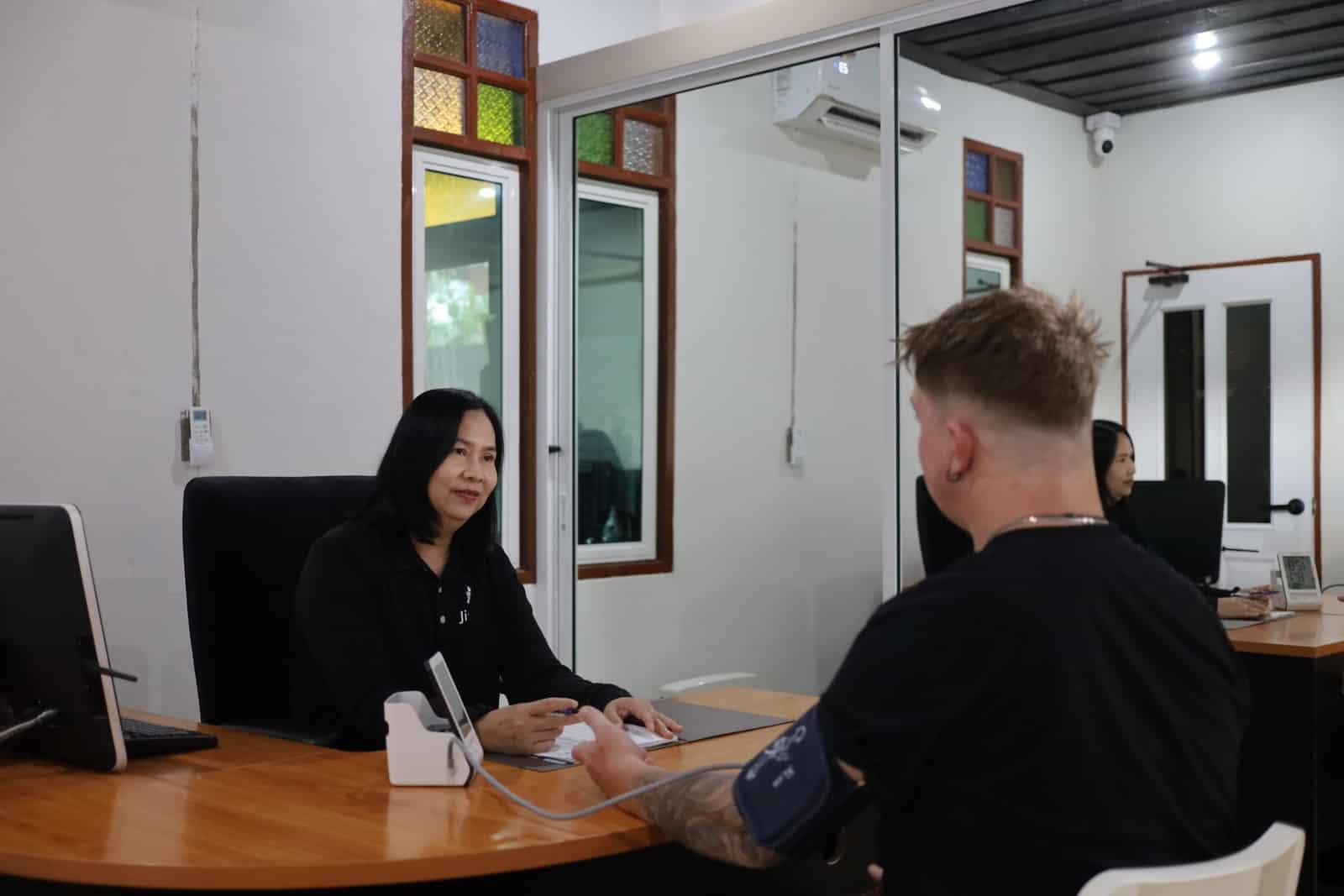
For opioid detox specifically, we use medically supervised protocols that manage withdrawal symptoms safely and effectively. These protocols do not carry the cardiac risks associated with ibogaine. Our medical detox process includes full blood work, ECG, and continuous monitoring. That coverage runs throughout the withdrawal period.
Our clinical programs also address the psychological side of addiction. That work runs through CBT and one-to-one trauma therapy, with EMDR on longer stays. These are treatments with strong evidence bases and no risk of cardiac arrest.
We understand why people search for alternatives. Addiction is painful, and the desire for a faster solution is natural. But faster does not always mean safer, and a treatment that carries a risk of death is not something we can responsibly offer when proven, safer alternatives exist.
What Should You Check Before Choosing Ibogaine Treatment.
Anyone seriously considering ibogaine treatment should first look hard at the alternatives. Free, confidential treatment referral and information is available through SAMHSA's National Helpline at any hour. The most robust research for opioid and stimulant addiction supports medication-assisted treatment combined with structured therapy, approaches with decades of safety data. If you or someone you care about is considering ibogaine treatment:
- Ask about cardiac screening. Any legitimate ibogaine provider should require a full cardiac workup, including ECG, before treatment. If they do not, that is a serious red flag.
- Ask about medical supervision. Continuous cardiac monitoring during and after the ibogaine session is not optional. The treatment should take place in a setting with emergency cardiac equipment and trained medical staff.
- Ask about the legal status. Ibogaine's legal status varies by country. In many jurisdictions, it is illegal. In others, it exists in a legal grey area. Understand the legal implications before proceeding.
- Consider the evidence. The most robust evidence for addiction treatment continues to support medication-assisted treatment combined with therapy. These are the approaches with the largest body of research and the best long-term outcomes.

How Can You Get Effective Help for Addiction.
Effective addiction treatment is available and accessible. SAMHSA's National Helpline is a free, confidential, 24-hour treatment referral and information service for people facing substance use disorders. Evidence-based residential programs that combine medical detox with structured therapy and aftercare produce consistently better outcomes than unsupervised or experimental approaches. Reaching out is the most important step.
We treat a maximum of 10 clients at a time with a team of 32 staff. If you want to talk about your options, you can speak directly with our team at Jintara at any point. Programs run 30 to 90 days and include medical detox, individual therapy, group sessions, and activities in Chiang Mai, Thailand.

Talk with Our Admissions Team
Your enquiry is confidential and goes only to our admissions team.