
Hospital-Grade National Accreditation
Licensed means a rehab is allowed to operate. Hospital-grade accredited means an independent government team inspected this clinic and proved it meets the standard Thailand holds its hospitals to. Jintara is one of only six private rehabs in the country accredited to that bar, certified by the institute that accredits Thailand's hospitals.
Fully Licensed and Hospital Accredited
What Our Hospital-Level Accreditation And Licensing Details Mean.
A licence means a rehab is allowed to operate. Every facility in Thailand has one, so to a frightened family it tells you almost nothing. Hospital-grade accreditation is different. It means an independent government team inspected the clinic and proved it meets the same standard Thailand holds its hospitals to. Jintara is one of only six private rehabs in the country that can say both, certified by two national authorities. Here is who they are, and why each one matters when you are deciding where to send someone you love.
Healthcare Accreditation Institute (HAI)
Thailand's national healthcare accreditation body, and the same institute that accredits the country's hospitals. Its involvement is what makes this a hospital-grade standard, not a private badge.
Ministry of Public Health
Through its Department of Medical Services and the Princess Mother National Institute on Drug Abuse Treatment, the Ministry sets and co-certifies the national standard for drug treatment and rehabilitation facilities.
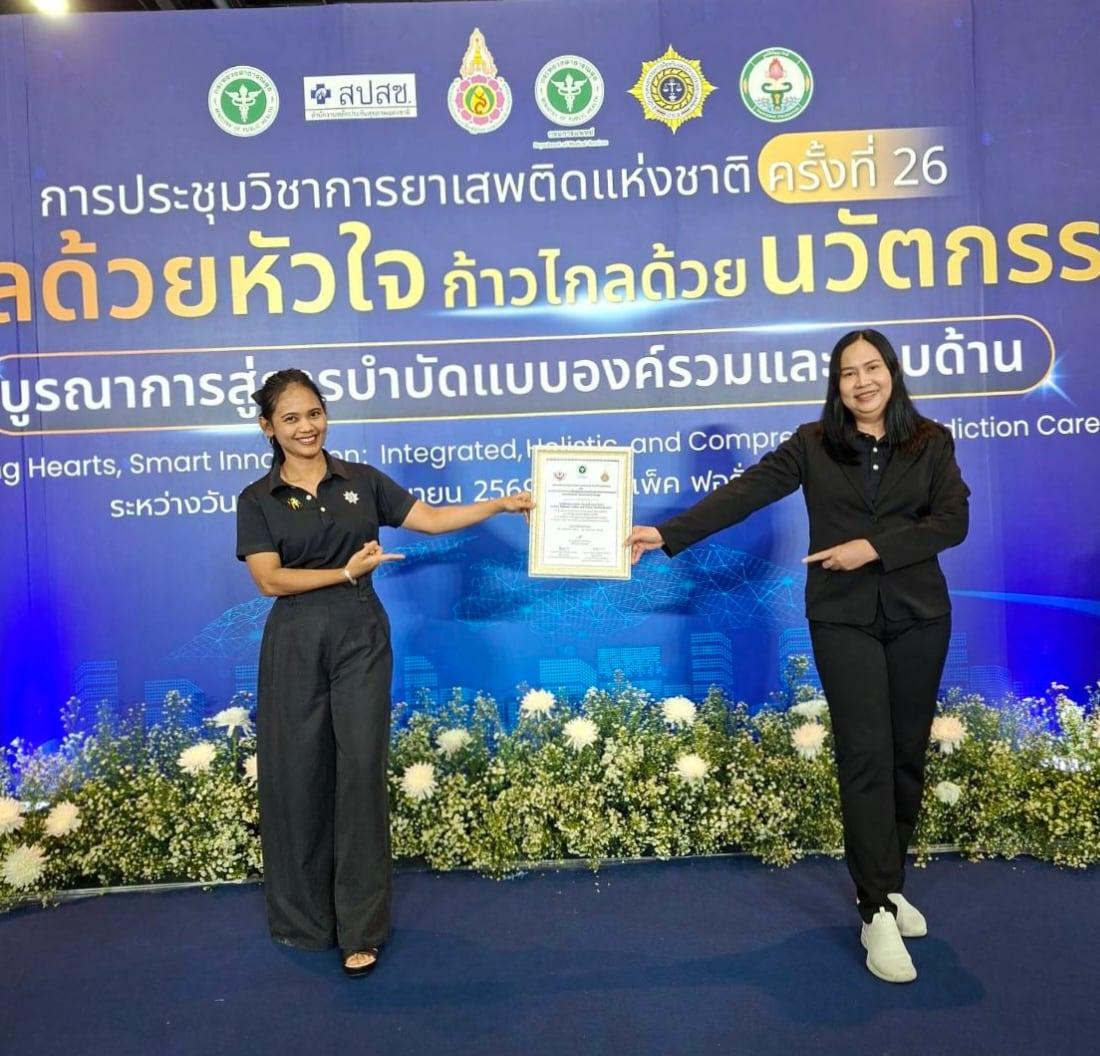
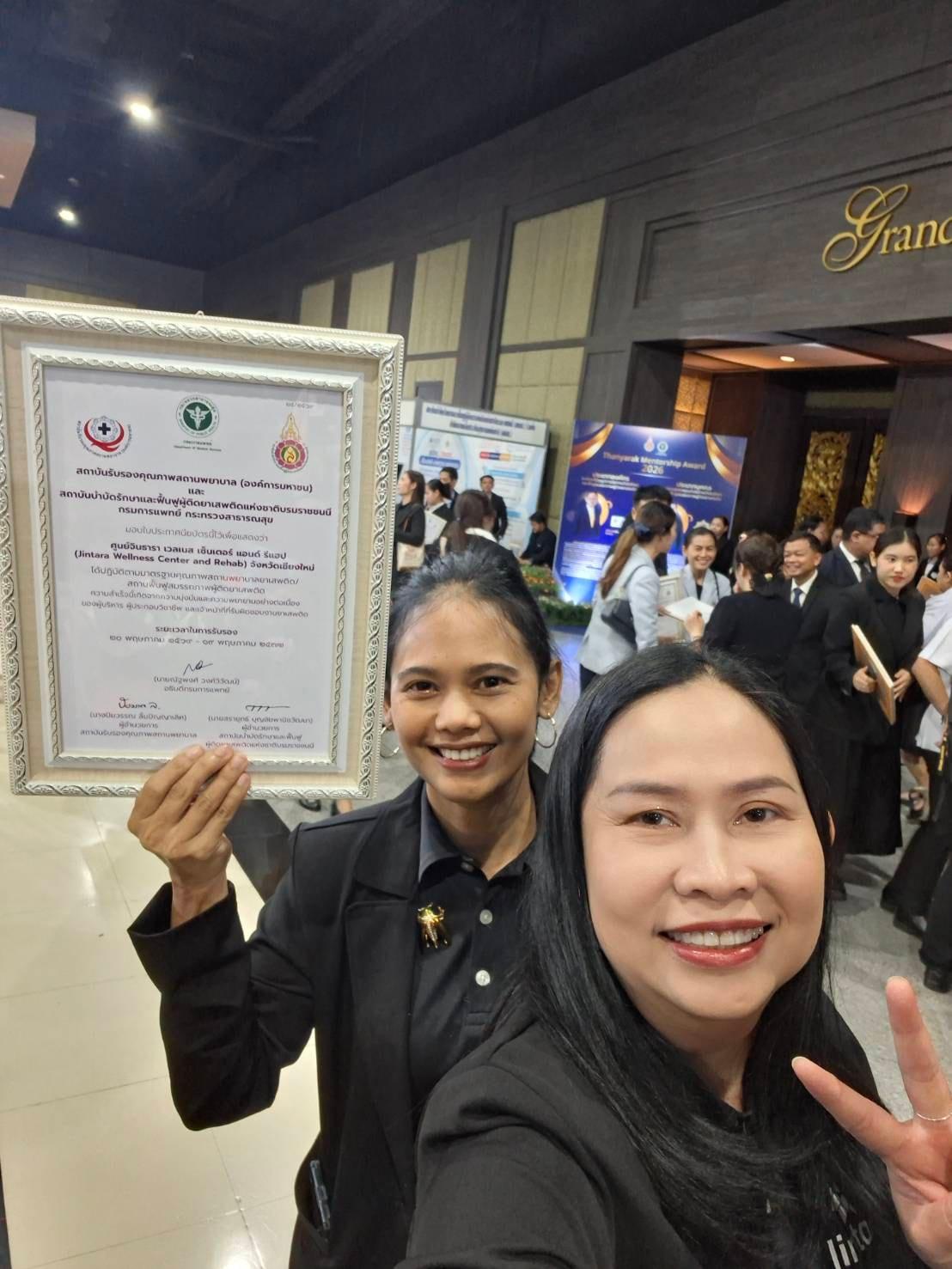
Held by Jintara Wellness Center and Rehab, Chiang Mai. Certificate no. 25/2569, accredited under both the drug treatment and drug addiction rehabilitation facility categories. Valid 20 May 2026 to 19 May 2029, a three-year term renewable on continued compliance.
What This Accreditation Means For Your Family.
If someone you love needs treatment, you are not in a position to audit a clinic's medical systems yourself. You should not have to be. National accreditation is how an independent body does that work for you.
Jintara's treatment and rehabilitation processes have been independently assessed against a national, hospital-grade quality and safety standard, and judged to meet it. An external survey team reviewed our clinical systems, our staff qualifications, our medical detox safety, our patient rights and confidentiality, and our aftercare. They did not take our word for any of it. They came, they checked, and they confirmed it against a documented national standard.
This page explains what that standard covers, what it does and does not promise, and why it matters when you are choosing where to send someone in crisis.

What It Certifies, And What It Does Not.
Hospital-grade accreditation certifies our operating processes, not any individual's recovery. It confirms that our clinical systems, our staff qualifications, our safety infrastructure, our record-keeping and our quality-improvement loops were assessed against Thailand's national standard and met it.
This is the most important distinction on the page, and the one we will not soften.
It is not a certification of any individual patient's result. No accreditation certifies recovery. What it honestly confirms is this: the facility has the qualified staff, the safe equipment and the structured systems to give that person the best clinical chance. We state that plainly because it is true, and because the clarity is itself the trust signal.




Why This Matters When Most Rehabs In Thailand Do Not Have It.
Jintara is one of only six private drug treatment and rehabilitation facilities in Thailand to hold this accreditation, awarded by the Healthcare Accreditation Institute, the public body that also accredits Thailand's hospitals. Most rehabs in Thailand are not assessed against any government clinical standard at all. Holding it is a concrete, verifiable point of difference.
A few things the standard requires that families rarely think to ask about:
- Qualified, addiction-trained clinicians: Not general staff. Doctors with addiction-medicine training and nurses with specialist training in treating substance use.
- Safe medical detox: Secure narcotic storage, complication protocols and emergency preparedness, assessed and verified.
- Patient rights and confidentiality: Built into the standard as a scored requirement, not an afterthought. For clients who are reputation-sensitive and frightened of exposure, this is not a small thing.
- Structured aftercare: Discharge planning and follow-up are part of what was assessed.
- A maturity threshold: Only facilities with at least three years of continuous operation can even apply. The accreditation is, among other things, a signal of an established operation.
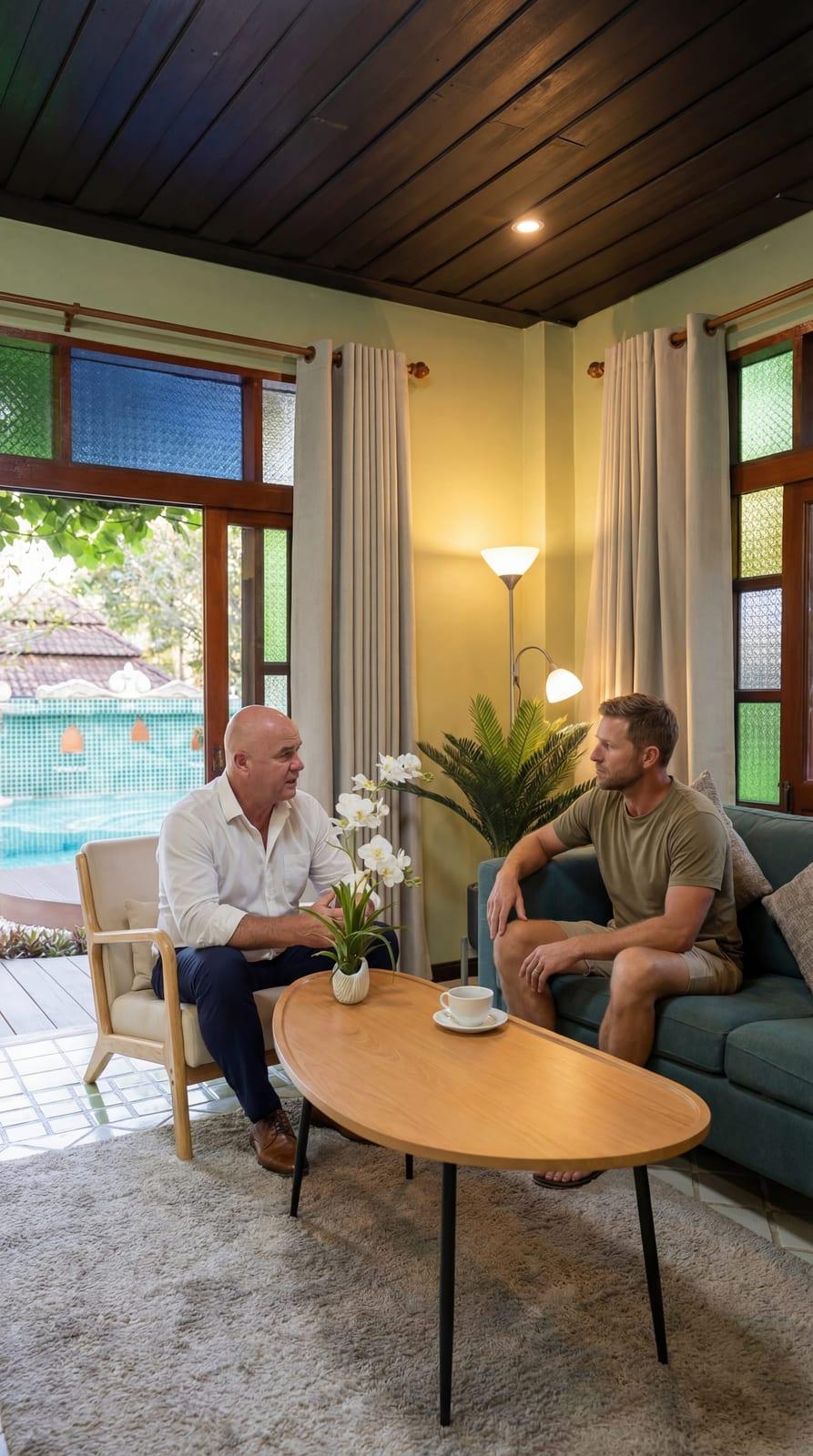
What An Independent Survey Team Actually Checks.
The national standard is organised into four domains. In plain language, here is what each one means for a family.
- 1. General management: Whether the clinic is properly led, properly staffed, and run to a plan. This sets the staff-qualification bar: addiction-medicine trained doctors, registered nurses with specialist training in treating substance use, and qualified therapists, overseen by a clinical governance committee that meets regularly.
- 2. Key work systems: The safety machinery. Risk management and incident reporting, a safe physical environment with emergency drills, a controlled medication system, secure locked storage for narcotic and detox medicines, and confidential medical records. For inpatient care, a nurse station with line of sight to patients and controlled entry.
- 3. Care process: How an individual patient is actually treated, from access and assessment, through an individual care plan, to safe detox and complication management, to discharge planning and structured follow-up.
- 4. Operational results: Whether the clinic measures what it does and improves it, through a continuous quality-improvement cycle.

How Jintara Is Built To Meet This Standard.
The accreditation describes a national bar. Here is how our clinic is set up against it.
- A maximum of ten clients: With thirty-two staff, a 3.2 to one staff-to-client ratio, and 24/7 on-site nursing.
- On-site medical detox: With a full medical checkup on day two at our expense: bloods, liver, kidney, chest X-ray and EKG.
- Three therapists on staff: Including EMDR specialisation, with a large private room for every client.
- Founder-led, fifteen-plus years: A founder with more than fifteen years building addiction treatment centres in Thailand.
We are not a twelve-step program. We publish our methods and our pricing openly, and we refer people elsewhere when we are not the right fit. The accreditation sits alongside that approach. It is external verification of the systems Jintara already chose to run.

Talk with Our Admissions Team
Common Questions About Our Accreditation
It is a national quality accreditation for facilities that treat and rehabilitate people with drug and substance use disorders. It assesses the facility's clinical systems, staffing, safety and care processes against a hospital-grade national standard. Jintara's accreditation was certified jointly by the Healthcare Accreditation Institute, the Princess Mother National Institute on Drug Abuse Treatment, and the Department of Medical Services, Ministry of Public Health.
No. No accreditation can promise an individual outcome. It certifies that the facility's processes meet a national standard, which means the clinical systems, staff and safety are in place to give the best chance of recovery.
Yes. The accreditation follows a self-assessment plus an on-site survey by an external team whose decision overrides the clinic's own scoring. It is earned and independently verified, not self-declared.
The standard was written for both public and private facilities, and it was certified by the Healthcare Accreditation Institute, the same national body that accredits Thailand's hospitals. A private clinic that holds it is meeting a hospital-grade national bar. Jintara is accredited against the drug treatment and rehabilitation standard specifically. It is not itself a general hospital.
Jintara's accreditation runs from 20 May 2026 to 19 May 2029, a three-year term, with re-accreditation required on continued compliance.
Clinical systems, staff qualifications, medical detox safety, medication handling, patient rights and confidentiality, medical records, and aftercare, across the four domains of the national standard.
Yes. The accreditation is held by Jintara Wellness Center and Rehab, Chiang Mai, under certificate no. 25/2569, jointly certified by the three national bodies named above.
Three national authorities jointly. The Healthcare Accreditation Institute, which is the same body that accredits Thailand's hospitals. The Princess Mother National Institute on Drug Abuse Treatment, the national drug-treatment authority. And the Department of Medical Services within the Ministry of Public Health. Three government signatures on one certificate is a stronger assurance than any single private badge.
No. Jintara is a residential drug treatment and rehabilitation facility, not a general hospital. What the accreditation confirms is that it was assessed against a hospital-grade national standard and certified by the institute that also accredits Thailand's hospitals. The bar is hospital-grade. The setting is a small, calm, boutique clinic.
A small number do. Jintara is one of only six private drug treatment and rehabilitation facilities in Thailand to hold it. Most of the private market is not assessed against any government clinical standard at all, so it is a genuine point of difference rather than a market norm.
The accreditation proves a clinic meets the national bar. It does not make every clinic the same. Jintara's difference is its scale and model: a maximum of ten clients at a time, owner-led admissions, 24/7 awake nursing, and a 3.2 to one staff-to-client ratio. The accreditation is the floor. The boutique model is why families choose Jintara over larger facilities that also meet that floor.
Thailand's national quality standard for drug treatment facilities and drug addiction rehabilitation facilities. Jintara is accredited under both categories. The standard covers general management, key work systems and safety, the individual care process, and operational results.
Yes. Safe withdrawal and detoxification by qualified clinicians, secure narcotic and detox medication storage, complication protocols, and emergency preparedness are all part of what the survey team assessed and confirmed.
Yes. Patient rights and confidentiality are a scored requirement within the standard, not an afterthought. For clients who are reputation-sensitive and anxious about exposure, this is assessed and verified rather than simply promised.
Jintara Rehab is licensed by the Thai Ministry of Public Health as a rehabilitation centre. The clinical information on this page describes Jintara's general approach to supporting clients during the early recovery period. Medical decisions, including medication protocols, are determined by addiction-specialist psychiatrists through our partner hospital pathway. Individual treatment varies based on clinical assessment. This content is for informational purposes and does not constitute medical advice.