

Medical Detox In Thailand
Stopping alcohol or drug use can feel scary. Withdrawal can also be risky. At Jintara, your medical detox in Thailand is supervised by 24/7 awake nurses, with medical and psychiatric oversight coordinated through our partner hospital pathway and a clear plan from the start.
Fully Licensed Facility

How Do I Know I Need a Medically Supported Detox?
- You've tried to cut down, but you keep sliding back into the same pattern within days.
- You need a drink or drugs to feel "normal" in the morning, after work, or before sleep.
- Your tolerance has gone up, so you need more to get the same effect, and less feels pointless.
- You feel withdrawal symptoms when you stop or delay a dose (shakes, sweating, nausea, agitation, insomnia, panic, racing thoughts).
- You're using alcohol or drugs to manage stress, anxiety, grief, or burnout, and it's starting to backfire.
- You're mixing substances (alcohol + pills, alcohol + stimulants, multiple drugs) to control mood, sleep, or energy.
- You're keeping track of bottles, doses, or supplies more than you want to admit, or you feel relief when you know you "have enough."
- Your relationships, work performance, or judgement are being affected (arguments, missed commitments, risky choices, or memory gaps).
If this sounds like you, you don't need to wait for things to get worse. A medically supported detox can reduce risk, stabilise your body, and give you a clearer starting point for treatment.

What Does Medical Detox Mean?
In plain terms, medical detox means supervised withdrawal support. The aim is to stabilise your body and reduce risk so you can begin therapy and follow a clear treatment plan. Medical detox is part of broader treatment work. It is not a standalone retreat. Here's a few things we do during medical detox:
- We monitor physical and mental symptoms and vital signs.
- We do structured checks and written notes across shifts.
- We administer and monitor medications within a doctor-approved plan.
- We review mental health risks and sleep disruption.
- We keep a clear pathway for hospital escalation when needed.
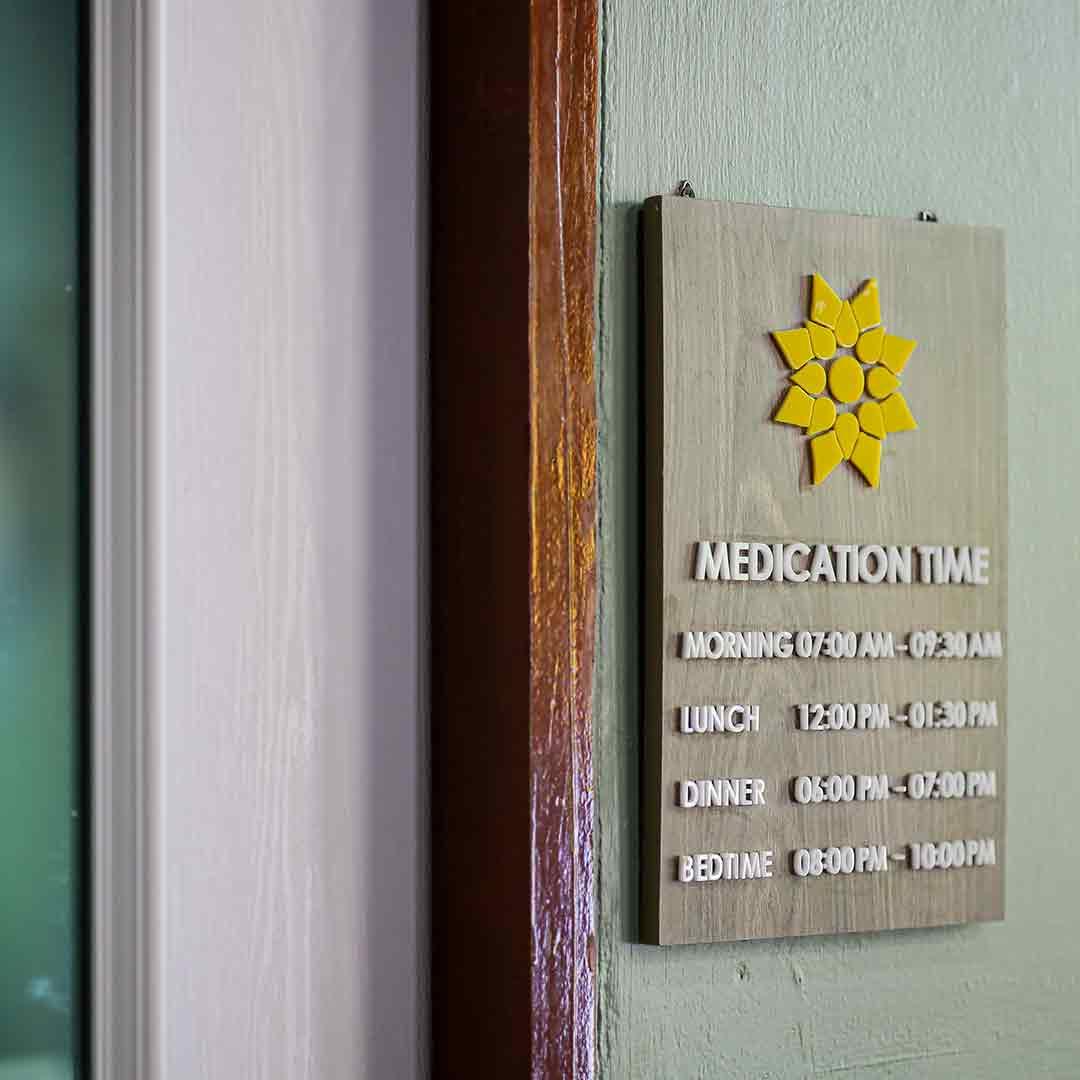
Why Choose Jintara?
We are not a large, crowded centre. We started Jintara to solve problems found in big rehabs. Here is how we differ:
- Small and private: We accept around 10 clients. You have a private room and space for your body to settle.
- On site nursing: Nurses are on duty 24 hours a day. They stay awake all night to monitor risk, comfort, and withdrawal symptoms.
- Psychiatrist oversight: Detox medication decisions are made under psychiatrist oversight through our partner hospital pathway, and the plan is reviewed and updated if symptoms change.
- Day two tests: We take you to a partner hospital for early tests, including blood spectrum, liver function, kidney function, chest X-Ray and EKG heart checks. This supports safe treatment planning.
- Practical therapy: You work with qualified therapists and medical staff. Our core method includes cognitive behavioural therapy and skills practice you can use in real life.
- High Staff Ratio: With 32 highly trained staff, we offer one of the highest staff ratios of any Thai rehab, ensuring individual and attentive care.
- Best value at our size: We keep the centre small and the standards high.
If you are comparing rehabs in Thailand and facing a difficult detox, you should be clear about all of these points when vetting your short list of providers.
What You'll Feel vs What We'll Do
| What you might feel | What our team may do in response |
|---|---|
| "I feel shaky, sweaty, anxious, or on edge." | Nurses monitor symptoms and vitals. Frequency can vary depending on your symptoms. |
| "Nights scare me. I cannot sleep." | A nurse is awake all night. Night observations continue, and you can go to the nurse's room for support. |
| "I feel confused or something feels off." | The team watches for red flags. If symptoms suggest extra medical risk, escalation and hospital transfer can happen at any time. |
| "I feel ashamed, panicky, or overwhelmed." | Staff use calm reassurance and keep steps clear and predictable. |
| "I am worried about my health or medical risk." | Day-2 tests like blood panels and ECG help the psychiatrist review risk and adjust the plan. |
| "I feel unsafe around other people." | Private rooms and rules reduce chaos, including a no-visitation rule between rooms. |
"I feel shaky, sweaty, anxious, or on edge."
Response: Nurses monitor symptoms and vitals. Frequency can vary depending on your symptoms.
"Nights scare me. I cannot sleep."
Response: A nurse is awake all night. Night observations continue, and you can go to the nurse's room for support.
"I feel confused or something feels off."
Response: The team watches for red flags. If symptoms suggest extra medical risk, escalation and hospital transfer can happen at any time.
"I feel ashamed, panicky, or overwhelmed."
Response: Staff use calm reassurance and keep steps clear and predictable.
"I am worried about my health or medical risk."
Response: Day-2 tests like blood panels and ECG help the psychiatrist review risk and adjust the plan.
"I feel unsafe around other people."
Response: Private rooms and rules reduce chaos, including a no-visitation rule between rooms.




Detox Retreat vs Medically Supervised Detox
Many people search for a detox retreat before they search for medical care. A detox retreat can look more appealing, especially if you want a fast reset. The issue is that a reset alone does not address the patterns that pull you back to alcohol or drugs.
A detox retreat can help with rest, routine, and time away from triggers. Some facilities sell a detoxification program for cleansing and toxins. They may talk about the digestive system and the detoxification process. They often offer colon hydrotherapy, infrared sauna, lymphatic drainage, herbal supplements, and weight loss plans.
These services can support relaxation. They do not replace medical monitoring for alcohol or drug withdrawal symptoms. If alcohol or sedatives are involved, symptoms can escalate. In these cases, medically supervised detox is often the safer choice. The team at Jintara can talk this through on a call so you can choose a plan that fits your risk.

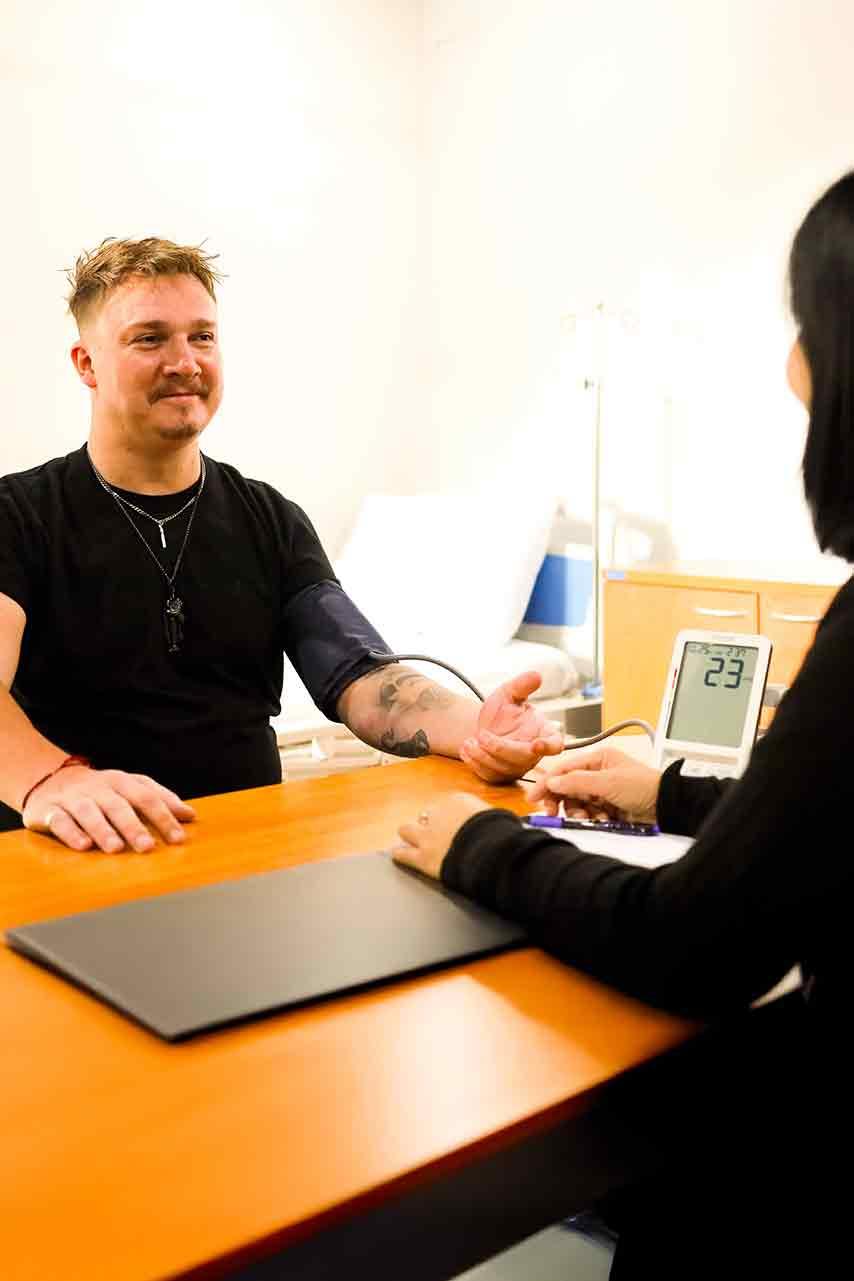
Your First 72 Hours At Our Treatment Centre in Chiang Mai, Thailand
- Arrival and initial assessment: On arrival, the nurse confirms immediate safety and gets clear on what is in your system. This usually includes an alcohol breath test, a urine drug screen, and symptom screening. We also review what you have been using, what prescriptions you arrived with, and any health concerns that could complicate detox.
- Medical assessment and early risk checks: A medical assessment helps us decide if you need routine monitoring or higher risk monitoring. We do not base the plan on promises. We base it on what we see and measure.
- Detox monitoring and medication safety: Our team administers and monitors medications within a structured, doctor-approved plan. If you arrive with prescriptions, we review them and manage them within the plan. We do not leave prescription decisions to self dosing during detox.
- Day two hospital checkup: On day two, we take you to a partner hospital for tests. These results guide detox safety, treatment pacing, and activity levels. The goal is to reduce guesswork and protect overall health.
- First therapy sessions: You meet your primary therapist early. You start mapping triggers and high risk situations. You begin addiction treatment gently, at a pace that matches your body and nervous system.
- Your first night: Staff focus on a safe and comfortable environment with quiet, hydration, reassurance, and clear access to the nurse. Early detox can involve frequent checks based on risk. This reduces the chance of symptoms escalating without support.
Many clients say the first night was hard, but it was also the first time they felt watched over and not alone.

A Typical Day at Rehab During Detox and Treatment
Recovery works better with rhythm. We balance therapy, medical support, fitness, and rest so your body can stabilize and your mind can start to trust the day again, even if you feel tired in early detox.
- Morning: A nurse checks in and supports medications if prescribed. You have breakfast, hydrate, and ease into structured sessions that cover addiction education and practical skills for treatment.
- Mid day: Individual therapy and small group work focus on cravings, stress, and planning. We keep it grounded in simple actions, not big speeches.
- Afternoon: We bring the body back in. Depending on how you are doing, this may include gym sessions with personal fitness trainers, light Muay Thai or yoga classes, and traditional Thai massage as a regulated support tool for sleep and tension.
- Evening: Dinner, quiet time, and simple sleep routines. If symptoms are still active, the team continues monitoring so support stays consistent.
- Weekends: You'll experience supervised outings in Chiang Mai and nearby areas. Many clients find the natural beauty and relaxed vibe of the area helps them reset without needing alcohol or drugs.

From Medical Detox to Addiction Treatment
Detox clears substances from the body. Our rehab program changes the pattern that pulls you back. Many clients arrive with mixed alcohol and drug use and mental health symptoms. Addiction treatment needs to address both.
- Clinically managed stabilisation: During detox, the medical team manages symptoms, sleep disruption, and risk. This creates a safer base for therapy.
- Cognitive behavioural therapy and skills: Therapists use CBT and other approaches to help you understand triggers, thoughts, and actions. You practise new responses inside the centre and build a treatment plan you can repeat after discharge.
- Talk therapy: Honest, non judgemental, confidential discussions help you name what has been happening under the surface. Many people carry shame, grief, or unresolved trauma. Therapy gives you a place to be honest without being judged.
- Trauma-informed pacing: Some clients need trauma work. We pace it carefully and begin when the body is stable. trauma processing may be used when clinically appropriate, not as a quick fix.
- Holistic treatments and therapies: We take a holistic approach to support regulation and recovery. This includes movement, mindfulness, creative activities, and traditional Thai massage. These support the work. They do not replace medical care.
Outpatient Treatment vs Residential Treatment
Many people ask whether outpatient treatment is enough. Sometimes it is. Often it is not, especially when detox risk is present.
Outpatient treatment can work if symptoms are mild, home is stable, and you can attend sessions reliably. It can also be a step down after rehab.
Residential treatment is often safer when symptoms are significant, alcohol use is daily, drugs are mixed, or your environment triggers relapse. It also helps when mental health symptoms are active and sleep is unstable.
We will help you decide between outpatient treatment and residential treatment based on risk and what is realistic for your life.


Alcohol Rehabs in Thailand and What to Compare
Many people research several alcohol rehab services in Thailand before they pick a centre. The problem is that many can look similar online. The details matter. Here are a few practical questions to ask:
- Are nurses awake all night, every night?
- Who manages prescriptions?
- What happens if symptoms spike at night?
- Do you do early testing, like day two blood work and heart checks?
- Is there a clear pathway to hospital care if needed?
Some alcohol rehabs provide detox but do not provide a full treatment plan. Some focus on scenery, not clinical structure. Some rely on group size and marketing, not consistency. Good alcohol rehabs explain their process in plain language and show how treatment continues after detox.
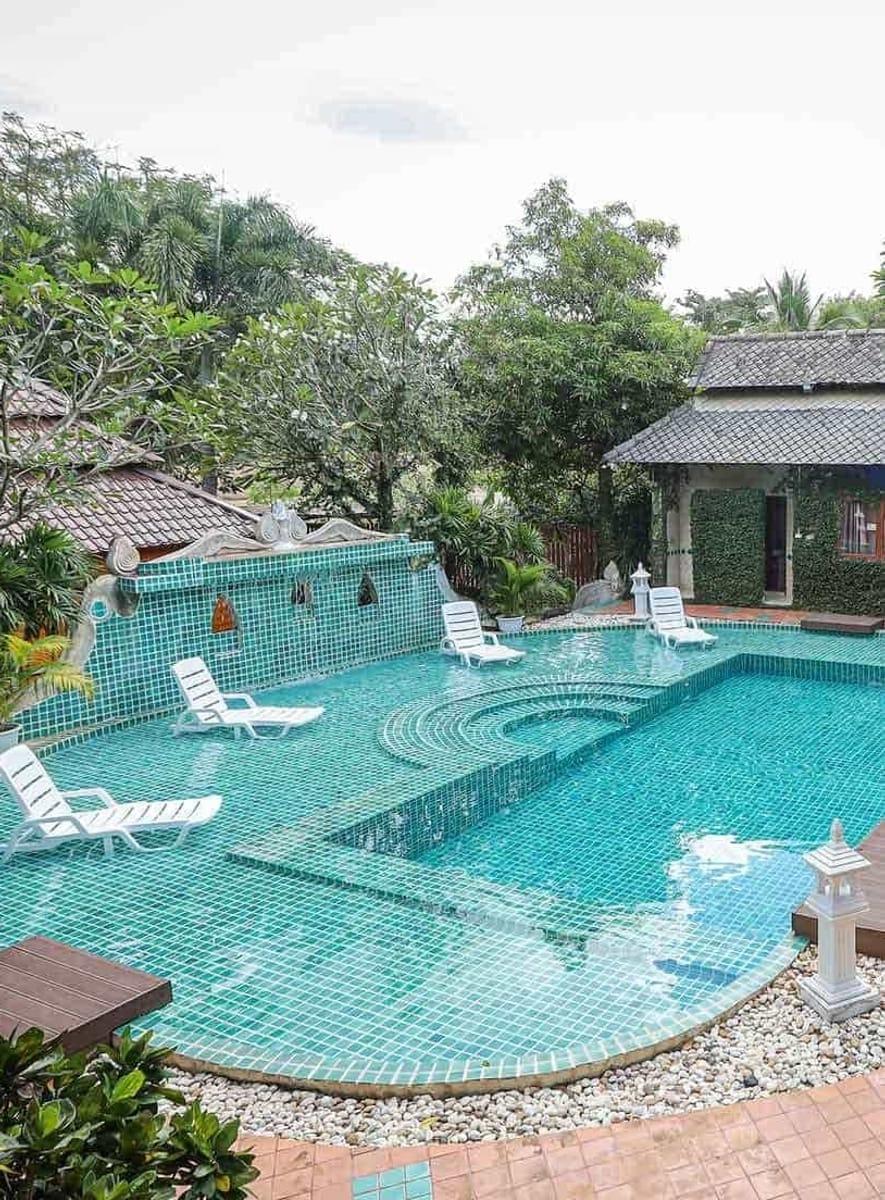
Safety, Licensing, and Your Physical Health
Jintara is fully licensed by the Thai Ministry of Public Health. Our license and standards matter because detox is real medical risk management.
- 24/7 awake nursing: There is always a nurse on duty near the client rooms. This supports consistent monitoring of mood, sleep, and any physical or mental symptoms you are experiencing.
- Psychiatrist and medical oversight: Medical and psychiatric decisions are coordinated through our partner hospital pathway. If you need a higher level of care at any point, we arrange prompt hospital transfer and stay aligned on next steps.
- Diagnostics and escalation plans: On site checks and clear links to partner hospitals mean serious issues can be managed quickly rather than left to chance. This supports overall health and safer treatment pacing.
Our priority is always safety, clinical integrity, and clear information so you can make decisions with confidence that it's the right choice for you.
What Does Progress Look Like?
Progress in rehab is not perfection. Progress is stability and skills you can repeat. Common early changes:
- Withdrawal effects reduce and sleep improves.
- Mood becomes steadier and panic reduces.
- Appetite improves and energy begins to return.
- Mental clarity improves as the brain recovers.
- You understand your addiction pattern more clearly.
- You follow a treatment plan that fits real life.
- You build relapse prevention skills and a step down plan.
- You create routines that support long-term recovery.
Recovery takes sufficient time for the body and brain to reset. For many people, outcomes improve when treatment continues after detox rather than stopping at stabilisation.

What Is Included in the Pricing?
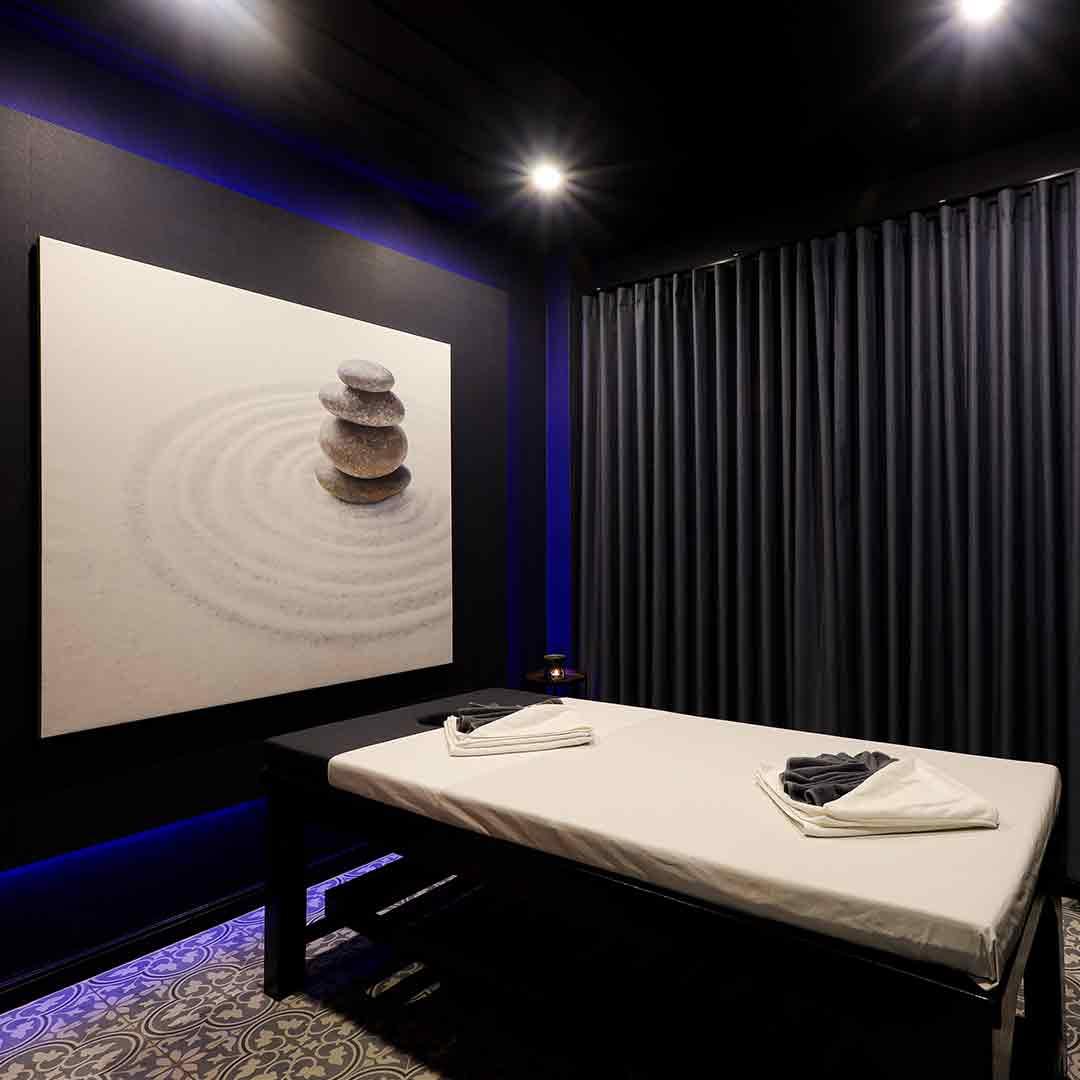
As part of the cost of rehab at Jintara, clients stay in private rooms in a calm setting in Chiang Mai. Clients receive:
- On site detox support and nursing care
- Psychiatrist oversight for detox planning via our partner hospital pathway
- Day two hospital check for medical safety
- Daily therapy and structured groups
- Treatment planning, relapse prevention planning, and aftercare mapping
- Fitness options, including Muay Thai training when safe
- Holistic treatments such as traditional Thai massage, mindfulness, and movement
A reservation deposit confirms your room. This deposit is non refundable. We confirm the policy in writing. If you have an insurance provider, you can talk with Darren about reimbursement. Coverage varies by policy and country. We can provide invoices and basic documents when requested.

How Your Treatment Journey With Jintara Begins
Recovery starts with a confidential call. Our team will ask clear questions about alcohol, drugs, prescriptions, and health risks. This helps us decide if we are the right fit and what timing makes sense. Please prepare:
- A list of prescriptions and allergies
- Notes on recent medical visits, if any
- Your travel window for Chiang Mai
Most clients begin with a four week foundation program. Some choose an eight to twelve week extension for deeper work. We will recommend what fits your needs and safety.
Talk With Our Admissions Team About Medical Detox in Chiang Mai
You do not have to solve this alone. A short call can help you decide between a detox retreat, alcohol rehabs, outpatient treatment, or residential treatment. During the call, we can:
- Talk through withdrawal symptoms and possible risks
- Explain the first 72 hours and monitoring process
- Walk you through how medications are managed
- Share what the treatment program includes and what it does not include
- Give likely start windows for Chiang Mai arrival

Talk with Our Admissions Team
Common Questions About Medical Detox
Medical detox is supervised withdrawal care. It begins with a safety check and an initial assessment, then continues with regular monitoring of symptoms, sleep, mood, and vital signs. Medication may be used to reduce risk and discomfort, but it is part of a clear plan, not "as needed whenever."
At Jintara, detox is linked to what comes next: therapy, routine, and relapse planning. Most people feel calmer when they understand the next few days and know a nurse is close by day and night.
A medical detox usually includes screening on arrival, regular symptom checks, and a medication plan if needed. It also includes basic supports that matter more than people expect: hydration, steady meals, sleep routines, and reassurance.
At Jintara, we also start preparing you for the next phase early. That can mean light therapy contact, simple education, and a clear daily rhythm. Detox is the stabilisation phase of a wider treatment program, not the entire solution.
It depends on the substance, dose, how long you have been using, and your health. Some detox periods are a few days. Others take longer, especially with prescription opioids or benzodiazepines. Some detox processes in Thailand may require longer durations and additional medical support depending on complexity.
The goal is not speed. The goal is safety, comfort and stability. We also plan what happens after detox, because relapse risk often rises when people leave too early or step back into the same triggers without structure.
Medication choices depend on what you are detoxing from, your medical history, and your current symptoms. In supervised settings, doctors may use medicines that reduce withdrawal symptoms, support sleep, stabilize anxiety, or lower seizure risk. Some people also need medication for blood pressure, nausea, or pain.
This is medical care and needs assessment. It is not something to copy at home. If you are researching this because you feel unsafe, the safest next step is a medical assessment, not a DIY plan.
Some insurance providers reimburse part of detox or residential treatment, but cover varies a lot by policy, country, and whether overseas treatment is included. The best approach is to ask your insurer what they require in writing: invoices, treatment dates, and proof of payment.
Jintara can provide invoices and basic documentation. Many clients still choose to pay privately because timing, privacy, and choosing the right level of care matters more than paperwork.
Detox is your body clearing alcohol or drugs and adjusting to functioning without them. That shift can cause withdrawal symptoms such as tremors, sweating, anxiety, nausea, insomnia, and mood swings. Your nervous system can feel over-alert at first, then gradually settle with steady sleep and routine.
Your digestive system may also feel unsettled early on, then improve once hydration, food, and rest stabilise. A safe plan reduces panic and reduces the chance of sudden medical risks being missed.
Medical alcohol detox begins with safety screening and close monitoring because alcohol withdrawal can become dangerous. Staff track symptoms and vital signs, and respond early if risk rises. Medication may be used to reduce seizure risk, calm severe agitation, and support sleep, with adjustments based on how you respond.
At Jintara, we keep the environment calm and predictable and scale therapy gently. Once your body stabilizes, therapy and structure increase so detox turns into real addiction treatment, not just "getting through the week."
Medical detox from alcohol is supervised withdrawal care focused on safety. It differs from self-detox because staff monitor symptoms and can respond quickly if things change. Alcohol detox is not just discomfort. In some cases it can become a medical emergency.
A proper plan reduces risk and helps you stay in care long enough to begin treatment, rebuild sleep, and start learning the skills that support long-term recovery.
Alcohol detox works through monitoring, symptom scoring, and medical decisions that adapt as your body changes. Nurses check you regularly and look for early warning signs, especially at night. A psychiatrist or doctor guides medication decisions when needed, with the aim of reducing risk and stabilizing sleep and mood.
As symptoms settle, support is tapered in a controlled way and focus shifts toward therapy, routine, and relapse prevention so you leave with a plan, not just a detox completion date.
Alcohol detox length depends on severity, health, and whether other substances are involved. Many people feel the worst symptoms in the first days, but sleep and mood can take longer to stabilise. A good plan does not rush this. It allows sufficient time for your body to come down safely.
Detox is also only one phase. Longer stays can support long-term recovery by building routine, addressing triggers, and creating a relapse prevention plan that holds up when you return home.
Medication varies by person and risk level. In many medical settings, doctors use medicines that reduce seizure risk and calm severe physical and mental symptoms. Some people also need support for sleep, nausea, or blood pressure.
The key point is supervision. Mixing alcohol, detox medication, and herbal supplements can create new risks. Decisions should stay medical and be adjusted based on symptoms, vital signs, and how you respond.
Your body begins clearing alcohol within hours, but "feeling normal" usually takes longer. Sleep, anxiety, mood, and energy can stay unstable for days or weeks depending on your history and health. Withdrawal symptoms also vary widely.
A safer approach is to treat detox as a process, not a race. Medical support focuses on risk reduction first, then stability. After that, addiction treatment focuses on the pattern that pulls you back, so your recovery is not dependent on willpower alone.
Full detox is less about a cleanse and more about stabilising your body and brain. Alcohol affects sleep, mood, digestion, hormones, and overall health. A safe plan may include medical monitoring, then structured addiction treatment that builds routine and coping skills.
Many people notice better sleep and mental clarity first, then a steadier mood and appetite. Long term recovery takes more than detox alone. Detox gets you stable. Treatment helps you stay stable.
The best way is the safest way. If you have been drinking daily, mixing substances, or experiencing withdrawal symptoms, start with a medical assessment. Many people do better with supervised detox because risk can rise quickly, especially at night.
After detox, a treatment program that includes therapy, structure, and relapse prevention gives you a better chance of long-term recovery than detox alone. If you are unsure what level you need, an admissions call should focus on safety first, not sales.
It depends on the drug and the person. Opioid detox may involve a medically supervised taper or other medications that reduce cravings and withdrawal symptoms. Stimulant detox is often more about sleep, food, mood support, and safety. Sedative detox can involve a slow, supervised taper to reduce seizure risk.
The main point is matching the plan to the substance and the risk level. Drug addiction detox is not one-size-fits-all, and it should be supervised when there is medical risk or mixed use.
A common framework is pre-contemplation, contemplation, preparation, action, and maintenance. People move back and forth through these stages, and that is normal. Detox often happens during the action stage, but it is not the whole recovery journey.
Ongoing addiction treatment supports maintenance with coping skills, routine, support groups, and relapse prevention planning. The goal is not perfection. It is building a life that is stable enough that you do not need alcohol or drugs to get through your day.
Many people choose Thailand for privacy, distance from triggers, and faster access to care. Detox services in Thailand can be less expensive than similar services in Western countries, depending on the centre and what is included.
Some clients also report feeling more comfortable and relaxed during detox in a warm climate, which can support sleep and routine. Practically, medical detox services in Thailand are often provided in partnership with local hospitals for diagnostics and escalation if withdrawal symptoms change. Many centres also offer on-site detox before transitioning into their inpatient treatment programs.
Some treatment centres are excellent while others may not be as good. Quality depends on licensing, staffing, clinical standards, and medical pathways, not photos. Thailand is home to some of the best luxury rehab facilities in the world, and many programs combine traditional healing with luxurious accommodations. That can be appealing, but comfort should not distract from safety.
Many rehab centres in Thailand specialise in alcohol and drug addiction alongside other conditions, and many describe a holistic approach to health and well-being. Ask the hard questions: who is awake overnight, who manages medications, and what happens when symptoms spike.
Alcohol problems exist in every country, including Thailand. The more useful question is what is happening in your life right now. If alcohol is causing withdrawal symptoms, relationship strain, or work problems, it deserves medical attention.
A safe detox plan and solid addiction treatment matter more than statistics. The goal is a new life built on routine, support, and honest monitoring, not shame. If you are worried about risk, start with a medical assessment rather than trying to "push through."
Jintara's 30-day program starts from USD $12,500. That rate includes accommodation, meals, therapy, and on-site medically supported detox care in a small, adult-focused setting. Some items can still be additional depending on need, such as certain prescribed medications or hospital care beyond the standard Day-2 check.
The simplest way to confirm your exact cost is to request the Info Kit & Pricing or speak with us. We will explain what is included, what is extra, and the deposit terms in writing.
"Retreat-style" detox pricing varies widely based on location, length, and whether accommodation is included. Some programs list prices like ฿30,900 for a 5.5-day detox program (accommodation not included), or ฿44,600 for 7.5 days (also not including accommodation). Other resorts package room + program together and list 7-day rates over ฿100,000 depending on room type and season.
If withdrawal symptoms are part of your picture, price is not the main filter. Confirm what medical cover exists, who is on site overnight, and what the hospital plan is before you book.
Wellness retreats can be worth it for rest, routine, stress reduction, and well-being. They can help you release stress and reset your daily habits. They are not a substitute for addiction treatment when someone is dependent on alcohol or drugs.
If withdrawal symptoms are part of your life, safety comes first. Many people do best with medical detox and therapy first, then consider a wellness retreat later as a healthy reset once the nervous system is more stable and relapse risk is lower.
Thailand has a large wellness scene, and you will often hear it described as home to some of the world's finest wellness retreats for detoxification. You may also see language about "rediscovering your vibrant self," which can suit people who want a reset, routine, and body care.
For some people, warm weather helps with sleep and gentle movement. Northern Thailand can feel quieter than resort areas. If alcohol or drugs are involved, match the choice to your safety needs. Wellness can support recovery, but it does not replace medical detox.
There is no single best option for everyone. It depends on your goal and your risk level. Koh Samui is known for luxury detox retreats and beachfront spas, and is often promoted as a top wellness destination. Phuket is recognised for detox and fitness retreats that combine wellness with physical activities, plus a lively wellness scene. Chiang Mai is known for lush jungles, Buddhist temples, and a calmer wellness-focused atmosphere. Koh Phangan is famous for a laid-back, spiritual community and transformational detox retreats.
If you have withdrawal symptoms from alcohol, sedatives, or mixed drugs, prioritise medical supervision over scenery.
You may see claims online that Chiang Mai is the most popular destination in Thailand for luxury rehabilitation. We cannot verify a single "most popular" destination because popularity depends on the data source and time period.
What we can say is that Chiang Mai is a common choice for adults who want privacy, a calmer pace, and fewer distractions than resort areas. When choosing any centre, focus on staffing, licensing, medication handling, and hospital pathways.
Yes, it can happen. Thailand makes it easier to return to simple routines: movement, regular meals, and better sleep. At Jintara, our focus is not a weight loss program. Our focus is safety, detox, and recovery.
Many people still lose weight naturally when alcohol stops, sleep improves, and cravings settle. We support overall health with structured fitness options, nutrition routines, and body-based wellbeing work, without turning recovery into a bootcamp.
Many detox retreats present detox as a whole-body reset. Detox retreats in Thailand often focus on full-body healing, including gut health and mental clarity. Some also describe energy balance and emotional release. Programs may include clean meals, hydration, massage, movement, and quiet time, plus add-ons like infrared sauna, colon hydrotherapy, lymphatic drainage, and herbal supplements.
Those can support relaxation for some people. They do not replace medically supervised detox when alcohol, sedatives, or complex drug patterns are involved. If withdrawal symptoms are possible, a centre like Jintara can confirm medical supervision and escalation plans are in place.