
Why I Do Not Take Couples Into Rehab Together
Can couples go to rehab together? Jintara owner Darren Lockie explains, honestly, why we treat people as individuals and what actually works better.
Written by Darren Lockie | Medically reviewed by Denise O'Leary | Published: July 3, 2026 | Last Updated: July 3, 2026
I get asked this most weeks. Two people who love each other, both using, both wanting to get well and hoping to do it side by side. It is a fair question and it deserves an honest answer. This is the same one I give every couple who writes to me.
It is one of the most common questions I am asked.
If you are half of a couple reading this, you are not asking anything unusual. I hear this question most weeks, from two people who use together, whose lives are wrapped around each other, who cannot imagine getting well in separate places. You want to walk into treatment together and walk out together, both of you better. I understand the pull of that completely.
It would be the easy thing for me to say yes. Two admissions instead of one, a couple who feel supported, everyone happy on the day. But saying yes to a couple is not the same as doing right by either person in it, and after years of this work I am not willing to pretend it is.
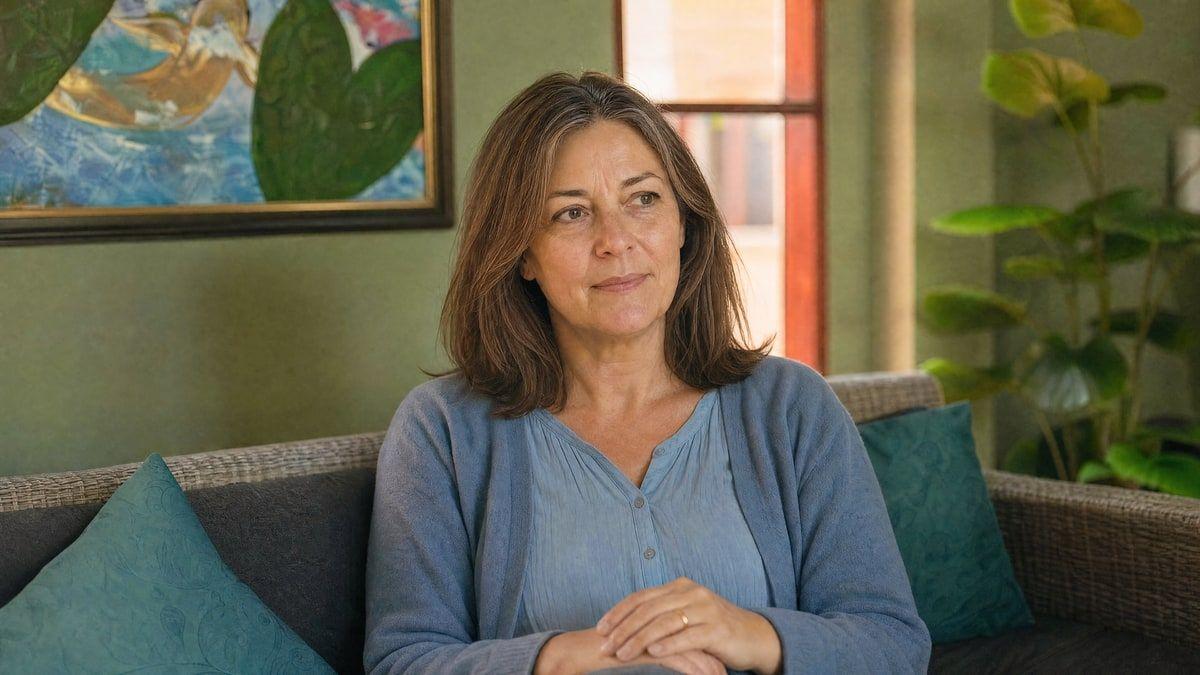
I understand why treating you together seems to make sense.
When two people use together, the drinking or the drugs get woven into almost everything: the evenings, the routines, the way you cope with a hard day, the way you celebrate a good one. Stopping feels like it would tear a hole in the relationship as well as the habit. So it makes sense that you would want to face it as a team, at the same time, in the same place.
The problem is that a couple is not really who I would be treating. I would be treating two individuals who happen to be together, and very often there are underlying things, anxiety, depression, old trauma, that were there long before the relationship and are quietly driving the substance use underneath it. Understanding what is really driving the use for each of you is the heart of dual diagnosis treatment, and reaching those private, individual drivers is what treatment actually has to do. Those reasons are different for each of you, which is exactly why they cannot be worked through as one shared problem.
Here is what actually happens when a couple is treated together.
I have seen it enough times to be sure of the pattern, and it is almost always the same, no matter how good the intentions are. You look after each other instead of doing your own work. It is a lovely instinct and a difficult one in early recovery, because your attention goes to how your partner is coping instead of what you need to face in yourself.
You also hold back in group. Group therapy only works when people are honest, and it is very hard to be fully honest about your relationship, your resentments, or your own part in things when the other person is sitting three seats away. So the most important material stays hidden.
And sometimes, if I am honest with you, the relationship itself is part of what is keeping you both unwell. That is not a judgement. It is just something that needs its own space to be looked at clearly, and it cannot be looked at clearly when you are both in the room protecting it.
It also affects the other people in the house.
Jintara is small on purpose. We take a maximum of ten clients at a time, and the group becomes close quite quickly. A couple changes that room. Everyone else has left someone they love at home to come and do this, and watching two people go through it together, when they are missing their own partner or their own family, is harder than you might think. My responsibility is to every person in the house, not just the two who arrived together.
What I have seen work better.
In my experience, the couples who do best are the ones who get treated separately, each as an individual, each doing their own honest work without one eye on the other. Two different places, or the same place at different times, but treated as two people rather than one unit.
I want to be clear about what I am and am not promising here. I am not telling you that separating for treatment will save your relationship, because that is a different question and not mine to answer for you. The same order applies to dating again once you are steady, which is a question people ask us far more often than they ask about couples. What I am telling you is that each of you has the best chance of getting well if you are allowed to focus entirely on yourself for a while. The relationship is not ignored. It gets its proper attention later, once you are both stable enough to look at it honestly, and that is the right order even though it is not the order most couples want.
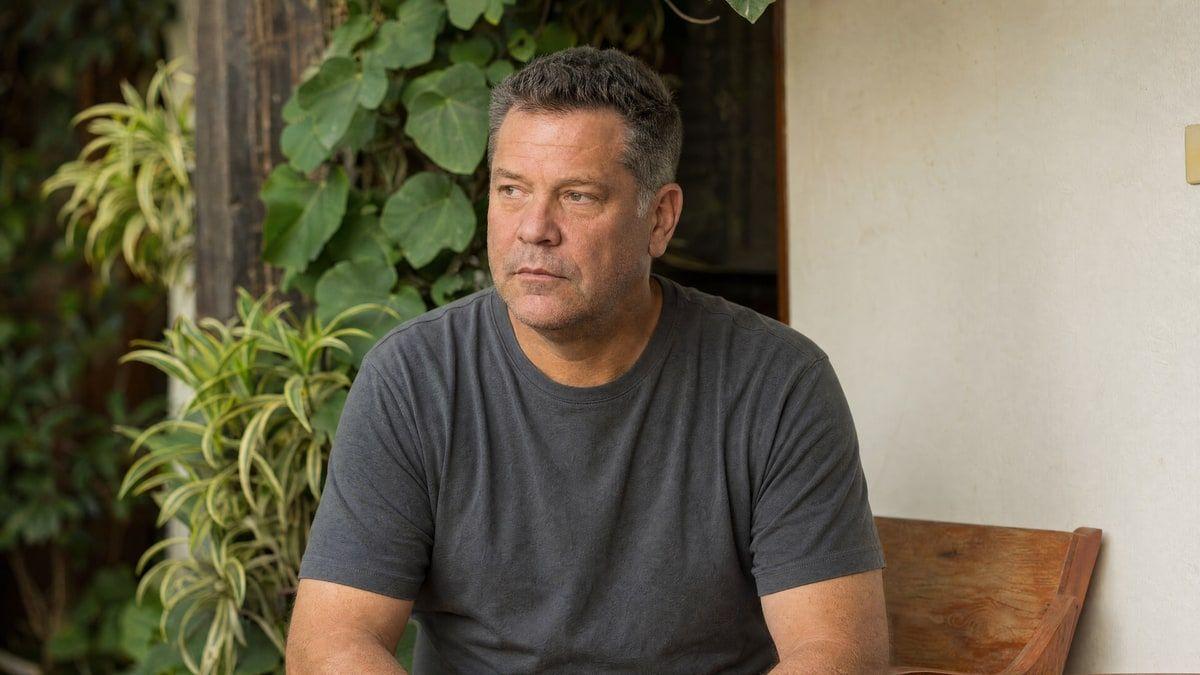
I would rather be honest and lose you as a client.
Here is the part that is not good for business. Most of the couples I say this to, I never hear from again. I understand why, because it is hard to hear no when you were hoping for yes, and there are plenty of places that will happily say yes and take two deposits. Some of them are more focused on the booking than on whether it actually helps you.
I am not willing to be one of them. I would rather give you the honest answer, the one I would give my own family, and let you make your own decision with it. If that costs me the enquiry, it costs me the enquiry. Being straight with people is the whole reason Jintara works, and I am not going to stop being straight with you just to fill a bed.
If you want to come on your own, we are here.
None of this means the door is closed. If you read all of that and you still want to do this individually, our admissions team would be glad to talk it through with you whenever you are ready. Come and get well as yourself, give your partner the chance to do the same, and see where the two of you stand when you are both clear-headed and steady.
And if you decide to go somewhere that will take you both together, I understand that, and I wish you well genuinely. You can read more about how we work and who we are across the rest of Jintara, whatever you choose to do. Either way, thank you for asking the question honestly.
Darren Lockie, Owner

Talk with Our Admissions Team
Your enquiry is confidential and goes only to our admissions team.